Introduction to Theater Floor Lighting
Theater lighting is a complex and nuanced discipline that extends far beyond the conventional overhead fixtures and spotlights. Among the many components that contribute to a successful stage production, floor lighting plays a pivotal yet frequently underestimated role. For lighting contractors, understanding the intricacies of theater floor lighting is essential to delivering a comprehensive and immersive visual experience.
While overhead lighting often takes center stage in design discussions, floor lighting can dramatically influence mood, depth, and spatial perception on stage. This article explores the critical aspects of theater floor lighting that contractors often overlook, providing insights and practical guidance to enhance their craft and project outcomes.
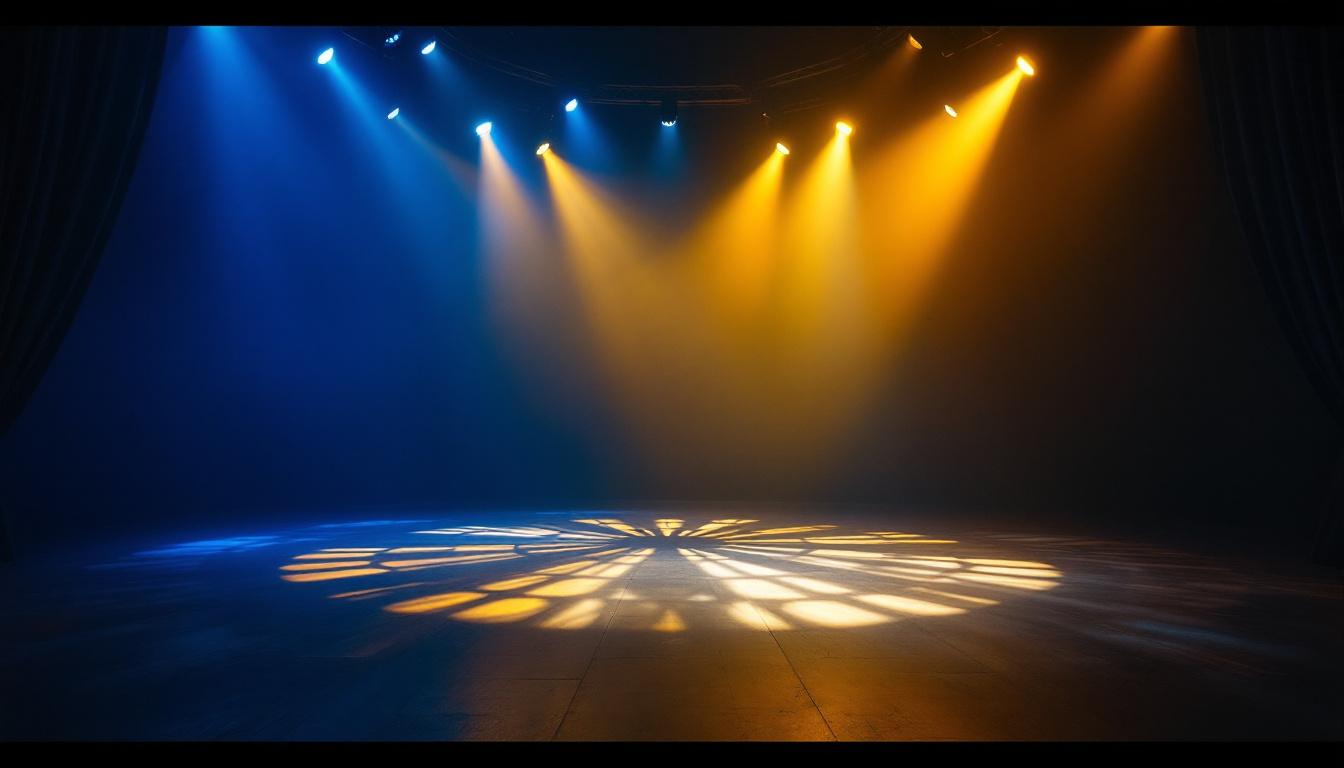
One of the primary functions of floor lighting is to create a sense of continuity between the stage and the audience. By illuminating the floor, lighting designers can guide the viewer’s eye and enhance the storytelling aspect of a performance. For instance, subtle washes of color can evoke specific emotions or highlight particular moments, while strategic placement of lights can help delineate different areas of the stage, effectively directing the audience’s focus. Additionally, floor lighting can be used to enhance choreography, allowing performers to interact with their environment in a visually engaging manner, thus elevating the overall impact of the production.
Moreover, the technology behind theater floor lighting has evolved significantly in recent years. With the advent of LED technology, lighting designers can now achieve a wider spectrum of colors and effects while consuming less energy. This not only allows for greater creativity in design but also contributes to sustainable practices within the theater industry. Furthermore, modern control systems enable precise programming of floor lights, allowing for dynamic changes throughout a performance. This flexibility can be particularly beneficial in productions that require quick scene transitions or varying atmospheres, making floor lighting an indispensable tool in the arsenal of contemporary lighting designers.
The Unique Role of Floor Lighting in Theatrical Productions
Creating Depth and Dimension
Floor lighting contributes significantly to the three-dimensionality of a scene. Unlike overhead lights that primarily illuminate from above, floor lights cast upward shadows and highlights, sculpting actors’ features and set pieces in ways that add texture and depth. This technique can be especially effective in dramatic or horror genres, where the interplay of light and shadow heightens tension and atmosphere. For instance, a subtle wash of light on the floor can create an eerie glow that suggests something lurking just out of sight, amplifying the audience’s sense of unease and anticipation.
Contractors who focus solely on traditional overhead and front lighting may miss opportunities to create these compelling visual effects. Incorporating floor lighting strategically can transform flat-looking scenes into dynamic, visually rich environments. Additionally, the color temperature of floor lights can be manipulated to evoke different emotions; warm hues can create intimacy, while cooler tones can suggest isolation or despair. Such nuanced lighting choices not only enhance the visual storytelling but also deepen the audience’s emotional connection to the narrative unfolding on stage.
Enhancing Actor Visibility and Safety
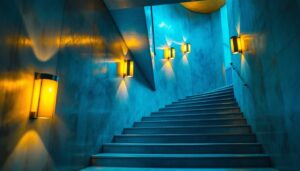
Floor lighting also plays a functional role in ensuring actors’ visibility and safety. Properly placed floor lights can illuminate pathways, stairs, and stage edges without distracting from the performance. This is crucial in productions with complex choreography or quick scene changes, where unseen hazards could lead to accidents. For example, in a musical number featuring intricate dance sequences, floor lights can highlight the performers’ footwork, ensuring that both the cast and the audience can appreciate the choreography while maintaining a safe environment.
Unfortunately, many lighting setups neglect this aspect, resulting in dim or unevenly lit stage floors that increase the risk of trips and falls. Lighting contractors must balance artistic intent with practical safety considerations when designing floor lighting schemes. Moreover, the use of adjustable floor lights can allow for real-time modifications during rehearsals, enabling directors to fine-tune visibility based on the evolving dynamics of the performance. This adaptability not only enhances safety but also empowers the creative team to explore innovative staging techniques without compromising the well-being of the performers.
Common Oversights in Theater Floor Lighting
Ignoring the Impact of Light Spill and Glare
One prevalent oversight is underestimating the effects of light spill and glare from floor fixtures. Floor lights are often positioned close to the audience’s line of sight, making it easy for poorly controlled beams to cause discomfort or distraction. This can break the audience’s immersion and detract from the overall experience.
Effective use of barn doors, gobos, and beam shaping accessories can mitigate these issues. Additionally, careful angling and dimming controls help tailor the light output to the scene’s demands without overwhelming the audience’s vision. Furthermore, the strategic placement of floor lights can enhance the visual storytelling by guiding the audience’s focus to specific areas of the stage, creating a more engaging narrative flow. By thoughtfully considering the angles and intensity of light, designers can craft a more cohesive and immersive environment that enhances the emotional resonance of the performance.
Neglecting the Importance of Color Temperature and Consistency
Color temperature consistency is critical in theater lighting, yet floor lighting is frequently treated as an afterthought in this regard. Mismatched color temperatures between floor and overhead fixtures can create unnatural color shifts and visual dissonance on stage.
For example, mixing warm tungsten floor lights with cool LED overheads without proper calibration can result in uneven skin tones and distracting color contrasts. Lighting contractors should prioritize matching or harmonizing color temperatures to maintain visual cohesion and support the director’s artistic vision. In addition, using color gels or filters can help achieve the desired warmth or coolness, allowing for greater flexibility in creating mood and atmosphere. By paying close attention to color consistency, lighting designers can ensure that every element on stage, from costumes to set pieces, is illuminated in a way that enhances the overall aesthetic and emotional impact of the production.
Overlooking Maintenance and Accessibility
Floor lighting fixtures are subject to wear and tear due to their proximity to foot traffic, set changes, and cleaning activities. Despite this, maintenance considerations are often overlooked during the design and installation phases. Fixtures placed in high-traffic areas without protective housings or easy access points can lead to frequent failures and costly repairs.
Contractors should plan for durable fixture selection and accessible placement to facilitate routine maintenance. Investing in modular and easily replaceable components can also reduce downtime and extend the lifespan of floor lighting installations. Moreover, establishing a regular maintenance schedule can help identify potential issues before they escalate, ensuring that the lighting remains reliable throughout the production run. This proactive approach not only saves time and money but also contributes to the safety of performers and crew members, as well-maintained lighting reduces the risk of accidents caused by malfunctioning equipment.
Technical Considerations for Effective Floor Lighting
Choosing the Right Fixtures
Selecting appropriate fixtures is foundational to successful floor lighting. LED fixtures have become the industry standard due to their energy efficiency, low heat emission, and versatility in color control. However, not all LED floor lights are created equal. Factors such as beam angle, lumen output, and fixture size must align with the specific demands of the theater space and production style.
Additionally, IP ratings should be considered if the floor lighting is exposed to moisture or dust, especially in outdoor or semi-open venues. High-quality fixtures with robust construction will ensure reliability and consistent performance over time.
Integration with Control Systems
Modern theater productions rely heavily on sophisticated lighting control systems that allow dynamic changes in intensity, color, and focus. Floor lighting should be fully integrated into these systems to enable seamless transitions and creative effects.
DMX compatibility and wireless control options provide contractors with the flexibility to program complex scenes and cues. Ensuring that floor lighting fixtures respond accurately and promptly to control commands is essential for maintaining synchronization with other lighting elements.
Addressing Heat and Power Management
Floor fixtures, especially those with higher wattage, can generate heat that affects both performers and equipment. Proper ventilation and heat dissipation mechanisms are necessary to prevent discomfort and potential damage.
Power management is equally critical. Lighting contractors must design circuits that accommodate the cumulative load of floor lighting without risking overloads or voltage drops. Utilizing LED technology can alleviate some power concerns, but thorough planning remains essential.
Design Strategies to Maximize Floor Lighting Impact
Layering Light for Visual Complexity
Effective theater lighting is often the result of layering multiple light sources to build a rich visual tapestry. Floor lighting should be considered one of these layers, complementing overhead, side, and backlighting.
By varying intensity, color, and angle, contractors can create nuanced effects such as subtle glows, dramatic uplighting, or textured shadows. This layering enhances the storytelling potential and allows directors and designers to evoke specific emotions and atmospheres.
Using Floor Lighting to Define Space
Floor lighting can delineate different areas of the stage, guiding audience attention and reinforcing narrative structure. For instance, low-level lights can outline stage boundaries, highlight props, or suggest environmental elements like firelight or street lamps.
Such spatial definition helps audiences orient themselves within the scene and deepens immersion. Lighting contractors should collaborate closely with set designers and directors to identify opportunities where floor lighting can reinforce spatial storytelling.
Incorporating Innovative Technologies
Theater lighting technology continues to evolve rapidly, offering new tools to enhance floor lighting. Innovations such as pixel-mapped LED strips, wireless DMX transmitters, and programmable RGB fixtures expand creative possibilities.
Contractors who stay abreast of these advancements can introduce cutting-edge solutions that differentiate their projects and impress clients. Experimenting with interactive or responsive floor lighting can also add layers of engagement and surprise to performances.
Conclusion: Elevating Theater Floor Lighting Practice
Theater floor lighting is a multifaceted element that requires careful attention to artistic, technical, and practical details. Lighting contractors who overlook its importance risk delivering incomplete lighting designs that fall short of their full potential.
By recognizing the unique contributions of floor lighting, addressing common oversights, and embracing thoughtful design and technology integration, contractors can elevate their work and contribute meaningfully to the magic of live theater. Ultimately, mastering floor lighting enriches the visual storytelling experience, enhances performer safety, and ensures that every production shines in its best light.
Illuminate Your Theater Projects with LumenWholesale
Ready to take your theater floor lighting to the next level? At LumenWholesale, we provide lighting contractors with the highest quality, spec-grade lighting solutions at prices that can’t be beaten. Say goodbye to the middleman and hello to superior products and savings. Our extensive selection is designed to meet the most rigorous industry standards, ensuring that your stage lighting is as reliable as it is captivating. Plus, with free shipping on bulk orders, you can stock up on premium lighting without worrying about hidden fees. Elevate your lighting designs and enhance the magic of live theater with the best value in wholesale lighting. Wholesale Lighting at the Best Value.