Understanding the Importance of Choosing the Right Bulbs for Outdoor Flood Lights
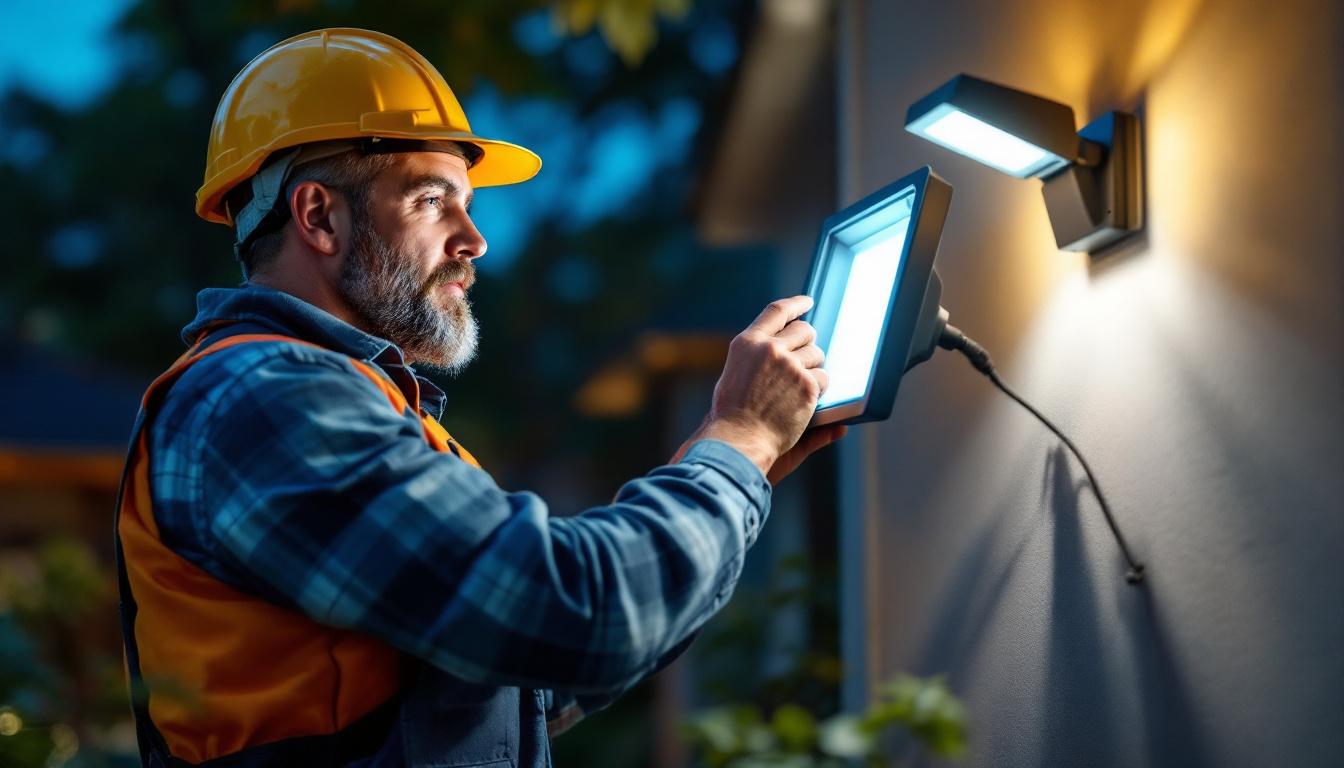
Outdoor flood lighting plays a critical role in enhancing security, aesthetics, and functionality in residential, commercial, and industrial environments. For lighting contractors, selecting the appropriate bulbs for these fixtures is not merely a technical decision—it directly impacts client satisfaction, energy efficiency, maintenance costs, and overall project success.
Flood lights are often subject to harsh environmental conditions such as moisture, temperature fluctuations, and dust. Therefore, the bulbs installed must be durable and capable of maintaining consistent performance over time. Additionally, the choice of bulb affects the quality of light, energy consumption, and compatibility with existing systems.
Understanding these factors is essential for contractors aiming to deliver reliable, efficient, and cost-effective outdoor lighting solutions that meet the diverse needs of their clients.
Moreover, the advancement in lighting technology has introduced various types of bulbs, including LED, halogen, and fluorescent options, each with its unique benefits and drawbacks. For instance, LED bulbs are increasingly favored for their longevity and energy efficiency, often lasting up to 25,000 hours while consuming significantly less power than traditional incandescent bulbs. This not only reduces the frequency of replacements but also lowers electricity bills, making them an attractive option for budget-conscious clients.
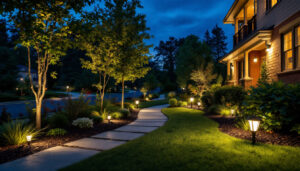
Furthermore, the color temperature of the bulbs can greatly influence the ambiance of the outdoor space. Warmer tones can create a welcoming atmosphere for residential areas, while cooler tones may be more suitable for commercial spaces that require a more professional and alert environment. Understanding the psychological effects of light can help contractors make informed decisions that align with the intended use of the space, ultimately enhancing the overall satisfaction of their clients.
Types of Bulbs Suitable for Outdoor Flood Lights
LED Bulbs: The Industry Standard for Efficiency and Longevity
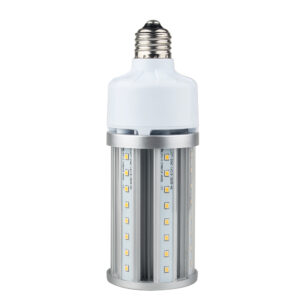
Light Emitting Diode (LED) bulbs have become the preferred choice for outdoor flood lighting due to their superior energy efficiency and extended lifespan. LEDs consume significantly less power compared to traditional incandescent or halogen bulbs, often reducing energy costs by up to 80%.
Moreover, LEDs offer excellent durability, with many models rated for 25,000 to 50,000 hours of operation. This longevity translates to fewer replacements and lower maintenance expenses, a crucial consideration for large-scale or hard-to-access installations.
LEDs also provide instant full brightness without warm-up time, making them ideal for security lighting applications. Their ability to produce a wide range of color temperatures—from warm white to daylight—allows contractors to tailor lighting ambiance to specific project requirements.
Halogen Bulbs: High Brightness but Limited Efficiency
Halogen bulbs have traditionally been used in flood lighting due to their bright, white light output and relatively low upfront cost. They operate by heating a tungsten filament enclosed in a halogen gas environment, which improves efficiency compared to standard incandescent bulbs.
However, halogens consume more energy and have shorter lifespans, typically around 2,000 to 4,000 hours. They also generate significant heat, which can pose safety concerns and increase cooling costs in some settings. For these reasons, halogen bulbs are increasingly being replaced by more energy-efficient alternatives like LEDs.
Metal Halide and High-Pressure Sodium Bulbs: Specialized Applications
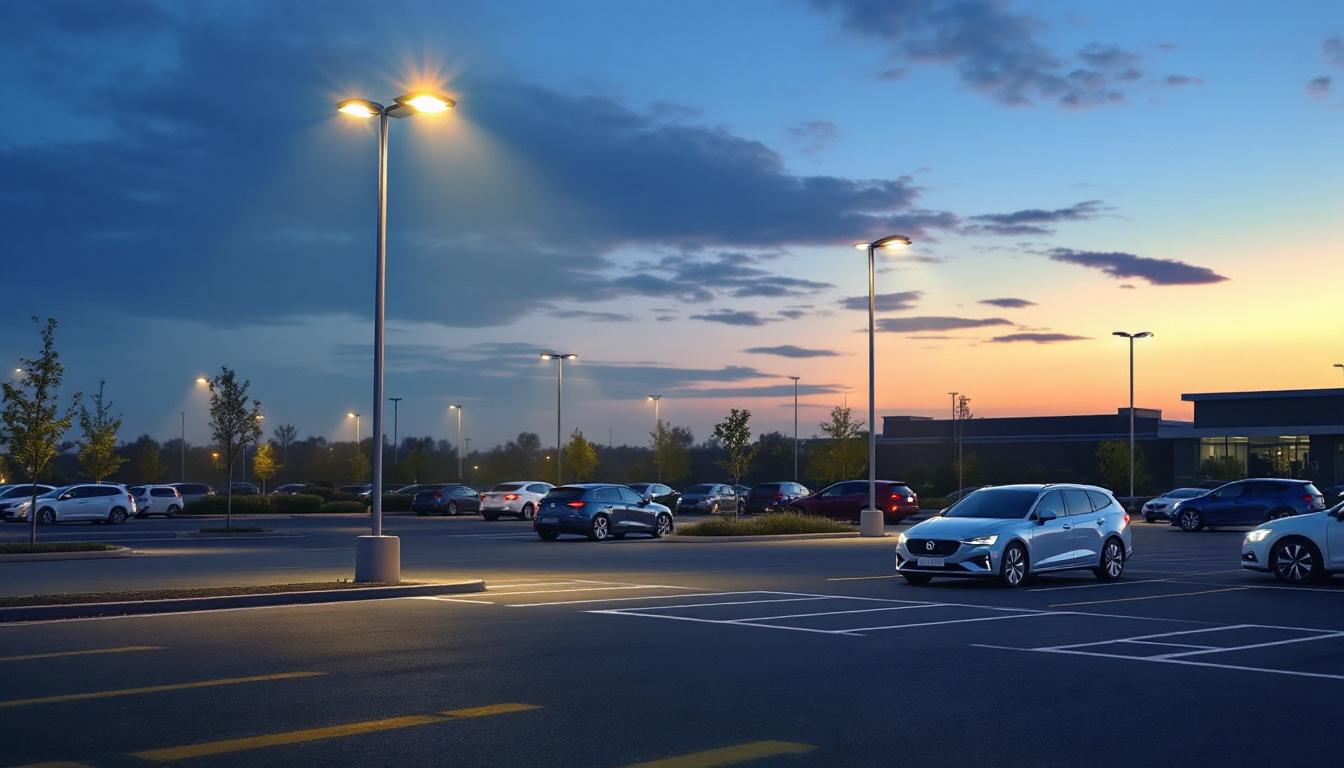
Metal halide and high-pressure sodium (HPS) bulbs are often used in large outdoor areas such as stadiums, parking lots, and industrial sites. Metal halide bulbs offer high-intensity white light with good color rendering, making them suitable for environments where accurate color perception is important.
HPS bulbs, on the other hand, emit a distinctive amber light and are known for their efficiency and long life, often exceeding 20,000 hours. However, their color rendering is poor, which can limit their use in applications requiring detailed visibility.
While these bulbs are still relevant in certain contexts, their longer warm-up times and maintenance requirements make them less attractive compared to LEDs for many modern outdoor lighting projects.
Key Factors Lighting Contractors Should Consider When Selecting Bulbs
Energy Efficiency and Cost Implications
Energy consumption is a major consideration for clients looking to reduce operational costs and environmental impact. LEDs are the clear leaders in this category, offering substantial savings over the lifespan of the bulb. Lighting contractors should emphasize the long-term benefits of energy-efficient bulbs when advising clients, including potential rebates and incentives offered by utility companies for upgrading to LED technology.
While the initial cost of LED bulbs may be higher than traditional options, the total cost of ownership is often lower due to reduced electricity bills and maintenance expenses. Providing clients with a detailed cost-benefit analysis can help justify the investment and facilitate informed decision-making.
Durability and Environmental Resistance
Outdoor flood lights are exposed to rain, wind, dust, and temperature extremes. Bulbs must be rated for outdoor use and designed to withstand these conditions. LEDs typically feature solid-state construction, making them more resistant to shock and vibration compared to fragile filaments in halogen or metal halide bulbs.
Additionally, contractors should verify the Ingress Protection (IP) rating of the bulb and fixture combination to ensure adequate protection against moisture and dust. Selecting bulbs with appropriate certifications and ratings helps prevent premature failure and reduces warranty claims.
Light Quality and Color Temperature
The quality of light affects both the functionality and visual appeal of outdoor spaces. Color temperature, measured in Kelvins (K), influences the mood and effectiveness of flood lighting. For security lighting, cooler temperatures (4000K to 6000K) provide crisp, bright illumination that enhances visibility.
For aesthetic or landscape lighting, warmer temperatures (2700K to 3500K) create a welcoming atmosphere. Contractors should assess the specific application and client preferences to recommend bulbs with suitable color temperatures and color rendering indices (CRI) to achieve the desired effect.
Compatibility with Fixtures and Controls
Not all bulbs are compatible with every flood light fixture or control system. Contractors must ensure that the selected bulbs fit the fixture’s socket type, voltage requirements, and physical dimensions. This is particularly important when retrofitting existing installations with LED bulbs to avoid issues such as flickering or reduced lifespan.
Additionally, compatibility with dimmers, motion sensors, and smart lighting controls is increasingly important in modern outdoor lighting designs. Choosing bulbs that support these features enhances functionality and energy management capabilities.
Installation and Maintenance Best Practices
Proper Installation Techniques
Correct installation is vital to maximize bulb performance and longevity. Lighting contractors should follow manufacturer guidelines carefully, including torque specifications for bulb insertion and ensuring secure fixture sealing to prevent moisture ingress.
Using gloves or clean cloths when handling bulbs prevents oils from skin contaminating the bulb surface, which can cause hot spots and reduce lifespan. Additionally, verifying that electrical connections are secure and properly grounded helps prevent electrical faults and safety hazards.
Routine Inspection and Replacement Strategies
Regular maintenance extends the life of outdoor flood lighting systems and ensures consistent performance. Contractors should advise clients to schedule periodic inspections to check for signs of bulb degradation, fixture damage, or environmental wear.
Implementing a proactive replacement schedule based on bulb lifespan and usage patterns minimizes unexpected outages. For large installations, maintaining an inventory of compatible replacement bulbs reduces downtime and streamlines service calls.
Environmental Considerations and Disposal
Lighting contractors have a responsibility to promote environmentally responsible practices. Many traditional bulbs, such as metal halide and high-pressure sodium, contain hazardous materials like mercury and require special disposal methods.
LED bulbs, while more environmentally friendly, should still be recycled properly to recover valuable materials and reduce landfill waste. Educating clients on proper disposal and providing recycling options enhances the contractor’s reputation and supports sustainability goals.
Emerging Trends and Innovations in Outdoor Flood Lighting
Smart Lighting and IoT Integration
Advancements in smart lighting technology are transforming outdoor flood lighting applications. Bulbs equipped with wireless connectivity enable remote control, scheduling, and adaptive lighting based on occupancy or ambient light conditions.
For lighting contractors, integrating Internet of Things (IoT) solutions offers opportunities to provide value-added services such as energy monitoring, predictive maintenance, and enhanced security features. Staying informed about these trends positions contractors as leaders in modern lighting solutions.
Advances in LED Technology
Continuous improvements in LED efficiency, color rendering, and thermal management are expanding the capabilities of outdoor flood lighting. Newer LED models offer higher lumen outputs with lower power consumption, enabling smaller fixtures or fewer bulbs to achieve the same lighting levels.
Additionally, innovations in optics and beam control allow for more precise light distribution, reducing light pollution and improving compliance with local regulations. Contractors should keep abreast of these developments to recommend the most effective and compliant solutions.
Renewable Energy Integration
Combining outdoor flood lighting with renewable energy sources such as solar panels is gaining traction, especially in remote or off-grid locations. Solar-powered flood lights equipped with efficient LED bulbs provide sustainable lighting solutions with minimal operational costs.
Lighting contractors can expand their service offerings by incorporating solar lighting systems, which require specialized knowledge in battery storage, charging controllers, and energy management. This approach aligns with growing client demand for green building practices and energy independence.
Conclusion: Delivering Optimal Outdoor Flood Lighting Solutions
For lighting contractors, selecting the right bulbs for outdoor flood lights is a multifaceted decision that impacts energy efficiency, durability, light quality, and client satisfaction. LEDs have emerged as the dominant technology due to their superior performance and cost-effectiveness, but understanding the specific requirements of each project remains essential.
By considering factors such as environmental conditions, fixture compatibility, and emerging technologies, contractors can design and implement lighting systems that meet or exceed client expectations. Adhering to best practices in installation, maintenance, and disposal further ensures long-term success and sustainability.
Staying informed about industry trends and continuously updating technical expertise empowers lighting contractors to provide innovative, reliable, and efficient outdoor flood lighting solutions that stand the test of time.
Get Your Premium Outdoor Flood Light Bulbs at LumenWholesale
Ready to elevate your lighting projects with the best bulbs for outdoor flood lights? Look no further than LumenWholesale, where we offer an extensive selection of top-quality, spec-grade lighting products at unbeatable wholesale prices. Say goodbye to local distributor markups and hello to superior lighting that meets the highest industry standards. With LumenWholesale, bulk buying is a breeze, thanks to our hassle-free process and free shipping. Don’t compromise on quality or value—choose LumenWholesale for the perfect blend of affordability, reliability, and convenience. Wholesale Lighting at the Best Value is just a click away!