Understanding the Importance of Lighting in Home Studios
Lighting is a critical component of any home studio setup, whether it’s designed for photography, videography, podcasting, or content creation. For lighting contractors, mastering the nuances of home studio lighting not only enhances the quality of the final product but also elevates the client experience. Proper lighting can transform a simple room into a professional-grade studio, ensuring that colors are rendered accurately, shadows are controlled, and subjects are illuminated in a flattering manner.
In recent years, the surge in remote work, online content creation, and home-based creative projects has increased demand for sophisticated lighting solutions tailored to smaller, often multipurpose spaces. This trend underscores the importance of understanding how to optimize lighting within the constraints of a home environment. Contractors who can deliver tailored, efficient, and aesthetically pleasing lighting setups will find themselves in high demand.
Moreover, the psychological effects of lighting should not be underestimated. The right lighting can significantly influence the mood and energy of a space, which is particularly important in creative environments. For instance, soft, warm lighting can create a cozy atmosphere that encourages relaxation and creativity, while bright, cool lighting can enhance focus and productivity. Understanding the emotional impact of different lighting types allows contractors to design spaces that not only look good on camera but also feel good to work in, fostering an inspiring creative environment.
Additionally, the advent of smart lighting technology has revolutionized how home studios can be designed and utilized. With the ability to control lighting remotely through apps or voice commands, creators can easily adjust their lighting setup to suit different projects or moods without the hassle of manual adjustments. This flexibility is particularly beneficial for those who engage in various types of content creation, as it allows for quick transitions between different lighting needs—be it a bright setup for a live stream or a softer ambiance for a podcast recording. As this technology continues to evolve, staying informed about the latest advancements will be crucial for contractors aiming to provide cutting-edge solutions to their clients.
Key Principles of Effective Home Studio Lighting
Balancing Natural and Artificial Light
One of the first challenges in home studio lighting is managing the interplay between natural and artificial light sources. Natural light offers a soft, flattering quality but is highly variable throughout the day and dependent on weather conditions. Artificial lighting, on the other hand, provides consistency and control.
Lighting contractors should advise clients to leverage natural light when possible, positioning workstations near windows to maximize daylight. However, it’s essential to supplement with artificial lights to maintain consistent illumination, especially during evening hours or in rooms with limited window access. Using blackout curtains or diffusers can help regulate natural light, preventing harsh shadows or overexposure. Additionally, incorporating light-colored walls and reflective surfaces can enhance the natural light’s effectiveness, creating a brighter and more inviting atmosphere. Clients may also consider using smart lighting systems that can adjust the intensity and color temperature of artificial lights to mimic the changing qualities of natural light throughout the day.
Three-Point Lighting Setup
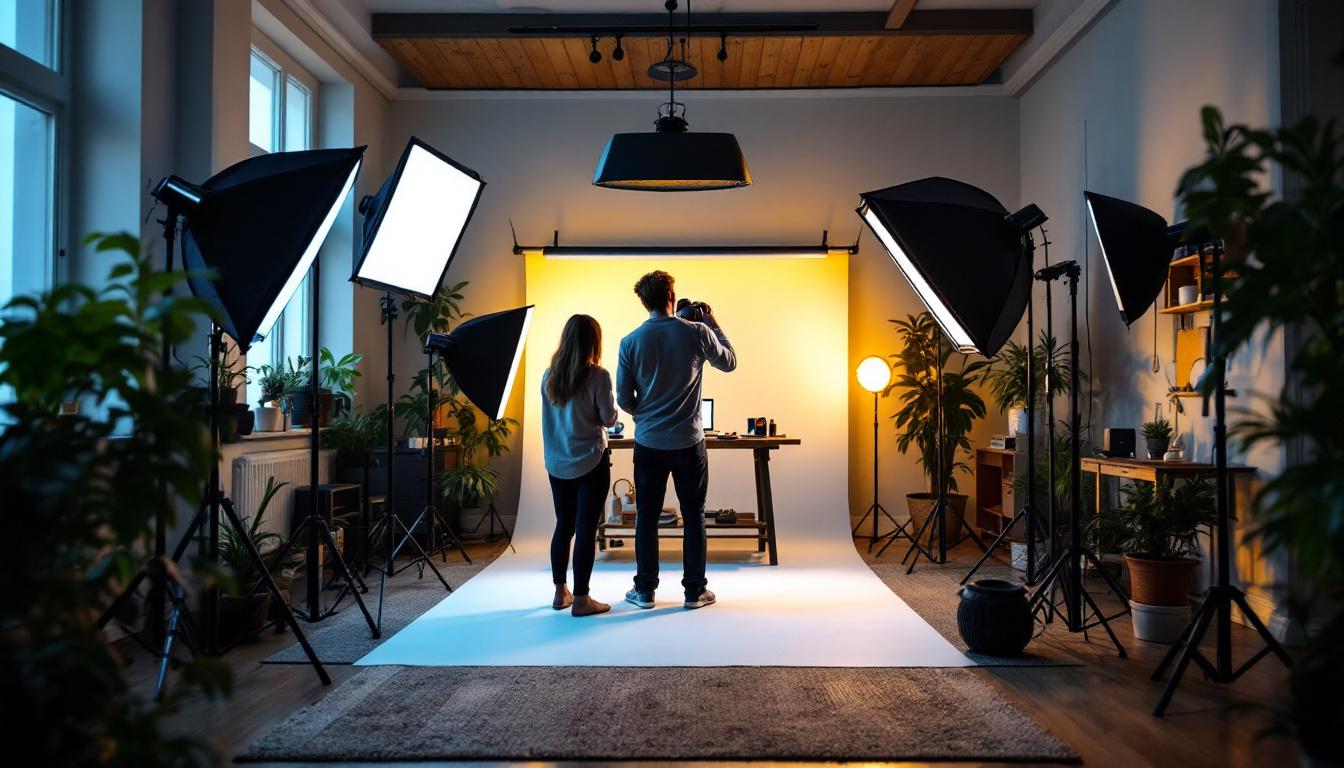
The three-point lighting technique remains a foundational approach for home studios. It consists of a key light, fill light, and backlight, each serving a distinct purpose:
- Key Light: The primary source of illumination, usually placed at a 45-degree angle to the subject to create depth and dimension.
- Fill Light: Positioned opposite the key light, it softens shadows and reduces contrast.
- Backlight: Placed behind the subject, it helps separate the subject from the background, adding depth.
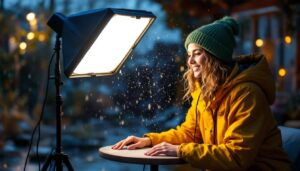
Contractors should tailor the intensity and positioning of these lights based on the room’s size, ceiling height, and the client’s specific needs. Dimmable LED panels and adjustable stands are excellent tools for achieving this flexibility. Furthermore, experimenting with different light modifiers, such as softboxes or umbrellas, can dramatically change the quality of light, allowing for a more customized look that suits various types of projects, from video shoots to live streaming. Clients should also consider the use of colored gels to create mood and atmosphere, adding an artistic touch to their setups.
Color Temperature and CRI (Color Rendering Index)
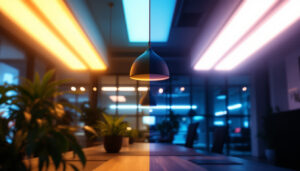
Understanding color temperature and CRI is vital for achieving accurate and appealing lighting. Color temperature, measured in Kelvin (K), affects the mood and tone of the studio. For home studios, a range between 3200K (warm white) and 5600K (daylight) is typically ideal, depending on the desired ambiance and the type of content being produced.
CRI measures how accurately a light source reveals colors compared to natural light, with a scale from 0 to 100. A CRI of 90 or above is recommended for home studios to ensure colors appear vibrant and true to life. Lighting contractors should prioritize high-CRI fixtures, especially for photography and video applications where color fidelity is paramount. Additionally, understanding the impact of different lighting setups on skin tones can be crucial for video creators and photographers, as certain color temperatures can either flatter or wash out subjects. By experimenting with various lighting combinations, clients can discover the most flattering setups for their specific needs, enhancing the overall quality of their visual content.
Practical Lighting Solutions for Different Home Studio Types
Photography Studios
Photography studios require precise control over light direction, intensity, and diffusion. Softboxes, umbrella lights, and ring lights are popular choices for diffusing light evenly and minimizing harsh shadows. For contractors, recommending modular lighting kits that can be easily repositioned or expanded is beneficial for clients who may want to experiment with different setups.
In smaller spaces, compact LED panels with adjustable brightness and color temperature offer versatility without overwhelming the room. Additionally, incorporating reflectors and flags can help manipulate light to achieve the desired effect without adding extra fixtures.
Video and Streaming Studios
Video content creators and streamers often require continuous lighting that is flicker-free and adjustable to match on-screen skin tones. LED panels with high CRI and adjustable color temperature are ideal. Lighting contractors should also consider the placement of lights to avoid glare on screens and minimize eye strain for the talent.
Soft, diffuse lighting helps create a professional look while reducing harsh shadows. Using multiple light sources to balance the scene and adding background lights can enhance depth and visual interest. For clients working in multi-use spaces, portable lighting solutions with easy setup and teardown are highly recommended.
Podcast and Audio Recording Studios
While audio quality is paramount in podcasting, lighting still plays a significant role, especially for video podcasts or live streams. Soft, warm lighting creates a comfortable atmosphere for hosts and guests, while subtle backlighting can add a sense of depth to the visual frame.
Contractors should focus on minimizing reflective surfaces and harsh lighting that can cause distractions. Integrating dimmable lights and smart lighting controls allows podcasters to adjust ambiance according to mood and time of day.
Advanced Techniques and Technologies in Home Studio Lighting
Smart Lighting Systems
Smart lighting technology has revolutionized how home studios are illuminated. Systems that integrate with voice assistants and mobile apps enable users to adjust brightness, color temperature, and even color hues with ease. This level of control is invaluable for content creators who need to adapt lighting quickly during shoots or live sessions.
Lighting contractors can offer clients smart lighting packages that include programmable scenes and schedules, enhancing convenience and energy efficiency. Additionally, smart bulbs with high CRI and adjustable Kelvin ratings provide both functionality and aesthetic appeal.
Using Light Modifiers and Accessories
Light modifiers such as diffusers, grids, barn doors, and gels allow for greater creative control. Diffusers soften light to reduce harsh shadows, grids focus light into tighter beams, barn doors control spill, and gels add color effects or correct color temperature.
Contractors should educate clients on the benefits of these accessories and incorporate them into lighting kits. This approach empowers clients to experiment and achieve professional-quality results without needing extensive technical knowledge.
Leveraging Reflective Surfaces and Room Design
The physical environment significantly influences lighting effectiveness. Reflective surfaces like white walls, ceilings, and floors can bounce light to fill shadows, while darker surfaces absorb light, creating moodier atmospheres. Lighting contractors should assess the room’s design and recommend adjustments or additions such as portable reflectors or neutral-colored backdrops.
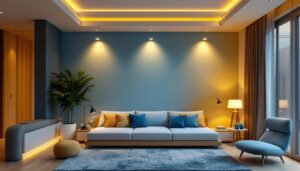
Incorporating architectural lighting elements, such as recessed or track lighting, can complement the primary studio lights and add layers of illumination. Thoughtful placement of these elements enhances both functionality and aesthetics.
Energy Efficiency and Sustainability Considerations
Energy consumption is a growing concern for many clients, and lighting contractors have an opportunity to promote sustainable solutions. LED technology is the industry standard for home studios due to its low power consumption, long lifespan, and minimal heat output.
Encouraging clients to invest in quality LED fixtures with dimming capabilities helps reduce electricity costs and environmental impact. Moreover, smart lighting systems can optimize energy use by automatically adjusting brightness based on ambient light levels or occupancy sensors.
Contractors should also advise on proper ventilation and heat management, as excessive heat from lighting can affect equipment performance and user comfort.
Conclusion: Elevating Home Studio Lighting Through Expertise
For lighting contractors, the expanding home studio market presents a unique opportunity to apply technical expertise and creative problem-solving. By understanding the specific needs of different types of home studios and leveraging modern lighting technologies, contractors can deliver tailored solutions that enhance both the functionality and aesthetics of the space.
Focusing on principles such as balancing natural and artificial light, utilizing three-point lighting, prioritizing high CRI fixtures, and incorporating smart controls will set contractors apart in a competitive market. Ultimately, well-executed lighting solutions empower creators to produce high-quality content, making the investment in professional lighting expertise invaluable.
Illuminate Your Projects with LumenWholesale
Ready to elevate your home studio lighting with expert solutions? At LumenWholesale, we provide lighting contractors with the highest quality, spec-grade lighting products at prices that can’t be beaten. Our extensive selection is designed to meet the most rigorous industry standards, ensuring you have access to reliable and high-performance lighting for every type of home studio. Say goodbye to middleman markups and hello to hassle-free bulk buying with free shipping. Don’t compromise on quality or value—visit LumenWholesale today and discover the ideal blend of quality, affordability, and convenience for your next project.