Understanding Linear Grid Ceilings: A Foundation for Smart Lighting
Linear grid ceilings have become a staple in modern commercial and institutional architecture, offering a sleek, minimalist aesthetic combined with functional versatility. For lighting contractors, mastering the nuances of these ceiling systems is essential for delivering efficient, attractive, and technologically advanced lighting solutions.
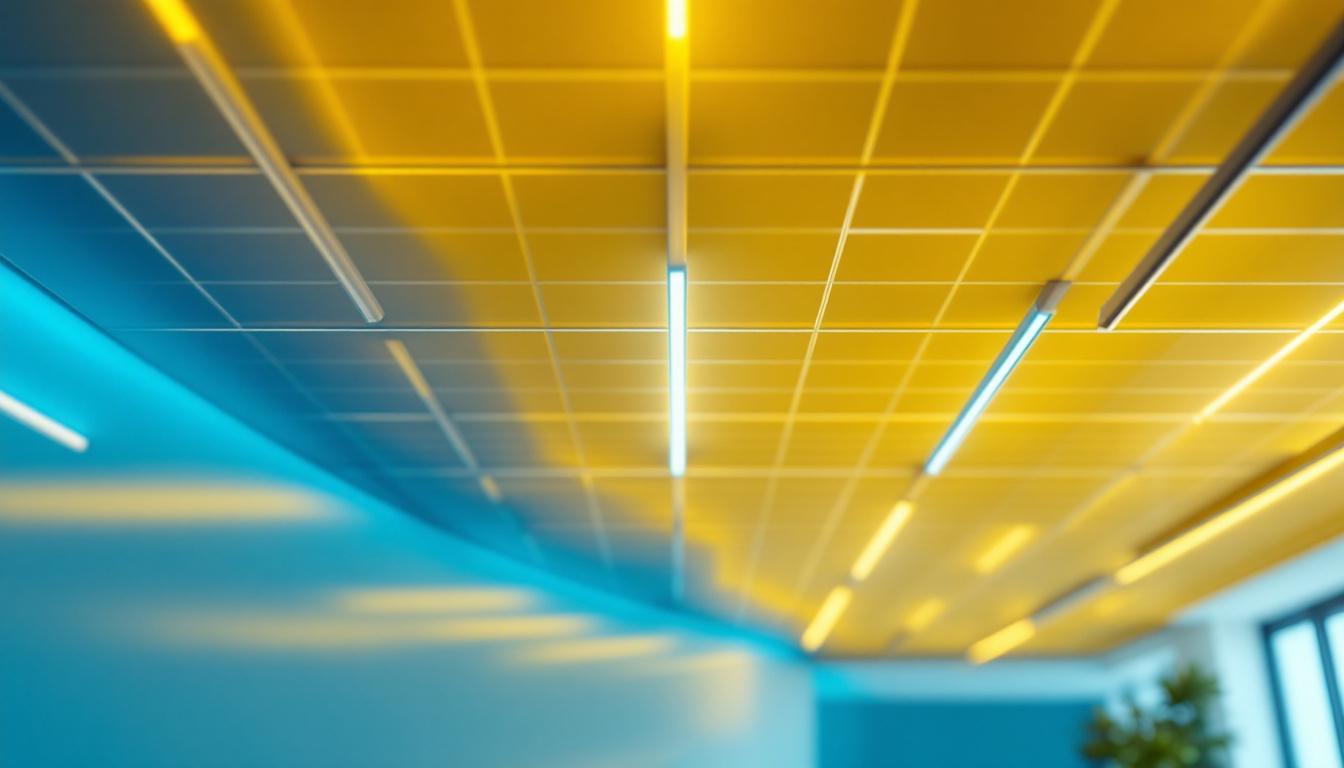
At its core, a linear grid ceiling consists of long, narrow panels or planks arranged in parallel lines, often suspended from the structural ceiling. This design not only enhances visual continuity but also creates an ideal framework for integrating linear lighting fixtures, sensors, and other smart technologies.
Understanding the structural and material characteristics of linear grid ceilings is the first step for contractors aiming to optimize lighting installations. Materials commonly used include aluminum, steel, or wood, each with distinct implications for fixture mounting, weight support, and acoustic performance. For instance, aluminum offers a lightweight yet durable option that can be easily manipulated for various design needs, while wood provides a warmer aesthetic that can enhance the overall ambiance of a space. Additionally, the choice of material can significantly affect sound absorption and reflection, making it crucial for contractors to consider the acoustic requirements of the environment when selecting ceiling materials.
Why Linear Grid Ceilings Matter to Lighting Contractors
Linear grid ceilings offer a unique canvas for lighting contractors to innovate. Their linearity aligns perfectly with linear LED fixtures, enabling continuous runs of light that can dramatically improve both aesthetics and functionality. Moreover, the modular nature of these ceilings simplifies maintenance and upgrades, a critical factor in smart building environments where lighting systems evolve rapidly. The ability to easily replace or reposition fixtures without extensive renovation work can save time and costs, making these ceilings an attractive option for both contractors and clients.
From energy efficiency to user experience, linear grid ceilings provide a strategic advantage. Contractors who understand how to leverage these ceilings can deliver lighting solutions that are not only visually appealing but also scalable and adaptable to emerging smart technologies. The integration of smart lighting controls, such as occupancy sensors and daylight harvesting systems, can further enhance energy savings and user comfort. As buildings increasingly prioritize sustainability and user-centric design, the role of lighting contractors in optimizing these systems becomes ever more critical, allowing them to create environments that are not only functional but also responsive to the needs of their occupants.
Key Challenges and Solutions in Installing Lighting on Linear Grid Ceilings
Despite their advantages, linear grid ceilings present specific challenges that lighting contractors must navigate to ensure successful installations.
Challenge 1: Fixture Compatibility and Mounting
One of the most common hurdles is ensuring that lighting fixtures are compatible with the narrow profiles of linear grids. Standard fixtures may be too bulky or heavy, risking damage to the ceiling or compromising aesthetics.
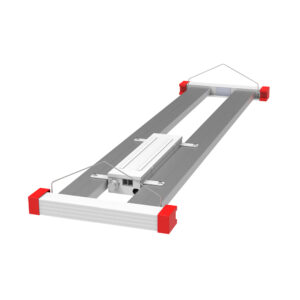
Solution: Opt for low-profile, lightweight linear LED fixtures specifically designed for integration with linear grid systems. Many manufacturers now offer modular lighting elements that snap into or rest securely on grid rails, reducing installation time and improving alignment precision.
Challenge 2: Electrical Routing and Accessibility
Routing power and control wiring through the narrow spaces of linear grids can be complex, especially when integrating smart lighting controls such as occupancy sensors, daylight harvesting, or networked dimming systems.
Solution: Pre-plan wiring paths during the ceiling layout phase, coordinating closely with electrical engineers and smart system integrators. Utilize slim, flexible conduit and cable management solutions that fit within or alongside grid rails without disrupting the ceiling’s clean lines. Additionally, consider using wireless control modules where feasible to reduce wiring complexity.
Challenge 3: Maintaining Acoustic and Aesthetic Integrity
Linear grid ceilings often contribute to a room’s acoustic profile. Improper lighting installation can interfere with sound absorption or create visual clutter, detracting from the design intent.
Solution: Choose fixtures with acoustic-friendly designs and finishes that complement the ceiling material. Some linear lighting systems incorporate acoustic baffles or diffusers that maintain sound control while providing uniform illumination. Collaborate with architects and interior designers to ensure lighting enhances rather than detracts from the overall space ambiance.
Smart Lighting Integration: Tips for Maximizing Efficiency and Control
Smart lighting is no longer a luxury but a standard expectation in commercial and institutional projects. Linear grid ceilings provide an excellent platform for integrating these advanced systems, but success requires strategic planning and execution.
Leverage Modular Lighting Components
Modularity is key when working with linear grid ceilings. Using modular lighting components allows contractors to create continuous light runs that can be easily segmented for control purposes. This segmentation supports advanced features such as zone dimming, color tuning, and occupancy-based adjustments.
For example, integrating addressable LED drivers enables precise control over individual sections of the lighting run, facilitating energy savings and enhancing occupant comfort. Modular systems also simplify future upgrades or repairs, reducing downtime and labor costs.
Incorporate Sensors and Controls Seamlessly
Smart lighting systems rely heavily on sensors—occupancy, daylight, and even air quality sensors—to optimize performance. The narrow profiles of linear grid ceilings demand careful sensor placement to avoid interference with lighting fixtures and maintain aesthetic consistency.
Contractors should select compact, multi-function sensor modules designed for linear ceiling integration. Wireless communication protocols like Zigbee, Bluetooth Mesh, or proprietary RF systems can reduce wiring complexity and improve system flexibility. Additionally, integrating sensors with building management systems (BMS) ensures centralized control and data analytics for ongoing optimization.
Optimize for Energy Efficiency and Compliance
Energy codes and sustainability certifications increasingly emphasize smart lighting solutions. Linear grid ceilings, when paired with efficient LED fixtures and intelligent controls, can significantly reduce energy consumption compared to traditional lighting systems.
Contractors should specify fixtures with high efficacy (lumens per watt) and ensure that control systems support dimming, scheduling, and daylight harvesting. Proper commissioning and ongoing maintenance are vital to achieving and maintaining energy savings, as well as meeting regulatory requirements.
Installation Hacks for Lighting Contractors Working with Linear Grid Ceilings
Efficiency and precision during installation can make or break a project’s success. The following hacks have been proven to streamline the process and enhance outcomes for lighting contractors.
Hack 1: Use Laser Alignment Tools for Precision
Maintaining perfect alignment of linear fixtures within the grid is critical for achieving a seamless look. Traditional measuring tapes and levels can be time-consuming and less accurate over long runs.
Laser alignment tools provide a quick and reliable method to ensure fixtures are perfectly parallel and evenly spaced. This reduces rework and improves client satisfaction by delivering a polished final appearance.
Hack 2: Pre-assemble Fixture Sections Offsite
Whenever possible, pre-assemble lighting sections in a controlled environment before installation. This approach minimizes on-site labor, reduces errors, and speeds up the overall schedule.
Pre-assembled modules can include integrated wiring harnesses, connectors, and mounting brackets tailored to the linear grid system. This method also facilitates quality control, as components can be tested prior to installation.
Hack 3: Implement a Color-Coded Wiring System
Complex wiring configurations are common in smart lighting installations. Using a color-coded system for cables and connectors simplifies troubleshooting and future maintenance.
Contractors should develop a standardized color scheme aligned with industry best practices and ensure all team members are trained accordingly. Clear labeling combined with color coding reduces the risk of errors and accelerates repairs or upgrades.
Hack 4: Coordinate Closely with Ceiling and Lighting Manufacturers
Early and ongoing communication with manufacturers can provide access to technical support, installation guides, and custom solutions. Many manufacturers offer specialized mounting kits or compatible accessories designed specifically for their linear grid systems.
Engaging manufacturers early can also help identify potential challenges and solutions unique to the project, ultimately saving time and reducing costs.
Future Trends: Preparing for the Next Generation of Linear Grid Lighting
The evolution of linear grid ceilings and smart lighting technology continues at a rapid pace. Lighting contractors who stay ahead of trends will be well-positioned to deliver cutting-edge solutions that meet client demands and regulatory requirements.
Integration of IoT and Data Analytics
Future lighting systems will increasingly function as data hubs, collecting environmental and occupancy data to optimize building operations beyond illumination. Linear grid ceilings equipped with embedded sensors and communication nodes will enable real-time analytics, predictive maintenance, and adaptive lighting strategies.
Contractors should familiarize themselves with IoT platforms and data management tools to offer clients comprehensive smart building solutions.
Advancements in Tunable and Human-Centric Lighting
Human-centric lighting, which adjusts color temperature and intensity to support circadian rhythms, is gaining traction. Linear grid ceilings provide an ideal framework for deploying tunable white and full-spectrum LED systems that enhance occupant well-being and productivity.
Contractors need to understand the physiological impacts of lighting and how to integrate controls that deliver dynamic, personalized lighting experiences.
Sustainability and Circular Economy Considerations
Environmental responsibility is driving demand for recyclable materials, low-impact manufacturing, and fixtures designed for easy disassembly and reuse. Linear grid ceiling components and lighting fixtures will increasingly reflect these principles.
Smart lighting contractors should prioritize partnerships with manufacturers committed to sustainability and advocate for design choices that minimize waste and energy consumption.
Conclusion: Mastering Linear Grid Ceiling Lighting for Smart Contractors
Linear grid ceilings represent a dynamic and promising frontier for lighting contractors focused on smart, efficient, and aesthetically compelling solutions. By understanding the unique challenges of these systems and employing strategic hacks—from precision alignment to modular design—contractors can deliver superior results that satisfy both client expectations and regulatory demands.
Embracing smart lighting integration, energy efficiency, and emerging trends will ensure that contractors remain competitive and relevant in a rapidly evolving industry. Ultimately, success in linear grid ceiling lighting hinges on a blend of technical expertise, thoughtful planning, and proactive collaboration with manufacturers and designers.
Illuminate Your Projects with LumenWholesale
Ready to elevate your lighting installations with the sleek sophistication of linear grid ceilings? At LumenWholesale, we provide you with the high-quality, spec-grade lighting products you need at prices that can’t be beaten. Say goodbye to local distributor markups and hello to our extensive selection that meets the highest industry standards. With free shipping on bulk orders, you can trust that you’re getting premium lighting at the best value — no hidden fees, no compromises. Make your next project shine and experience the best in wholesale lighting with LumenWholesale.