The Importance of Proper Outdoor Workshop Lighting
For lighting contractors, understanding the science behind outdoor workshop lighting is essential to delivering effective, safe, and energy-efficient solutions. Workshops, often located outdoors or in semi-exposed environments, present unique challenges that differ significantly from indoor lighting projects. Proper illumination not only enhances visibility and safety but also improves productivity and reduces eye strain for workers.
Workshops are spaces where precision and detail matter. Whether it’s woodworking, metal fabrication, or automotive repair, adequate lighting enables craftsmen to perform their tasks accurately. Poor lighting can lead to mistakes, accidents, and reduced work quality, which can ultimately affect client satisfaction and reputation. Therefore, lighting contractors must be well-versed in the scientific principles that govern outdoor lighting to design systems that meet these demands.
In addition to the technical aspects of lighting design, contractors must also consider the emotional and psychological impacts of light on workers. Natural light, for instance, has been shown to boost mood and enhance focus, making it a valuable component in workshop environments. Incorporating skylights or large windows can maximize daylight exposure, reducing reliance on artificial lighting and creating a more inviting atmosphere. Moreover, the color temperature of the lighting plays a crucial role; warmer tones can create a cozy environment, while cooler tones can promote alertness and concentration, allowing craftsmen to work efficiently for longer periods.
Furthermore, energy efficiency is a growing concern in today’s environmentally conscious world. Contractors should explore LED lighting options, which not only consume less power but also have a longer lifespan compared to traditional bulbs. This not only reduces operational costs for workshop owners but also lessens the environmental footprint of the workspace. Additionally, integrating smart lighting controls can optimize energy use by adjusting brightness based on the time of day or occupancy, ensuring that lights are only on when needed. Such advancements not only enhance the functionality of outdoor workshops but also align with sustainable practices that are increasingly valued in modern society.
Understanding Light Quality and Its Impact on Workshop Performance
Color Temperature and Color Rendering Index (CRI)
Two critical factors in outdoor workshop lighting are color temperature and the Color Rendering Index (CRI). Color temperature, measured in Kelvins (K), describes the hue of the light source. For workshops, a neutral to cool white light (between 4000K and 5000K) is often preferred as it mimics daylight, which helps reduce eye fatigue and improves focus. This is particularly important for tasks that require prolonged concentration, such as detailed assembly or intricate repairs, where the quality of light can significantly influence productivity and accuracy.
CRI measures how accurately a light source reveals the colors of objects compared to natural light. A high CRI (above 80) is crucial in workshops where color differentiation is necessary, such as in painting or electrical work. Lighting contractors should prioritize fixtures with high CRI ratings to ensure that colors appear true and materials are inspected correctly. Furthermore, a higher CRI can enhance the overall ambiance of the workspace, making it more inviting and conducive to creativity, which can be particularly beneficial in artistic or design-oriented workshops.
Luminous Intensity and Distribution
Luminous intensity refers to the amount of light emitted in a particular direction, measured in candelas (cd). For outdoor workshops, uniform light distribution is vital to avoid shadows and glare that can hinder work. Lighting contractors must select fixtures with beam angles that provide broad, even illumination across the workspace. The choice of fixtures can also impact energy efficiency; LED lights, for example, offer high luminous efficacy, providing more light with less energy consumption, which is a significant consideration for sustainable workshop practices.
Additionally, the placement of lights affects intensity and distribution. Strategic positioning, such as mounting lights overhead or at multiple angles, helps eliminate dark spots and enhances overall visibility. Understanding photometric data and using lighting simulation software can aid contractors in planning optimal layouts. Beyond just functionality, the design of the lighting system can also contribute to the overall aesthetic of the workshop, creating an environment that is not only practical but also visually appealing. Incorporating adjustable lighting options can further enhance flexibility, allowing workers to adapt the light to their specific tasks, whether they require bright, focused light for precision work or softer lighting for general tasks.
Energy Efficiency and Sustainability Considerations
LED Technology and Its Advantages
Light Emitting Diode (LED) technology has revolutionized outdoor workshop lighting. LEDs offer superior energy efficiency, consuming up to 75% less energy compared to traditional incandescent or halogen bulbs. For lighting contractors, specifying LED fixtures means clients benefit from reduced operational costs and longer fixture lifespans, often exceeding 50,000 hours.
Beyond energy savings, LEDs provide instant-on capabilities without warm-up time, which is advantageous in workshop environments where lighting needs can be intermittent. They also emit less heat, contributing to a safer and more comfortable workspace.
Incorporating Smart Controls
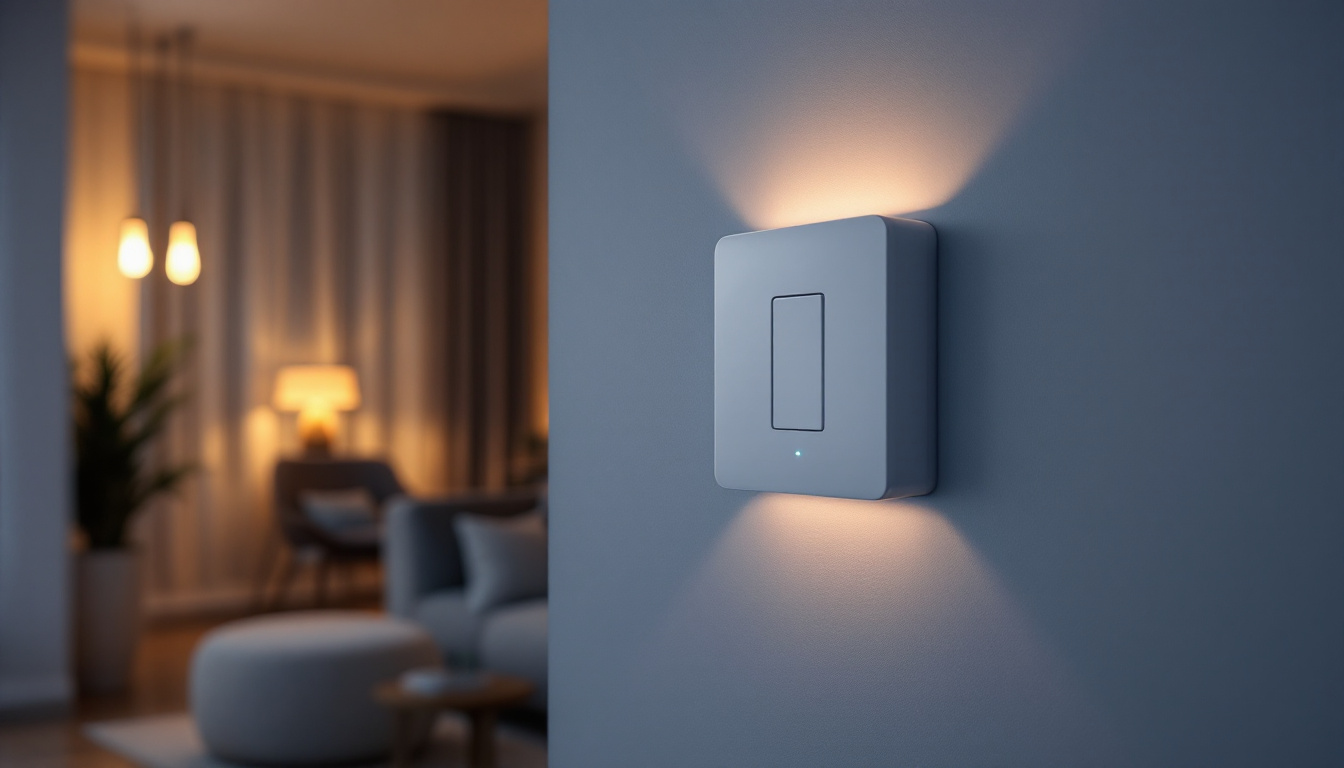
Integrating smart lighting controls such as motion sensors, dimmers, and programmable timers can further enhance energy efficiency. Motion sensors ensure lights are only active when the workshop is in use, eliminating unnecessary energy consumption. Dimmers allow workers to adjust lighting levels based on task requirements, improving comfort and reducing eye strain.
For lighting contractors, offering smart control solutions not only adds value but also aligns with growing sustainability standards and client expectations for modern, eco-friendly installations.
Environmental Challenges and Durability Requirements
Weather Resistance and IP Ratings
Outdoor workshops are exposed to varying weather conditions, including rain, dust, and temperature fluctuations. Lighting fixtures must be robust and designed to withstand these elements. The Ingress Protection (IP) rating system classifies the degree of protection against solids and liquids. For outdoor workshop lighting, an IP rating of at least IP65 is recommended to ensure resistance to dust and water jets.
Lighting contractors should select fixtures with durable housings made from corrosion-resistant materials such as aluminum or stainless steel. Additionally, lenses and seals must be designed to prevent moisture ingress, which can compromise electrical components and reduce fixture lifespan.
Thermal Management
Effective thermal management is critical for maintaining LED performance and longevity. Outdoor workshops can experience extreme temperatures, which can impact fixture efficiency. Lighting contractors must consider fixtures with integrated heat sinks or active cooling systems to dissipate heat effectively.
Proper thermal design prevents premature LED degradation, ensuring consistent light output and reducing maintenance needs. Understanding the thermal dynamics of the installation environment helps contractors recommend suitable products and installation methods.
Safety Standards and Regulatory Compliance
Occupational Safety Guidelines
Lighting contractors must be familiar with occupational safety standards relevant to outdoor workshop environments. Proper illumination levels are mandated to minimize accidents and ensure worker well-being. For example, the Illuminating Engineering Society (IES) provides recommended lighting levels for various tasks, typically ranging from 300 to 750 lux for general workshop activities.
Adhering to these guidelines not only enhances safety but also helps contractors avoid liability issues. Proper documentation and compliance with local building codes and electrical regulations are essential components of professional lighting installations.
Emergency and Backup Lighting
Workshops often operate in critical industries where power outages can disrupt operations and pose safety risks. Installing emergency lighting systems ensures that exit routes and critical work areas remain illuminated during power failures. Lighting contractors should incorporate battery-backed or generator-supported fixtures as part of comprehensive lighting designs.
Regular testing and maintenance protocols are necessary to guarantee the reliability of emergency lighting systems. Contractors should educate clients on these requirements to maintain compliance and safety standards.
Practical Installation Tips for Lighting Contractors
Site Assessment and Customization
Every outdoor workshop is unique, and lighting solutions must be tailored accordingly. Conducting thorough site assessments allows contractors to evaluate ambient light conditions, workspace layout, and specific client needs. Factors such as surrounding structures, vegetation, and potential obstructions influence fixture selection and placement.
Customized lighting designs that consider these variables result in more efficient and effective illumination. Utilizing photometric analysis tools and collaborating with clients during the design phase can lead to optimal outcomes.
Maintenance and Accessibility
Outdoor lighting installations require periodic maintenance to ensure performance and safety. Lighting contractors should plan for easy access to fixtures for cleaning, bulb replacement, and repairs. Selecting modular fixtures and incorporating mounting solutions that facilitate maintenance can reduce downtime and labor costs.
Providing clients with maintenance schedules and training on basic upkeep helps prolong the lifespan of lighting systems and safeguards investment.
Future Trends in Outdoor Workshop Lighting
Advancements in Lighting Technology
Emerging technologies such as tunable white LEDs, which allow adjustment of color temperature throughout the day, are gaining traction. These systems can improve worker comfort by mimicking natural circadian rhythms, potentially enhancing productivity and well-being.
Additionally, integration with Internet of Things (IoT) platforms enables remote monitoring and control of outdoor lighting systems, offering real-time diagnostics and energy management capabilities. Lighting contractors who stay abreast of these innovations can provide cutting-edge solutions that meet evolving client demands.
Sustainability and Renewable Energy Integration
With increasing emphasis on sustainability, outdoor workshop lighting is increasingly paired with renewable energy sources such as solar power. Solar-powered LED fixtures reduce dependence on grid electricity and enable installations in remote locations without extensive wiring.
Lighting contractors knowledgeable in hybrid systems and energy storage solutions can expand their service offerings and support clients’ environmental goals.
Conclusion
For lighting contractors, mastering the science behind outdoor workshop lighting is fundamental to delivering high-quality, efficient, and safe lighting solutions. By understanding key concepts such as light quality, energy efficiency, environmental durability, and regulatory compliance, contractors can design and install systems that enhance workshop functionality and client satisfaction.
Staying informed about technological advancements and sustainability trends further positions contractors as trusted experts in a competitive market. Ultimately, a scientific approach combined with practical experience ensures that outdoor workshop lighting meets the rigorous demands of diverse industrial applications.
Illuminate Your Projects with LumenWholesale
Ready to elevate your outdoor workshop lighting solutions? At LumenWholesale, we provide lighting contractors with the highest quality, spec-grade lighting products at prices that can’t be beaten. Our commitment to cutting out the middleman means you enjoy superior products at wholesale rates, ensuring your projects shine with reliability and performance. With our vast selection adhering to the strictest industry standards and the convenience of free shipping on bulk orders, you can trust LumenWholesale for all your lighting needs. Don’t settle for less; choose the best value in lighting. Wholesale Lighting at the Best Value awaits you at LumenWholesale.