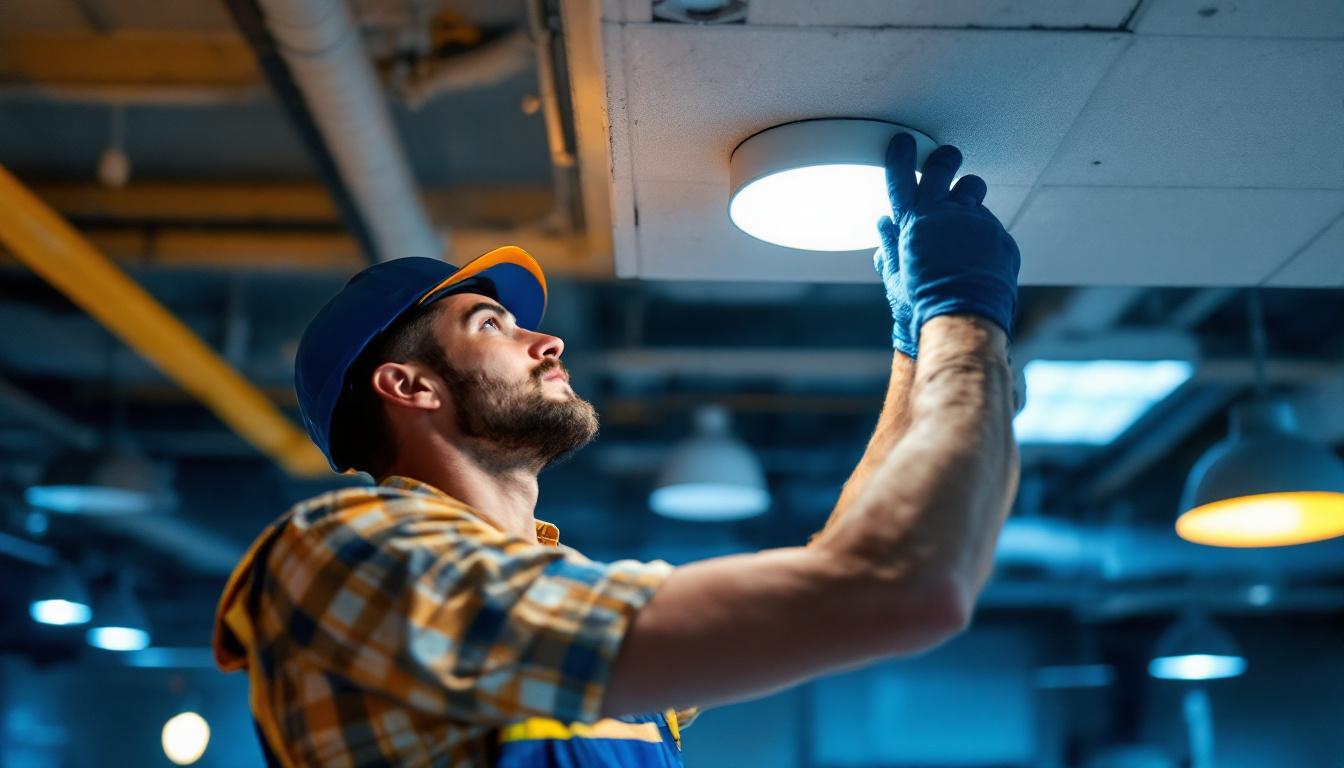
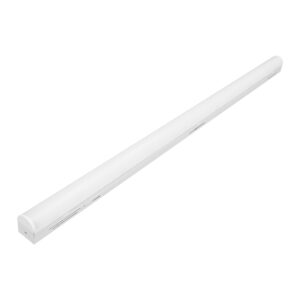
Lighting contractors play a crucial role in shaping the ambiance and functionality of interior spaces. When working with ceiling fabrications—commonly referred to as ceiling fabs—the complexity of installation and integration often increases significantly. Ceiling fabs, which include suspended ceilings, acoustic panels, and custom ceiling designs, present unique challenges that require specialized knowledge, precision, and adaptability. Understanding these challenges is essential for lighting contractors aiming to deliver high-quality, efficient, and aesthetically pleasing lighting solutions.
Understanding the Complexity of Ceiling Fabrications
Ceiling fabs are more than just structural elements; they are integral to the overall design and acoustic performance of a space. These systems often involve intricate frameworks, varying materials, and customized shapes that can complicate lighting installation. The interaction between lighting fixtures and ceiling fabs must be carefully managed to ensure both functional illumination and visual harmony.
Lighting contractors must navigate a variety of ceiling types, including grid ceilings, stretch ceilings, and decorative panels, each with its own installation requirements and limitations. For example, suspended ceilings may restrict fixture size and weight, while stretch ceilings require careful consideration of heat dissipation and fixture mounting methods.
Material Compatibility and Fixture Selection
One of the primary challenges is selecting lighting fixtures compatible with the materials used in ceiling fabs. Certain materials, such as fabric or lightweight composites, may not support heavy fixtures or require specialized mounting hardware. Additionally, some ceiling materials are sensitive to heat, necessitating the use of low-heat or LED lighting solutions to prevent damage or deformation.
Understanding the thermal properties and load-bearing capacity of ceiling fabs is essential to avoid costly mistakes. For instance, installing traditional incandescent fixtures in a stretch ceiling environment could lead to warping or discoloration, undermining both aesthetics and safety.
Moreover, the choice of lighting fixtures is not solely a matter of compatibility; it also involves considering the desired ambiance and functionality of the space. For example, in commercial settings, where productivity and focus are paramount, fixtures that provide bright, even illumination are often preferred. In contrast, residential spaces may benefit from softer, more diffuse lighting that enhances comfort and warmth. This nuanced approach requires lighting designers to collaborate closely with architects and interior designers to achieve a cohesive vision that aligns with the overall design intent.
Additionally, the integration of smart lighting technologies into ceiling fabrications is becoming increasingly popular, allowing for dynamic control over light levels and color temperatures. This not only enhances the user experience but also contributes to energy efficiency by enabling tailored lighting solutions that adapt to the needs of the occupants. As such, staying abreast of the latest advancements in lighting technology and materials is crucial for contractors aiming to deliver innovative and sustainable solutions in ceiling fabrication projects.
Coordination with Other Trades and Project Stakeholders
Lighting contractors rarely work in isolation, especially on projects involving complex ceiling fabs. Coordination with architects, ceiling fabricators, HVAC installers, and electrical teams is vital to ensure seamless integration of lighting systems. This collaboration not only enhances the aesthetic appeal of the space but also ensures that all systems function harmoniously, contributing to the overall efficiency of the building.
Scheduling and Sequencing Challenges
One of the most common issues is aligning the installation schedule of lighting fixtures with the construction or fabrication of the ceiling itself. Delays in ceiling fabrication can cascade into lighting installation setbacks, affecting overall project timelines. Conversely, premature lighting installation can result in damage or the need for rework if ceiling fabs are not yet finalized. These scheduling conflicts can lead to increased labor costs and strained relationships among project stakeholders, making effective coordination essential.
Effective communication and project management tools are indispensable for lighting contractors to navigate these scheduling complexities. Utilizing Building Information Modeling (BIM) can facilitate better visualization and coordination, reducing conflicts and errors. Additionally, regular coordination meetings among all trades can help identify potential scheduling conflicts early, allowing teams to adjust their timelines proactively and maintain project momentum.
Design Changes and On-Site Adjustments
Design modifications during construction are frequent, especially with custom ceiling fabs. Lighting contractors must be prepared to adapt quickly to changes in ceiling height, panel dimensions, or fixture placement. This flexibility requires not only technical expertise but also a proactive approach to problem-solving and client communication. Maintaining an open line of dialogue with architects and designers can help ensure that any design changes are communicated swiftly, minimizing the risk of misalignment.
For example, a last-minute decision to add acoustic panels may necessitate repositioning recessed lighting or switching to alternative fixture types. Contractors who anticipate such changes and maintain a versatile inventory of fixtures and mounting solutions can mitigate delays and cost overruns. Furthermore, having a skilled team that is adept at on-site adjustments can significantly enhance the adaptability of the project, allowing for quick resolutions to unforeseen challenges. This adaptability not only saves time but also reinforces the contractor’s reputation for reliability and professionalism, fostering long-term relationships with clients and stakeholders alike.
Technical Challenges in Installation and Maintenance
Installing lighting in ceiling fabs demands precision and adherence to safety standards. The technical challenges range from physical access issues to electrical considerations and long-term maintenance planning.
Limited Access and Working Space
Ceiling fabs often restrict physical access, making fixture installation and wiring more difficult. Tight spaces above suspended ceilings or behind decorative panels can limit maneuverability and visibility, increasing the risk of installation errors or damage to ceiling materials.
Lighting contractors must employ specialized tools such as flexible conduit rods, compact wiring devices, and remote-controlled inspection cameras to navigate these constraints effectively. Additionally, safety protocols must be strictly followed to prevent accidents when working in confined or elevated spaces.
Electrical Integration and Compliance
Integrating lighting systems into ceiling fabs requires careful attention to electrical codes and standards. This includes ensuring proper grounding, circuit protection, and compatibility with building automation systems. Lighting contractors must also consider energy efficiency requirements, which are increasingly stringent in commercial and institutional projects.
Failure to comply with electrical regulations can result in costly rework, project delays, or safety hazards. Staying up-to-date with the latest codes and leveraging advanced lighting control technologies—such as occupancy sensors and dimming systems—can enhance both compliance and energy savings.
Maintenance Accessibility and Longevity
Ceiling fabs can complicate routine maintenance of lighting fixtures. Difficult access may increase labor costs and downtime when replacing bulbs, cleaning fixtures, or performing electrical inspections. Contractors should advise clients on maintenance-friendly fixture options and ceiling designs that facilitate easier access.
Moreover, selecting durable, long-lasting lighting solutions—such as LED fixtures with extended lifespans—can reduce maintenance frequency and improve overall system reliability. Proactive maintenance planning is essential to preserve the integrity of both lighting systems and ceiling fabs over time.
Balancing Aesthetics and Functionality
The ultimate goal of lighting contractors working with ceiling fabs is to achieve a balance between aesthetic appeal and functional performance. This balance is often challenging due to the competing demands of design vision, technical constraints, and budget considerations.
Achieving Uniform Illumination
Ceiling fabs with irregular shapes or varying heights can create shadows and uneven lighting if not carefully planned. Lighting contractors must employ advanced photometric analysis and simulation tools to design layouts that provide consistent illumination across the space.
Using adjustable fixtures, layered lighting schemes, and complementary light sources can help mitigate the challenges posed by complex ceiling geometries. This approach enhances visual comfort and accentuates architectural features without compromising energy efficiency.
Integrating Lighting with Ceiling Design Elements
Modern ceiling fabs often incorporate artistic or architectural elements such as curves, textures, and color variations. Lighting contractors must collaborate closely with designers to ensure that lighting fixtures complement these features rather than detract from them.
For example, integrating linear LED strips along curved ceiling panels can highlight their form and create dynamic visual effects. Conversely, poorly placed fixtures can cast unwanted shadows or glare, diminishing the overall design impact.
Emerging Trends and Technologies Impacting Ceiling Fab Lighting
The lighting industry is continuously evolving, with new technologies and trends influencing how contractors approach ceiling fab projects. Staying informed about these developments is critical for maintaining competitiveness and delivering state-of-the-art solutions.
Smart Lighting and IoT Integration
Smart lighting systems that integrate with Internet of Things (IoT) platforms allow for enhanced control, energy management, and user customization. These systems can adapt lighting levels based on occupancy, daylight availability, or user preferences, improving both comfort and efficiency.
Lighting contractors must understand how to incorporate smart controls within ceiling fabs without compromising structural integrity or aesthetics. This may involve coordinating with IT professionals and ensuring compatibility with building management systems.
Sustainable and Energy-Efficient Solutions
Environmental considerations are increasingly shaping lighting design and installation. Energy-efficient LED fixtures, recyclable materials, and low-impact manufacturing processes are becoming standard expectations.
Lighting contractors should prioritize sustainable practices when working with ceiling fabs, such as selecting fixtures with high efficacy ratings and low heat output. Additionally, incorporating daylight harvesting and adaptive lighting controls can significantly reduce energy consumption.
Advancements in Fixture Design and Materials
Innovations in fixture design, including ultra-thin profiles, flexible form factors, and advanced optics, enable more creative and functional lighting solutions for complex ceiling fabs. Materials such as lightweight composites and heat-resistant polymers expand the possibilities for integration without compromising performance.
Keeping abreast of these advancements allows lighting contractors to recommend cutting-edge products that meet client demands for both style and functionality.
Conclusion
Ceiling fabrications present a unique set of challenges for lighting contractors, encompassing technical complexities, coordination demands, and aesthetic considerations. Successfully navigating these challenges requires a comprehensive understanding of ceiling materials, precise planning, effective communication with other trades, and a commitment to quality and innovation.
By embracing emerging technologies, adhering to best practices, and maintaining flexibility in design and execution, lighting contractors can overcome the obstacles posed by ceiling fabs and deliver exceptional lighting solutions that enhance both the beauty and functionality of interior spaces.
Get Your Lighting Solutions from LumenWholesale
Ready to tackle the complexities of ceiling fabs with confidence? At LumenWholesale, we support your commitment to quality and innovation by providing spec-grade lighting products at unbeatable wholesale prices. Our extensive selection is designed to meet the highest industry standards, ensuring you have access to reliable and high-performance lighting for every project. Plus, with free shipping on bulk orders, you can secure premium lighting solutions at the best value — without hidden fees or compromises. Elevate your lighting projects and experience the perfect blend of quality, affordability, and convenience. Visit LumenWholesale today for Wholesale Lighting at the Best Value.