Introduction to 8Ft Tube Lights in Commercial and Industrial Projects
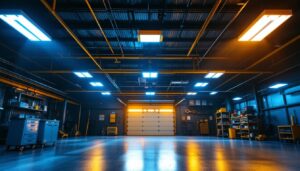
For lighting contractors, selecting the right fixtures is crucial for delivering efficient, reliable, and cost-effective lighting solutions. Among the various options, 8ft tube lights remain a staple in commercial, industrial, and large-scale residential projects. Their length and design make them ideal for illuminating expansive areas such as warehouses, factories, retail spaces, and office buildings. The extended reach of these fixtures allows for fewer units to be installed, which not only reduces initial setup costs but also simplifies maintenance and replacement procedures over time.
Understanding the nuances of 8ft tube lights—from their types and specifications to installation and maintenance—is essential for contractors aiming to meet client expectations while optimizing energy consumption and longevity. This checklist serves as a comprehensive guide to help lighting professionals navigate the complexities of specifying, installing, and maintaining 8ft tube lights. Additionally, it is important to consider the advancements in LED technology, which have dramatically improved the efficiency and lifespan of tube lights. Modern LED 8ft tubes can offer significant energy savings compared to traditional fluorescent options, often consuming up to 50% less energy while providing superior brightness and color rendering. This shift not only benefits the environment but also helps businesses reduce their operational costs significantly.
Moreover, the versatility of 8ft tube lights allows them to be used in various applications beyond just general illumination. For instance, they can be integrated into smart lighting systems that adjust brightness based on occupancy or natural light levels, enhancing both energy efficiency and user comfort. Additionally, with options for different color temperatures, contractors can tailor the lighting to suit specific tasks or atmospheres, whether it’s the warm glow needed in a retail setting to create an inviting atmosphere or the bright, cool light preferred in industrial environments for optimal visibility and safety. Understanding these options empowers lighting professionals to provide customized solutions that not only meet regulatory standards but also enhance the overall functionality and aesthetic of the spaces they illuminate.
Types of 8Ft Tube Lights and Their Applications
Fluorescent vs. LED Tube Lights
Traditionally, 8ft tube lights have been fluorescent, using mercury vapor and phosphor coatings to produce light. However, the industry has seen a significant shift toward LED technology, which offers superior energy efficiency, longer lifespan, and better environmental safety. This transition is not merely a trend; it represents a fundamental change in how we approach lighting solutions in both residential and commercial settings.
Fluorescent tubes typically consume more power and have shorter lifespans—often around 20,000 hours—compared to LED tubes, which can last upwards of 50,000 hours. Additionally, LEDs provide instant-on lighting without flicker, which is a common issue with fluorescent tubes. For contractors, this means fewer maintenance calls and higher client satisfaction. Furthermore, the reduced heat output of LED tubes can also contribute to lower cooling costs in commercial spaces, making them an even more attractive option for businesses looking to cut operational expenses.
Single-Ended vs. Double-Ended LED Tubes
When upgrading or installing LED 8ft tubes, understanding the difference between single-ended and double-ended tubes is vital. Single-ended tubes receive power from one end only, requiring rewiring of existing fixtures to ensure safety and compatibility. Double-ended tubes, on the other hand, power both ends and often allow for easier retrofitting without rewiring. This flexibility can be particularly beneficial in facilities where time and labor costs are critical factors in project planning.
Choosing the appropriate type depends on the existing infrastructure and client preferences. Contractors should evaluate the ease of installation, safety standards, and cost implications before making a recommendation. Additionally, they should consider the specific lighting needs of the space—such as brightness, color temperature, and the intended use of the area—since these factors can significantly influence the overall effectiveness of the lighting solution. For example, a warehouse may require high-lumen output for visibility, while an office space might benefit from softer, warmer lighting to enhance comfort and productivity.
Key Specifications to Consider When Selecting 8Ft Tube Lights
Luminous Output and Color Temperature
Luminous output, measured in lumens, determines how bright the tube light will be. For large commercial spaces, 8ft tube lights typically range from 3,000 to 5,000 lumens. Selecting the right brightness level is essential to avoid over-illumination, which wastes energy, or under-illumination, which can compromise safety and productivity. It’s crucial to assess the specific needs of the space; for instance, warehouses may require higher lumens for safety during nighttime operations, while office spaces might benefit from softer lighting to reduce eye strain during long work hours.
Color temperature, measured in Kelvins (K), affects the ambiance and functionality of a space. Cooler temperatures (4000K to 5000K) are often preferred in work environments for their crisp, daylight-like quality, enhancing alertness and visibility. Warmer temperatures (2700K to 3500K) might be suitable for retail or hospitality settings where a softer, inviting atmosphere is desired. Understanding the psychological effects of color temperature can also play a significant role in how employees and customers perceive a space. For example, cooler lights can stimulate productivity, while warmer lights can create a sense of comfort and relaxation.
CRI (Color Rendering Index)
The CRI indicates how accurately a light source reveals the colors of objects compared to natural light. For commercial and industrial applications, a CRI of 80 or higher is generally recommended to ensure colors appear vibrant and true. This is particularly important in retail environments, manufacturing quality control, and healthcare facilities. A high CRI can enhance the shopping experience by making products appear more appealing, while in healthcare, accurate color rendering can be critical for diagnostics and patient care.
Energy Efficiency and Power Consumption
Energy efficiency is a top priority for contractors and clients alike. LED 8ft tube lights typically consume between 30 to 50 watts, significantly less than their fluorescent counterparts, which can require 60 watts or more. Choosing energy-efficient tubes contributes to lower operational costs and aligns with sustainability goals. Moreover, many municipalities offer incentives for businesses that adopt energy-efficient lighting solutions, further reducing the initial investment costs.
Additionally, many LED tubes are compatible with dimming controls and smart lighting systems, offering further energy savings and customization options. This flexibility allows businesses to adjust lighting levels based on occupancy or time of day, optimizing energy use without sacrificing comfort. Furthermore, integrating smart technology can enhance security and convenience, enabling remote control of lighting systems and integration with other building management systems for a holistic approach to energy efficiency.
Installation Checklist for Lighting Contractors
Pre-Installation Assessment
Before installation, conduct a thorough site survey to assess the existing lighting infrastructure, ceiling height, wiring conditions, and mounting options. Confirm that the fixtures and tubes are suitable for the environment, considering factors such as moisture, dust, and temperature extremes. Understanding the layout of the space is crucial; for instance, in commercial settings, consider the activities that will take place in the area, as different tasks may require varying light levels to enhance productivity and comfort.
Verify compliance with local electrical codes and safety standards. This step helps prevent costly rework and ensures the longevity and safety of the lighting system. Additionally, it’s beneficial to engage with the client during this phase to discuss their specific lighting needs and preferences, which can lead to a more tailored solution that enhances both functionality and aesthetics.
Fixture Compatibility and Ballast Considerations
When retrofitting fluorescent fixtures with LED tubes, ballast compatibility is a critical factor. Some LED tubes are designed to work with existing ballasts (plug-and-play), while others require ballast bypass (direct wire) installations. Each method has pros and cons regarding installation complexity, cost, and reliability. Understanding the differences between these options can help contractors make informed decisions that align with the client’s budget and project timeline.
Contractors should consult manufacturer guidelines and test fixtures to avoid issues such as flickering, reduced lifespan, or safety hazards. It may also be advantageous to keep abreast of the latest advancements in LED technology, as new products frequently enter the market, offering improved energy efficiency and performance. This knowledge can provide contractors with a competitive edge and ensure clients receive the best solutions available.
Proper Wiring and Safety Protocols
Ensure all wiring is done according to electrical codes, using appropriate gauge wires and secure connections. For direct wire LED tubes, disconnect or remove ballasts to prevent electrical interference and potential failures. It is also essential to check for any signs of wear or damage in the existing wiring, as this could pose safety risks and affect the overall performance of the new lighting system.
Safety is paramount—use insulated tools, verify power is off before working, and wear protective equipment. Document all wiring changes for future maintenance and client records. Additionally, consider implementing a checklist for safety protocols that can be reviewed with the installation team before starting work. This practice not only reinforces safety measures but also fosters a culture of accountability and diligence among all team members, ensuring a smoother installation process overall.
Maintenance and Troubleshooting Tips for 8Ft Tube Lights
Routine Inspection and Cleaning
Regular maintenance extends the life of tube lights and maintains optimal illumination levels. Schedule inspections to check for flickering, dimming, or physical damage. Clean tubes and fixtures periodically to remove dust and debris that can reduce light output.
Use non-abrasive cloths and appropriate cleaning agents to avoid damaging the tubes or fixtures.
Common Issues and Solutions
Flickering lights can result from ballast failure, loose wiring, or incompatible tubes. Troubleshoot by testing the fixture with a known working tube, inspecting wiring connections, and verifying ballast condition.
Dim or non-functioning tubes may indicate end-of-life or electrical faults. Replace tubes promptly and check for underlying wiring issues to prevent recurrence.
Energy Codes and Regulatory Compliance
Lighting contractors must stay informed about energy codes and standards such as ASHRAE 90.1, IECC, and local building codes that regulate lighting efficiency and controls. Compliance ensures projects qualify for rebates and incentives, reduces liability, and supports sustainable building practices.
Documentation of installed products, energy calculations, and control strategies is often required during inspections and certifications.
Conclusion: Delivering Value with 8Ft Tube Lights
Mastering the selection, installation, and maintenance of 8ft tube lights empowers lighting contractors to provide superior lighting solutions that balance performance, cost, and sustainability. By following this checklist, contractors can enhance project outcomes, reduce callbacks, and build lasting client relationships.
As lighting technology continues to evolve, staying current with product innovations and industry standards will ensure contractors remain competitive and deliver the best possible results for their clients.
Get Your Premium 8Ft Tube Lights at LumenWholesale
Ready to elevate your lighting projects with the best 8ft tube lights on the market? Look no further than LumenWholesale, where we provide contractors with high-quality, specification-grade lighting products at unbeatable wholesale prices. Say goodbye to local distributor markups and hello to our extensive selection that meets the highest industry standards. With LumenWholesale, you can count on reliable, high-performance lighting for every project. Plus, our hassle-free bulk buying with free shipping means you get premium lighting at the best value — without hidden fees or compromises. Don’t miss out on the perfect blend of quality, affordability, and convenience. Wholesale Lighting at the Best Value is just a click away!