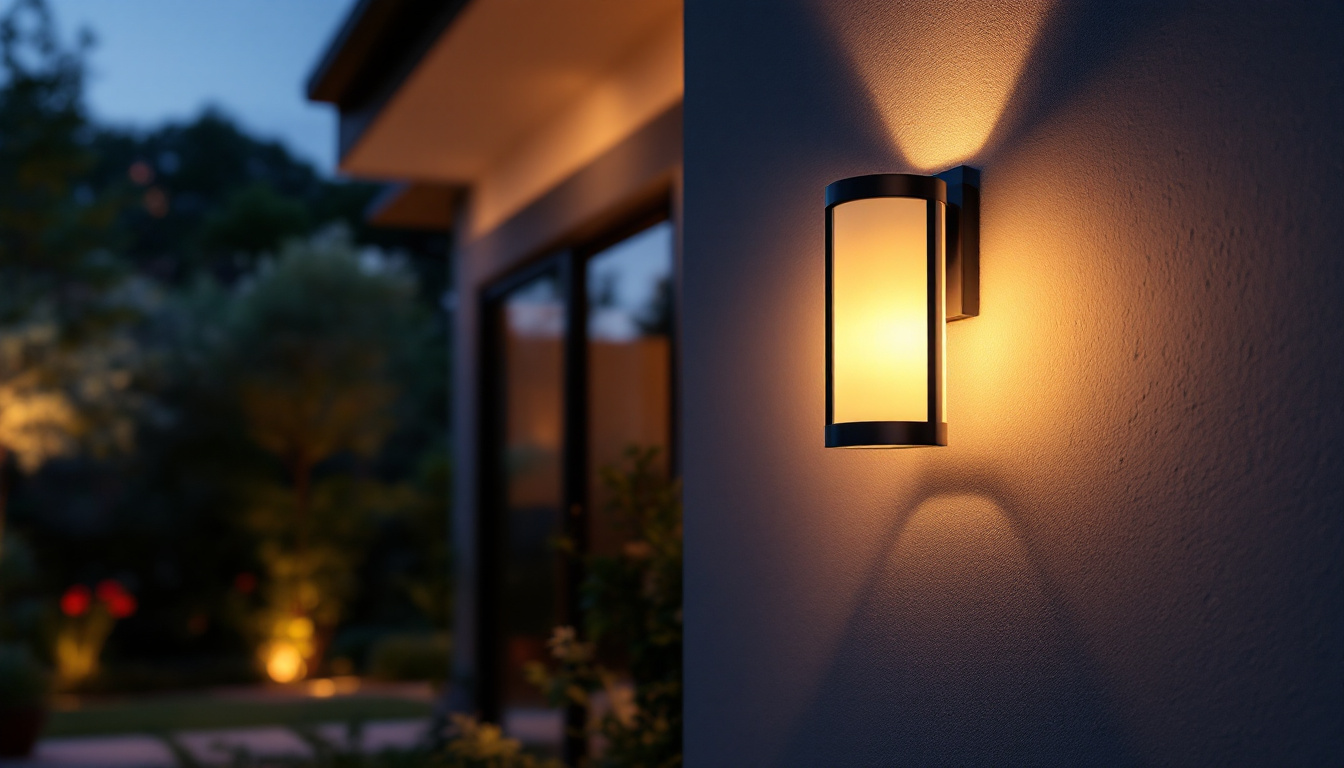
Introduction to Colored Landscape Lighting
Colored landscape lighting has become an essential tool for lighting contractors aiming to transform outdoor spaces into vibrant, dynamic environments. Beyond mere illumination, colored lighting adds depth, mood, and character to gardens, pathways, architectural features, and water elements. For contractors, mastering the art and science of colored landscape lighting is not only about aesthetics but also about functionality, energy efficiency, and client satisfaction.
In this article, we explore proven methods tailored for lighting contractors seeking to enhance their expertise in colored landscape lighting. From understanding color theory and selecting the right fixtures to integrating smart controls and ensuring durability, these insights will help professionals deliver outstanding results in any outdoor project.
Understanding the psychological effects of color can significantly influence how a space is perceived. For instance, warm colors like reds and oranges can create an inviting and cozy atmosphere, making them ideal for entertaining areas or patios. In contrast, cooler colors such as blues and greens can evoke feelings of tranquility and relaxation, perfect for garden spaces or near water features. By strategically employing these colors, contractors can not only highlight the natural beauty of the landscape but also enhance the emotional experience of those who inhabit the space.
Moreover, the integration of smart lighting technology has revolutionized the way colored landscape lighting is implemented. With the ability to control colors, brightness, and schedules via mobile apps or voice commands, contractors can offer clients a customizable lighting experience. This not only adds convenience but also allows for dynamic changes in ambiance that can adapt to different occasions, from festive gatherings to quiet evenings. By staying abreast of the latest advancements in smart lighting, contractors can provide innovative solutions that meet the evolving needs of their clients while ensuring energy efficiency and sustainability.
Understanding the Fundamentals of Colored Landscape Lighting
The Importance of Color Theory in Landscape Lighting
Color theory is the foundation of effective colored lighting design. Lighting contractors must grasp how different colors interact with natural and artificial elements in the landscape. Warm colors like amber, red, and orange evoke feelings of warmth and intimacy, making them ideal for seating areas or cozy garden nooks. Cooler hues such as blue, green, and violet can create calm, serene atmospheres, perfect for water features or shaded spaces.
Moreover, the psychological impact of color should not be underestimated. For example, blue lighting can reduce stress and promote relaxation, which is why it is often used in spa or meditation garden settings. Conversely, red lighting can stimulate energy and excitement, useful in entertainment or event spaces. Contractors who understand these nuances can tailor lighting schemes to client needs and intended space usage. Additionally, the strategic use of color can highlight specific features within a landscape, such as illuminating a vibrant flower bed or accentuating the texture of a stone wall, thereby enhancing the overall aesthetic appeal of the outdoor environment.
Furthermore, the interplay of colors can create dynamic visual experiences throughout different times of the day and seasons. For instance, as dusk falls, the transition from daylight to artificial lighting can be enhanced by gradually introducing colored lights, allowing the landscape to evolve and reveal new depths and textures. This thoughtful approach not only captivates the viewer but also encourages them to explore the space more intimately, fostering a deeper connection with the environment.
Color Temperature and Its Role in Outdoor Lighting
Color temperature, measured in Kelvins (K), refers to the warmth or coolness of white light but also influences how colored lighting is perceived. Combining colored LEDs with appropriate white light temperatures can enhance overall visual appeal. For instance, pairing a soft white light (2700K-3000K) with subtle amber or red accents can create a welcoming ambiance. On the other hand, cooler white lights (4000K-5000K) work well with blues and greens to emphasize modern or minimalist designs.
Lighting contractors should consider how color temperature interacts with colored LEDs to avoid clashes or visual discomfort. Testing different combinations onsite before final installation ensures the best harmony between colors and surroundings. Additionally, the choice of fixtures can also affect the perceived color temperature; for example, fixtures with a warm finish can soften the light emitted, further enhancing the desired atmosphere. This attention to detail not only improves the aesthetic quality of the lighting but also ensures that the colors remain true to their intended emotional impact.
Moreover, the use of dimmable lighting options can provide flexibility in adjusting both brightness and color temperature throughout the evening. As the night progresses, the ability to shift from a brighter, cooler light to a softer, warmer glow can create an inviting environment for gatherings or quiet evenings spent outdoors. This adaptability allows homeowners to curate their outdoor spaces for various occasions, making colored landscape lighting not just a design element, but a versatile tool for enhancing lifestyle and enjoyment in the garden.
Choosing the Right Fixtures and Technologies
LEDs: The Backbone of Colored Landscape Lighting
Light Emitting Diodes (LEDs) have revolutionized landscape lighting due to their energy efficiency, longevity, and versatility. For colored lighting, LEDs offer precise color control, allowing contractors to select from millions of hues and adjust brightness levels seamlessly. Unlike traditional colored filters or gels, LEDs maintain consistent color output without fading over time.
Modern RGB (Red, Green, Blue) and RGBW (Red, Green, Blue, White) LED fixtures enable dynamic color mixing, giving contractors the flexibility to create custom palettes tailored to each project. Additionally, LEDs generate minimal heat, reducing risks to plants and materials in the landscape.
Fixture Types and Placement Strategies
Selecting the appropriate fixture type is crucial for achieving desired lighting effects. Common options include:
- Spotlights: Ideal for highlighting specific features like trees, sculptures, or architectural details with focused colored beams.
- Floodlights: Provide broad coverage for larger areas such as lawns or garden walls, useful for ambient colored washes.
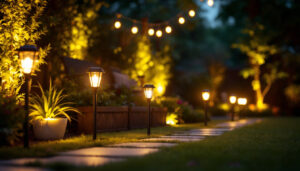
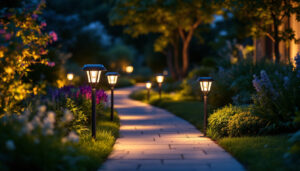
- Path Lights: Enhance safety and guide movement with subtle colored accents along walkways and driveways.
- Underwater Lights: Designed for ponds, fountains, and pools, these fixtures add dramatic colored effects beneath the water surface.
Proper fixture placement ensures balanced illumination without glare or harsh shadows. Contractors should perform thorough site assessments, considering plant growth, sightlines, and potential obstructions. Layering different fixture types can create depth and dimension, enriching the overall landscape experience.
Advanced Control Systems for Dynamic Lighting Effects
Smart Lighting Controls and Automation
Integrating smart control systems has become a game-changer for lighting contractors working with colored landscape lighting. These systems allow for remote operation, scheduling, and scene setting through mobile apps or centralized control panels. Clients can customize lighting moods for different occasions, from festive celebrations to quiet evenings.
Advanced controllers support DMX and DALI protocols, enabling precise management of color transitions, fades, and intensity changes. This level of control enhances creativity and client engagement, while also optimizing energy usage by turning lights off or dimming them when not needed.
Synchronization with Music and Events
For entertainment venues, hospitality spaces, or private residences hosting events, colored landscape lighting synchronized with music or programmed sequences adds an immersive sensory experience. Contractors can implement systems that respond to audio cues, changing colors and patterns in real-time to match rhythms and moods.
This approach not only elevates the atmosphere but also showcases the contractor’s technical expertise, opening doors to lucrative projects requiring high-end, interactive lighting solutions.
Ensuring Durability and Sustainability in Outdoor Colored Lighting
Weatherproofing and Material Selection
Outdoor lighting fixtures must withstand harsh environmental conditions such as rain, wind, temperature fluctuations, and UV exposure. Lighting contractors should prioritize fixtures with high Ingress Protection (IP) ratings, typically IP65 or above, to ensure resistance against dust and water ingress.
Materials like marine-grade stainless steel, powder-coated aluminum, and impact-resistant polycarbonate lenses contribute to fixture longevity. Proper sealing and cable management further protect electrical components from corrosion and damage.
Energy Efficiency and Environmental Considerations
Energy-efficient colored lighting not only reduces operational costs but also aligns with growing environmental awareness among clients. LEDs inherently consume less power than traditional lighting, and when combined with smart controls, energy savings can be maximized.
Additionally, contractors should consider the ecological impact of lighting on local wildlife. Excessive or poorly directed colored lighting can disrupt nocturnal animals and insect behavior. Using warm-colored LEDs and shielding fixtures to minimize light spill helps mitigate these effects, promoting sustainable landscape lighting practices.
Practical Tips for Lighting Contractors Implementing Colored Landscape Lighting
Conduct Comprehensive Site Analysis
Before designing a colored lighting scheme, contractors must thoroughly analyze the site’s topography, vegetation, architectural elements, and existing lighting conditions. Understanding these factors allows for strategic fixture placement and color selection that complements the natural environment.
Collaborate Closely with Clients
Effective communication with clients is vital to align lighting designs with their vision and functional needs. Presenting color samples, mockups, or digital renderings can help clients visualize the final outcome and make informed decisions.
Perform Onsite Testing and Adjustments
Lighting effects can appear differently depending on ambient conditions and viewer perspectives. Contractors should conduct onsite testing during various times of day and adjust color intensity, angles, and fixture positions accordingly to achieve optimal results.
Stay Updated with Industry Trends and Technologies
The landscape lighting industry evolves rapidly, with new products and control systems emerging regularly. Contractors committed to continuous learning and adaptation will maintain a competitive edge and deliver cutting-edge solutions.
Case Studies: Successful Colored Landscape Lighting Projects
Urban Park Revitalization with Dynamic Colored Lighting
In a recent urban park renovation, lighting contractors implemented a combination of RGBW floodlights and spotlights to highlight walking paths, sculptures, and water features. The use of programmable controllers allowed the park to host seasonal light shows and community events with synchronized color themes. This project not only enhanced public safety but also increased park visitation by 30%, demonstrating the power of colored lighting in public spaces.
Luxury Residential Garden with Subtle Colored Accents
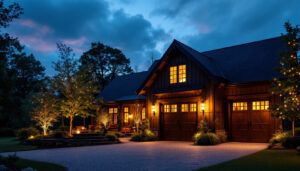
A luxury residential project incorporated warm amber and soft green LED accents to emphasize mature trees and flowering shrubs. The lighting scheme was designed to blend seamlessly with the natural environment, creating an inviting and tranquil outdoor living space. The use of low-voltage, energy-efficient fixtures coupled with smart controls provided the homeowners with easy customization options and minimal maintenance.
Conclusion
Colored landscape lighting offers lighting contractors a versatile and impactful way to enhance outdoor spaces. By understanding color theory, selecting the right fixtures, integrating advanced controls, and prioritizing durability and sustainability, professionals can deliver lighting solutions that are both beautiful and functional.
As client expectations evolve and technology advances, contractors who embrace these proven methods will not only improve project outcomes but also strengthen their reputation as experts in the field of colored landscape lighting.
Illuminate Your Projects with LumenWholesale
Ready to elevate your colored landscape lighting projects with the finest products on the market? Look no further than LumenWholesale. We provide lighting contractors with exceptional, spec-grade lighting solutions at prices that can’t be beaten. Our commitment to quality and affordability means you can access a wide range of industry-standard lighting without the extra costs. Plus, with the convenience of free shipping on bulk orders, you can focus on creating stunning outdoor spaces without worrying about overheads. Don’t compromise on quality or value—choose LumenWholesale for Wholesale Lighting at the Best Value and make your lighting projects shine.