Understanding the Integration of Electrical Outlets with Lighting
In the evolving landscape of residential and commercial electrical installations, the integration of electrical outlets with lighting fixtures has become increasingly prevalent. This combination offers both functional and aesthetic benefits, providing convenience and enhancing ambient lighting in various spaces. For lighting contractors, mastering the installation and troubleshooting of electrical outlets with integrated lighting is essential to meet client demands and maintain safety standards.
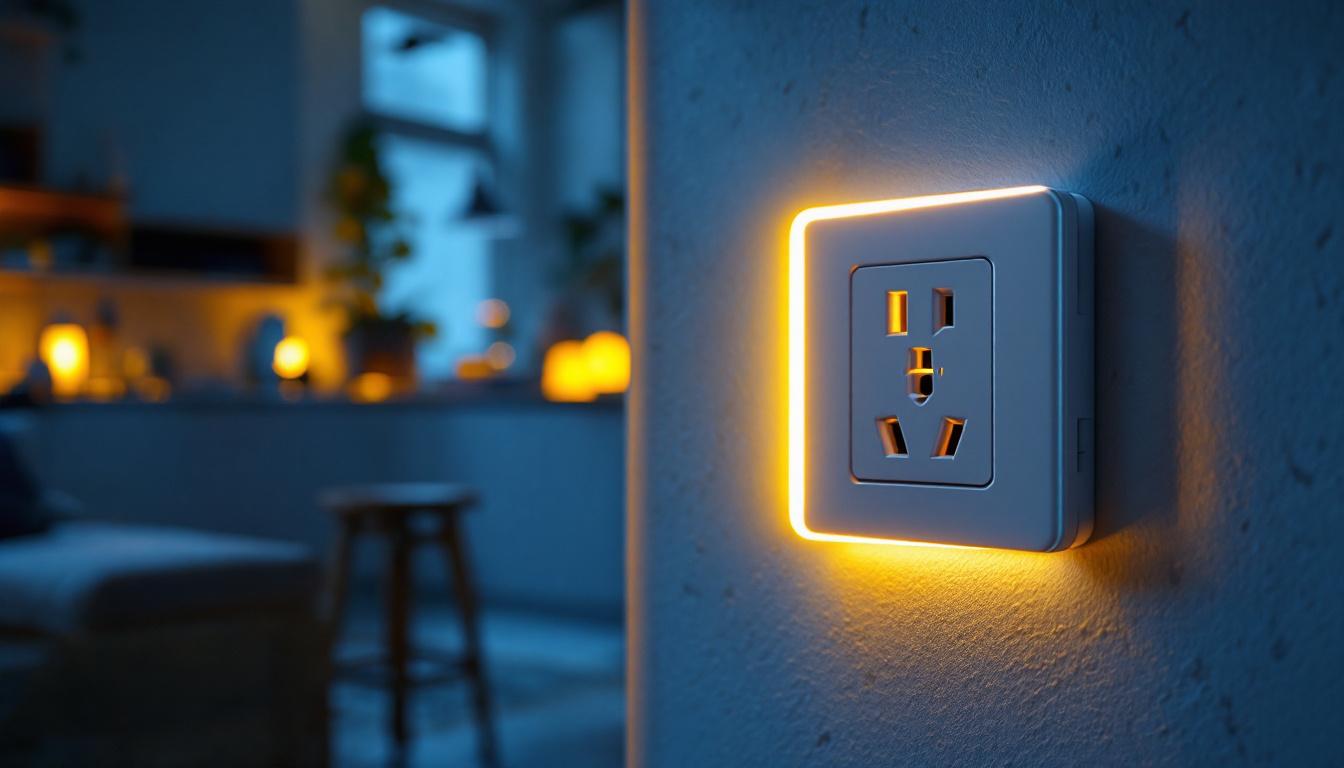
The concept involves embedding a light source directly into or around an electrical outlet, often serving as a nightlight, indicator, or accent light. These integrated units can range from simple LED nightlights to more sophisticated smart outlets that adjust lighting based on ambient conditions or user preferences. Understanding the technical and regulatory nuances of these systems is critical for contractors aiming to deliver reliable and code-compliant installations.
Why Electrical Outlets with Light Are Gaining Popularity
Several factors contribute to the rising demand for electrical outlets with integrated lighting. Homeowners and businesses alike appreciate the added safety and convenience, especially in low-light environments such as hallways, bedrooms, kitchens, and garages. The subtle illumination helps prevent accidents by providing visibility without the need for full overhead lighting.
From a design perspective, these outlets contribute to a cleaner, more modern aesthetic by reducing the need for additional fixtures. Moreover, with the increasing adoption of smart home technologies, outlets with integrated lighting often come equipped with features such as motion sensors, dimming capabilities, and connectivity to home automation systems, further enhancing their appeal.
Additionally, the energy efficiency of integrated lighting solutions cannot be overlooked. Many of these systems utilize LED technology, which consumes significantly less power than traditional incandescent bulbs, thus reducing electricity bills and minimizing environmental impact. This aspect aligns with the growing trend towards sustainability in home and business design, where energy-efficient solutions are not just preferred but often expected. Furthermore, the longevity of LED lights means less frequent replacements, contributing to lower maintenance costs over time.
Another compelling reason for the popularity of these integrated systems is their versatility. They can be installed in a variety of settings—from residential homes and office spaces to retail environments—adapting to different design themes and functional requirements. For instance, in a retail space, strategically placed outlets with lighting can highlight products or create inviting pathways, enhancing the overall shopping experience. This adaptability makes them an attractive option for designers and contractors looking to meet diverse client needs while adhering to modern aesthetic standards.
Common Challenges Faced by Lighting Contractors
Despite the benefits, integrating electrical outlets with lighting presents several challenges for lighting contractors. These challenges range from technical complexities to compliance with electrical codes and client expectations. Recognizing and addressing these issues is vital to ensure successful project outcomes.
Technical Complexity and Compatibility Issues
One of the primary challenges is ensuring compatibility between the outlet’s electrical requirements and the lighting components. Integrated lighting often requires low-voltage power or specific wiring configurations that differ from standard outlet installations. Contractors must be adept at interpreting wiring diagrams and specifications to avoid miswiring, which can lead to malfunction or safety hazards.
Additionally, retrofitting existing outlets with lighting can be complicated by limited space within electrical boxes or the absence of neutral wires, which are necessary for many LED lighting systems. These constraints require contractors to employ creative solutions, such as using specialized slim-profile outlets or installing supplemental wiring, to accommodate the integrated lighting.
Adhering to Electrical Codes and Safety Standards
Compliance with local and national electrical codes is non-negotiable. Integrated electrical outlets with lighting must meet specific requirements regarding grounding, circuit protection, and installation methods. Lighting contractors must stay current with the National Electrical Code (NEC) and any regional amendments to ensure that installations are safe and pass inspections.
Failure to comply can result in costly rework, liability issues, and compromised safety for end-users. For example, the NEC mandates that outlets installed in damp or wet locations have appropriate weatherproofing and that lighting components do not pose a fire risk. Contractors must also verify that the integrated lighting does not exceed the outlet’s rated capacity.
Client Expectations and Customization Demands
Clients increasingly seek customized solutions that blend functionality with design aesthetics. This demand can introduce challenges related to sourcing compatible products, managing costs, and coordinating with other trades such as interior designers and electricians. Lighting contractors must communicate effectively with clients to set realistic expectations and provide expert recommendations.
Moreover, integrating smart technology features requires contractors to possess knowledge of networking, programming, and troubleshooting connected devices. The ability to offer comprehensive solutions that include installation, configuration, and ongoing support can distinguish contractors in a competitive market.
Strategies for Overcoming Installation Challenges
Successfully navigating the complexities of electrical outlets with integrated lighting involves a combination of technical expertise, proactive planning, and effective communication. The following strategies can help lighting contractors overcome common obstacles and deliver high-quality installations.
Thorough Pre-Installation Assessment
Before commencing any work, conducting a detailed assessment of the installation site is crucial. This includes evaluating the existing wiring infrastructure, electrical load capacity, and physical space constraints. Identifying potential issues such as the absence of neutral wires or limited box depth early on allows contractors to plan appropriate solutions.
Using advanced diagnostic tools, such as circuit analyzers and voltage testers, can provide valuable insights into the electrical system’s condition. Additionally, consulting with the client to understand their specific needs and preferences ensures that the chosen outlet and lighting combination aligns with their expectations.
Selecting the Right Products and Materials
Product selection plays a pivotal role in the success of integrated outlet and lighting installations. Contractors should prioritize components that are certified by recognized safety organizations, such as UL or ETL, to guarantee compliance and reliability. Opting for modular systems that facilitate easy installation and maintenance can also reduce labor time and costs.
When working in retrofit scenarios, slim-profile outlets or wireless lighting modules may offer practical solutions. For new construction projects, coordinating with electrical engineers and architects to incorporate suitable wiring and box sizes can streamline the integration process.
Implementing Best Installation Practices
Adhering to best practices during installation minimizes errors and enhances safety. This includes following manufacturer instructions meticulously, using appropriate tools, and ensuring secure connections. Proper grounding and circuit protection must be verified to prevent electrical faults.
Contractors should also consider the placement of outlets with lighting to maximize their effectiveness. For instance, installing them near floor level in hallways or bathrooms can provide subtle guidance lighting without causing glare. Testing the functionality of both the outlet and the lighting component before finalizing the installation is essential to confirm operational integrity.
Leveraging Technology and Training for Enhanced Outcomes
As technology advances, lighting contractors have access to innovative tools and educational resources that can simplify the integration of electrical outlets with lighting and improve service quality.
Utilizing Smart Tools and Software
Digital tools, such as wiring design software and mobile apps, enable contractors to plan and visualize installations with greater accuracy. These platforms can simulate electrical loads, identify potential conflicts, and generate detailed wiring diagrams, reducing the likelihood of errors.
Furthermore, smart testing devices can diagnose issues quickly, allowing for efficient troubleshooting. Embracing these technologies not only improves project efficiency but also enhances client confidence through professional and precise execution.
Continuous Professional Development
Ongoing training is indispensable for contractors aiming to stay abreast of evolving industry standards and emerging technologies. Participating in workshops, certification programs, and manufacturer-led training sessions equips contractors with the knowledge to handle complex integrated systems confidently.
Networking with peers and engaging in professional associations can also provide valuable insights and support. A well-informed contractor is better positioned to anticipate challenges, innovate solutions, and deliver superior service.
Case Studies: Successful Integration of Electrical Outlets with Lighting
Examining real-world examples illustrates how lighting contractors have effectively addressed challenges associated with outlets featuring integrated lighting.
Residential Nightlight Installation in a Multi-Story Home
A lighting contractor was tasked with installing electrical outlets with built-in nightlights throughout a multi-story home to enhance safety for elderly occupants. The existing wiring lacked neutral conductors, complicating the installation of LED nightlight outlets that required them. The contractor employed wireless nightlight modules powered by the outlet’s existing wiring, avoiding the need for rewiring.
This solution preserved the home’s aesthetics and met safety requirements while providing the desired illumination. The contractor also programmed the nightlights to activate based on ambient light levels, optimizing energy efficiency.
Commercial Office Space with Smart Outlets
In a commercial office renovation, integrated outlets with adjustable lighting were installed to improve workspace ergonomics and energy management. The contractor collaborated closely with the client and electrical engineers to design a system that incorporated motion sensors and daylight harvesting features.
Challenges included coordinating with multiple trades and ensuring compliance with stringent commercial electrical codes. Through meticulous planning and the use of modular smart outlets, the contractor delivered a scalable and user-friendly lighting solution that enhanced employee comfort and reduced energy costs.
Conclusion: Embracing Challenges as Opportunities
Electrical outlets with integrated lighting represent a growing trend that offers significant benefits to end-users. For lighting contractors, overcoming the associated challenges requires a blend of technical skill, strategic planning, and continuous learning. By adopting best practices, leveraging technology, and maintaining open communication with clients and collaborators, contractors can successfully navigate complexities and deliver installations that are safe, functional, and aesthetically pleasing.
Ultimately, embracing these challenges as opportunities for innovation and professional growth will position lighting contractors at the forefront of the industry, ready to meet the evolving demands of modern electrical installations.
Get Your Premium Lighting Supplies at LumenWholesale
Ready to tackle the challenges of integrating electrical outlets with lighting? LumenWholesale is here to support your journey with our extensive range of high-quality, spec-grade lighting products. Enjoy unbeatable wholesale prices and eliminate the extra costs of dealing with middlemen. Our selection not only meets but exceeds industry standards, ensuring you have access to reliable and efficient lighting solutions for every installation. Plus, with free shipping on bulk orders, you can stock up on the best lighting products without worrying about hidden fees or compromises. Elevate your lighting projects with the perfect combination of quality, affordability, and convenience at LumenWholesale — your destination for wholesale lighting at the best value.