Understanding Light Automation and Its Growing Importance
Light automation refers to the integration of smart technologies that enable lighting systems to operate with minimal human intervention. This includes sensors, timers, dimmers, and connected devices that adjust lighting based on occupancy, daylight availability, or preset schedules. For lighting contractors, embracing light automation is no longer a futuristic concept but a practical necessity that directly impacts project scope, client satisfaction, and profitability.
As buildings become smarter and energy efficiency regulations tighten, automated lighting solutions are increasingly demanded by commercial, industrial, and residential clients. The ability to offer these advanced systems positions contractors as forward-thinking experts, opening doors to new business opportunities and long-term partnerships.
Moreover, the rise of the Internet of Things (IoT) has significantly transformed the landscape of light automation. With the ability to connect lighting systems to a centralized network, users can control their lighting remotely through smartphones or smart home devices. This level of control not only enhances convenience but also allows for energy consumption monitoring, giving users insights into their usage patterns and enabling them to make informed decisions that can lead to substantial cost savings. As consumers become more environmentally conscious, the demand for such innovative solutions continues to grow, making it imperative for contractors to stay updated with the latest technologies.
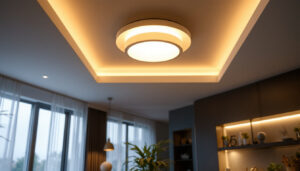
Furthermore, the aesthetic appeal of automated lighting cannot be overlooked. Advanced lighting systems can create dynamic atmospheres tailored to various activities or moods, from bright, energizing light for workspaces to soft, ambient lighting for relaxation. This versatility not only enhances the functionality of a space but also adds value to properties, making them more attractive to potential buyers or renters. As a result, lighting contractors who can skillfully integrate these systems into their projects are likely to see increased client engagement and satisfaction, reinforcing their reputation in a competitive market.
The Financial Impact of Light Automation on Contractors
Increased Project Value and Revenue Streams
Incorporating light automation into projects typically raises the overall contract value. Automated systems often require more sophisticated design, installation, and programming, which justifies higher fees. Additionally, contractors can offer ongoing maintenance and system upgrades as recurring revenue streams, enhancing financial stability beyond one-time installations.
For example, integrating occupancy sensors and daylight harvesting controls can increase a project’s electrical scope by 15-25%, according to industry reports. This translates to higher material costs but also increased labor and service charges, ultimately boosting the contractor’s bottom line. Furthermore, the ability to provide tailored solutions that meet specific client needs can lead to enhanced client satisfaction and referrals, opening doors to new projects and partnerships in the future. As the demand for smart building technologies continues to rise, contractors who embrace light automation are well-positioned to capitalize on emerging market trends.
Reduction in Labor Costs Through Streamlined Installation
Contrary to the assumption that automation complicates installation, many light automation products are designed for plug-and-play or modular setups. This can reduce on-site labor hours and minimize errors, lowering installation costs. Contractors who invest in training and tools for these systems can complete projects more efficiently, increasing margins.
Moreover, remote commissioning and diagnostics capabilities allow contractors to troubleshoot and adjust systems without returning to the site, saving time and travel expenses. This not only streamlines the installation process but also enhances the contractor’s ability to provide timely support and service to clients. As a result, contractors can maintain a competitive edge by showcasing their adaptability and responsiveness to client needs, ultimately leading to a stronger reputation in the industry.
Energy Savings and Client Retention
Automated lighting systems significantly reduce energy consumption by ensuring lights operate only when needed and at optimal levels. These savings are a compelling selling point for clients focused on sustainability and operational costs. Contractors who highlight energy efficiency benefits can differentiate themselves and foster client loyalty.
Long-term, satisfied clients are more likely to engage contractors for upgrades, expansions, and maintenance, creating a reliable revenue pipeline. Additionally, as energy regulations become more stringent, contractors who are ahead of the curve in implementing energy-efficient solutions can position themselves as leaders in compliance and innovation. By actively promoting the long-term financial benefits of these systems, contractors can cultivate a loyal customer base that values both environmental responsibility and cost savings, further solidifying their market presence.
Key Technologies Driving Light Automation
Occupancy and Vacancy Sensors
Occupancy sensors detect motion to switch lights on or off automatically, while vacancy sensors require manual activation but turn lights off when the space is empty. These devices are essential in commercial buildings, warehouses, and restrooms to prevent unnecessary lighting, cutting energy waste by up to 30% in some cases.
For contractors, installing these sensors is a straightforward way to add value and meet energy codes, especially in retrofit projects. The integration of these sensors not only contributes to energy savings but also enhances the overall safety of spaces by ensuring that areas are adequately lit when occupied. Additionally, advancements in sensor technology have led to more sophisticated models that can differentiate between human movement and other forms of motion, reducing the likelihood of false triggers and ensuring that lighting is only activated when truly necessary.
Daylight Harvesting Systems
Daylight harvesting uses photosensors to adjust artificial lighting based on natural light availability. This technology maintains consistent illumination levels while minimizing energy use, particularly in spaces with large windows or skylights.
Implementing daylight harvesting requires careful sensor placement and integration with dimmable fixtures, which can increase project complexity but also enhance client satisfaction through improved comfort and savings. Furthermore, the aesthetic benefits of natural light cannot be overlooked; studies have shown that exposure to natural light can boost mood and productivity in work environments. By strategically utilizing daylight harvesting systems, businesses can create more inviting and energizing spaces, which can lead to higher employee satisfaction and retention rates.
Smart Controls and IoT Integration
Modern light automation increasingly involves Internet of Things (IoT) platforms that allow centralized control, scheduling, and analytics. Contractors can offer clients mobile apps or web portals to customize lighting scenes, monitor usage, and receive maintenance alerts.
This level of control appeals to facility managers and homeowners alike, providing convenience and data-driven insights that support energy management goals. Moreover, the integration of smart controls with other building systems, such as HVAC and security, can lead to even greater efficiencies. For example, a smart lighting system can communicate with an HVAC system to adjust temperature settings based on occupancy, further optimizing energy consumption. As the technology continues to evolve, the potential for creating interconnected smart environments becomes increasingly feasible, paving the way for more sustainable and responsive building management solutions.
Challenges and Considerations for Lighting Contractors
Training and Skill Development
Adopting light automation requires contractors to develop expertise in new technologies, including programming, networking, and system integration. Investing in ongoing training ensures that teams can deliver high-quality installations and troubleshoot issues effectively.
Contractors who neglect this aspect risk project delays, increased callbacks, and damage to reputation.
Upfront Costs and Client Education
Automated lighting systems often involve higher initial costs than traditional fixtures. Contractors must be prepared to educate clients on the long-term financial and environmental benefits to justify the investment.
Providing case studies, energy savings projections, and potential incentives can help overcome resistance and close sales.
Compatibility and Future-Proofing
With a rapidly evolving technology landscape, ensuring that automated lighting components are compatible with existing infrastructure and scalable for future upgrades is critical. Contractors should prioritize open standards and modular systems to protect client investments and reduce the risk of obsolescence.
Strategies for Maximizing Profitability with Light Automation
Offering Comprehensive Design-Build Services
Contractors who provide end-to-end services—from system design and equipment selection to installation and commissioning—can capture more value and control project quality. This approach also streamlines communication and reduces change orders, which can erode profits.
Leveraging Partnerships with Manufacturers and Distributors
Establishing strong relationships with lighting manufacturers and distributors can yield access to training, technical support, and preferential pricing. These advantages enable contractors to offer competitive bids and stay current with emerging products.
Implementing Maintenance and Service Contracts
Automated lighting systems benefit from regular maintenance to ensure optimal performance. Contractors can create recurring revenue by offering service contracts that include system inspections, software updates, and repairs.
This ongoing engagement strengthens client relationships and provides predictable income streams.
Case Studies: Success Stories in Light Automation
Commercial Office Retrofit
A mid-sized lighting contractor undertook a retrofit project in a multi-story office building, replacing legacy lighting with automated LED fixtures equipped with occupancy sensors and daylight harvesting. The project increased contract value by 20% and reduced installation time by 15% due to pre-configured control modules.
Post-installation, the client reported a 35% reduction in lighting energy costs, leading to a follow-up contract for system expansion in additional buildings.
Smart Home Installation
In a residential project, a contractor integrated smart lighting controls with voice activation and mobile app management. The homeowner valued the convenience and energy monitoring features, resulting in referrals that expanded the contractor’s residential portfolio.
Conclusion: Embracing Light Automation as a Growth Catalyst
For lighting contractors, light automation represents both a challenge and an opportunity. By understanding the technologies, investing in skills, and adopting strategic business practices, contractors can significantly enhance their profitability and market relevance.
As demand for energy-efficient, intelligent lighting solutions continues to rise, those who lead in automation will secure a competitive advantage and build sustainable, rewarding client relationships.
Illuminate Your Projects with LumenWholesale
Ready to elevate your lighting projects and enhance your bottom line? At LumenWholesale, we provide lighting contractors like you with the cutting-edge, spec-grade lighting products you need to stay ahead in the rapidly growing field of light automation. Our commitment to quality and affordability ensures that you can offer your clients the best in automated lighting solutions without the burden of inflated costs. With free shipping on bulk orders, LumenWholesale is your go-to source for premium lighting at the best value. Don’t miss out on the opportunity to outshine the competition. Wholesale Lighting at the Best Value is just a click away.