Understanding Cable Light Fixtures and Their Role in Modern Lighting
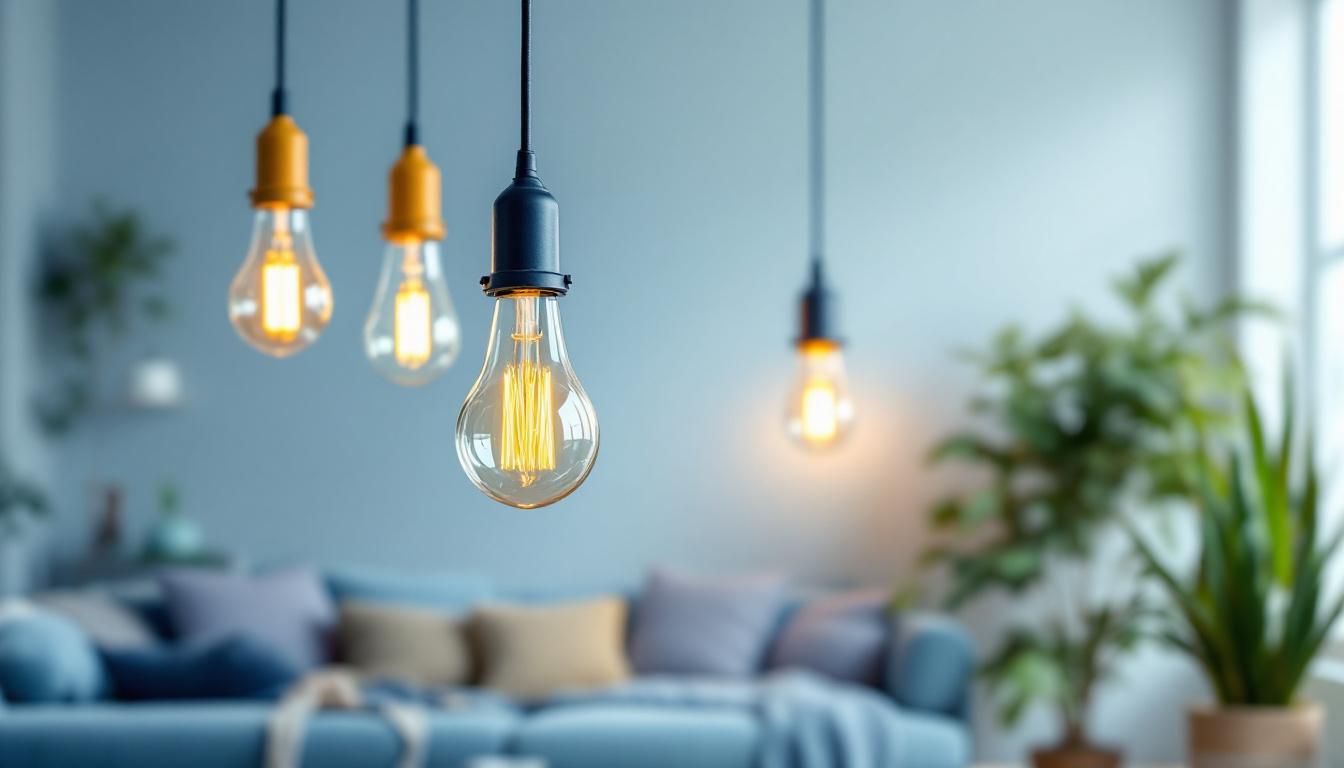
In the evolving landscape of lighting design and installation, cable light fixtures have emerged as a pivotal component for contractors seeking both aesthetic appeal and functional versatility. Unlike traditional fixed lighting systems, cable light fixtures utilize tensioned cables to suspend lighting elements, allowing for dynamic configurations and enhanced spatial utilization. This innovative approach not only caters to contemporary architectural demands but also provides practical advantages in terms of installation flexibility and maintenance.
For lighting contractors, mastering the nuances of cable light fixtures is essential. These systems are increasingly specified in commercial, retail, and residential projects due to their sleek appearance and adaptability. Understanding their construction, operational principles, and best installation practices can significantly impact project outcomes, client satisfaction, and long-term system performance.
One of the most compelling features of cable light fixtures is their ability to create a sense of openness and flow within a space. By suspending lights from cables, designers can achieve a minimalist aesthetic that draws the eye upward, making ceilings appear higher and rooms more expansive. This is particularly beneficial in environments where space is at a premium, such as urban apartments or compact offices. Additionally, the adjustable nature of these fixtures allows for customized lighting solutions that can be tailored to the specific needs of different areas, whether it’s highlighting artwork in a gallery or providing ambient light in a cozy café.
Moreover, the technological advancements in LED lighting have further enhanced the appeal of cable light fixtures. With the integration of energy-efficient LED bulbs, these systems not only reduce energy consumption but also offer a broader spectrum of color temperatures and brightness levels. This versatility enables designers to create various moods and atmospheres, from warm and inviting to bright and energizing. As sustainability becomes increasingly important in design, the combination of cable fixtures with LED technology presents an eco-friendly option that aligns with modern values while still delivering on style and functionality.
Key Advantages of Cable Light Fixtures in Lighting Installations
Flexibility and Customization
Cable light fixtures offer unparalleled flexibility in positioning and adjusting lighting elements. The tensioned cables can span large distances without the need for multiple support points, enabling contractors to create unique lighting layouts that conform to architectural features and design intent. This adaptability is particularly valuable in open-plan offices, galleries, and retail spaces where lighting needs may evolve over time.
Moreover, the modular nature of cable systems allows for easy integration of different types of luminaires, including LED strips, spotlights, and pendant lights. This versatility empowers contractors to tailor lighting solutions that optimize both illumination quality and energy efficiency. The ability to mix and match fixtures not only enhances the functionality of the space but also allows for creative expression, enabling designers to craft visually engaging environments that can adapt to various activities and moods throughout the day.
Streamlined Installation and Reduced Structural Impact
Traditional lighting installations often require extensive ceiling modifications or structural reinforcements to accommodate fixtures. Cable light fixtures, by contrast, minimize these demands by anchoring to existing structural elements such as walls or beams. This reduces installation time and labor costs, a critical consideration in large-scale projects or renovations where downtime must be limited.
Additionally, cable systems exert minimal load on mounting points, preserving the integrity of architectural components. For contractors, this means fewer complications related to building codes and structural assessments, streamlining project approvals and execution. The lightweight design of these fixtures also allows for quicker adjustments post-installation, enabling maintenance teams to easily reposition lights as needed without extensive rework, which is especially beneficial in dynamic environments like event spaces or retail stores that frequently change layouts.
Enhanced Aesthetic Appeal
From a design perspective, cable light fixtures contribute to a clean, modern aesthetic that complements contemporary interiors. The thin, almost invisible cables create a floating effect for the lighting elements, which can be a striking visual feature. This minimalist look is highly sought after in commercial environments aiming to convey innovation and sophistication.
Lighting contractors can leverage this aesthetic to deliver installations that not only meet functional requirements but also elevate the overall ambiance of the space, adding value to their service offerings. The use of cable systems can also enhance the perception of space, making areas feel larger and more open, which is particularly advantageous in smaller rooms or spaces with low ceilings. Furthermore, the ability to adjust the height and angle of the fixtures allows for dynamic lighting effects that can highlight architectural details or create focal points, further enriching the visual narrative of the environment.
Critical Considerations for Lighting Contractors When Working with Cable Light Fixtures
Load Capacity and Structural Compatibility
One of the most critical factors in cable light fixture installations is ensuring that the mounting points can safely bear the load of the cables and attached luminaires. Contractors must conduct thorough assessments of walls, ceilings, or beams designated for anchoring to verify their structural integrity.
Failure to account for load capacity can lead to fixture sagging, cable slackening, or even catastrophic failure, posing safety risks and costly repairs. Utilizing appropriate hardware such as tensioners, turnbuckles, and anchors rated for the expected loads is non-negotiable.
Electrical Safety and Compliance
Since cable light fixtures often involve running electrical wiring along tensioned cables, maintaining electrical safety standards is paramount. Contractors should ensure that all wiring is properly insulated, secured, and compliant with local electrical codes. This includes using cables and connectors rated for the environment and load conditions.
Moreover, integrating features such as ground fault circuit interrupters (GFCIs) and surge protection can enhance system safety and longevity, particularly in commercial settings where electrical demands are high.
Precision in Tensioning and Alignment
The performance and appearance of cable light fixtures heavily depend on precise tensioning of the cables. Over-tensioning can stress mounting points and cables, while under-tensioning may cause sagging and uneven lighting distribution. Lighting contractors must employ calibrated tools and techniques to achieve optimal tension.
Regular inspection and adjustment protocols should also be established as part of maintenance routines to preserve fixture integrity and lighting quality over time.
Innovative Applications and Trends in Cable Light Fixture Installations
Integration with Smart Lighting Technologies
As smart building technologies become mainstream, cable light fixtures are increasingly integrated with intelligent lighting controls. This includes dimming capabilities, color temperature adjustments, and occupancy sensors that optimize energy consumption and user comfort.
For contractors, familiarity with these systems and their compatibility with cable fixtures is essential. Offering smart lighting solutions can differentiate service offerings and meet the growing demand for sustainable, user-centric environments.
Use in Sustainable and Energy-Efficient Designs
Cable light fixtures often utilize LED luminaires, which are inherently energy-efficient and have long lifespans. Their adaptable design allows for strategic placement to maximize natural light supplementation and minimize energy use.
Lighting contractors involved in green building projects benefit from leveraging cable light systems to achieve certification standards such as LEED or WELL, aligning with client sustainability goals and regulatory requirements.
Creative Lighting Effects and Architectural Integration
Beyond functionality, cable light fixtures enable creative lighting effects such as layered illumination, accent lighting, and dynamic spatial definition. Contractors can collaborate with designers and architects to exploit these possibilities, transforming spaces through innovative lighting schemes.
Examples include suspended linear arrays that define corridors, adjustable spotlights highlighting artwork, or ambient glow effects that enhance architectural textures. Mastery of these techniques elevates the contractor’s role from installer to creative partner.
Best Practices for Successful Cable Light Fixture Installations
Comprehensive Planning and Site Assessment
Successful cable light fixture installations begin with meticulous planning. Contractors should conduct detailed site assessments to understand spatial constraints, structural conditions, and client requirements. Early collaboration with architects and designers ensures that lighting solutions are seamlessly integrated into the overall project vision.
Documenting cable routes, load calculations, and electrical layouts upfront minimizes surprises during installation and facilitates efficient workflow.
Utilizing Quality Materials and Components
The longevity and safety of cable light installations hinge on the use of high-quality materials. Contractors should source cables, anchors, fixtures, and electrical components from reputable manufacturers with proven performance records.
Investing in quality not only reduces maintenance issues but also enhances client trust and project reputation.
Skilled Installation and Rigorous Testing
Precision and attention to detail during installation are critical. Contractors must ensure that cables are tensioned correctly, fixtures are securely mounted, and electrical connections are safe and compliant. Employing experienced technicians and providing ongoing training on the latest techniques and standards is advisable.
Post-installation testing, including load verification and electrical safety checks, should be standard practice to guarantee system reliability before project handover.
Maintenance and Client Education
Providing clients with maintenance guidelines and scheduling periodic inspections can extend the lifespan of cable light fixtures. Contractors should educate clients on identifying signs of wear, cable slackening, or electrical issues to prompt timely interventions.
Offering maintenance contracts or support services can also create additional revenue streams and foster long-term client relationships.
Conclusion: The Indispensable Role of Cable Light Fixtures in Contemporary Lighting
Cable light fixtures represent a transformative approach in lighting installations, combining aesthetic elegance with practical advantages. For lighting contractors, proficiency in these systems is not merely beneficial but increasingly critical to meet the demands of modern architectural and design projects.
By understanding the technical, safety, and creative aspects of cable light fixtures, contractors can deliver superior lighting solutions that enhance space functionality, energy efficiency, and visual impact. Embracing best practices in planning, installation, and maintenance ensures these systems perform reliably and safely, reinforcing the contractor’s reputation for excellence.
As the lighting industry continues to innovate, cable light fixtures will remain at the forefront of design and technology, making them an essential tool in every lighting contractor’s portfolio.
Illuminate Your Projects with LumenWholesale
Ready to elevate your lighting installations with the transformative power of cable light fixtures? Look no further than LumenWholesale for all your lighting needs. Our extensive selection of top-quality, spec-grade lighting products ensures that you can bring your design visions to life while staying within budget. Say goodbye to inflated markups and hello to unbeatable wholesale prices, free shipping, and the convenience of bulk buying. Don’t compromise on quality or value—choose LumenWholesale for premium lighting solutions that will set your projects apart. Wholesale Lighting at the Best Value is just a click away.