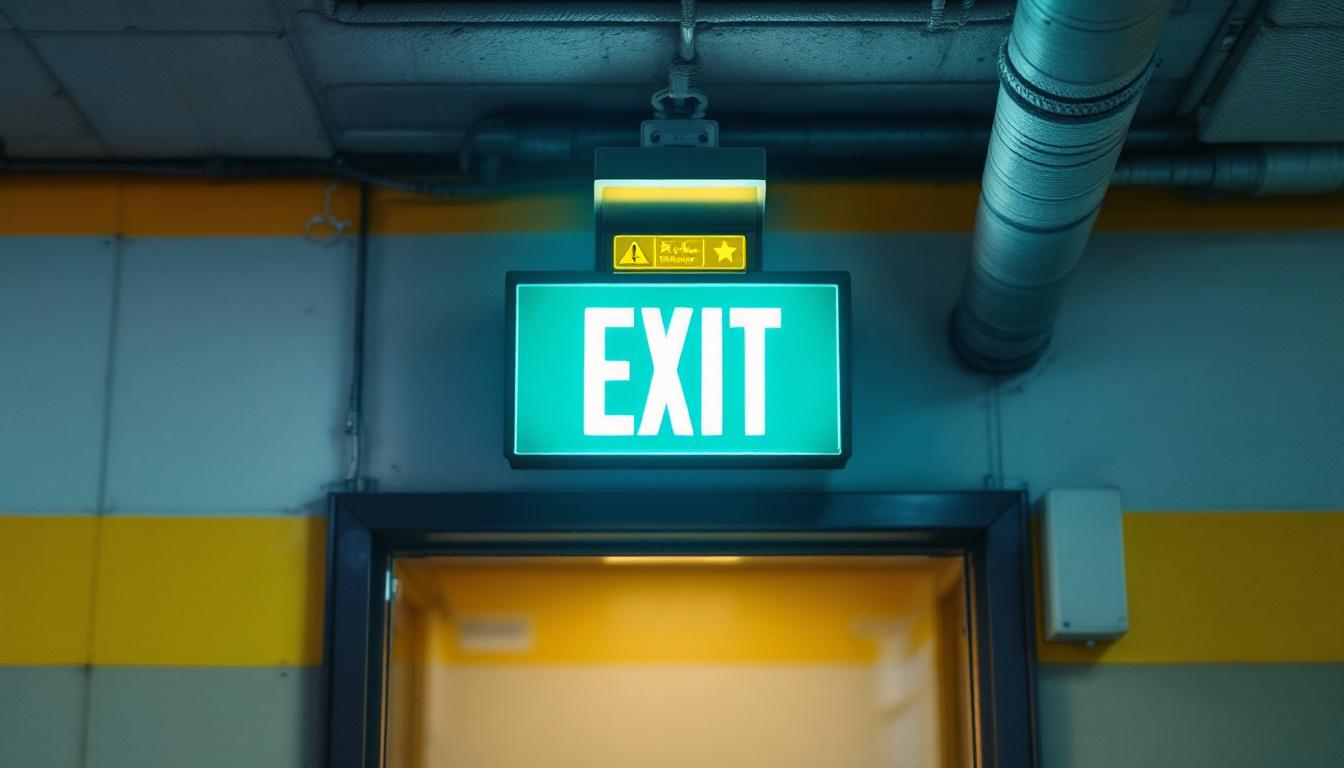
Understanding LED Exit Lights and Their Importance
LED exit lights have become a cornerstone in modern building safety and energy efficiency. For lighting contractors, understanding the nuances of LED exit lighting is essential not only for compliance with safety codes but also for delivering value to clients through durable, cost-effective solutions.
Exit lights serve a critical role in emergency egress, guiding occupants safely out of a building during power outages or emergencies. Unlike traditional incandescent or fluorescent exit signs, LED exit lights offer superior longevity, reduced energy consumption, and enhanced visibility. These benefits translate into lower maintenance costs and increased safety reliability, making LED technology the preferred choice in contemporary construction and retrofit projects.
Key Advantages of LED Exit Lights
One of the most compelling reasons to specify LED exit lights is their energy efficiency. LEDs consume up to 80% less energy compared to incandescent bulbs and significantly less than fluorescent alternatives. This reduction in energy use can lead to substantial savings over the lifespan of the fixture, especially in large commercial or institutional buildings.
Additionally, LED exit lights boast a lifespan that can exceed 50,000 hours, drastically reducing the frequency of replacements. This longevity is particularly advantageous in hard-to-reach locations where maintenance can be costly and disruptive. Furthermore, LEDs provide consistent brightness without the flickering or dimming issues sometimes encountered with older technologies.
Moreover, LED exit lights are designed with advanced features that enhance their functionality and adaptability. Many models come equipped with battery backup systems, ensuring that they remain illuminated even during power outages. This is crucial in emergency situations where visibility is paramount for safe evacuation. Furthermore, some LED exit lights are available with adjustable brightness settings, allowing them to adapt to ambient light conditions and further conserve energy when full brightness is unnecessary.
Another significant advantage is the environmental impact of LED technology. Unlike traditional lighting options, LEDs do not contain harmful substances such as mercury, making them a safer choice for both users and the environment. Additionally, their energy-efficient nature contributes to a reduction in greenhouse gas emissions, aligning with the growing emphasis on sustainability in building design. As more municipalities adopt stringent energy codes and green building standards, the shift towards LED exit lights not only meets regulatory requirements but also supports broader environmental goals.
Compliance and Code Considerations for LED Exit Lighting
Lighting contractors must ensure that LED exit lights comply with local, state, and national safety codes. The National Fire Protection Association (NFPA) and the International Building Code (IBC) set stringent requirements for exit signage, including illumination levels, visibility angles, and backup power capabilities. These regulations are designed to safeguard occupants in emergency situations, ensuring that exit paths are clearly marked and easily identifiable, even in low-light conditions.
For instance, exit signs must maintain a minimum illumination of 5 foot-candles (54 lux) on the sign face during normal operation and emergency conditions. LED exit lights must also have a reliable backup power source, typically a battery, to remain illuminated for at least 90 minutes during a power outage. This ensures that occupants can safely evacuate even when the main electrical supply is interrupted. Furthermore, the placement of exit signs is critical; they should be positioned at strategic locations such as above doors and along escape routes to guide individuals toward safety swiftly and efficiently.
Understanding UL and Energy Star Certifications
When selecting LED exit lights, contractors should prioritize products that carry UL (Underwriters Laboratories) listing and Energy Star certification. UL listing confirms that the product meets rigorous safety and performance standards, while Energy Star certification guarantees energy efficiency and environmental responsibility. The importance of these certifications cannot be overstated, as they reflect a commitment to quality and safety, which is paramount in any construction or renovation project.
Using certified products not only ensures compliance but also protects contractors from liability issues related to product failure or non-compliance. Moreover, many jurisdictions require the use of UL-listed exit signs as part of their building codes, making certification a non-negotiable factor in product selection. Beyond compliance, opting for Energy Star certified products can lead to significant cost savings over time due to reduced energy consumption, which is an attractive proposition for both contractors and building owners. Additionally, these certifications often enhance the overall sustainability profile of a building, contributing to green building initiatives and potentially qualifying for tax incentives or rebates designed to encourage energy-efficient practices.
Installation Best Practices for LED Exit Lights
Proper installation is critical to the effectiveness and longevity of LED exit lights. Lighting contractors should follow manufacturer instructions closely while adhering to industry best practices to optimize performance and safety.
Positioning and Mounting
Exit signs must be installed in locations that maximize visibility from all potential exit routes. This typically means mounting signs above doorways, corridors, and stairwells at heights that prevent obstruction by furniture or architectural features. The mounting surface should be stable and capable of supporting the fixture securely.
For buildings with complex layouts, additional directional exit signs may be necessary to guide occupants clearly toward the nearest exit. Contractors should collaborate with architects and safety inspectors to determine the optimal number and placement of signs. Furthermore, it is advisable to consider the use of photoluminescent exit signs in areas where power outages are frequent, as these signs can provide an additional layer of safety by glowing in the dark without requiring electrical power. This can be particularly beneficial in high-traffic areas such as shopping malls, hospitals, and large office buildings, where clear guidance is essential during emergencies.
Wiring and Power Supply
LED exit lights require a dependable power source, often connected to the building’s emergency lighting circuit. It is essential to ensure that wiring is compliant with the National Electrical Code (NEC) and local regulations. The wiring should be neat, secure, and protected from potential damage.
Backup battery packs or capacitors must be installed as specified, and contractors should test these components to verify that the sign remains illuminated during power interruptions. Regular testing and maintenance plans should be communicated to building owners to ensure ongoing compliance. Additionally, it is important to document all installation and maintenance activities, as this information can be invaluable during safety audits or inspections. Keeping a detailed log of the installation process, including the types of materials used and any challenges encountered, can help streamline future upgrades or replacements, ensuring that the exit lighting system remains effective and compliant with evolving safety standards.
Maintenance and Troubleshooting of LED Exit Lights
Although LED exit lights are low-maintenance compared to traditional fixtures, they still require periodic inspection and testing to guarantee functionality during emergencies.
Routine Inspection and Testing
Lighting contractors should advise clients to conduct monthly visual inspections and annual functional testing of exit signs. Visual inspections verify that the signs are illuminated and visible, while functional testing involves simulating a power failure to ensure the backup battery operates correctly.
Many LED exit signs include diagnostic features such as self-testing and self-diagnostics, which can alert building managers to potential issues before they become critical. Contractors should familiarize themselves with these features to support clients effectively.
Common Issues and Solutions
While LED exit lights are generally reliable, some common issues can arise. Battery failure is the most frequent problem, often due to age or improper charging. Replacing batteries on schedule is vital to maintaining emergency readiness.
Other potential issues include wiring faults, LED driver failures, or physical damage to the fixture. Troubleshooting should begin with a thorough visual and electrical inspection, followed by component testing. Contractors should maintain a stock of replacement parts and batteries to expedite repairs and minimize downtime.
Emerging Trends and Innovations in LED Exit Lighting
The LED exit light market continues to evolve, driven by advances in technology and increasing demands for smarter, more integrated building systems.
Smart Exit Signs and IoT Integration
Modern LED exit lights are increasingly incorporating smart technology, allowing for remote monitoring and control. Internet of Things (IoT)-enabled exit signs can report their status in real-time to building management systems, alerting maintenance teams to issues such as battery depletion or bulb failure without the need for manual inspection.
This capability enhances safety and reduces maintenance costs by enabling predictive maintenance strategies. Lighting contractors should stay informed about these developments to offer cutting-edge solutions that meet the growing expectations of clients.
Design and Aesthetic Considerations
Beyond functionality, LED exit lights are now available in a variety of designs that blend seamlessly with modern architectural aesthetics. Slim profiles, customizable colors, and non-traditional shapes allow contractors to meet client demands for visually appealing safety solutions without compromising performance.
Incorporating such design-conscious products can differentiate a contractor’s offerings and add value in competitive bidding situations.
Conclusion: Delivering Excellence with LED Exit Lights
For lighting contractors, mastering the best practices surrounding LED exit lights is essential to ensuring safety, compliance, and client satisfaction. From selecting certified products and adhering to code requirements to executing precise installations and offering ongoing maintenance, every step impacts the effectiveness of these critical safety devices.
Staying abreast of technological advancements and emerging trends will empower contractors to provide innovative, reliable, and efficient exit lighting solutions. Ultimately, a well-implemented LED exit lighting system not only protects lives but also enhances the reputation and success of the contractor in the competitive lighting industry.
Illuminate Your Projects with LumenWholesale
Ready to elevate your lighting installations with the best LED exit lights in the industry? At LumenWholesale, we offer a vast array of spec-grade lighting products that combine quality, efficiency, and affordability. Say goodbye to inflated markups and hello to premium lighting at wholesale prices, with the added convenience of free shipping on bulk orders. Don’t compromise on safety or value—choose LumenWholesale for lighting solutions that shine above the rest. Start browsing our selection now and take the first step towards a brighter, safer, and more cost-effective future for your clients. Wholesale Lighting at the Best Value.