Understanding Lumens and Their Importance in Bathroom Lighting
For lighting contractors, mastering the concept of lumens is fundamental to delivering effective and efficient bathroom lighting solutions. Lumens measure the amount of visible light emitted by a source, serving as the true indicator of brightness. Unlike watts, which quantify energy consumption, lumens directly relate to how well a space is illuminated.
Bathrooms present unique challenges due to their multifunctional nature—ranging from grooming and makeup application to relaxation and safety. Achieving the right lumen output ensures that these activities can be performed comfortably and safely. For instance, a well-lit vanity area requires higher lumens for precision tasks, while ambient lighting in a bathtub zone might call for softer illumination.
In practical terms, a bathroom vanity typically needs between 4,000 to 8,000 lumens, depending on the size and layout. This range supports detailed grooming activities without causing glare or shadows. Lighting contractors must balance lumen output with fixture placement and color temperature to create a harmonious and functional environment.
Moreover, the choice of light fixtures can significantly influence the overall ambiance of the bathroom. For example, recessed lighting can provide a sleek, modern look while ensuring even distribution of light, whereas wall sconces can add a touch of elegance and warmth. Additionally, dimmable options allow users to adjust the brightness according to their needs—bright for morning routines and softer for evening relaxation. This versatility not only enhances functionality but also contributes to the overall aesthetic appeal of the space.
Furthermore, it’s essential to consider the impact of natural light in conjunction with artificial lighting. Bathrooms with windows or skylights can benefit from daylight, which can reduce the need for excessive artificial lumens during the day. However, it’s crucial to account for the changing light conditions throughout the day and how they interact with the installed fixtures. Utilizing smart lighting solutions that can adapt to both natural and artificial light levels can significantly enhance the user experience, making the bathroom a more inviting and practical space at any time of day.
Key Factors Influencing Bathroom Lumen Requirements
Room Size and Layout
The size and configuration of a bathroom heavily influence lumen requirements. Larger bathrooms naturally demand higher total lumens to ensure uniform lighting. However, simply increasing lumen output is not always the solution; strategic fixture placement is equally critical.
For example, in elongated bathrooms or those with multiple zones, such as separate shower and vanity areas, lighting contractors should segment the space into zones and assign lumen targets accordingly. This zoning approach enhances both functionality and energy efficiency. Additionally, the use of dimmable fixtures can further enhance the adaptability of the lighting, allowing homeowners to adjust brightness levels based on the time of day or specific activities, such as a relaxing bath in the evening versus a brisk morning routine.
Task-Specific Lighting Needs
Bathrooms are task-oriented spaces, and lighting must cater to specific activities. Vanity lighting requires bright, shadow-free illumination to facilitate grooming, shaving, or makeup application. On the other hand, ambient lighting around the bathtub or toilet area should be softer to promote relaxation and comfort.
Contractors often recommend layering lighting—combining ambient, task, and accent lighting—to meet these diverse needs. For instance, installing wall-mounted sconces or LED strips around mirrors can provide focused task lighting, while recessed ceiling lights contribute to ambient illumination. Moreover, integrating motion sensors can enhance convenience and energy savings, automatically activating lights when someone enters the bathroom and turning them off when the space is unoccupied, thereby reducing unnecessary energy consumption.
Color Temperature and Its Impact on Perception
Color temperature, measured in Kelvins (K), profoundly affects how lumens are perceived in a bathroom setting. Cooler temperatures (around 4000K to 5000K) tend to render colors more accurately and are preferred for task lighting, especially in vanity areas. Warmer temperatures (2700K to 3000K) create a cozy atmosphere, suitable for ambient lighting zones.
Lighting contractors must advise clients on selecting fixtures with appropriate color temperatures to enhance both functionality and aesthetics. Combining different temperatures within the same bathroom can also create a dynamic and inviting environment. For instance, using a cooler white light for the vanity area can help achieve a more accurate reflection for grooming tasks, while warmer tones in the shower or tub area can create a soothing ambiance, perfect for unwinding after a long day. Additionally, the use of smart lighting systems allows homeowners to easily switch between color temperatures, tailoring the atmosphere to their mood or the time of day.
Energy Efficiency and Smart Controls in Bathroom Lighting
Maximizing Efficiency with LED Technology
LED lighting has revolutionized bathroom illumination by offering high lumen output with minimal energy consumption. Compared to traditional incandescent or halogen bulbs, LEDs deliver up to 80% energy savings while maintaining excellent color rendering and longevity. This shift not only benefits the environment by reducing carbon footprints but also translates into significant cost savings for homeowners over time. With a lifespan that can exceed 25,000 hours, LED fixtures reduce the frequency of replacements, further contributing to sustainability.
For lighting contractors, specifying LED fixtures tailored to bathroom requirements ensures clients benefit from reduced utility costs and lower maintenance. Additionally, LEDs allow for flexible design options, including dimmable and color-tunable features, enhancing user experience. The ability to choose different color temperatures can transform the ambiance of a bathroom, making it feel more vibrant and inviting during the day while providing a serene atmosphere at night. This versatility is particularly appealing in multi-functional spaces, where the lighting needs may vary significantly throughout the day.
Incorporating Smart Lighting Controls
Smart lighting systems are increasingly popular in modern bathroom designs. They enable precise control over lumen output, color temperature, and scheduling through mobile apps or voice commands. For lighting contractors, integrating smart controls not only adds value but also future-proofs installations. These systems can be seamlessly integrated with other smart home technologies, allowing for a cohesive and user-friendly experience. For instance, syncing bathroom lights with smart home assistants can facilitate hands-free control, making it easier for users to manage their environment without interrupting their routines.
Features such as motion sensors can automatically adjust lighting based on occupancy, improving convenience and energy efficiency. For example, lights can brighten instantly when someone enters the bathroom and dim or turn off after a period of inactivity. Such automation aligns with sustainable building practices and client expectations for modern living. Moreover, advanced systems can learn user habits over time, optimizing energy usage even further by predicting when and how much light is needed, thus minimizing waste.
Balancing Brightness and Privacy with Smart Solutions
Bathrooms require a delicate balance between adequate brightness and privacy. Smart lighting can address this by allowing users to customize settings according to time of day or activity. For instance, bright, cool lights during morning routines can shift to softer, warmer tones in the evening to promote relaxation. This capability not only enhances the functionality of the space but also contributes to a more personalized and enjoyable experience. The option to program different lighting scenes for various activities—such as a bright setting for grooming and a dimmed ambiance for a soothing bath—can significantly elevate the overall bathroom experience.
Lighting contractors can recommend fixtures compatible with smart dimmers and color tuners, enabling clients to create personalized lighting scenes. This adaptability enhances comfort and supports circadian rhythms, contributing to overall well-being. Furthermore, integrating privacy features, such as frosted glass or adjustable shades that work in tandem with the lighting, can ensure that the bathroom remains a sanctuary. With the right technology, homeowners can achieve both aesthetic appeal and functional privacy, making their bathrooms a true retreat from the outside world.
Design Considerations for Optimal Lumen Distribution
Eliminating Shadows and Glare
One of the most common challenges in bathroom lighting is managing shadows and glare, which can hinder grooming tasks and cause discomfort. Lighting contractors must carefully select fixture types and positions to minimize these issues.
For example, placing sconces at eye level on either side of a mirror provides even illumination without casting shadows on the face. Overhead lighting alone often creates unflattering shadows, so combining multiple light sources is essential.
Utilizing Reflective Surfaces to Enhance Brightness
Bathrooms often feature reflective surfaces such as mirrors, tiles, and glass, which can amplify light distribution. Lighting contractors can leverage these surfaces to enhance lumen effectiveness without increasing fixture output.
However, care must be taken to avoid excessive glare or hotspots. Diffused lighting and indirect fixtures can help distribute light evenly, creating a balanced and visually comfortable environment.
Compliance with Building Codes and Safety Standards
Ensuring compliance with local building codes and safety standards is a critical responsibility for lighting contractors. Bathrooms are classified as wet or damp locations, requiring fixtures that are rated for moisture resistance to prevent electrical hazards.
Contractors must specify appropriate IP-rated fixtures and ensure proper installation to maintain safety and durability. Additionally, adherence to energy codes and lighting standards guarantees that installations meet regulatory requirements and client expectations.
Case Studies: Successful Bathroom Lighting Projects
Residential Bathroom Renovation with Layered Lighting
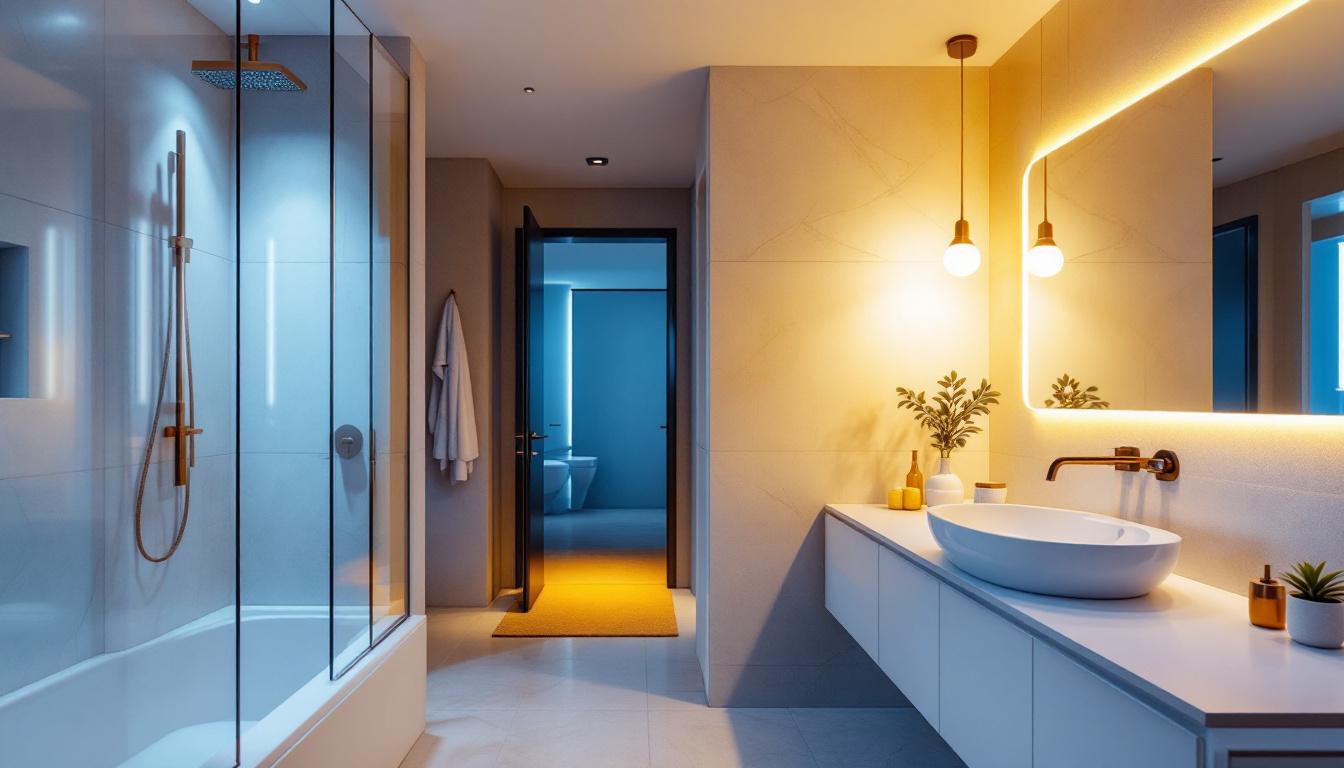
A recent residential project involved transforming a master bathroom into a spa-like retreat. The lighting contractor implemented a layered lighting approach, combining recessed ceiling LEDs for ambient light, wall-mounted sconces for task lighting, and LED strips under floating vanities for accent illumination.
The total lumen output was carefully calibrated to provide bright, shadow-free light at the vanity (around 6,500 lumens) while maintaining softer ambient light in the bathtub area. Smart controls allowed the homeowner to adjust brightness and color temperature, enhancing usability and mood.
Commercial Gym Locker Room Lighting Upgrade
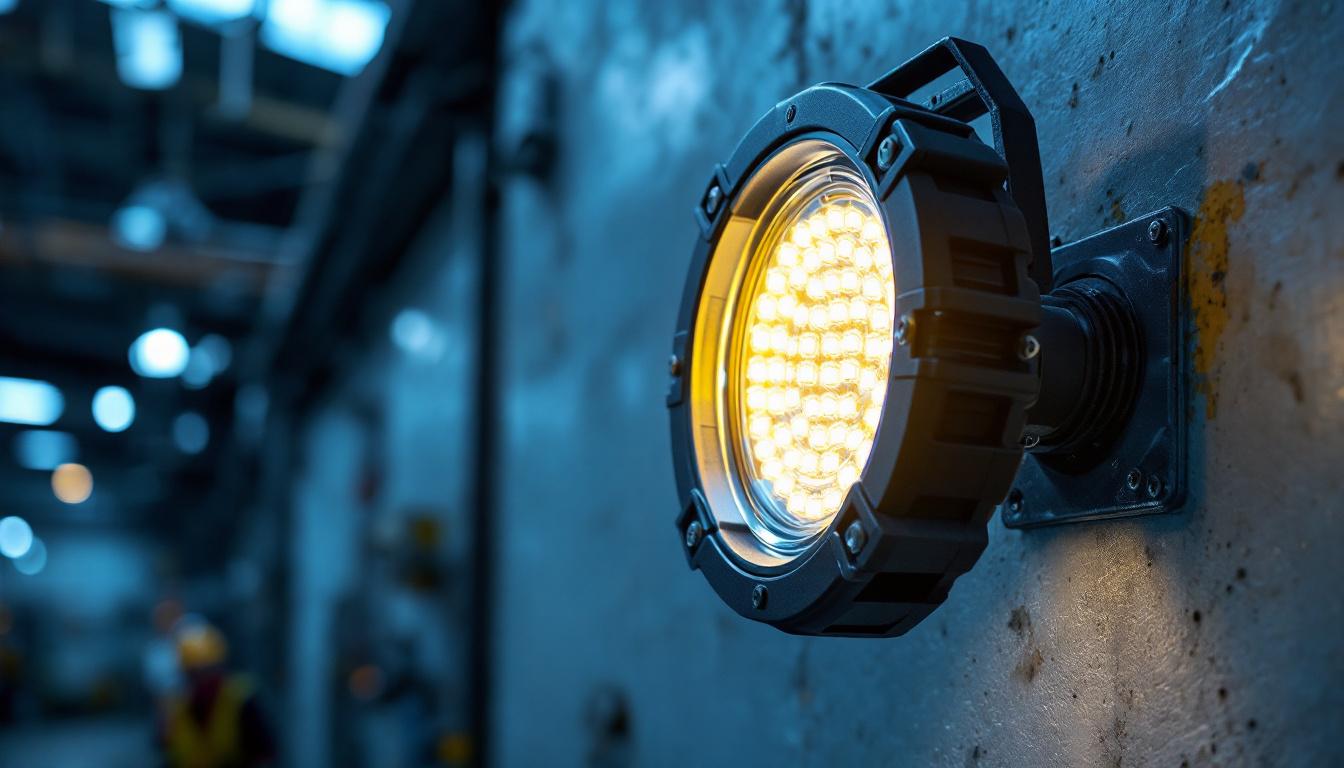
In a commercial gym setting, the lighting contractor faced the challenge of upgrading locker room lighting to improve visibility and energy efficiency. The solution involved installing high-output LED fixtures delivering approximately 10,000 lumens per locker room, ensuring bright and uniform illumination.
Motion sensors and daylight harvesting controls were integrated to optimize energy use, turning lights off or dimming them when spaces were unoccupied. The upgrade resulted in a 60% reduction in energy consumption and improved user satisfaction.
Conclusion: Best Practices for Lighting Contractors in Bathroom Projects
Effective bathroom lighting hinges on a thorough understanding of lumens, task-specific needs, and the interplay of light with space and surfaces. Lighting contractors must adopt a holistic approach that balances brightness, color temperature, energy efficiency, and safety.
Incorporating LED technology and smart controls not only enhances functionality but also aligns with modern sustainability goals. Thoughtful fixture selection and placement minimize shadows and glare, improving user experience.
By applying these principles and staying informed about evolving technologies and standards, lighting contractors can deliver bathroom lighting solutions that are both practical and aesthetically pleasing, ultimately elevating the value of their projects.
Illuminate Your Projects with LumenWholesale
Ready to elevate your bathroom lighting projects with the best in spec-grade lighting? Look no further than LumenWholesale, where we provide contractors with superior lighting solutions at unbeatable wholesale prices. Our extensive selection is designed to meet the highest industry standards, ensuring you deliver reliable and high-performance lighting every time. Say goodbye to middleman markups and hello to hassle-free bulk buying with free shipping. Don’t compromise on quality or value—click now to browse our Wholesale Lighting at the Best Value and bring exceptional lighting to your next project.