Understanding the Importance of Proper LED Hanging Shop Light Installation
LED hanging shop lights have revolutionized workspace illumination, offering energy efficiency, longevity, and superior light quality compared to traditional fluorescent or incandescent fixtures. For lighting contractors, installing these fixtures correctly is crucial—not only to maximize performance but also to ensure safety and client satisfaction.
Improper installation or selection can lead to reduced lifespan, poor lighting quality, and increased maintenance costs. Given the competitive nature of the lighting industry, contractors who master the nuances of LED hanging shop lights can distinguish themselves by delivering reliable, efficient, and aesthetically pleasing lighting solutions.
The Rise of LED in Commercial and Industrial Settings
LED technology has become the preferred choice for commercial and industrial lighting due to its energy-saving capabilities and reduced environmental impact. According to recent industry reports, LED lighting can reduce energy consumption by up to 50-70% compared to traditional lighting methods. This dramatic reduction translates into significant cost savings for clients, making LED hanging shop lights an attractive option for warehouses, manufacturing plants, and automotive shops.
However, this transition also means contractors must be well-versed in LED-specific considerations such as heat dissipation, driver compatibility, and appropriate lumen output to avoid common pitfalls. Additionally, the versatility of LED fixtures allows for creative lighting designs that enhance the functionality and aesthetics of a workspace. For instance, adjustable hanging heights can cater to different tasks, while dimmable options provide flexibility in light intensity, accommodating various activities from detailed assembly work to general storage. Understanding these features not only improves the quality of the installation but also helps in tailoring solutions that meet specific client needs, ultimately leading to higher satisfaction and repeat business.
Furthermore, as the demand for energy-efficient solutions grows, so does the importance of staying updated with the latest advancements in LED technology. Innovations such as smart lighting systems, which integrate IoT capabilities for remote control and monitoring, are becoming increasingly popular. These systems not only enhance energy savings but also provide valuable data on usage patterns, enabling businesses to optimize their lighting strategies further. By embracing these trends, contractors can position themselves as forward-thinking professionals in the industry, ready to meet the evolving needs of their clients.
Common Mistakes Lighting Contractors Make with LED Hanging Shop Lights
While LED hanging shop lights offer many benefits, several common mistakes can undermine their effectiveness. Recognizing these pitfalls is the first step toward delivering superior lighting installations.
1. Selecting the Wrong Lumens and Color Temperature
One of the most frequent errors is choosing fixtures with inappropriate lumen output or color temperature for the intended workspace. Lumens measure the brightness of a light source, and selecting a fixture with too few lumens can result in dim, ineffective lighting. Conversely, excessively bright lights can cause glare and discomfort.
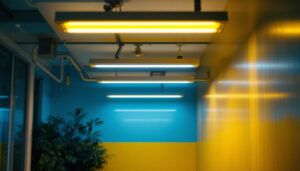
Color temperature, measured in Kelvins (K), affects the ambiance and functionality of the space. For example, shop environments typically benefit from neutral to cool white light (4000K to 5000K), which enhances visibility and reduces eye strain. Warm white lights (2700K to 3000K), often used in residential settings, are generally unsuitable for industrial or commercial workshops.
2. Ignoring Proper Mounting Height and Spacing
Incorrect mounting height and spacing can cause uneven illumination, shadows, and hotspots. Hanging shop lights should be installed at heights recommended by manufacturers and spaced to ensure uniform light distribution. For instance, mounting lights too low may create glare and limit the coverage area, while mounting them too high can reduce intensity and increase shadows.
Contractors should perform detailed lighting layouts using software tools or photometric data to determine optimal placement. This approach not only improves lighting quality but also enhances energy efficiency by minimizing the number of fixtures needed.
3. Overlooking Heat Management and Ventilation
Despite their efficiency, LED fixtures generate heat that must be managed effectively. Poor heat dissipation can shorten the lifespan of LEDs and degrade performance. Many LED hanging shop lights feature built-in heat sinks or cooling fins designed to dissipate heat, but improper installation—such as mounting fixtures too close to walls or other heat sources—can compromise this function.
Contractors should ensure adequate clearance around fixtures and avoid enclosing them in tight spaces without ventilation. Additionally, selecting fixtures with high-quality thermal management components is essential for long-term reliability.
4. Neglecting Driver and Power Supply Compatibility
The LED driver regulates power to the LED chips, and compatibility issues can lead to flickering, dimming, or premature failure. Using drivers that are not rated for the specific fixture or environment can cause electrical problems and safety hazards.
Contractors must verify that the driver matches the fixture’s voltage and current requirements and is suitable for the installation environment, whether it’s damp, dusty, or subject to temperature extremes. Utilizing UL-listed or DLC-certified drivers also ensures compliance with safety and performance standards.
Best Practices for Installing LED Hanging Shop Lights
Implementing best practices during installation can prevent many common issues and result in a successful, long-lasting lighting system.
Conduct a Thorough Site Assessment
Before installation, a comprehensive site assessment is vital. Evaluate the workspace’s dimensions, ceiling height, existing lighting conditions, and specific tasks performed in the area. This information guides fixture selection, placement, and mounting height decisions.
Additionally, consider factors such as natural light availability, potential obstructions, and electrical infrastructure. Understanding these elements helps avoid costly adjustments after installation and ensures the lighting system meets the client’s needs.
Use Photometric Planning Tools
Modern lighting design software allows contractors to simulate lighting layouts and predict illumination levels. Utilizing these tools can optimize fixture placement, reduce energy consumption, and enhance uniformity.
Photometric planning also aids in complying with industry standards such as those set by the Illuminating Engineering Society (IES), which provides guidelines for minimum light levels in various work environments.
Follow Manufacturer Guidelines and Local Codes
Adhering to manufacturer instructions ensures that fixtures are installed correctly and safely. This includes torque specifications for mounting hardware, wiring procedures, and environmental ratings.
Additionally, compliance with local electrical codes and standards, such as the National Electrical Code (NEC), is mandatory. These regulations safeguard against hazards and guarantee the installation meets legal requirements.
Implement Proper Wiring and Circuit Protection
Correct wiring practices are essential for safety and fixture longevity. Use appropriately rated cables, connectors, and circuit breakers to handle the electrical load. Grounding and surge protection are also critical to prevent damage from electrical faults or lightning strikes.
Contractors should verify that circuits are not overloaded and that wiring methods conform to code requirements. Labeling circuits and documenting the installation aids future maintenance and troubleshooting.
Advanced Considerations for Lighting Contractors
Beyond basic installation, lighting contractors can enhance their service offerings by integrating advanced features and technologies.
Incorporate Dimming and Controls
Many modern LED hanging shop lights support dimming and integration with lighting control systems. These features enable energy savings by adjusting light levels based on occupancy or daylight availability.
Contractors should select compatible drivers and controls to ensure smooth dimming performance without flicker. Implementing smart controls can also provide clients with greater flexibility and operational efficiency.
Address Environmental and Safety Factors
Shop environments can be harsh, with exposure to dust, moisture, chemicals, or vibrations. Selecting fixtures with appropriate ingress protection (IP) ratings and rugged construction is essential for durability.
For example, an IP65-rated LED hanging shop light is dust-tight and protected against water jets, making it suitable for washdown areas or outdoor use. Additionally, explosion-proof or hazardous location-rated fixtures may be necessary in certain industrial settings.
Plan for Maintenance and Accessibility
Designing installations with maintenance in mind reduces downtime and service costs. Ensure fixtures are accessible for cleaning, bulb replacement (if applicable), and driver servicing.
Using modular or quick-disconnect components can streamline maintenance tasks. Providing clients with detailed documentation and maintenance schedules also supports long-term performance.
Case Studies: Learning from Real-World Installations
Examining practical examples highlights the impact of avoiding common mistakes and applying best practices.
Warehouse Retrofit Success
A lighting contractor was tasked with retrofitting a large warehouse previously illuminated by outdated fluorescent fixtures. By conducting a thorough site assessment and using photometric planning, the contractor selected LED hanging shop lights with appropriate lumens and color temperature.
Proper mounting height and spacing ensured uniform light distribution, while high-quality drivers and heat sinks extended fixture lifespan. The retrofit resulted in a 60% reduction in energy costs and improved worker productivity due to better lighting quality.
Automotive Shop Installation Challenges
In another case, a contractor installed LED hanging shop lights in an automotive repair facility but initially chose fixtures with a warm color temperature and insufficient lumen output. The resulting lighting was dim and caused eye strain for technicians.
After reassessing the requirements and replacing the fixtures with neutral white, higher-lumen models, the lighting quality improved dramatically. This example underscores the importance of matching fixture specifications to the environment and tasks.
Conclusion: Elevating Your LED Hanging Shop Light Installations
For lighting contractors, mastering the installation of LED hanging shop lights is more than a technical task—it’s an opportunity to deliver value, efficiency, and safety to clients. Avoiding common mistakes such as improper lumen selection, poor mounting, inadequate heat management, and driver incompatibility is essential for success.
By conducting thorough assessments, leveraging photometric tools, adhering to manufacturer and code requirements, and considering advanced features, contractors can ensure their installations stand the test of time. Ultimately, these best practices not only enhance client satisfaction but also strengthen the contractor’s reputation in a competitive market.
Get Your Spec-Grade LED Shop Lights at LumenWholesale
Ready to elevate your LED hanging shop light installations with products that promise quality, efficiency, and value? Look no further than LumenWholesale. Our selection of top-quality, spec-grade lighting products is available at unbeatable wholesale prices, ensuring you can deliver the best to your clients without breaking the bank. With free shipping on bulk orders, you can stock up on premium lighting solutions without any hidden fees. Don’t let inflated markups dim your project’s potential. Choose LumenWholesale for the perfect blend of quality, affordability, and convenience. Wholesale Lighting at the Best Value is just a click away.