Understanding Post Pole Lights: An Essential Overview
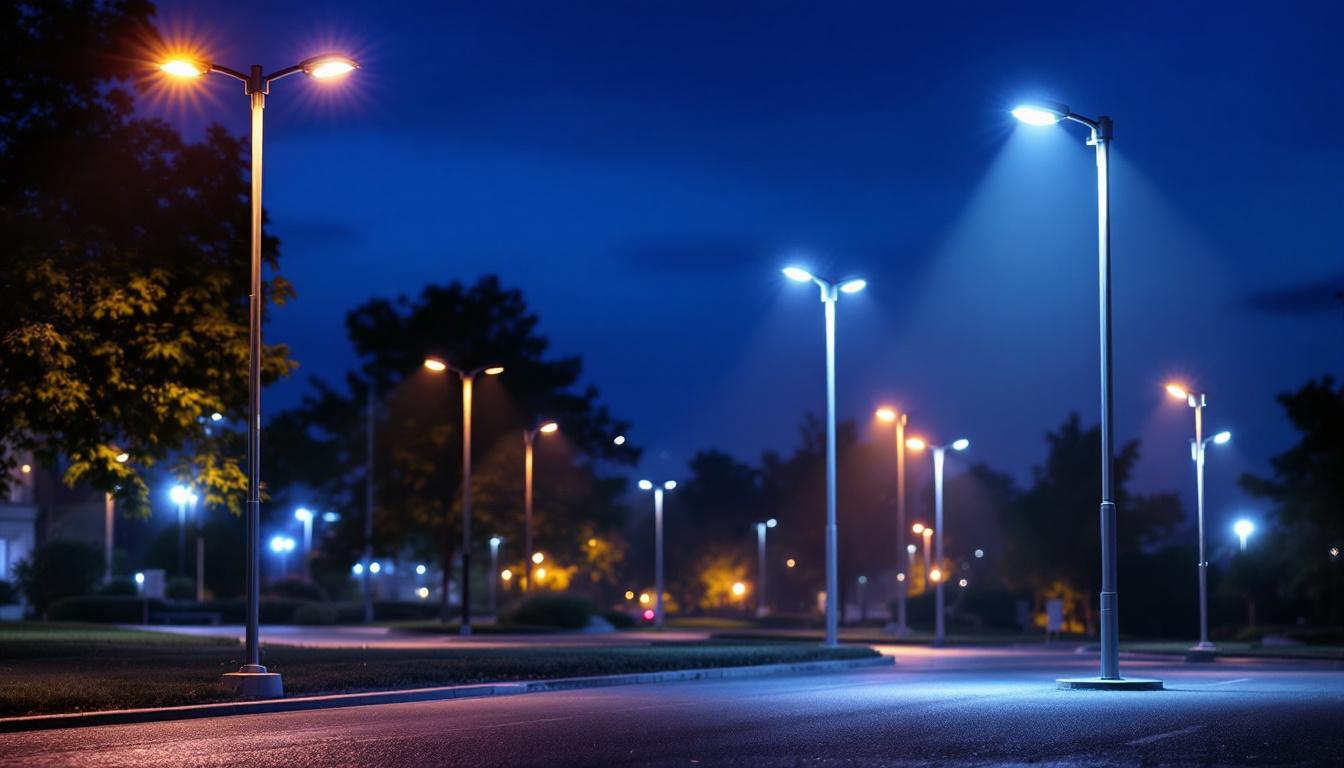
Post pole lights are a fundamental component in both residential and commercial outdoor lighting projects. For lighting contractors, mastering the nuances of these fixtures is crucial to delivering quality, durability, and aesthetic appeal. Post pole lights typically consist of a light fixture mounted atop a vertical pole, designed to illuminate pathways, parking lots, gardens, and building exteriors.
These lighting solutions are prized for their versatility and the ability to provide broad illumination over large areas. They come in various heights, materials, and styles, allowing contractors to tailor installations to specific client needs and environmental conditions. Understanding the technical specifications and practical applications of post pole lights is the first step toward successful project execution.
Key Components and Materials
At their core, post pole lights include the pole, the light fixture, and the mounting hardware. Poles are commonly made from materials such as aluminum, steel, or fiberglass, each offering different benefits. Aluminum is lightweight and corrosion-resistant, steel provides superior strength, and fiberglass offers excellent weather resistance and electrical insulation.
The light fixtures themselves can house various types of bulbs, including LED, metal halide, or high-pressure sodium lamps. LEDs have become the preferred choice due to their energy efficiency, long lifespan, and superior light quality. Additionally, the mounting hardware must be robust, often galvanized or stainless steel, to withstand environmental stressors.
Moreover, the design of post pole lights can significantly impact the overall ambiance of an outdoor space. For instance, decorative post pole lights with intricate designs can enhance the aesthetic appeal of a garden or park, while more utilitarian designs are often favored for commercial settings where functionality is paramount. Contractors must also consider the light distribution patterns when selecting fixtures, as this affects how effectively the area is illuminated and can help in reducing light pollution, which is increasingly becoming a concern in urban planning.
Another critical aspect to consider is the integration of smart technology in post pole lighting systems. With the rise of smart cities, many modern post pole lights are equipped with sensors and connectivity features that allow for remote monitoring and control. This technology enables automatic dimming based on ambient light levels or motion detection, further enhancing energy efficiency and user convenience. As clients become more environmentally conscious, offering smart lighting solutions can be a significant selling point for contractors, showcasing their commitment to sustainability and innovation in outdoor lighting design.
Design Considerations for Effective Post Pole Lighting
Lighting contractors must consider several design factors to ensure that post pole lights meet both functional and aesthetic requirements. The goal is to achieve optimal illumination while minimizing glare, light pollution, and energy consumption. Striking the right balance between these elements not only enhances safety and visibility but also contributes to the overall ambiance of the space, making it inviting and usable at night.
Height and Placement
The height of the post pole light significantly impacts the distribution and intensity of light. Typical heights range from 8 to 20 feet, with taller poles used for larger areas such as parking lots and shorter ones for pathways or garden lighting. Proper spacing between poles is equally important to avoid dark spots and ensure uniform coverage. In addition to height and spacing, the angle of the light fixture can also play a critical role in directing light where it is needed most, reducing the chances of light spilling into unwanted areas.
Placement should also consider the surrounding environment—trees, buildings, and terrain can affect light dispersion. Contractors often use photometric analysis software to simulate lighting patterns and determine the ideal pole height and spacing before installation. This advanced planning not only helps in achieving the desired light levels but also aids in anticipating potential challenges, such as shadows cast by nearby structures or foliage that might obstruct the light. Furthermore, incorporating smart lighting technology can allow for adaptive lighting solutions that respond to changing conditions, enhancing both functionality and energy efficiency.
Light Distribution and Beam Angle
Different light fixtures offer varying beam angles, influencing how light spreads across a surface. Narrow beam angles focus light on a specific area, ideal for accent lighting or highlighting architectural features. Wider beam angles provide general illumination for larger spaces. Understanding the specific needs of the area being illuminated is crucial; for instance, areas with high pedestrian traffic may benefit from fixtures that offer a more diffused light to ensure safety and comfort for users.
Choosing the correct beam angle reduces wasted light and enhances visibility. For example, a 120-degree beam angle is common for parking lot lighting, ensuring broad coverage, while a 60-degree angle might be used for pathway lighting to reduce glare and light trespass. Additionally, the use of adjustable fixtures can provide flexibility in light distribution, allowing for changes in layout or usage patterns without the need for complete reinstallation. This adaptability can be particularly beneficial in spaces that host events or experience seasonal changes in activity levels.
Color Temperature and CRI
Color temperature, measured in Kelvins (K), affects the ambiance and visibility of an outdoor space. Post pole lights typically range from warm white (2700K-3000K) to cool white (4000K-5000K). Warm white light creates a cozy atmosphere, suitable for residential areas, while cool white enhances visibility and is preferred in commercial or security lighting. The choice of color temperature can also influence human behavior; warmer tones tend to create a more relaxed environment, whereas cooler tones can promote alertness and focus, making them ideal for areas requiring heightened awareness.
The Color Rendering Index (CRI) indicates how accurately a light source reveals colors compared to natural light. A higher CRI (above 80) is desirable for applications where color differentiation is important, such as retail parking lots or public spaces. In addition to CRI, the longevity and maintenance of the light fixtures should be considered, as higher-quality LEDs not only provide better color rendering but also have longer lifespans, reducing the frequency of replacements and maintenance costs. This aspect is particularly important for installations in hard-to-reach areas, where maintenance can be both challenging and costly.
Installation Best Practices for Lighting Contractors
Proper installation is critical to the performance and longevity of post pole lights. Lighting contractors must adhere to industry standards and local electrical codes to ensure safety and functionality.
Site Preparation and Foundation
Post pole lights require a stable foundation to prevent leaning or tipping. Concrete footings are the most common solution, with size and depth determined by pole height, soil conditions, and wind load requirements. Contractors should conduct soil tests and consult engineering guidelines to design appropriate foundations.
Additionally, underground wiring must be carefully planned and installed in conduit to protect against moisture, physical damage, and electrical faults. Trenching should comply with local regulations, maintaining proper depth and separation from other utilities.
Electrical Connections and Safety
Ensuring secure and weatherproof electrical connections is paramount. Lighting contractors should use waterproof junction boxes and connectors rated for outdoor use. Grounding the pole and fixture protects against electrical surges and lightning strikes.
It is also advisable to incorporate surge protection devices and consider integrating photocells or motion sensors to automate lighting control, enhancing energy efficiency and reducing operational costs.
Testing and Commissioning
After installation, thorough testing is essential. Contractors should verify that all fixtures operate correctly, light distribution meets design specifications, and controls function as intended. Documenting the installation with photographs and test results aids in future maintenance and client reporting.
Maintenance and Troubleshooting Tips
Post pole lights require regular maintenance to sustain performance and safety. Lighting contractors can offer maintenance services or provide clients with guidelines to extend the lifespan of their installations.
Routine Inspections
Periodic inspections should check for physical damage, corrosion, and electrical integrity. Cleaning lenses and fixtures removes dirt and debris that can diminish light output. Inspecting foundations and poles for signs of instability or wear prevents accidents and costly repairs.
Common Issues and Solutions
Common problems include flickering lights, dimming, or complete outages. These can result from faulty wiring, ballast failure, or bulb degradation. LED fixtures generally have fewer issues but may require driver replacements.
Contractors should be equipped to diagnose and resolve these issues efficiently, using diagnostic tools such as multimeters and thermal cameras. Offering maintenance contracts can provide clients with peace of mind and steady business for contractors.
Emerging Trends and Technologies in Post Pole Lighting
The lighting industry is rapidly evolving, with innovations that impact post pole lighting design and installation. Staying informed about these trends enables contractors to offer cutting-edge solutions that meet modern demands.
Smart Lighting and IoT Integration
Smart post pole lights equipped with Internet of Things (IoT) technology allow remote monitoring and control. Features include dimming schedules, motion detection, and fault alerts, which optimize energy use and maintenance efficiency. Contractors skilled in integrating smart systems can differentiate themselves in a competitive market.
Energy Efficiency and Sustainability
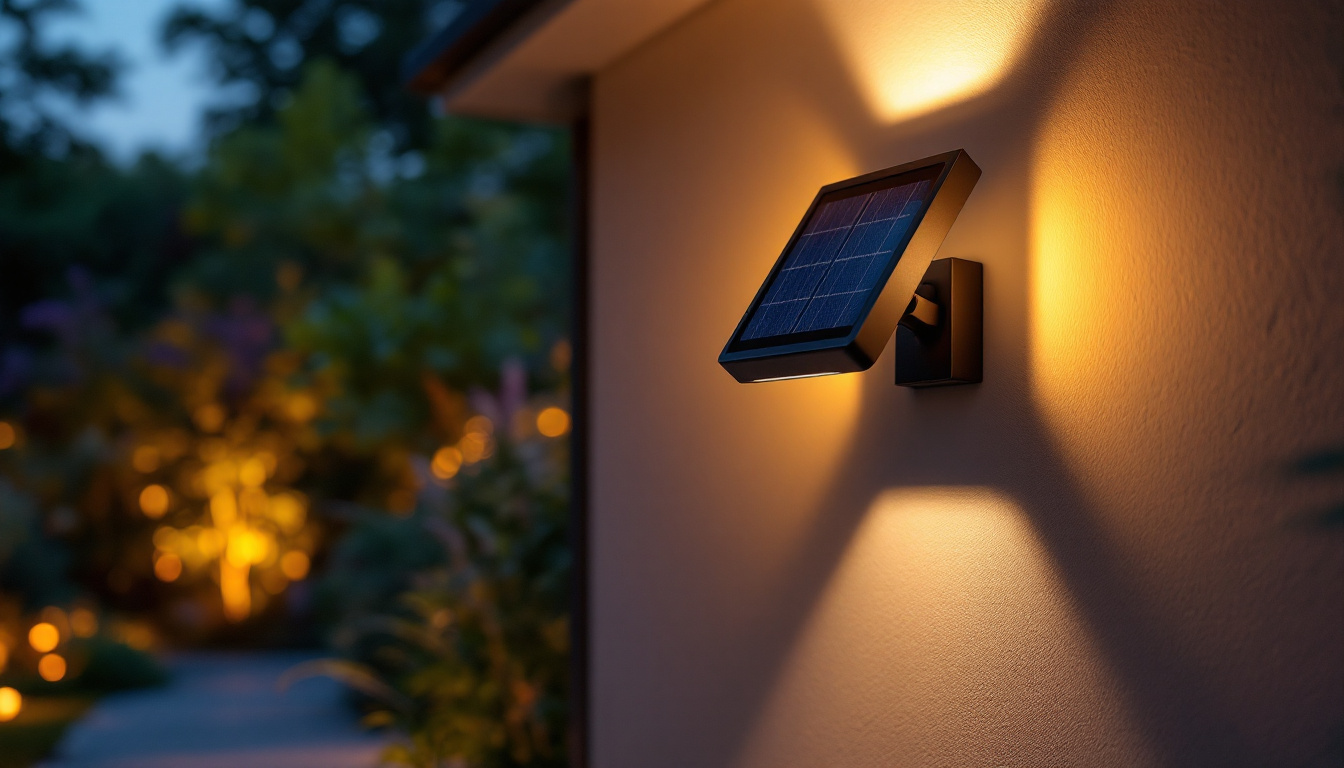
With increasing emphasis on sustainability, energy-efficient LED fixtures and solar-powered post pole lights are gaining popularity. Solar options reduce dependency on grid power and simplify installation in remote locations. Additionally, using recyclable materials and adhering to green building standards enhances project appeal.
Advanced Materials and Durability
New materials such as composite polymers and advanced coatings improve resistance to corrosion, UV damage, and vandalism. These innovations reduce maintenance costs and extend the service life of post pole lights, providing long-term value to clients.
Conclusion: Mastering Post Pole Lighting for Success
For lighting contractors, expertise in post pole lighting is a valuable asset that can significantly impact project outcomes and client satisfaction. By understanding the technical aspects, design principles, installation best practices, and emerging trends, contractors can deliver superior lighting solutions that are safe, efficient, and visually appealing.
Investing time in continuous learning and adopting innovative technologies will position contractors as trusted professionals in the outdoor lighting industry. Ultimately, the ability to provide tailored, high-quality post pole lighting installations will drive business growth and establish a reputation for excellence.
Illuminate Your Projects with LumenWholesale
Ready to elevate your lighting projects with the best in post pole lighting? At LumenWholesale, we provide lighting contractors like you with the highest quality, spec-grade lighting products at prices that can’t be beaten. Say goodbye to local distributor markups and hello to our extensive selection that meets rigorous industry standards. With free shipping on bulk orders, you can trust that you’re getting premium lighting solutions at the best value, with no hidden fees. Make your next project shine with the perfect blend of quality, affordability, and convenience. Wholesale Lighting at the Best Value is just a click away.