Understanding Solar Spotlight Technology
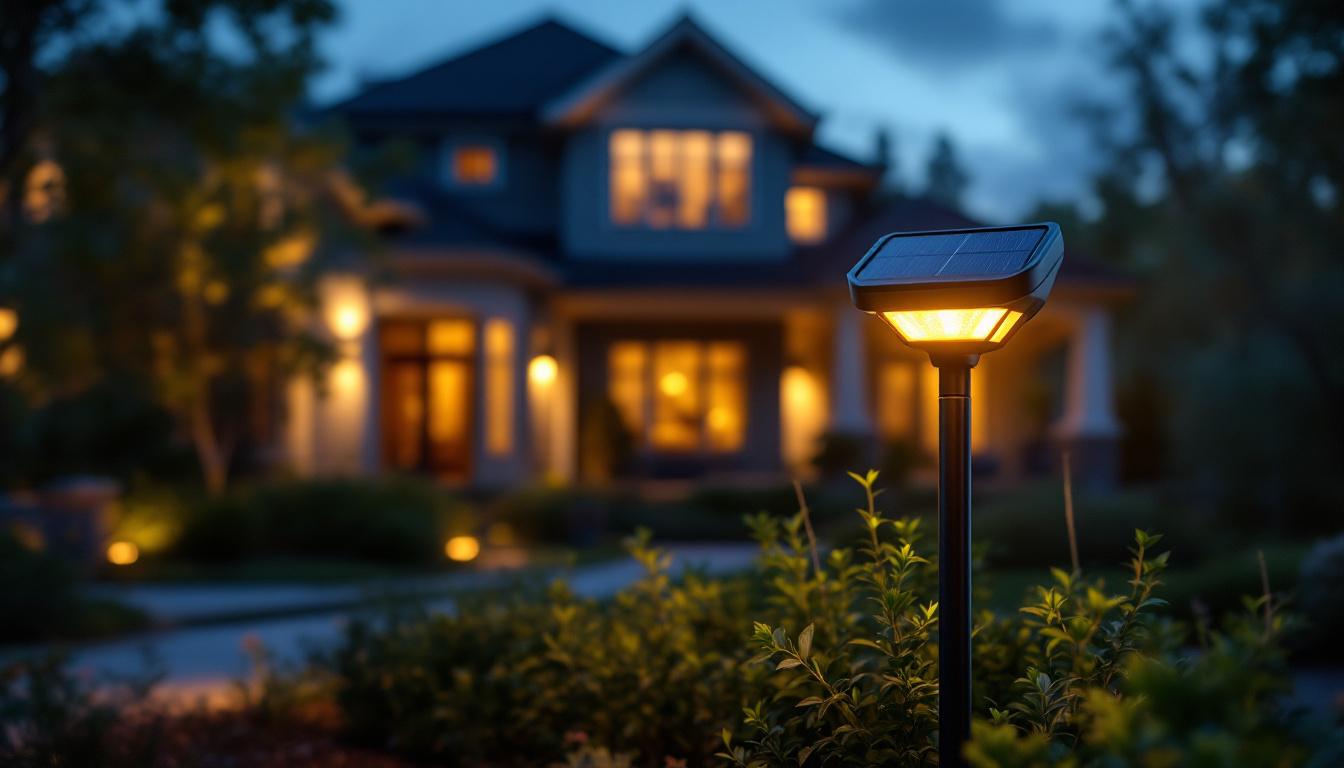
Solar spotlights have become a popular choice for residential lighting due to their energy efficiency, ease of installation, and eco-friendly nature. These lighting solutions harness solar energy through photovoltaic panels, converting sunlight into electricity to power LED bulbs. For lighting contractors, understanding the underlying technology is crucial to optimizing installation and performance.
The core components of a solar spotlight include the solar panel, rechargeable battery, LED light source, and a controller or sensor system. The solar panel captures sunlight during the day, charging the battery, which then powers the LED light after dusk. Advances in LED technology have significantly improved light output while reducing energy consumption, making solar spotlights a viable alternative to traditional wired lighting solutions.
Moreover, the integration of smart sensors—such as motion detectors and ambient light sensors—enables solar spotlights to operate more efficiently by activating only when needed. This not only conserves stored energy but also extends the life of the battery and LED components. For contractors, selecting systems with these features can enhance client satisfaction and reduce maintenance calls.
In addition to energy efficiency, solar spotlights offer versatility in design and application. They come in various styles, colors, and brightness levels, allowing homeowners to customize their outdoor spaces according to personal preferences and aesthetic needs. From illuminating pathways to highlighting architectural features or landscaping, solar spotlights can create a warm and inviting atmosphere while ensuring safety and security. Furthermore, many models are designed to withstand various weather conditions, making them suitable for year-round outdoor use.
Another significant advantage of solar spotlight technology is its minimal environmental impact. By utilizing renewable energy, these lights contribute to reducing carbon footprints and dependence on fossil fuels. As more homeowners become environmentally conscious, the demand for sustainable lighting solutions continues to rise. This shift not only encourages manufacturers to innovate further but also opens up new opportunities for contractors to educate clients on the benefits of solar lighting, potentially leading to increased sales and a stronger market presence.
Key Factors Affecting Solar Spotlight Efficiency
Solar Panel Placement and Orientation
The efficiency of a solar spotlight largely depends on the solar panel’s exposure to sunlight. Panels must be positioned to receive maximum direct sunlight throughout the day, ideally facing true south in the northern hemisphere or true north in the southern hemisphere. Even slight deviations can reduce energy capture, impacting the spotlight’s brightness and operational duration.
Shading is another critical consideration. Trees, buildings, or other obstructions can significantly diminish solar panel output. Contractors should conduct thorough site assessments to identify and mitigate shading issues, possibly recommending trimming vegetation or repositioning fixtures to optimize sunlight exposure. Moreover, seasonal changes in sunlight angles can affect performance, so it’s wise to consider the long-term growth patterns of nearby flora and any potential future developments that might cast shadows on the panels.
Furthermore, the tilt angle of the solar panels can also enhance efficiency. In regions with varying seasonal sunlight, adjusting the tilt can maximize solar gain during different times of the year. Some advanced systems even incorporate adjustable mounts that allow users to change the angle of the panels based on the season, thereby optimizing energy collection throughout the year.
Battery Capacity and Quality
The rechargeable battery stores the energy collected by the solar panel. Selecting high-quality batteries with adequate capacity is essential to ensure consistent lighting performance, especially during extended periods of low sunlight or inclement weather. Lithium-ion batteries are increasingly preferred due to their longer lifespan, higher energy density, and better charge retention compared to traditional nickel-cadmium or lead-acid batteries.
Contractors should also consider the battery’s depth of discharge (DoD) and charging cycles, as these factors influence longevity and reliability. Proper sizing of the battery relative to the LED load and expected usage hours ensures the spotlight can operate through the night without premature power depletion. Additionally, integrating smart battery management systems can optimize charging efficiency and extend battery life by preventing overcharging and deep discharging, which are common pitfalls in solar energy systems.
Moreover, environmental factors such as temperature can affect battery performance. Batteries tend to operate best within a specific temperature range, and extreme heat or cold can reduce their efficiency. Therefore, selecting batteries designed to withstand local climate conditions is crucial for maintaining optimal performance over time.
LED Efficiency and Light Distribution
LEDs are the heart of solar spotlights, converting electrical energy into visible light. High-efficiency LEDs provide brighter illumination with lower power consumption, directly impacting the system’s overall efficiency. Lighting contractors should specify LEDs with high luminous efficacy (lumens per watt) and appropriate color temperature to meet the aesthetic and functional needs of the project.
Additionally, the optical design of the spotlight—such as lens type and reflector geometry—affects light distribution. Well-designed optics focus light precisely where it is needed, reducing light pollution and enhancing perceived brightness. This is particularly important for security lighting or accentuating architectural features. The choice of beam angle can also play a significant role; narrow beams are ideal for highlighting specific areas, while wider beams can illuminate larger spaces effectively.
Furthermore, advancements in LED technology now allow for tunable white lighting, enabling users to adjust the color temperature based on the time of day or specific needs. This flexibility not only enhances the ambiance of outdoor spaces but also contributes to energy efficiency by allowing users to customize the lighting to their preferences, ensuring optimal illumination without unnecessary energy expenditure.
Installation Best Practices for Maximum Efficiency
Site Assessment and Planning
Before installation, a comprehensive site assessment is imperative. Contractors should evaluate solar access, potential shading, mounting options, and the client’s lighting requirements. Using solar pathfinder tools or software can help predict solar exposure and identify optimal panel placement.
Planning also involves determining the number and placement of spotlights to achieve uniform coverage without over-illumination. Over-lighting wastes energy and can cause glare or discomfort, while under-lighting compromises safety and aesthetics. Balancing these factors ensures efficient use of resources and client satisfaction.
Mounting and Wiring Considerations
Proper mounting ensures that solar panels remain stable and correctly oriented over time. Adjustable mounts allow fine-tuning of tilt angles seasonally, maximizing solar gain. For the LED fixtures, secure and weather-resistant mounting prevents damage and maintains optimal light direction.
Although solar spotlights are often wireless, some systems may require low-voltage wiring for sensors or controllers. Contractors should use weatherproof connectors and conduit where necessary to protect components from moisture and pests, ensuring long-term reliability.
Sensor Integration and Programming
Incorporating motion sensors and ambient light detectors can dramatically improve energy efficiency. Motion sensors activate the spotlight only when movement is detected, conserving battery power during inactivity. Ambient light sensors prevent the light from turning on during daylight hours, further optimizing energy use.
Contractors should calibrate sensor sensitivity and timing settings according to the site’s specific needs. For example, in high-traffic areas, shorter activation intervals may be appropriate, whereas in quiet zones, longer intervals conserve energy. Proper sensor configuration enhances both functionality and client satisfaction.
Maintenance and Troubleshooting for Longevity
Routine Cleaning and Inspection
Solar panels and LED lenses accumulate dust, dirt, and debris over time, which can reduce light output and energy collection efficiency. Regular cleaning with a soft cloth and mild detergent helps maintain optimal performance. Contractors should educate clients on maintenance schedules or offer service contracts for ongoing care.
Periodic inspections should check for physical damage, corrosion, or loose connections. Early detection of issues prevents costly repairs and downtime, preserving the system’s efficiency and reliability.
Battery Health Monitoring
Batteries degrade naturally with use and environmental exposure. Monitoring battery voltage and charge cycles can help predict when replacements are necessary. Some advanced solar spotlight systems include battery health indicators or remote monitoring capabilities, allowing contractors to provide proactive maintenance.
Replacing batteries with compatible, high-quality units ensures continued performance and avoids compatibility issues that could compromise the system.
Common Troubleshooting Scenarios
Contractors frequently encounter issues such as dim lighting, short operational hours, or lights failing to turn on. These problems often stem from insufficient solar charging due to shading, dirty panels, or battery failure. Testing each component individually helps isolate the cause.
For example, measuring the voltage output of the solar panel during peak sunlight hours can verify its functionality. Checking battery voltage and load capacity confirms energy storage status. Finally, inspecting LED fixtures and wiring ensures the light source and connections are intact. Systematic troubleshooting minimizes downtime and enhances client trust.
Emerging Trends and Technologies in Solar Lighting
Smart Lighting Integration
The integration of solar spotlights with smart home systems and IoT (Internet of Things) technology is transforming residential lighting. Remote control, scheduling, and adaptive brightness adjustments allow homeowners to customize lighting while optimizing energy use. For contractors, offering smart-enabled solar lighting solutions adds value and differentiates services in a competitive market.
Advanced Energy Storage Solutions
Beyond traditional batteries, emerging energy storage technologies such as solid-state batteries and supercapacitors promise higher efficiency, longer life, and improved safety. Staying informed about these advancements enables contractors to recommend cutting-edge solutions that future-proof installations.
Hybrid Solar Lighting Systems
Hybrid systems that combine solar power with grid electricity or alternative renewable sources provide greater reliability and flexibility. These systems can automatically switch power sources to maintain consistent lighting during prolonged cloudy periods or high demand. Contractors skilled in hybrid system design can offer comprehensive lighting solutions tailored to diverse client needs.
Conclusion: Maximizing Value Through Expertise
For lighting contractors, optimizing solar spotlights for maximum efficiency involves a holistic approach encompassing technology selection, site assessment, precise installation, and proactive maintenance. Understanding the interplay between solar panel positioning, battery capacity, LED performance, and sensor integration is essential to delivering reliable, energy-efficient lighting solutions that meet client expectations.
By staying current with emerging technologies and adopting best practices, contractors can enhance their service offerings, reduce operational issues, and contribute to sustainable residential lighting advancements. Ultimately, expertise in solar spotlight optimization not only benefits clients through lower energy costs and improved aesthetics but also positions contractors as leaders in the evolving landscape of green lighting solutions.
Illuminate Your Projects with LumenWholesale
Ready to elevate your lighting installations with the most efficient solar spotlights on the market? Look no further than LumenWholesale. Our commitment to quality and affordability ensures that you have access to the best spec-grade lighting products at wholesale prices. Say goodbye to inflated markups and hello to a vast selection that meets rigorous industry standards. Plus, with free shipping on bulk orders, you can stock up on premium lighting solutions without worrying about hidden fees. Make your next project shine brighter and your business thrive by choosing Wholesale Lighting at the Best Value with LumenWholesale.