Understanding the Evolution of Lighting Technologies
The lighting industry has undergone a remarkable transformation over the past few decades, driven by advancements in technology and changing consumer demands. For lighting contractors, staying abreast of these developments is crucial not only to meet client expectations but also to position themselves competitively in an evolving market. The shift from traditional incandescent bulbs to more energy-efficient and versatile lighting options has redefined how spaces are illuminated and how lighting systems are designed.
Historically, lighting was primarily about functionality—providing sufficient illumination to perform tasks safely and effectively. However, modern lighting solutions incorporate considerations such as energy efficiency, aesthetics, human-centric design, and smart integration. This evolution has expanded the role of lighting contractors from simple installers to consultants and designers who influence the ambiance, energy consumption, and even the health and well-being of occupants. As consumers become more aware of the impact of lighting on mood and productivity, the demand for tailored lighting solutions that cater to specific needs has surged, prompting contractors to enhance their expertise in lighting design and technology.
From Incandescent to LED: A Paradigm Shift
Incandescent bulbs once dominated the market due to their warm light and low upfront cost, but their inefficiency and short lifespan led to widespread adoption of alternatives. Compact fluorescent lamps (CFLs) provided a temporary solution, offering better energy efficiency but often falling short in light quality and environmental impact due to mercury content.
Light Emitting Diodes (LEDs) revolutionized the industry by combining energy efficiency, longevity, and versatility. LEDs consume up to 80% less energy than traditional bulbs and can last tens of thousands of hours longer. For lighting contractors, this means fewer replacements, reduced maintenance costs, and the ability to offer clients cutting-edge solutions that align with sustainability goals. Furthermore, the adaptability of LEDs allows for innovative applications, such as tunable white lighting that can adjust color temperature throughout the day, promoting circadian rhythms and enhancing overall well-being. This capability not only meets the growing demand for personalized lighting experiences but also positions contractors as leaders in the integration of technology and design.
As the industry continues to evolve, the emergence of smart lighting systems has further transformed the landscape. These systems, often controlled via smartphone apps or voice-activated devices, enable users to customize their lighting environments with unprecedented ease. For contractors, this presents new opportunities to educate clients on the benefits of smart technology, such as energy monitoring and automated scheduling, which can lead to significant cost savings and improved energy management. The integration of IoT (Internet of Things) in lighting not only enhances user experience but also opens the door for data-driven insights that can inform future design and installation strategies, making it imperative for contractors to stay informed about these technological advancements. As we look to the future, the potential for innovation in lighting technologies seems limitless, promising even more exciting developments on the horizon.
Types of Lighting and Their Impact on Projects
Choosing the right type of lighting is not merely a technical decision but a strategic one that can influence the success of a project. Different lighting types serve distinct purposes and come with unique benefits and challenges. Understanding these nuances enables contractors to tailor solutions that optimize both performance and client satisfaction.
Ambient Lighting: Setting the Foundation
Ambient lighting provides general illumination and establishes the overall mood of a space. It is typically achieved through ceiling-mounted fixtures, recessed lights, or wall sconces. For contractors, selecting ambient lighting involves balancing brightness, color temperature, and fixture placement to create a comfortable environment without glare or shadows.
LED technology has enhanced ambient lighting by offering dimmable options and a wide spectrum of color temperatures, from warm to cool white. This flexibility allows for customization based on the function of the space—whether it’s a cozy residential living room or a bright commercial office.
Task Lighting: Enhancing Functionality
Task lighting focuses on illuminating specific areas where activities such as reading, cooking, or working occur. Proper task lighting reduces eye strain and increases productivity. Examples include desk lamps, under-cabinet lights, and pendant fixtures over kitchen islands.
Contractors must consider factors like intensity, direction, and shadow minimization when installing task lighting. LED task lights with adjustable brightness and color temperature are increasingly popular, as they can be tailored to individual preferences and specific tasks.
Accent Lighting: Creating Visual Interest
Accent lighting highlights architectural features, artwork, or decorative elements, adding depth and dimension to a space. It is typically brighter than ambient lighting and directed to create focal points.
LED spotlights and track lighting are common choices for accent lighting, offering precise control and energy efficiency. For contractors, integrating accent lighting requires a keen eye for design and an understanding of how light interacts with surfaces and textures.
Decorative Lighting: Combining Form and Function
Decorative lighting serves both aesthetic and functional purposes. Chandeliers, pendant lights, and wall sconces often fall into this category, contributing to the style and character of a space while providing illumination.
Advancements in LED filament and smart lighting have expanded options for decorative fixtures, allowing contractors to offer clients visually striking yet energy-efficient solutions that complement interior design themes.
The Rise of Smart Lighting Systems
Smart lighting represents a significant game-changer in the industry, integrating connectivity, automation, and user control into lighting solutions. For lighting contractors, embracing smart technology opens new avenues for value-added services and long-term client relationships.
Benefits of Smart Lighting for Contractors and Clients
Smart lighting systems allow users to control brightness, color, and scheduling through mobile apps or voice commands. These features enhance convenience, energy savings, and personalization. For example, automated lighting can adjust based on occupancy or natural light levels, reducing wastage and lowering utility bills.
Contractors benefit from the ability to offer scalable solutions, from simple smart bulbs to comprehensive building management systems. This versatility caters to diverse client needs, from residential homeowners seeking ambiance control to commercial clients aiming for operational efficiency.
Integration with Building Automation and IoT
Modern smart lighting often integrates with broader building automation systems and the Internet of Things (IoT), enabling centralized control of lighting alongside HVAC, security, and other systems. This integration enhances building intelligence and facilitates data-driven decision-making.
For contractors, this trend necessitates proficiency in networking, software platforms, and interoperability standards. Offering expertise in these areas can differentiate contractors in a competitive marketplace and position them as trusted advisors in smart building projects.
Energy Efficiency and Sustainability: Driving Market Demand
Energy efficiency is no longer a niche concern but a mainstream priority driven by regulatory frameworks, corporate sustainability goals, and consumer awareness. Lighting contractors play a pivotal role in advancing sustainability by recommending and implementing efficient lighting solutions.
Regulatory Standards and Incentives
Governments and regulatory bodies worldwide have established standards and incentives to promote energy-efficient lighting. These include minimum efficacy requirements, phase-outs of inefficient technologies, and rebates for upgrading to LED or smart lighting systems.
Contractors who stay informed about these regulations can guide clients through compliance, maximize available incentives, and avoid costly penalties. This expertise adds tangible value and fosters trust in client relationships.
Environmental Impact and Corporate Responsibility
Lighting accounts for a significant portion of global electricity consumption. Transitioning to energy-efficient lighting reduces carbon footprints and supports broader environmental goals. For commercial clients, demonstrating corporate social responsibility through sustainable lighting can enhance brand reputation and meet stakeholder expectations.
Lighting contractors can leverage this trend by offering lifecycle analyses, recommending sustainable materials, and promoting circular economy principles such as recycling and reuse of fixtures and components.
Design Trends Influencing Lighting Choices
Beyond technical considerations, design trends profoundly influence lighting decisions. Contractors who understand these trends can better anticipate client preferences and deliver solutions that resonate aesthetically and functionally.
Human-Centric Lighting
Human-centric lighting (HCL) focuses on aligning artificial lighting with natural circadian rhythms to improve health, mood, and productivity. This approach involves adjusting light intensity and color temperature throughout the day to mimic natural daylight patterns.
Incorporating HCL into projects requires knowledge of biological effects of light and the ability to program dynamic lighting scenes. Contractors who master HCL can tap into growing demand from healthcare, education, and office sectors.
Minimalism and Integration
Contemporary design favors minimalism, clean lines, and seamless integration of lighting into architectural elements. Recessed fixtures, linear LEDs, and concealed lighting strips create subtle illumination that enhances spaces without visual clutter.
Contractors must be adept at coordinating with architects and interior designers to implement these solutions effectively, ensuring that lighting complements rather than competes with the overall design vision.
Color and Customization
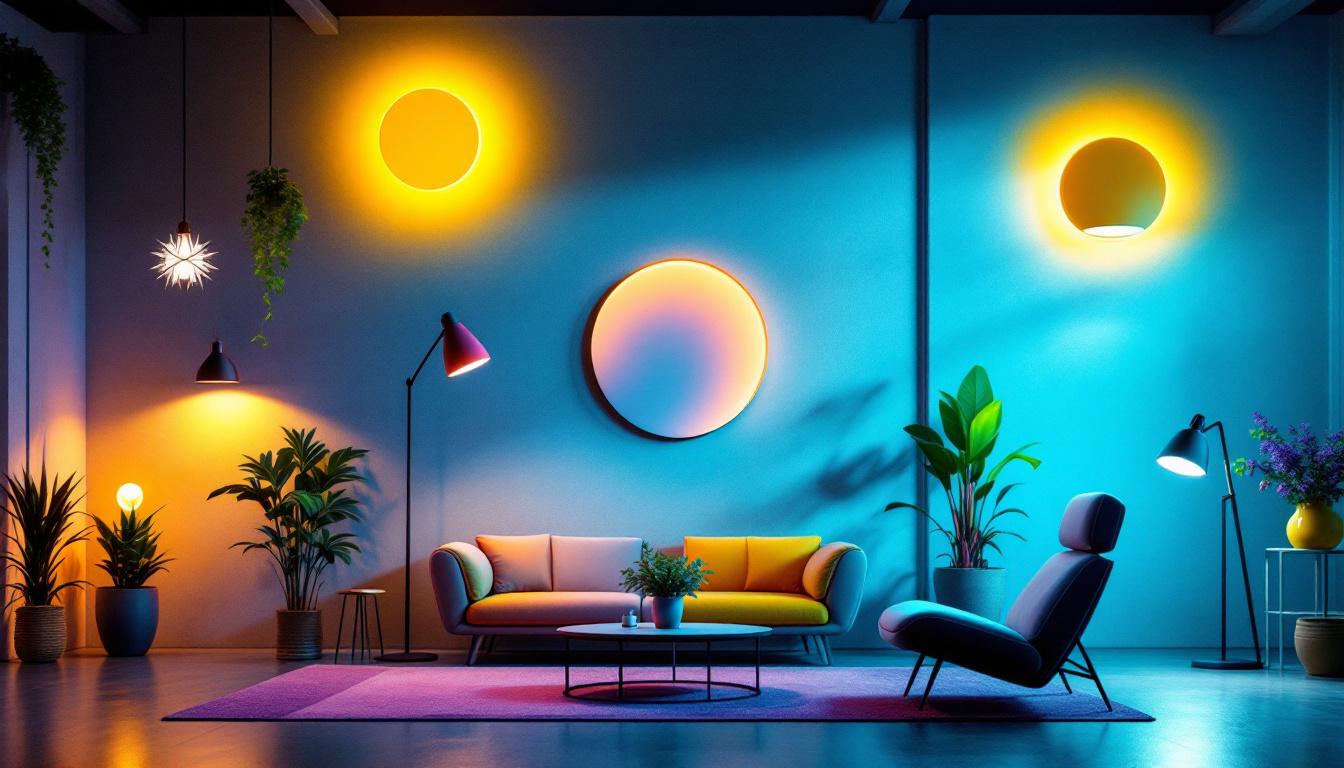
Advances in LED technology enable a vast palette of colors and dynamic effects, empowering clients to personalize their environments. From vibrant accent walls to mood lighting in hospitality venues, color customization adds a new dimension to lighting design.
Contractors who offer flexible, programmable lighting systems can differentiate their services and meet the demand for unique, immersive experiences.
Challenges and Opportunities for Lighting Contractors
While the lighting industry offers exciting possibilities, it also presents challenges that contractors must navigate to succeed. Embracing continuous learning, investing in new skills, and adapting business models are essential strategies.
Technical Complexity and Training
The integration of smart systems, advanced controls, and energy regulations increases the technical complexity of lighting projects. Contractors must pursue ongoing education and certification to maintain expertise and credibility.
Partnering with manufacturers, attending industry seminars, and engaging in hands-on training can equip contractors with the knowledge needed to implement sophisticated solutions confidently.
Customer Education and Consultation
Clients may be overwhelmed by the variety of lighting options and technologies available. Contractors who provide clear, informed guidance help clients make decisions that align with their needs and budgets.
Effective communication and consultation build trust and can lead to repeat business and referrals, reinforcing the contractor’s reputation in the market.
Leveraging Technology for Business Growth
Digital tools such as lighting design software, project management platforms, and virtual reality visualization enhance project accuracy and client engagement. Contractors who adopt these technologies can streamline workflows and showcase their expertise more effectively.
Moreover, offering maintenance contracts and smart system monitoring services creates recurring revenue streams and deepens client relationships.
Conclusion: Embracing the Future of Lighting
The question of “What type of lighting?” is more than a technical inquiry; it is a strategic decision that shapes the future of the lighting industry. For lighting contractors, understanding the diverse lighting types, embracing smart technologies, prioritizing energy efficiency, and aligning with design trends are game-changers that unlock new opportunities.
By positioning themselves as knowledgeable advisors and skilled implementers, contractors can lead the transition toward innovative, sustainable, and human-centric lighting solutions. This proactive approach not only benefits clients but also ensures long-term success in a dynamic and competitive industry.
Illuminate Your Projects with LumenWholesale
Ready to lead the charge in the future of lighting with innovative, sustainable, and efficient solutions? At LumenWholesale, we provide lighting contractors like you with the highest quality, spec-grade lighting products at the most competitive wholesale prices. Say goodbye to unnecessary markups and hello to a vast selection of reliable lighting options that meet the strictest industry standards. Plus, with free shipping on bulk orders, you can stock up on premium lighting without worrying about hidden fees. Don’t compromise on quality or value—choose LumenWholesale for the perfect fusion of affordability and convenience. Elevate your lighting game today by visiting Wholesale Lighting at the Best Value.