Introduction: Why LED Strip Lights Are Essential for Modern Ceiling Lighting
In the competitive world of lighting contracting, staying ahead means embracing innovative solutions that not only meet but exceed client expectations. LED strip lights have emerged as a transformative option for ceiling installations, offering versatility, energy efficiency, and aesthetic appeal that traditional lighting fixtures often cannot match.
For contractors, understanding the best LED strip lights for ceilings is more than just a technical decision—it’s a strategic advantage. These lights can significantly enhance project outcomes, streamline installations, and open doors to new contracts by delivering superior lighting experiences.
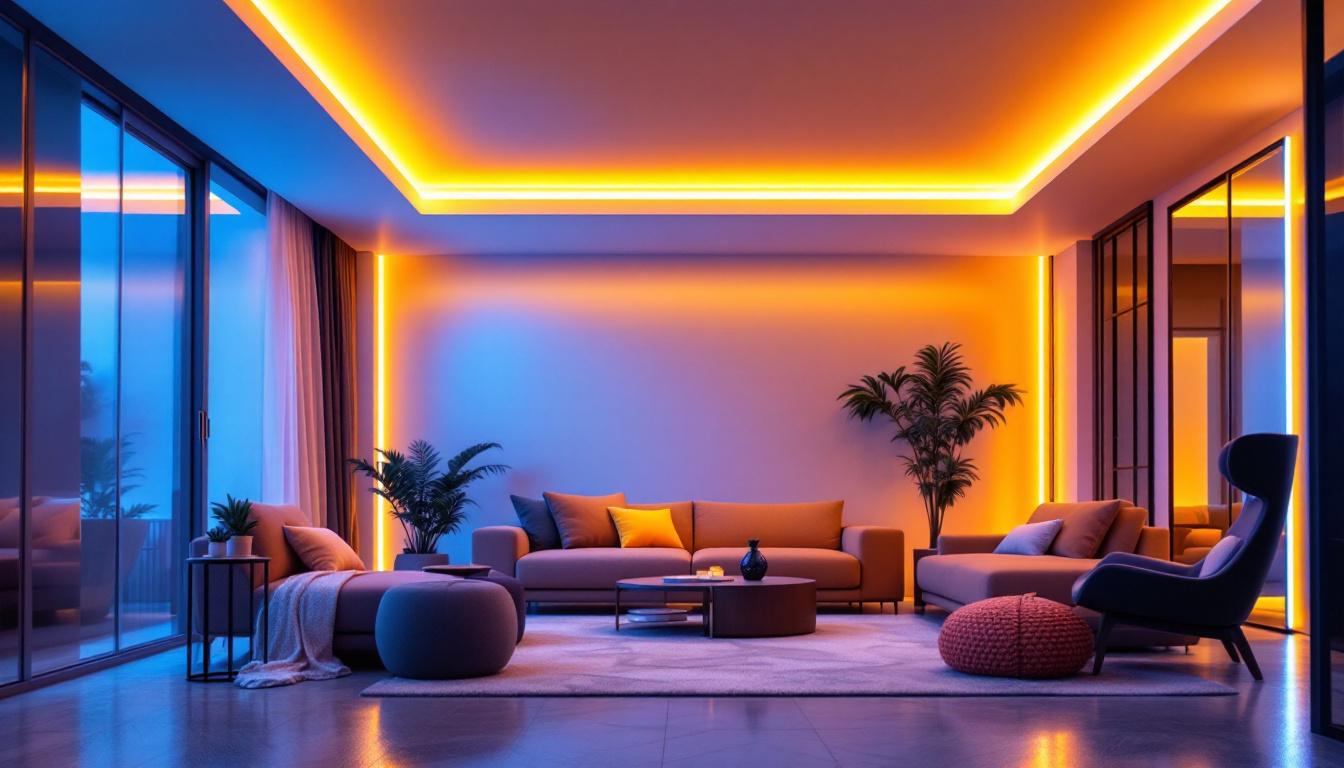
One of the most compelling features of LED strip lights is their adaptability to various design styles and environments. Whether it’s for a sleek, modern office space or a cozy residential living room, these lights can be customized in terms of color temperature, brightness, and even length. This flexibility allows contractors to tailor their lighting solutions to the specific needs and preferences of their clients, ensuring satisfaction and fostering long-term relationships. Furthermore, the ability to create dynamic lighting scenes—such as soft ambient lighting for relaxation or bright task lighting for productivity—adds an extra layer of functionality that traditional fixtures simply cannot provide.
Moreover, the energy efficiency of LED strip lights cannot be overstated. With the growing emphasis on sustainability and reducing carbon footprints, these lights offer a compelling alternative to incandescent and fluorescent options. They consume significantly less power, which not only lowers energy bills for clients but also contributes to a greener environment. Additionally, the long lifespan of LED strip lights means less frequent replacements, translating to lower maintenance costs and less waste. As contractors increasingly prioritize eco-friendly solutions, incorporating LED strip lights into their offerings positions them as forward-thinking professionals who are aligned with contemporary values.
Understanding the Benefits of LED Strip Lights for Ceiling Applications
Energy Efficiency and Cost Savings
LED strip lights consume significantly less power compared to conventional incandescent or fluorescent ceiling lights. This efficiency translates to lower energy bills for clients, a selling point that contractors can highlight during project proposals. Additionally, the long lifespan of LED strips reduces maintenance costs, making them an attractive option for commercial and residential projects alike. With an average lifespan of 25,000 to 50,000 hours, LED strips outlast traditional bulbs by several times, which means fewer replacements and less waste. This longevity not only benefits the environment by reducing landfill contributions but also provides peace of mind for clients who prefer low-maintenance solutions.
Design Flexibility and Aesthetic Appeal
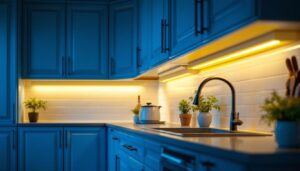
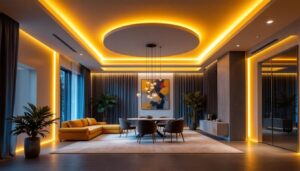
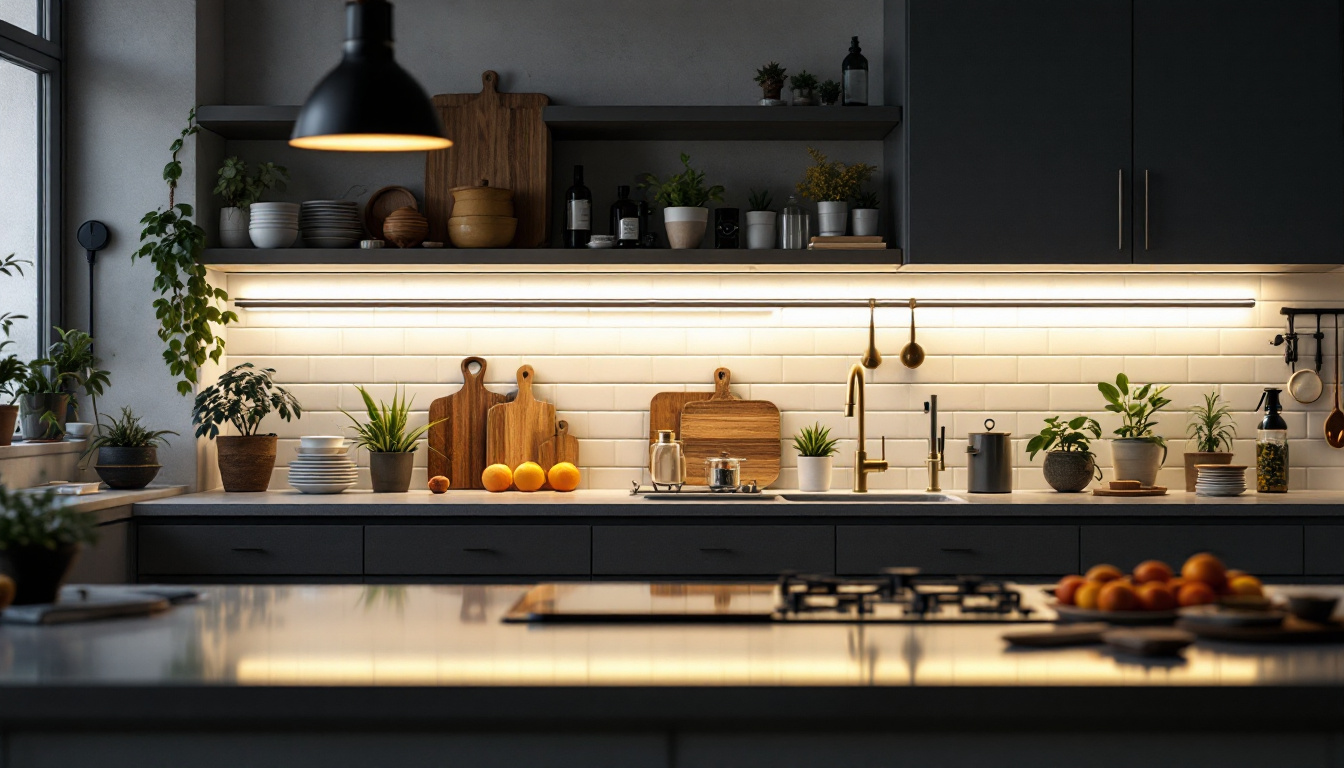
One of the standout advantages of LED strip lights is their flexibility. They can be installed in tight spaces, around corners, and along intricate ceiling designs, enabling contractors to create unique lighting effects such as cove lighting, backlighting, and accent illumination. This adaptability allows for creative freedom that can differentiate a contractor’s portfolio. Moreover, the variety of mounting options—adhesive backing, clips, or channels—means that LED strips can be seamlessly integrated into any design aesthetic, from modern minimalism to rustic charm. The ability to highlight architectural features or artwork with precision further enhances the visual impact of a space, making it not just well-lit but also visually captivating.
Improved Lighting Quality and Customization
Modern LED strips offer a broad range of color temperatures and RGB options, allowing precise control over ambiance and mood. Dimmable features and smart controls further enhance customization, enabling clients to tailor lighting to their preferences or specific functional needs. This level of control is increasingly demanded in both residential and commercial settings. For instance, in a home theater, users can adjust the lighting to create a cinematic experience, while in a retail environment, dynamic lighting can be used to draw attention to specific products or displays. Additionally, many LED strips are now compatible with smart home systems, allowing for voice control and automation, which adds a layer of convenience and modernity that appeals to tech-savvy clients.
Key Features to Look for in the Best LED Strip Lights for Ceilings
Brightness and Color Rendering Index (CRI)
Brightness, measured in lumens, is critical for ceiling lighting to ensure adequate illumination. High-quality LED strips typically offer between 800 to 1,200 lumens per meter, suitable for most ceiling applications. Equally important is the Color Rendering Index (CRI), which indicates how accurately colors appear under the light. A CRI of 90 or above is recommended to achieve natural and vibrant lighting, especially in retail or hospitality environments. In addition to brightness and CRI, consider the color temperature of the LED strips, which can range from warm white (around 2700K) to cool white (up to 6500K). The choice of color temperature can significantly influence the ambiance of a space, with warmer tones creating a cozy atmosphere, ideal for living rooms and bedrooms, while cooler tones are often preferred in workspaces for their energizing effects.
Durability and IP Rating
Ceiling installations often expose LED strips to dust, humidity, or occasional contact. Selecting LED strips with appropriate Ingress Protection (IP) ratings ensures longevity. For indoor ceiling use, IP20 is usually sufficient, but for areas prone to moisture such as kitchens or bathrooms, IP65 or higher is advisable. Durable materials and protective coatings also contribute to the lifespan and reliability of the lighting system. Additionally, consider the operating temperature range of the LED strips. High-quality strips can function effectively in a variety of conditions, from the heat of a kitchen to the cooler environments of basements or garages, ensuring consistent performance regardless of the setting.
Ease of Installation and Compatibility
Time is money for contractors. LED strips that come with strong adhesive backing, flexible PCB, and standardized connectors simplify installation and reduce labor costs. Compatibility with existing dimmers, controllers, and smart home systems is another important consideration, allowing seamless integration into client environments. Moreover, look for LED strips that offer cuttable sections, enabling customization to fit specific lengths and layouts without compromising performance. Some advanced models even feature app-controlled functionalities, allowing users to adjust brightness, color, and even create lighting scenes from their smartphones, enhancing the overall user experience and making it easier to adapt the lighting to different occasions or moods.
Top LED Strip Light Types for Ceiling Installations
Standard White LED Strips
These strips provide consistent, bright white light and are ideal for general ceiling illumination. They come in various color temperatures, from warm white (2700K-3000K) to daylight (5000K-6500K), enabling contractors to match the lighting to the room’s function and décor.
RGB and RGBW LED Strips
RGB strips offer dynamic color-changing capabilities, perfect for accent lighting or creating mood effects in entertainment spaces, restaurants, or retail stores. RGBW strips add a dedicated white LED, enhancing brightness and color accuracy when white light is needed alongside colors. These options appeal to clients seeking customizable and eye-catching lighting solutions.
High-Density LED Strips
For applications requiring uniform, shadow-free lighting—such as galleries or offices—high-density LED strips with closely spaced diodes are ideal. They produce smoother light distribution and reduce hotspots, improving the overall visual comfort and professionalism of the installation.
Installation Best Practices to Maximize Performance and Client Satisfaction
Surface Preparation and Mounting Techniques
Ensuring the ceiling surface is clean, dry, and smooth is essential for adhesive-backed LED strips to hold securely. In some cases, mounting channels or aluminum profiles can be used to enhance heat dissipation and protect the strips from damage. These profiles also provide a polished finish that appeals to discerning clients.
Power Supply and Wiring Considerations
Choosing the correct power supply with adequate wattage and voltage stability is critical to prevent flickering or premature failure. Proper wiring practices, including the use of connectors and avoiding excessive cable lengths, ensure consistent performance and simplify future maintenance.
Integration with Controls and Automation
Incorporating dimmers, remote controls, or smart home integration adds significant value to ceiling LED strip installations. Contractors who can offer these advanced features demonstrate technical expertise and meet the growing demand for intelligent lighting solutions.
How Offering the Best LED Strip Lights Can Win More Contracts
Meeting Diverse Client Needs with Tailored Solutions
Clients increasingly seek lighting that complements their lifestyle or business branding. By offering a range of LED strip options—from simple white lighting to sophisticated RGB systems—contractors can provide tailored solutions that appeal to a broad market, from homeowners to commercial developers.
Demonstrating Technical Knowledge and Professionalism
Understanding the nuances of LED strip technology, such as lumen output, CRI, and IP ratings, positions contractors as trusted experts. This professionalism builds client confidence and can be a decisive factor in winning competitive bids.
Enhancing Project Profitability Through Efficient Installations
LED strip lights often require less labor-intensive installation compared to traditional fixtures. This efficiency reduces project timelines and labor costs, improving profit margins without compromising quality—an attractive proposition for both contractors and clients.
Conclusion: Embracing LED Strip Lights as a Strategic Advantage
LED strip lights for ceilings are more than just a lighting option—they represent a strategic tool for lighting contractors aiming to expand their business and deliver exceptional results. By selecting the best LED strip lights tailored to each project’s needs and mastering installation techniques, contractors can enhance client satisfaction, reduce costs, and ultimately win more contracts.
Staying informed about the latest advancements and maintaining a commitment to quality will ensure that contractors remain competitive in a rapidly evolving lighting industry. LED strip lights are a key element in that success story, illuminating the path to greater opportunities and growth.
Illuminate Your Projects with LumenWholesale
Ready to elevate your lighting game and outshine the competition? At LumenWholesale, we provide lighting contractors with the highest quality LED strip lights for ceilings at unbeatable wholesale prices. Say goodbye to middleman markups and hello to spec-grade lighting that meets the highest industry standards. With our hassle-free bulk buying and free shipping, you can trust that you’re getting premium lighting at the best value — every time. Don’t compromise on quality or cost. Wholesale Lighting at the Best Value is just a click away. Partner with LumenWholesale today and turn bright ideas into brilliant realities.