Understanding the Role of Hanging Dining Room Lights in Interior Design
For lighting contractors, selecting the right fixture for a dining room is more than just a matter of style; it’s about balancing functionality, ambiance, and client preferences. Hanging dining room lights have long been a staple in residential and commercial interiors due to their ability to provide focused illumination and serve as a design centerpiece. Unlike other lighting options, these fixtures combine practicality with aesthetics, making them a preferred choice for many designers and homeowners.
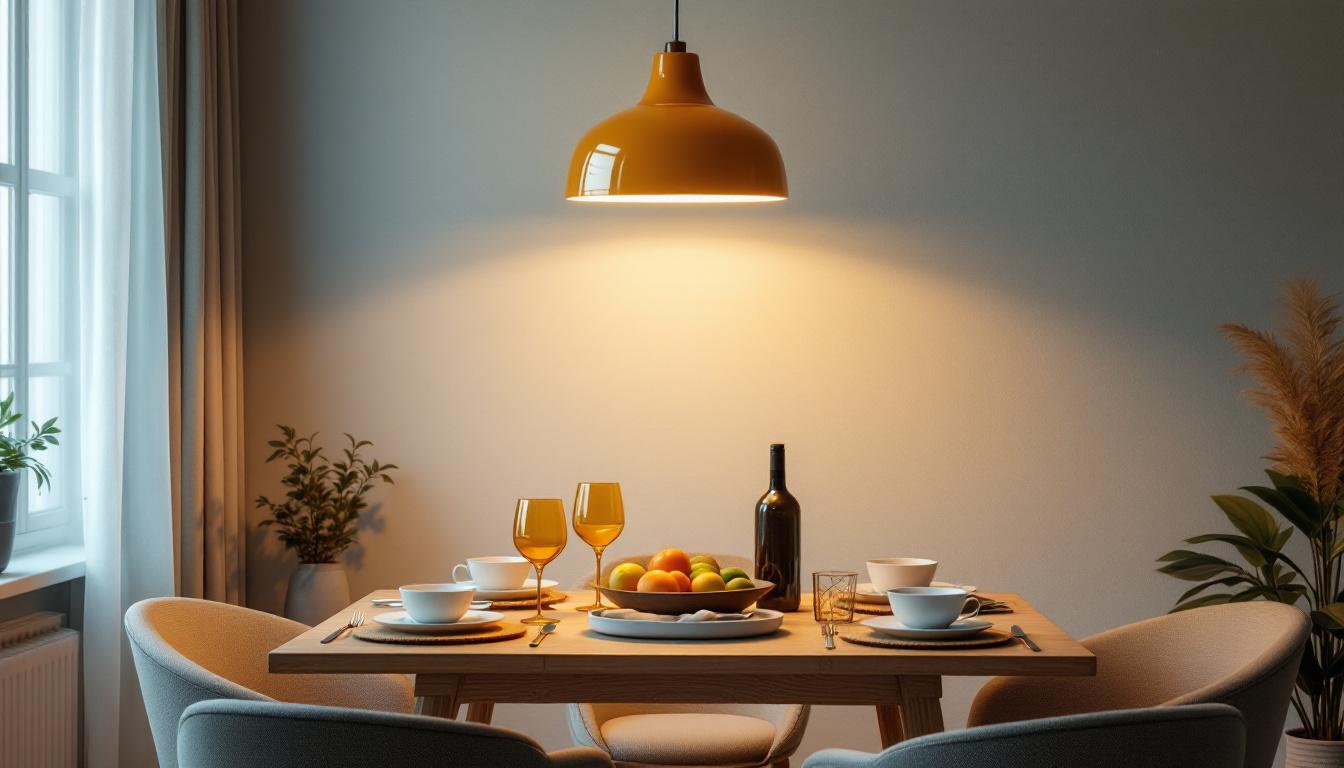
The dining room is a social hub where meals, conversations, and celebrations occur. Proper lighting enhances these experiences by creating a warm and inviting atmosphere. Hanging lights, often positioned directly above the dining table, ensure that the surface is well-lit, highlighting food presentation and facilitating clear visibility. This direct illumination is something that many alternative lighting solutions struggle to achieve effectively. Furthermore, the right hanging light can evoke a sense of style and sophistication, transforming the dining area into a space that reflects the homeowner’s personality and taste.
Key Characteristics of Hanging Dining Room Lights
Hanging lights typically feature a suspension system—chains, rods, or cables—that allows them to be positioned at an optimal height above the table. This adjustability is crucial for tailoring the lighting to different ceiling heights and table sizes. Moreover, these fixtures come in a wide range of styles, from minimalist modern pendants to elaborate chandeliers, offering versatility to suit various interior themes. The choice of materials also plays a significant role; glass, metal, and wood can all contribute to the overall aesthetic, ensuring that the fixture complements the existing decor.
Another advantage is the ability to incorporate dimmable bulbs and smart lighting technology, giving users control over brightness and mood. This adaptability is essential in dining rooms where lighting needs can shift from bright task lighting during meals to softer, ambient lighting for post-dinner relaxation. Additionally, many modern hanging lights are designed with energy efficiency in mind, utilizing LED technology that not only reduces electricity consumption but also boasts a longer lifespan. This combination of style, functionality, and sustainability makes hanging dining room lights a wise investment for any home.
Comparing Hanging Dining Room Lights with Alternative Lighting Options
Lighting contractors often face the decision between installing hanging dining room lights or opting for alternatives such as recessed lighting, wall sconces, or track lighting. Each option has its merits and limitations, which must be carefully weighed to meet the client’s needs and the space’s architectural constraints.
Recessed Lighting: Subtle and Space-Saving
Recessed lighting fixtures are installed flush with the ceiling, providing a clean and unobtrusive look. This makes them ideal for rooms with low ceilings or minimalist designs where visible fixtures might disrupt the aesthetic. However, recessed lights generally offer diffuse, ambient illumination rather than focused task lighting.
While multiple recessed lights can be strategically placed to light a dining area, they often lack the visual impact of a hanging fixture. Additionally, achieving uniform lighting without shadows on the dining table can be challenging, especially in larger rooms. For contractors, recessed lighting may require more complex wiring and ceiling modifications, which can increase installation time and costs.
Wall Sconces: Accent and Ambient Lighting
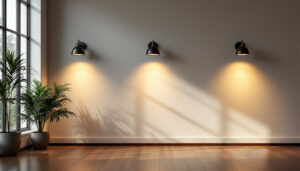
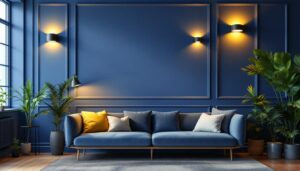
Wall sconces provide accent lighting and can complement primary light sources by adding layers of illumination. They are excellent for creating ambiance and enhancing architectural features. However, sconces alone rarely provide sufficient light for dining activities, as their light distribution is often directional and limited in reach.
From a contractor’s perspective, wall sconces are easier to install than hanging fixtures but are typically used in conjunction with other lighting rather than as a standalone solution for dining rooms.
Track Lighting: Flexibility and Modern Appeal
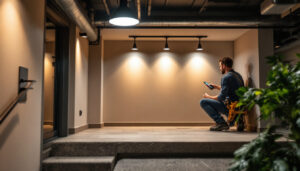
Track lighting offers adjustable heads that can be directed to illuminate specific areas or objects. This flexibility makes it a popular choice for contemporary dining rooms and multifunctional spaces. It allows for highlighting artwork, buffet areas, or the dining table itself.
However, track lighting can sometimes appear too industrial or utilitarian for traditional dining room aesthetics. Additionally, while it provides directional lighting, it may not create the intimate atmosphere that hanging lights naturally foster. Contractors must consider the overall design intent and client expectations when recommending track lighting.
Why Hanging Dining Room Lights Often Outperform Alternatives
Despite the viable alternatives, hanging dining room lights remain a preferred choice for many projects due to their unique combination of benefits. Understanding these advantages helps lighting contractors make informed recommendations and deliver superior results.
Enhanced Visual Focus and Ambiance
Hanging lights create a natural focal point in the dining room, drawing attention to the table and enhancing the dining experience. This visual anchor helps define the space, especially in open-plan layouts where the dining area may blend with other living zones.
The quality of light from hanging fixtures—often warm and direct—contributes to a cozy and inviting atmosphere. This contrasts with the more diffuse or ambient light produced by recessed or wall-mounted options, which may not provide the same level of intimacy.
Design Versatility and Customization
From sleek, single-pendant designs to grand multi-arm chandeliers, hanging dining room lights offer unparalleled design versatility. Contractors can select fixtures that align with the client’s style preferences, whether modern, rustic, industrial, or classic.
Additionally, the ability to adjust the height and incorporate various bulb types (LED, incandescent, smart bulbs) allows for tailored lighting solutions that meet both aesthetic and functional requirements. This customization potential is often limited with alternatives like recessed or track lighting.
Installation and Maintenance Considerations
While hanging lights may require careful installation—especially with heavier chandeliers or complex suspension systems—experienced contractors can efficiently manage these challenges. The upfront effort is often offset by the long-term satisfaction of clients who appreciate the fixture’s impact and functionality.
Maintenance is straightforward, involving bulb replacement and occasional cleaning. In contrast, recessed lighting may require ceiling access for repairs, and track lighting heads can become misaligned over time, necessitating adjustments.
Factors Lighting Contractors Should Consider When Choosing Fixtures
Choosing the right dining room lighting involves more than personal preference. Contractors must evaluate several critical factors to ensure the selected fixture performs well and satisfies client expectations.
Room Dimensions and Ceiling Height
The size of the dining room and the height of the ceiling significantly influence fixture selection. Hanging lights require sufficient clearance above the table—typically 28 to 34 inches—to avoid obstructing views or causing discomfort. For rooms with low ceilings, compact or semi-flush mount fixtures may be more appropriate.
In larger dining rooms, multiple pendants or a sizeable chandelier can balance the space and provide adequate illumination. Conversely, small rooms benefit from proportionally scaled fixtures to prevent overwhelming the area.
Lighting Requirements and Functionality
Understanding how the dining room will be used is crucial. For formal dining spaces, a fixture that offers dimming capabilities and warm light tones enhances ambiance. In contrast, casual dining areas or multi-use spaces might require brighter, more versatile lighting.
Contractors should also consider layering lighting by combining hanging fixtures with supplemental sources like sconces or recessed lights, creating a dynamic and adaptable environment.
Client Style and Budget
Client preferences and budget constraints play a pivotal role in fixture selection. High-end chandeliers can be a significant investment but may offer long-term value through durability and timeless appeal. More affordable pendant lights can still deliver style and function when chosen thoughtfully.
Contractors should present a range of options, highlighting the pros and cons of each, to help clients make informed decisions aligned with their vision and financial considerations.
Emerging Trends and Innovations in Dining Room Lighting
Lighting technology and design continue to evolve, offering contractors new opportunities to enhance dining spaces with innovative solutions.
Smart Lighting Integration
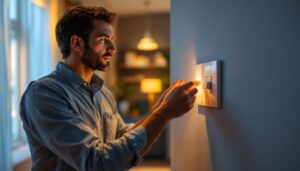
Smart lighting systems allow users to control brightness, color temperature, and scheduling via mobile apps or voice assistants. Integrating these technologies into hanging dining room lights provides clients with convenience and the ability to customize ambiance effortlessly.
Contractors should stay updated on compatible fixtures and installation requirements to offer seamless smart lighting solutions.
Energy-Efficient LED Fixtures
LED technology has revolutionized lighting by providing energy-efficient, long-lasting bulbs that generate less heat. Many hanging dining room lights now come equipped with integrated LEDs, reducing maintenance and operational costs.
Contractors can promote these fixtures as sustainable options that align with growing environmental awareness among consumers.
Artisanal and Custom Designs
There is increasing demand for unique, handcrafted lighting fixtures that serve as statement pieces. Collaborating with local artisans or manufacturers to source custom hanging lights can differentiate a contractor’s offerings and appeal to clients seeking personalized interiors.
Conclusion: Making the Optimal Choice for Dining Room Lighting
For lighting contractors, the decision to recommend hanging dining room lights over alternatives hinges on a comprehensive understanding of the space, client needs, and the strengths of each lighting type. Hanging lights excel in providing focused illumination, aesthetic appeal, and customization, making them a versatile and enduring choice.
While alternatives like recessed lighting, wall sconces, and track lighting have their place, they often serve best as supplementary or specialized solutions rather than primary dining room fixtures. By considering room dimensions, functional requirements, style preferences, and emerging technologies, contractors can confidently guide clients to lighting solutions that enhance both the beauty and usability of dining spaces.
Ultimately, the right hanging dining room light not only illuminates a room but also elevates the entire dining experience, reflecting the contractor’s expertise and commitment to quality.
Illuminate with Excellence at LumenWholesale
Ready to elevate your dining room projects with the finest hanging lights? Choose LumenWholesale for an unparalleled selection of spec-grade lighting that combines style, efficiency, and value. Our commitment to quality and affordability ensures you can provide clients with the best lighting solutions without the premium price tag. With free shipping on bulk orders, LumenWholesale is your go-to source for lighting that meets the highest industry standards. Don’t compromise on quality or cost—discover wholesale lighting at the best value today and brighten every dining experience with confidence.