Introduction to 600W Grow Lamps in Professional Lighting Projects
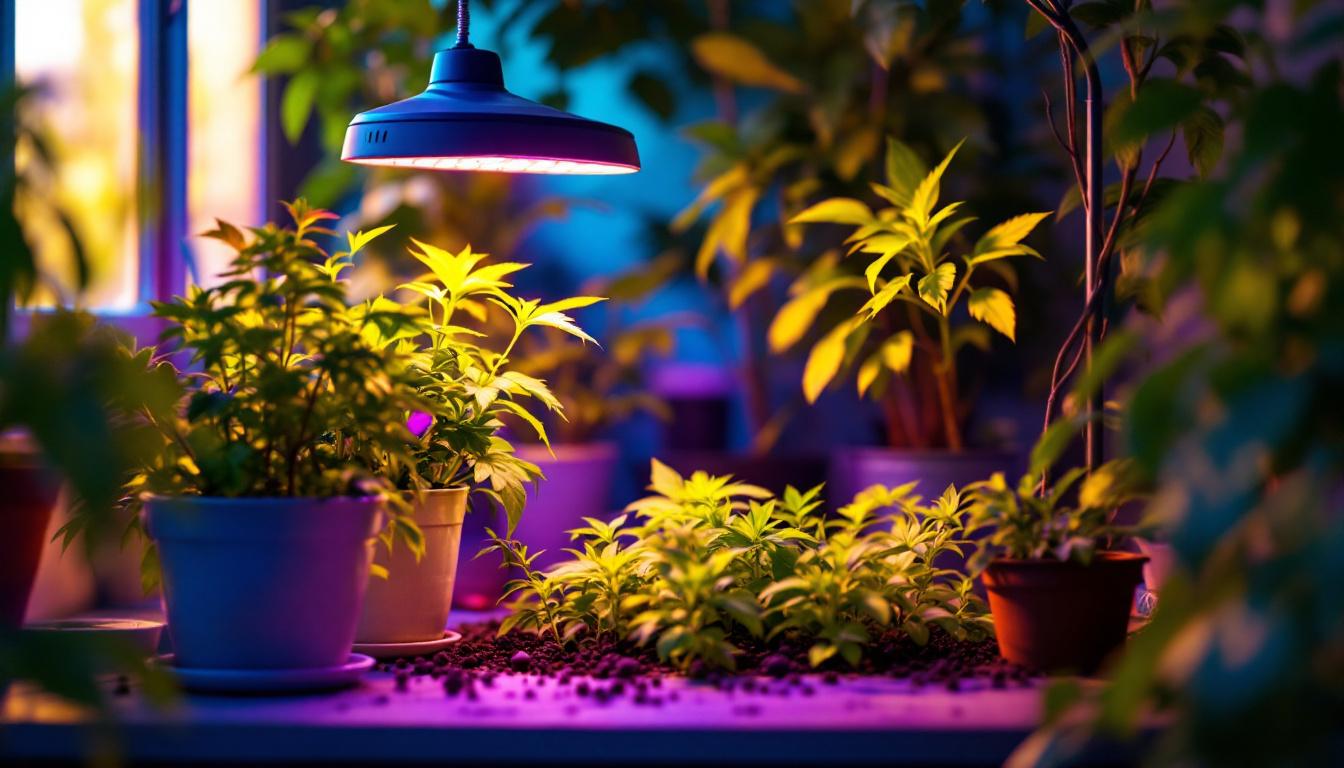
For lighting contractors, understanding the nuances of grow lamps is essential when working on projects involving horticultural lighting. The 600W grow lamp, a staple in commercial and residential grow operations, offers a balance of power and efficiency that makes it a popular choice for various applications. This guide aims to provide a comprehensive overview of 600W grow lamps, focusing on their technical specifications, installation best practices, and considerations for optimizing performance in different environments.
Whether you are retrofitting an existing grow room or designing a new lighting system from scratch, knowing the ins and outs of these lamps will ensure your installations meet the demands of modern horticulture while maintaining energy efficiency and safety standards.
In addition to their wattage, 600W grow lamps come in various types, including High-Pressure Sodium (HPS) and Metal Halide (MH) options, each with distinct spectral outputs that cater to different growth stages of plants. HPS lamps, for instance, are renowned for their efficiency in promoting flowering and fruiting, while MH lamps are favored during the vegetative phase for their ability to enhance leafy growth. Understanding these differences is crucial for contractors aiming to tailor their lighting solutions to specific plant needs, ultimately leading to healthier crops and higher yields.
Moreover, the installation of 600W grow lamps requires careful consideration of factors such as light placement, distance from plants, and the use of reflectors to maximize light distribution. Proper ventilation and heat management are also vital, as these lamps can generate significant heat that, if not managed correctly, could stress plants or lead to equipment failure. By integrating advanced cooling solutions and utilizing timers or smart controls, contractors can optimize the performance of these grow lamps, ensuring that they provide the right amount of light while minimizing energy consumption and operational costs.
Technical Overview of 600W Grow Lamps
Types and Technologies
600W grow lamps primarily come in two main types: High-Intensity Discharge (HID) lamps and Light Emitting Diode (LED) systems designed to emulate the output of HID lamps. HID lamps, including Metal Halide (MH) and High-Pressure Sodium (HPS), have been industry standards for decades due to their intense light output and spectrum suitable for plant growth stages. MH lamps are particularly favored during the vegetative phase of growth, as their blue spectrum promotes healthy leaf and stem development. Conversely, HPS lamps are preferred during the flowering stage, where the red spectrum encourages blooming and fruiting.
More recently, LED grow lamps with a 600W power rating have gained traction for their energy efficiency, lower heat output, and customizable light spectra. Unlike traditional HID systems, which can generate significant heat and require additional cooling systems, LEDs operate at much lower temperatures, reducing the risk of heat stress on plants. Additionally, the ability to adjust the light spectrum in LED systems allows growers to cater to specific plant needs at various growth stages, enhancing overall plant health and yield. Understanding the differences between these technologies is crucial for contractors to recommend the right solution based on client needs, budget, and environmental constraints.
Electrical and Photometric Specifications
A 600W grow lamp typically consumes 600 watts of electrical power, but the actual energy efficiency and light output can vary significantly between technologies. For example, traditional HPS lamps may produce around 100-150 micromoles per joule (μmol/J) of photosynthetically active radiation (PAR), whereas high-quality LEDs can exceed 2.0 μmol/J, translating into more usable light per watt consumed. This efficiency not only reduces electricity costs but also minimizes the environmental impact of indoor gardening and commercial agriculture.
Contractors should also consider the lamp’s color temperature and spectrum. Metal Halide lamps emit a cooler, bluish light ideal for vegetative growth, while HPS lamps emit warmer, reddish light suitable for flowering phases. LEDs offer adjustable spectra, allowing for tailored lighting strategies that can improve crop yields and quality. Furthermore, the longevity of LED systems—often lasting up to 50,000 hours compared to the 10,000 hours typical of HID lamps—means less frequent replacements and lower maintenance costs. This durability makes LEDs an attractive option for both hobbyists and commercial growers looking to maximize their investment over time.
Installation Considerations for Lighting Contractors
Power Supply and Ballast Compatibility
Proper electrical installation is paramount for the safe and efficient operation of 600W grow lamps. HID lamps require compatible ballasts that regulate voltage and current. Magnetic ballasts, while traditional, are less efficient and generate more heat compared to electronic ballasts, which are lighter, quieter, and more energy-efficient.
For LED grow lamps, drivers replace ballasts and must match the lamp’s voltage and current requirements precisely. Contractors should verify compatibility and ensure wiring adheres to local electrical codes to prevent hazards such as electrical fires or equipment failure.
Mounting and Heat Management
Heat dissipation is a critical factor when installing 600W grow lamps, especially HID types that generate significant heat. Proper mounting hardware and spacing are necessary to prevent heat damage to plants and equipment. Reflectors and housings should be installed to maximize light distribution while minimizing heat buildup.
LED grow lamps typically produce less heat, but adequate ventilation remains important to maintain optimal growing conditions and prolong lamp lifespan. Contractors should assess the grow environment’s airflow and cooling systems to integrate lighting effectively.
Safety and Compliance
Ensuring compliance with safety standards, such as those established by UL, CE, or other relevant authorities, is essential. Lighting contractors must use certified components and follow installation guidelines to protect end-users and maintain warranty coverage. Additionally, grounding and surge protection are critical elements in preventing electrical hazards.
Optimizing Performance and Energy Efficiency
Light Spectrum and Growth Stages
Understanding plant biology is key to optimizing grow lamp performance. Different growth stages—vegetative, flowering, and fruiting—require varying light spectra. Lighting contractors should advise clients on selecting lamps or adjustable systems that deliver the appropriate spectrum for each phase, enhancing plant health and maximizing yield.
For instance, a combination of MH and HPS lamps or full-spectrum LEDs can be employed to simulate natural sunlight cycles, promoting robust growth and flowering. The ability to fine-tune lighting schedules and intensities is an added advantage in commercial grow operations.
Energy Consumption and Cost Management
Energy costs represent a significant portion of operational expenses in grow facilities. Contractors can help clients reduce costs by recommending energy-efficient ballasts, LED alternatives, and smart lighting controls such as timers and dimmers. Integrating sensors to adjust lighting based on ambient conditions can further optimize energy use.
Moreover, selecting lamps with longer lifespans reduces maintenance frequency and replacement costs. LEDs often outperform HID lamps in this regard, making them a compelling choice for long-term investments.
Case Studies and Practical Applications
Commercial Greenhouses
In commercial greenhouse settings, 600W grow lamps are frequently used to supplement natural sunlight, extending growing seasons and improving crop quality. Lighting contractors must design systems that integrate artificial lighting seamlessly with existing infrastructure, ensuring uniform light distribution and minimal energy waste.
One successful approach involves using adjustable LED arrays that can be repositioned as plants grow, maintaining optimal light intensity and coverage. This flexibility enhances crop uniformity and reduces energy consumption by targeting light where it is most needed.
Indoor Vertical Farms
Indoor vertical farms rely heavily on artificial lighting due to the absence of natural light. Here, 600W grow lamps, particularly LEDs, play a pivotal role in creating controlled environments that maximize space efficiency and crop turnover. Contractors must focus on precise installation, ensuring that light penetration reaches all layers of vertically stacked plants.
Advanced lighting controls integrated with environmental monitoring systems allow for dynamic adjustments, improving plant growth rates and reducing operational costs. Proper heat management and electrical safety are also critical in these densely packed installations.
Residential Grow Rooms
For residential or small-scale growers, 600W grow lamps offer a powerful yet manageable lighting solution. Contractors working on these projects should emphasize ease of installation, safety, and minimizing heat output to maintain comfortable indoor conditions.
Using LED grow lamps can reduce the need for additional cooling systems, making them ideal for home use. Providing clients with guidance on lamp placement, ventilation, and electrical requirements ensures successful and safe grow room setups.
Maintenance and Troubleshooting Tips for Lighting Contractors
Routine Inspection and Cleaning
Regular maintenance extends the lifespan and efficiency of 600W grow lamps. Contractors should advise clients to inspect lamps, ballasts, and wiring periodically for signs of wear, corrosion, or damage. Cleaning lamp surfaces and reflectors ensures maximum light output by removing dust and residue that can block light transmission.
Identifying Common Issues
Common problems include flickering lights, reduced brightness, and premature lamp failure. These symptoms often indicate ballast issues, electrical faults, or lamp degradation. Contractors should be prepared to diagnose these problems using appropriate testing tools and recommend timely replacements or repairs.
Upgrading Systems
As technology evolves, upgrading from traditional HID 600W lamps to LED alternatives can provide clients with improved energy efficiency and lighting control. Contractors should assess existing systems and offer retrofit solutions that minimize downtime and installation complexity while maximizing benefits.
Conclusion: The Role of Lighting Contractors in Horticultural Lighting Success
600W grow lamps remain a critical component in many horticultural lighting projects, bridging the gap between power, efficiency, and cost-effectiveness. For lighting contractors, mastering the technical details, installation requirements, and performance optimization strategies of these lamps is essential to delivering successful outcomes.
By staying informed about the latest technologies and best practices, contractors can provide valuable guidance to clients, ensuring that grow operations achieve their full potential while adhering to safety and energy standards. This expertise not only enhances professional reputation but also contributes to the advancement of sustainable and productive horticultural environments.
Get Your 600W Grow Lamps at LumenWholesale
Ready to elevate your horticultural lighting projects with the best 600W grow lamps on the market? Look no further than LumenWholesale, where we provide lighting contractors with superior, spec-grade lighting products at unbeatable wholesale prices. Our extensive selection is designed to meet the highest industry standards, ensuring you get the most reliable and high-performance lighting solutions for every project. Plus, with free shipping on bulk orders, you can stock up on premium lighting without worrying about hidden fees or compromises. Don’t miss out on the perfect blend of quality, affordability, and convenience. Visit us at LumenWholesale for Wholesale Lighting at the Best Value and make your next lighting project a resounding success.