Understanding the Fundamentals of Track Lighting
Track lighting has become a staple in both residential and commercial lighting design due to its versatility and aesthetic appeal. For lighting contractors, mastering the basics of track lighting systems is crucial to delivering high-quality installations that meet client expectations and comply with industry standards.
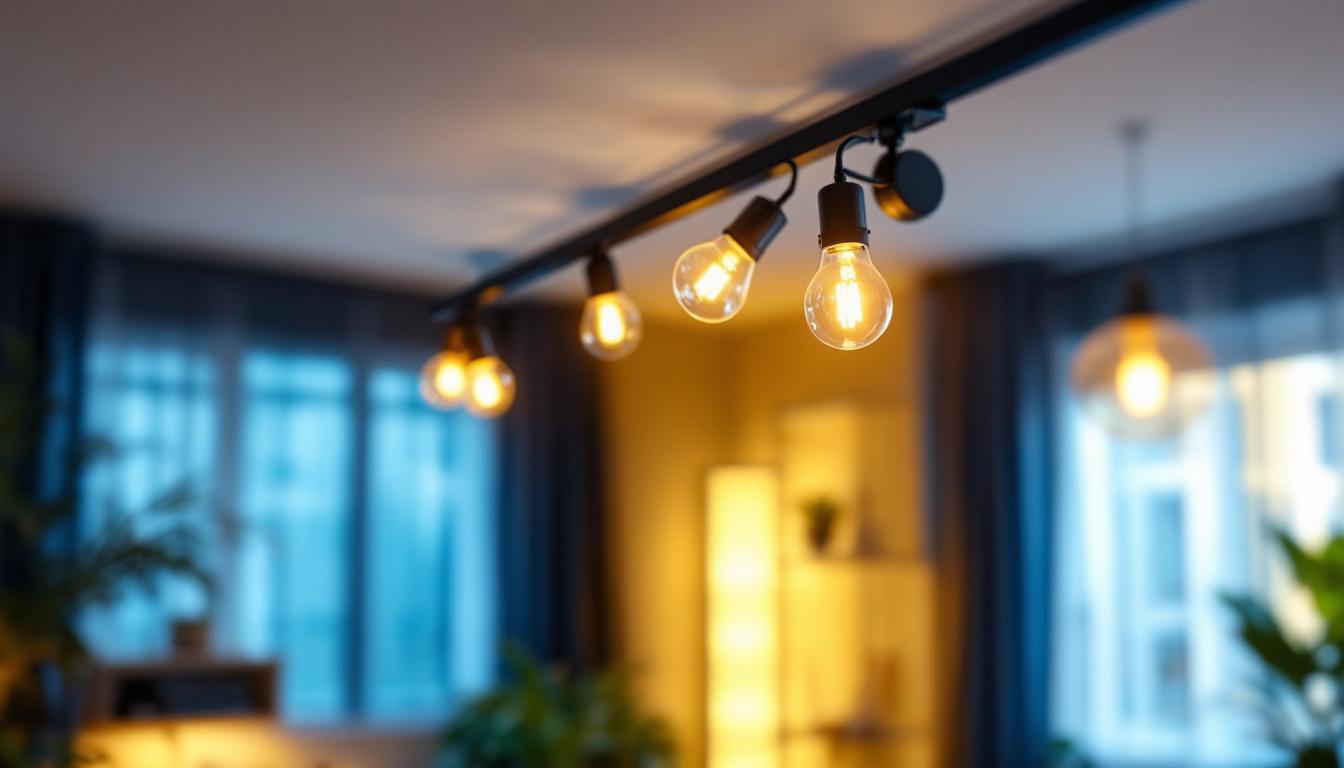
At its core, track lighting consists of a linear housing (the track) that holds multiple light fixtures or heads. These heads can be repositioned along the track, allowing for customizable lighting arrangements. This flexibility makes track lighting ideal for highlighting artwork, accentuating architectural features, or providing general illumination in dynamic spaces. Additionally, the ability to pivot and rotate the fixtures means that lighting can be directed exactly where it is needed, creating dramatic effects or subtle enhancements depending on the desired ambiance.
When paired with LED bulbs, track lighting offers enhanced energy efficiency, longer lifespan, and superior light quality compared to traditional incandescent or halogen bulbs. Understanding how to integrate LED technology into track lighting systems is essential for contractors aiming to provide modern, sustainable lighting solutions. Furthermore, the advancement in LED technology has led to a variety of color temperatures and dimming options, allowing for greater control over the mood and functionality of a space. This adaptability is particularly beneficial in environments such as galleries or retail stores, where lighting can significantly influence the perception of products and artwork.
Types of Track Lighting Systems
Lighting contractors should be familiar with the three primary types of track lighting systems: H-type (Halo), J-type (Juno), and L-type (Lightolier). Each system has unique track profiles and electrical configurations, which affect compatibility with fixtures and bulbs.
H-type tracks are widely used and support a broad range of fixtures, making them a popular choice for commercial installations. J-type tracks are known for their sleek design and are often preferred in residential settings. L-type tracks offer a more compact profile and are favored for their aesthetic integration in modern interiors. Each type also presents different installation requirements and mounting options, which can affect the overall design and functionality of the lighting scheme.
Choosing the appropriate track system depends on the project’s requirements, including load capacity, fixture compatibility, and architectural considerations. Contractors must ensure that LED bulbs and fixtures are compatible with the chosen track system to avoid electrical issues and ensure optimal performance. Additionally, understanding the specific needs of the space, such as ceiling height, room layout, and intended use, can guide the selection process. For instance, in a high-ceilinged space, longer tracks with adjustable fixtures may be necessary to achieve the desired lighting effect, while a smaller room might benefit from a more compact arrangement that maximizes light without overwhelming the space.
Advantages of LED Bulbs in Track Lighting
LED technology has revolutionized the lighting industry, offering numerous benefits that make it the preferred choice for track lighting applications. Lighting contractors should understand these advantages to effectively communicate value to clients and optimize installations.
Energy Efficiency and Cost Savings
LED bulbs consume significantly less energy than traditional incandescent or halogen bulbs—often up to 80% less—resulting in substantial cost savings on electricity bills. For commercial clients, this efficiency translates into lower operational costs and a reduced carbon footprint, aligning with growing sustainability goals.
Moreover, LEDs generate less heat, which decreases cooling loads in interior spaces. This factor is particularly important in retail or gallery environments where maintaining a comfortable temperature is critical. By reducing the reliance on air conditioning systems, businesses can further enhance their energy efficiency, contributing to a more sustainable operational model. In fact, some studies suggest that switching to LED lighting can lead to an overall reduction in energy consumption that rivals other energy-saving measures, making it a smart choice for businesses looking to improve their environmental impact.
Longevity and Maintenance Reduction
LED bulbs have a much longer lifespan, typically lasting 25,000 to 50,000 hours, compared to 1,000 to 2,000 hours for incandescent bulbs. This longevity reduces the frequency of bulb replacements, minimizing maintenance costs and disruptions, especially in commercial or high-ceiling installations.
For contractors, recommending LED track lighting can enhance client satisfaction by ensuring a durable, low-maintenance lighting solution that performs reliably over time. This reliability not only fosters trust between contractors and clients but also allows businesses to allocate resources more efficiently, focusing on core operations rather than routine maintenance. Furthermore, many LED products come with warranties that can last several years, providing additional peace of mind and reinforcing the investment in quality lighting solutions.
Superior Light Quality and Customization
LEDs offer excellent color rendering capabilities, with many bulbs achieving a Color Rendering Index (CRI) of 90 or above. This high CRI ensures that colors appear vibrant and true to life, which is essential in retail, gallery, and hospitality settings where visual appeal is paramount.
Additionally, LEDs are available in a wide range of color temperatures, from warm white to daylight, allowing contractors to tailor the ambiance of a space precisely. Dimmable LED track lights provide further control over lighting levels, enhancing the versatility of track lighting systems. This adaptability is particularly beneficial for spaces that serve multiple functions, such as conference rooms or event venues, where lighting needs may shift throughout the day. By utilizing smart lighting controls, contractors can offer clients the ability to program different lighting scenarios, creating the perfect atmosphere for any occasion while maximizing the utility of their track lighting systems.
Installation Best Practices for LED Track Lighting
Proper installation is critical to maximizing the performance and longevity of LED track lighting systems. Lighting contractors must adhere to best practices to ensure safety, functionality, and client satisfaction.
Assessing Electrical Load and Compatibility
Before installation, contractors should calculate the total electrical load of the track lighting system to ensure the existing wiring and circuit breakers can handle the demand. Although LED bulbs draw less power, the cumulative wattage of multiple fixtures must be considered.
Compatibility between the LED bulbs, fixtures, and track system is also vital. Using mismatched components can lead to flickering, reduced lifespan, or even electrical hazards. Contractors should source components from reputable manufacturers and verify specifications to guarantee seamless integration.
Optimizing Fixture Placement and Beam Angles
One of the key benefits of track lighting is its adjustability. Contractors should work closely with clients to determine the optimal placement of fixtures to achieve desired lighting effects. This involves considering beam angles, fixture spacing, and target surfaces.
For accent lighting, narrow beam angles (15° to 30°) focus light on specific objects, while wider beam angles (40° to 60°) provide more general illumination. Proper spacing prevents shadows and uneven lighting, enhancing the overall aesthetic and functionality of the space.
Ensuring Compliance with Electrical Codes and Safety Standards
Lighting contractors must ensure all installations comply with local electrical codes and safety standards, such as the National Electrical Code (NEC) in the United States. This includes proper grounding, secure mounting, and the use of appropriate connectors and wiring methods.
Adhering to these regulations not only protects clients and end-users but also safeguards contractors from liability and potential rework. Regular training and staying updated on code changes are essential components of professional practice.
Addressing Common Challenges in LED Track Lighting Projects
Despite the advantages, contractors may encounter challenges when working with LED track lighting. Anticipating and addressing these issues can improve project outcomes and client satisfaction.
Flickering and Dimming Issues
Flickering is a common complaint associated with LED lighting, often caused by incompatible dimmers or poor-quality drivers. Contractors should specify dimmers designed for LED loads and verify compatibility with the selected bulbs and fixtures.
Testing dimming functionality before finalizing installation can prevent costly callbacks. Additionally, educating clients on the limitations and proper use of dimming controls helps manage expectations.
Heat Management and Ventilation
Although LEDs generate less heat than traditional bulbs, heat dissipation remains critical to maintaining performance and longevity. Track fixtures must be designed to allow adequate airflow around LED components.
Contractors should avoid overcrowding fixtures and ensure that track systems are installed in locations that do not trap heat, such as enclosed ceilings without ventilation. Proper heat management reduces the risk of premature LED failure.
Color Consistency and Quality Control
Variations in color temperature or brightness between LED bulbs can detract from the visual harmony of a space. Contractors should source LEDs from reputable manufacturers with strict quality control processes to ensure consistency.
When replacing bulbs in existing installations, matching the color temperature and CRI of new LEDs to the originals is essential to maintain uniform lighting.
Emerging Trends and Technologies in LED Track Lighting
The lighting industry continues to evolve rapidly, with new technologies enhancing the capabilities of LED track lighting systems. Staying informed about these trends enables contractors to offer cutting-edge solutions to clients.
Smart Lighting Integration
Smart LED track lighting systems allow for advanced control via mobile apps, voice assistants, and automation platforms. Features such as color tuning, scene setting, and occupancy sensing improve energy efficiency and user experience.
Contractors skilled in integrating smart lighting can differentiate their services and meet the growing demand for connected, customizable lighting environments.
Improved LED Driver Technologies
Advancements in LED driver design have led to more reliable, flicker-free, and energy-efficient operation. Digital drivers with built-in diagnostics and wireless control capabilities are becoming more common, simplifying installation and maintenance.
Understanding these technologies helps contractors recommend appropriate components that enhance system performance and longevity.
Sustainable and Recyclable Materials
Environmental considerations are increasingly influencing lighting design. Manufacturers are developing track lighting components using recyclable and sustainable materials, reducing environmental impact.
Contractors who prioritize eco-friendly products can appeal to environmentally conscious clients and contribute to sustainable building practices.
Conclusion: Equipping Lighting Contractors for Success
Track lighting with LED bulbs represents a dynamic and growing segment of the lighting market. For lighting contractors, expertise in this area is essential to delivering efficient, attractive, and reliable lighting solutions that satisfy diverse client needs.
By understanding the fundamentals of track lighting systems, leveraging the benefits of LED technology, adhering to best installation practices, and staying abreast of emerging trends, contractors can enhance their professional capabilities and drive business growth.
Ultimately, the combination of technical knowledge, attention to detail, and commitment to quality positions lighting contractors to excel in the competitive lighting industry and contribute meaningfully to the built environment.
Get Your Premium Track Lighting Supplies at LumenWholesale
Ready to elevate your lighting projects with the efficiency and elegance of LED track lighting? Look no further than LumenWholesale for all your lighting needs. We provide lighting contractors with an exceptional range of spec-grade track lighting products at unbeatable wholesale prices. Say goodbye to local distributor markups and hello to superior quality without the inflated costs. With our commitment to reliability and performance, plus the convenience of free shipping on bulk orders, LumenWholesale is your go-to source for premium lighting solutions. Don’t compromise on quality or value—explore our collection now and bring the best in track lighting to your clients.