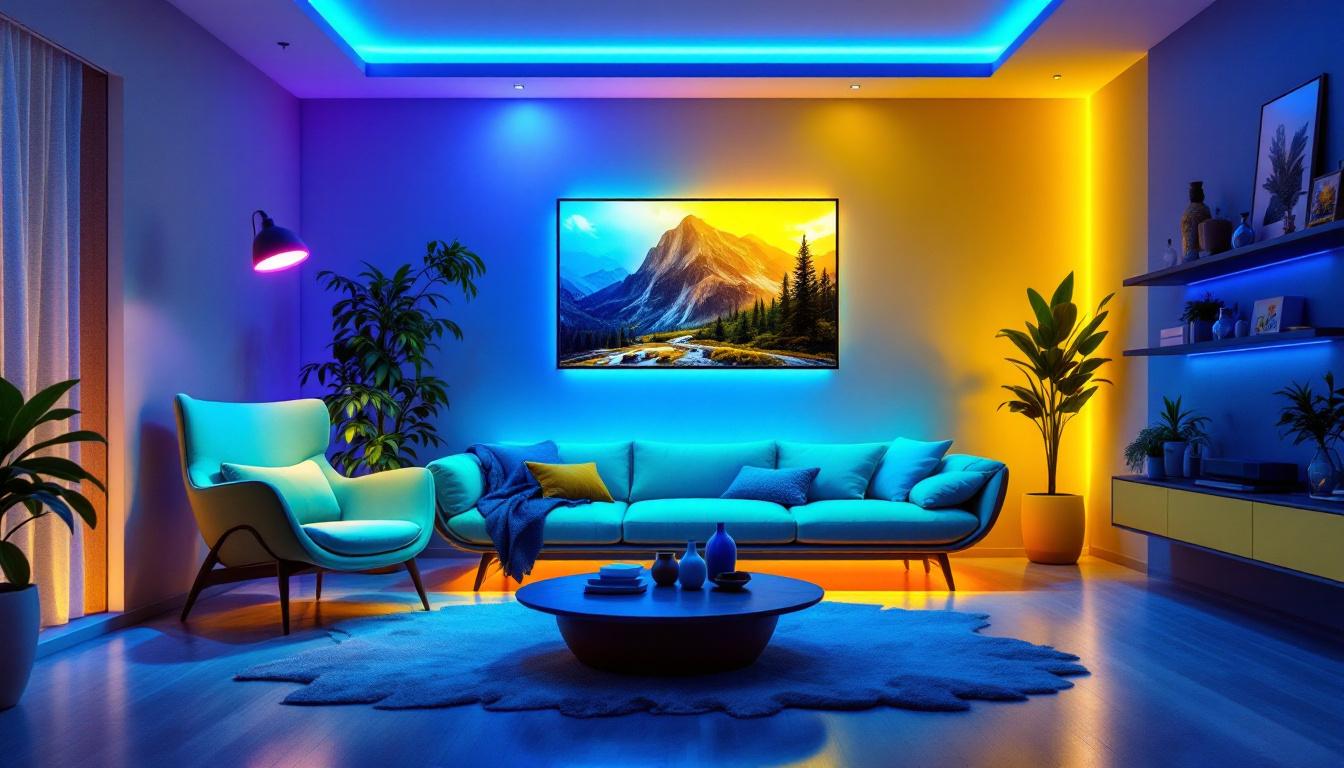
Understanding the Importance of LED Landscape Lighting
LED landscape lighting has revolutionized the way outdoor spaces are illuminated, offering unmatched efficiency, durability, and design flexibility. For lighting contractors, mastering LED technology is not just about installing fixtures; it’s about enhancing outdoor aesthetics, improving safety, and maximizing energy savings for clients.
Unlike traditional lighting options, LEDs consume significantly less power, often reducing energy use by up to 80%. This efficiency translates into lower operational costs and a smaller carbon footprint, aligning with the growing demand for sustainable solutions in landscaping projects. Additionally, LEDs have an extended lifespan, frequently lasting tens of thousands of hours longer than incandescent or halogen bulbs, which reduces maintenance frequency and cost.
Why LED Landscape Lighting Matters to Contractors
For contractors, the shift to LED technology represents an opportunity to deliver superior value. Clients increasingly expect lighting solutions that blend form and function seamlessly. LEDs enable contractors to create dynamic lighting effects, from subtle pathway illumination to dramatic architectural highlights, all while maintaining energy efficiency and durability.
Moreover, LED fixtures are often more compact and versatile, allowing for creative placement and integration into various landscape elements such as trees, water features, and garden beds. This versatility helps contractors differentiate their services and build a reputation for innovative design.
Furthermore, the color temperature of LED lights can be customized to suit different environments and moods, ranging from warm, inviting tones to cooler, more modern shades. This adaptability allows contractors to tailor their lighting designs to the specific preferences of their clients, enhancing the overall ambiance of outdoor spaces. Additionally, with advancements in smart lighting technology, contractors can offer clients the ability to control their landscape lighting remotely, adjusting brightness and color to suit various occasions or personal preferences, thereby elevating the user experience.
As the demand for outdoor living spaces continues to rise, the integration of LED landscape lighting becomes even more critical. Homeowners are increasingly looking to extend their living areas outdoors, creating inviting spaces for entertaining and relaxation. By incorporating LED lighting into these designs, contractors can help clients achieve a seamless transition from indoor to outdoor environments, ensuring that these spaces are not only functional but also visually stunning both day and night.
Key Features to Look for in the Best LED Landscape Lights
Choosing the right LED landscape lights requires a deep understanding of product specifications and how they translate into real-world performance. Lighting contractors must evaluate several critical features to ensure optimal results for their projects.
Color Temperature and CRI (Color Rendering Index)
Color temperature, measured in Kelvins (K), determines the warmth or coolness of the light. For landscape lighting, a range between 2700K and 3000K is typically preferred, as it provides a warm, inviting glow that complements natural surroundings without appearing harsh.
The Color Rendering Index (CRI) measures how accurately a light source reveals colors compared to natural light. A CRI of 80 or above is desirable for landscape lighting to ensure plants, architectural details, and outdoor furnishings appear vibrant and true-to-life after dark.
Beam Angle and Light Distribution
Understanding beam angle is crucial for achieving the desired lighting effect. Narrow beam angles (10°–25°) are ideal for spotlighting and accentuating specific features like statues or trees, while wider angles (40°–60°) work well for general area lighting and pathways.
Contractors should consider fixtures with adjustable beam angles or a variety of lens options to tailor light distribution precisely. This flexibility helps in avoiding light pollution and ensures that illumination is both effective and aesthetically pleasing.
Durability and Weather Resistance
Outdoor lighting fixtures must withstand exposure to moisture, temperature fluctuations, and physical impact. Look for LED landscape lights with robust housing materials such as die-cast aluminum or stainless steel, coupled with high ingress protection ratings (IP65 or higher) to guarantee resistance to dust and water.
Additionally, UV-resistant coatings help prevent color fading and material degradation over time, ensuring the fixtures maintain their appearance and functionality through harsh weather conditions.
Smart Controls and Dimming Capabilities
Modern LED landscape lights often come equipped with smart control options, allowing for remote operation, scheduling, and integration with home automation systems. These features enable contractors to offer clients enhanced convenience and energy management.
Dimming capabilities are also essential for creating mood and ambiance. Lights that support smooth dimming allow for gradual transitions and customized brightness levels, enhancing the overall outdoor experience.
Top LED Landscape Lighting Types and Their Applications
Different landscape lighting applications demand specific types of LED fixtures. Understanding these categories helps contractors recommend and implement the best solutions tailored to each project’s unique requirements.
Path and Walkway Lights
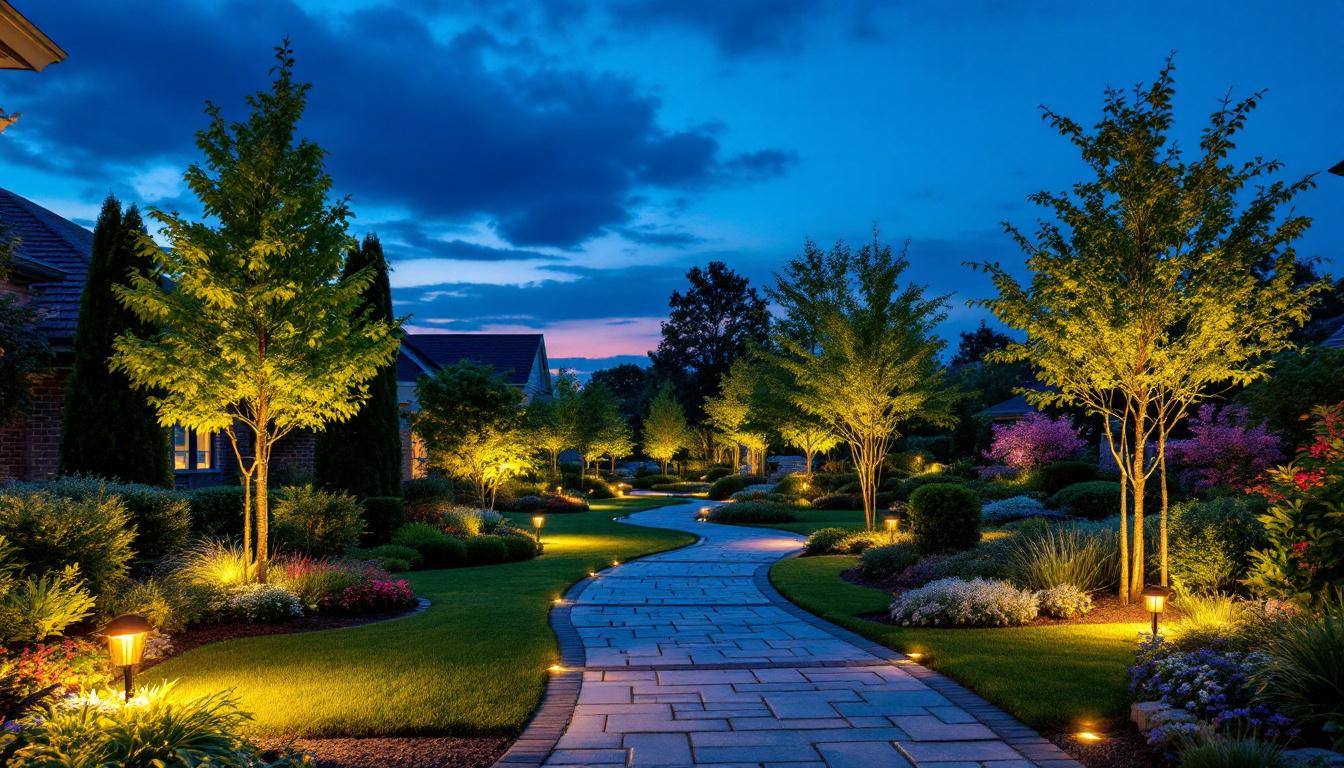
Path lights provide safety and guidance by illuminating walkways, driveways, and garden paths. LED path lights typically feature low-profile designs with downward-facing lenses to minimize glare and light trespass.
Contractors should select fixtures with warm color temperatures and moderate brightness to create a welcoming atmosphere without overwhelming the landscape. Solar-powered LED path lights can be an option for areas where wiring is impractical, though hardwired solutions generally offer greater reliability and brightness.
Spotlights and Floodlights
Spotlights are perfect for highlighting specific landscape features such as trees, sculptures, or architectural elements. Their narrow beam focuses attention and adds depth to outdoor spaces. Floodlights, with wider beams, are suitable for illuminating larger areas like patios or backyards.
LED spotlights and floodlights with adjustable heads provide flexibility in directing light precisely where needed. Contractors should consider fixtures with high lumen output and robust housings to ensure effective and long-lasting performance.
Deck and Step Lights
Deck and step lights enhance safety by illuminating stairs, decks, and other transitional areas. These fixtures are often recessed or surface-mounted, providing subtle, low-level lighting that reduces tripping hazards without causing glare.
LED deck and step lights should be rated for outdoor use and designed to blend seamlessly with decking materials. Warm white LEDs are typically preferred to maintain a cozy ambiance.
Underwater and Fountain Lights
For water features, specialized waterproof LED lights create stunning visual effects by illuminating fountains, ponds, and pools. These fixtures must have high ingress protection ratings (IP68 or above) to ensure safe, long-term operation underwater.
Color-changing LEDs can add dynamic effects to water features, allowing contractors to offer clients customizable lighting experiences that enhance outdoor entertainment areas.
Installation Best Practices for Lighting Contractors
Proper installation is critical to maximizing the performance and longevity of LED landscape lighting systems. Lighting contractors should adhere to industry best practices to ensure client satisfaction and reduce maintenance issues.
Site Assessment and Lighting Design
Before installation, conduct a thorough site assessment to understand the landscape layout, existing electrical infrastructure, and client preferences. Developing a detailed lighting plan helps identify optimal fixture placement, wiring routes, and control system integration.
Utilizing lighting design software or 3D modeling tools can assist in visualizing the final effect and making adjustments before physical installation, saving time and resources.
Proper Wiring and Electrical Considerations
Use outdoor-rated cables and connectors to ensure safety and durability. Low-voltage (12V) systems are common in landscape lighting due to their safety and energy efficiency advantages. However, contractors must ensure transformers are correctly sized to handle the total wattage and are installed in weather-protected locations.
Ground fault circuit interrupters (GFCIs) are essential for preventing electrical hazards, especially near water features. Adhering to local electrical codes and regulations is mandatory to guarantee compliance and safety.
Fixture Placement and Aiming
Strategic fixture placement enhances both functionality and aesthetics. Avoid placing lights where they cause glare or light trespass into neighbors’ properties. Use shields or baffles when necessary to control light spill.
Aiming fixtures accurately is crucial for achieving the desired lighting effect. Adjustable fixtures allow fine-tuning after installation, which is particularly helpful in dynamic landscapes where plant growth or seasonal changes may alter the scene.
Maintenance and Troubleshooting Tips
Although LEDs require less maintenance than traditional lighting, regular inspections help identify issues such as dirt accumulation on lenses, loose connections, or water ingress. Cleaning fixtures periodically ensures optimal light output and appearance.
Contractors should educate clients on basic maintenance and offer service plans to address potential repairs or upgrades, fostering long-term relationships and recurring business.
Emerging Trends and Innovations in LED Landscape Lighting
Staying informed about the latest advancements enables lighting contractors to offer cutting-edge solutions that meet evolving client expectations and industry standards.
Integration with Smart Home Systems
Smart landscape lighting systems that integrate with platforms like Amazon Alexa, Google Home, or proprietary apps provide clients with intuitive control over their outdoor lighting. Features such as voice commands, geofencing, and adaptive lighting schedules enhance convenience and energy efficiency.
Contractors skilled in smart system installation can differentiate their services by offering tailored automation solutions that elevate the outdoor living experience.
Human-Centric and Wildlife-Friendly Lighting
Growing awareness of the impact of artificial lighting on human health and wildlife has led to the development of human-centric lighting designs. These systems minimize blue light emissions and reduce light pollution, promoting better sleep patterns and protecting nocturnal ecosystems.
Contractors can incorporate amber or red-toned LEDs and shielded fixtures to create wildlife-friendly landscapes that align with environmental stewardship principles.
Solar-Powered and Energy-Harvesting Technologies
Advancements in solar LED technology have improved brightness and reliability, making solar-powered landscape lights a viable option for many applications. Energy-harvesting systems that combine solar panels with battery storage enable off-grid installations and reduce dependency on electrical infrastructure.
While solar solutions may not yet match the performance of hardwired systems in all scenarios, they offer sustainable alternatives for clients seeking green options or facing installation constraints.
Conclusion: Mastering LED Landscape Lighting for Success
For lighting contractors, mastering the art and science of LED landscape lighting unlocks opportunities to deliver exceptional outdoor environments that delight clients and stand the test of time. By understanding key product features, selecting appropriate fixtures, adhering to best installation practices, and embracing emerging trends, contractors can position themselves as trusted experts in this competitive field.
Investing in continuous education and leveraging cutting-edge technologies will not only enhance project outcomes but also contribute to sustainable and innovative landscape lighting solutions that meet the demands of modern outdoor living.
Illuminate Your Projects with LumenWholesale
Ready to elevate your landscape lighting projects with the best LED solutions? At LumenWholesale, we provide lighting contractors with the high-quality, specification-grade lighting products you need at unbeatable wholesale prices. Say goodbye to local distributor markups and hello to superior lighting that meets the highest industry standards. Plus, enjoy the convenience of bulk buying with free shipping, ensuring you get the premium lighting you deserve at the best value — no hidden fees, no compromises. Make your next project shine with LumenWholesale. Wholesale Lighting at the Best Value.