Understanding the Plug In Wall Pendant Light: A Versatile Lighting Solution
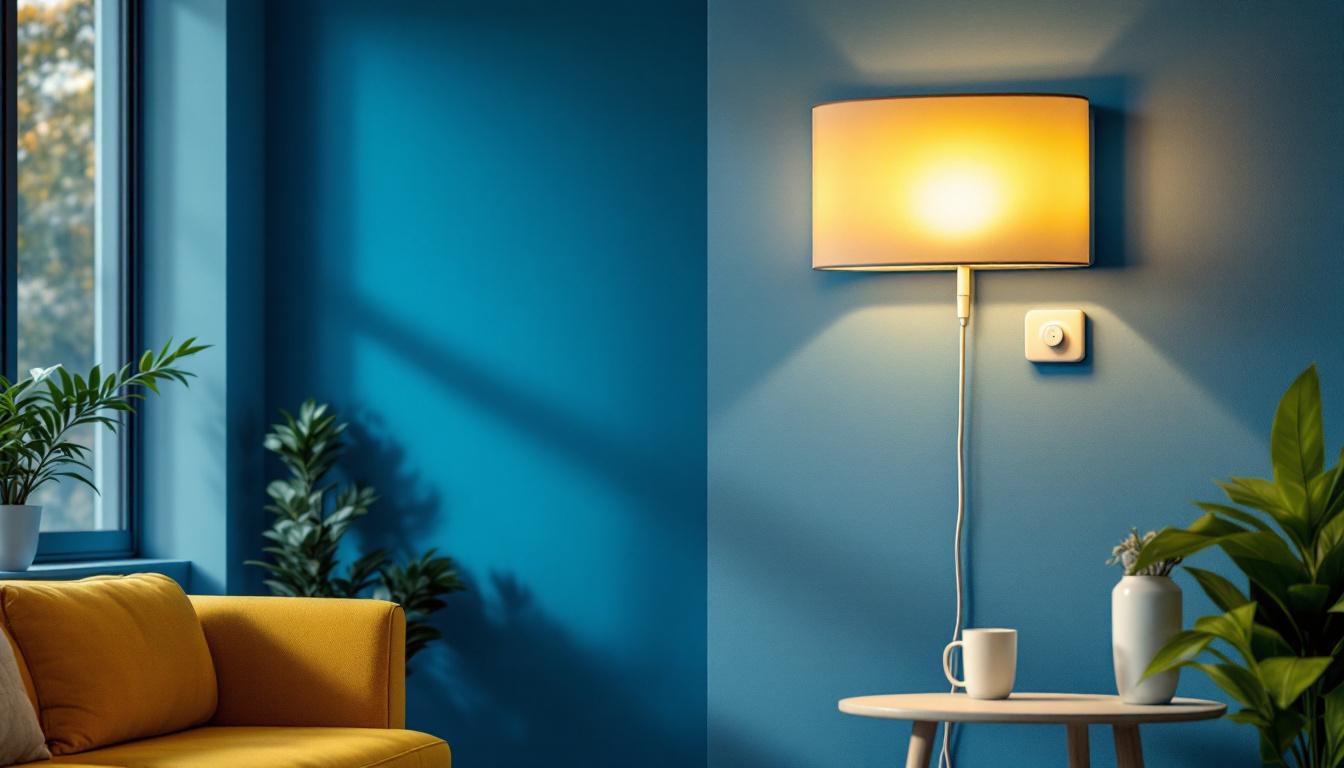
For lighting professionals, the plug in wall pendant light represents a versatile and practical option that combines style with functionality. Unlike hardwired fixtures, these lights offer the convenience of installation without the need for complex electrical work, making them ideal for a variety of residential and commercial applications.
These fixtures typically feature a cord with a plug that can be connected directly to a standard outlet, allowing for flexible placement and easy relocation. This adaptability is particularly valuable when working within existing structures where rewiring may be impractical or cost-prohibitive.
Moreover, plug in wall pendant lights come in a wide range of designs, from minimalist modern styles to ornate vintage-inspired pieces. This diversity allows lighting contractors to meet the aesthetic and functional demands of diverse clients, enhancing their project portfolio.
In addition to their design versatility, plug in wall pendant lights can also serve various purposes within a space. They can be used to create ambient lighting, highlight specific areas, or even serve as task lighting for reading nooks or workspaces. This multifunctionality makes them an excellent choice for both residential homes and commercial environments, such as cafes and boutiques, where creating the right atmosphere is essential for customer experience.
Furthermore, many plug in wall pendant lights come equipped with adjustable features, such as dimmers or swing arms, allowing users to customize the light output according to their needs. This level of control not only enhances the usability of the fixture but also contributes to energy efficiency, as users can easily adjust the lighting to suit different times of day or activities. As more consumers become conscious of their energy consumption, the appeal of such adaptable lighting solutions continues to grow.
Key Considerations When Selecting Plug In Wall Pendant Lights
Assessing Electrical Compatibility and Safety Standards
One of the foremost considerations for lighting professionals is ensuring that the plug in wall pendant light complies with local electrical codes and safety standards. This includes verifying that the fixture is UL-listed or certified by an equivalent regulatory body, which guarantees that it has undergone rigorous testing for electrical safety.
Additionally, understanding the voltage and wattage requirements of the fixture is critical. Most plug in wall pendants are designed for standard household voltages, but confirming compatibility with the existing electrical infrastructure prevents potential hazards and ensures optimal performance. It is also wise to consider the environment in which the fixture will be used; for example, fixtures intended for outdoor use must be rated for wet or damp locations, which adds an extra layer of safety and durability.
Evaluating Installation Requirements and Flexibility
While plug in wall pendant lights are generally easier to install than hardwired options, lighting professionals must still consider the specifics of each installation site. Factors such as wall material, outlet location, and cord length influence the feasibility and aesthetics of the installation.
For instance, in spaces where outlets are sparse or inconveniently placed, extension cords or creative cord management solutions might be necessary. Professionals should also consider whether the fixture includes features like adjustable cords or swivel mounts, which can enhance flexibility and client satisfaction. Furthermore, the ability to reposition the light fixture easily can be a significant advantage in spaces that are frequently reconfigured, such as in commercial settings or rental properties, where adaptability is key.
Design and Functional Attributes
The design of the pendant light affects both the ambiance of the space and the practicality of the lighting. Professionals should evaluate the fixture’s shade material, light diffusion properties, and compatibility with different bulb types, including energy-efficient LEDs.
Functionality extends beyond illumination; some plug in wall pendants come with dimming capabilities or smart controls, allowing for customizable lighting scenes. These features are increasingly sought after in modern installations, particularly in hospitality and residential settings. Additionally, the aesthetic appeal of the pendant light can significantly influence the overall decor of a room. Options range from minimalist designs that blend seamlessly into contemporary spaces to more ornate fixtures that serve as statement pieces, showcasing craftsmanship and style. The choice of color, texture, and form can enhance the visual narrative of a room, making it essential to align the pendant light’s design with the client’s vision and the intended atmosphere of the space.
Installation Best Practices for Lighting Contractors
Pre-Installation Planning
Successful installation begins with thorough planning. Lighting contractors should conduct a site survey to assess outlet locations, wall conditions, and client preferences. This step helps identify potential challenges and informs decisions regarding fixture placement and cord management.
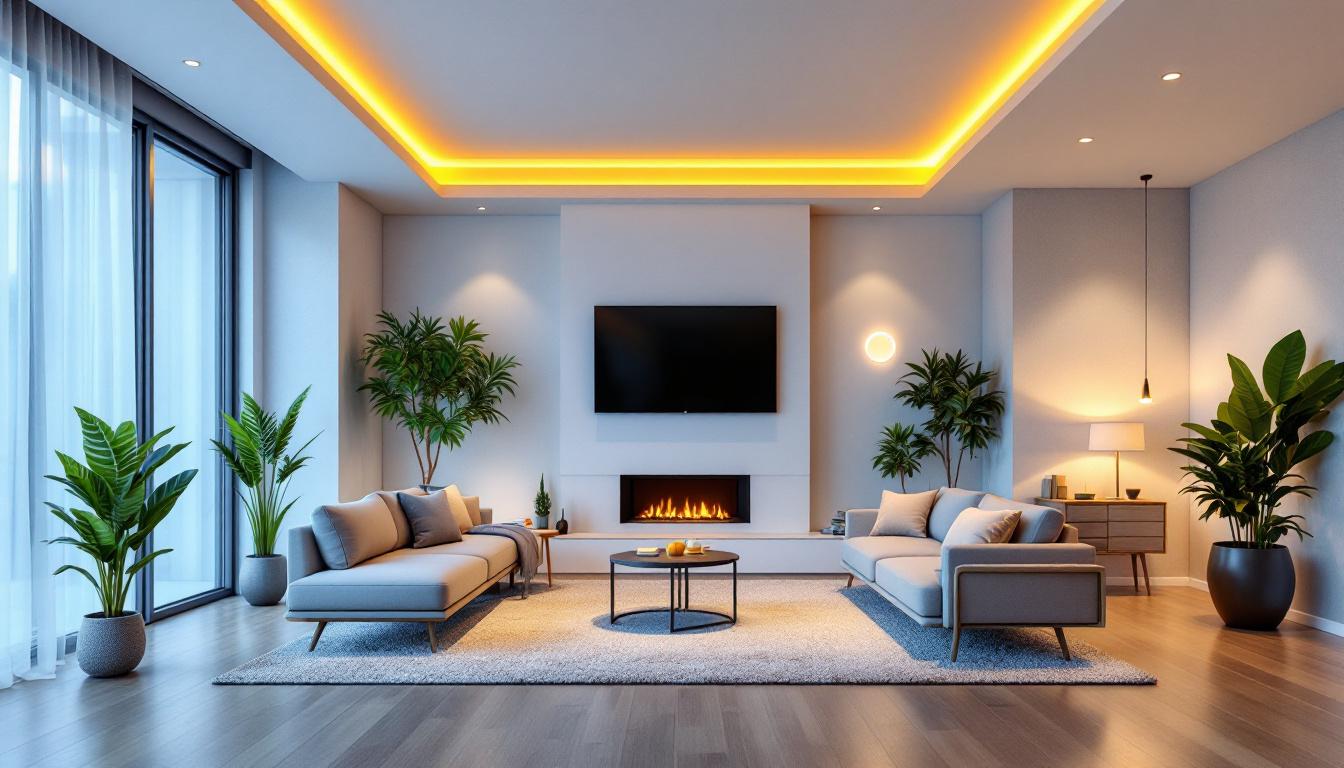
It is also advisable to discuss with clients the intended use of the space and desired lighting effects, ensuring that the selected pendant light aligns with both functional needs and design goals. Understanding the client’s vision can lead to innovative solutions, such as layering different types of lighting to create a dynamic atmosphere. For instance, combining ambient, task, and accent lighting can enhance both the aesthetic appeal and functionality of the space, making it more versatile for various activities.
Proper Mounting Techniques
Mounting a plug in wall pendant light securely is essential for safety and longevity. Depending on the wall type—drywall, plaster, brick, or concrete—different anchors and mounting hardware may be required. Using the appropriate fasteners prevents fixture loosening and potential damage.
Contractors should follow manufacturer instructions meticulously, paying attention to weight limits and recommended mounting heights. Typically, pendant lights are installed at eye level or slightly above, but this can vary based on room dimensions and usage. Additionally, considering the light’s beam angle and how it interacts with the room’s layout can significantly impact the overall lighting effect. For instance, in a dining area, positioning the light to cast a warm glow over the table can create an inviting atmosphere for meals and gatherings.
Cord Management and Aesthetic Considerations
One challenge with plug in fixtures is managing the visible cord in a way that is both safe and visually appealing. Lighting professionals often employ cord covers, raceways, or decorative chains to conceal and secure the wiring.
Proper cord management not only enhances the overall look but also reduces tripping hazards and protects the cord from wear. In commercial environments, adhering to safety codes regarding exposed wiring is particularly critical. Furthermore, incorporating design elements such as color-coordinated cords or stylish cord clips can turn a potential eyesore into a design feature. For example, using a fabric-wrapped cord in a bold color can add a pop of personality to the space, while also ensuring that the installation remains safe and compliant with regulations. This attention to detail can elevate a project from standard to exceptional, showcasing the contractor’s commitment to quality and aesthetics.
Maintenance and Troubleshooting Tips
Routine Inspection and Cleaning
Maintaining plug in wall pendant lights involves regular inspection for signs of wear, loose connections, or damage to the cord and plug. Cleaning the fixture according to the manufacturer’s guidelines preserves its appearance and functionality.
Dust and grime can accumulate on shades and bulbs, diminishing light output and affecting ambiance. Using gentle cleaning agents and soft cloths prevents damage to finishes and electrical components.
Addressing Common Issues
Lighting professionals should be prepared to troubleshoot common problems such as flickering lights, loose plugs, or malfunctioning switches. Often, these issues stem from simple causes like poor connections or incompatible bulbs.
Replacing bulbs with the correct wattage and type, ensuring plugs are firmly seated, and checking for damage to cords are first steps in resolving these issues. For persistent problems, consulting the manufacturer or a licensed electrician may be necessary.
Trends and Innovations in Plug In Wall Pendant Lighting
Integration with Smart Home Systems
The rise of smart home technology has influenced the design and functionality of plug in wall pendant lights. Many modern fixtures now offer compatibility with voice assistants and mobile apps, allowing users to control lighting remotely, set schedules, and adjust brightness or color temperature.
For lighting contractors, understanding these technologies is essential to meet client expectations and provide value-added services. Offering smart-enabled fixtures can differentiate a professional’s offerings in a competitive market.
Sustainability and Energy Efficiency
Energy-efficient lighting solutions are increasingly prioritized by clients and regulatory bodies alike. Plug in wall pendant lights that utilize LED technology consume significantly less power and have longer lifespans compared to traditional incandescent bulbs.
Lighting professionals should recommend fixtures that support energy-saving bulbs and comply with environmental standards. This approach not only benefits clients financially but also aligns with broader sustainability goals.
Customizable and Modular Designs
Another emerging trend is the availability of modular plug in wall pendant systems that allow for customization of components such as shades, cords, and mounting hardware. This flexibility enables lighting contractors to tailor installations precisely to client needs and preferences.
Modular designs also facilitate easier upgrades and maintenance, enhancing the long-term value of the lighting solution.
Conclusion: Mastering Plug In Wall Pendant Light Installations
For lighting professionals, mastering the selection, installation, and maintenance of plug in wall pendant lights is essential to delivering high-quality, flexible lighting solutions. By adhering to safety standards, understanding design and functional attributes, and staying abreast of industry trends, contractors can ensure client satisfaction and project success.
With careful planning and attention to detail, plug in wall pendant lights can transform spaces, providing both aesthetic appeal and practical illumination. As the lighting industry continues to evolve, professionals equipped with comprehensive knowledge and skills in this area will remain at the forefront of innovation and service excellence.
Illuminate Your Projects with LumenWholesale
Ready to elevate your lighting installations with the finest selection of plug in wall pendant lights? Look no further than LumenWholesale, where we provide lighting professionals like you with spec-grade products at unbeatable wholesale prices. Our commitment to quality and affordability ensures that you can bring your projects to life without compromising on performance or cost. Plus, with free shipping on bulk orders, you can stock up on premium lighting solutions with ease. Don’t let middleman markups dim your vision. Visit LumenWholesale today and discover the best value in wholesale lighting for your next project.