Understanding the Importance of Sensor Lights in Outdoor Lighting Projects
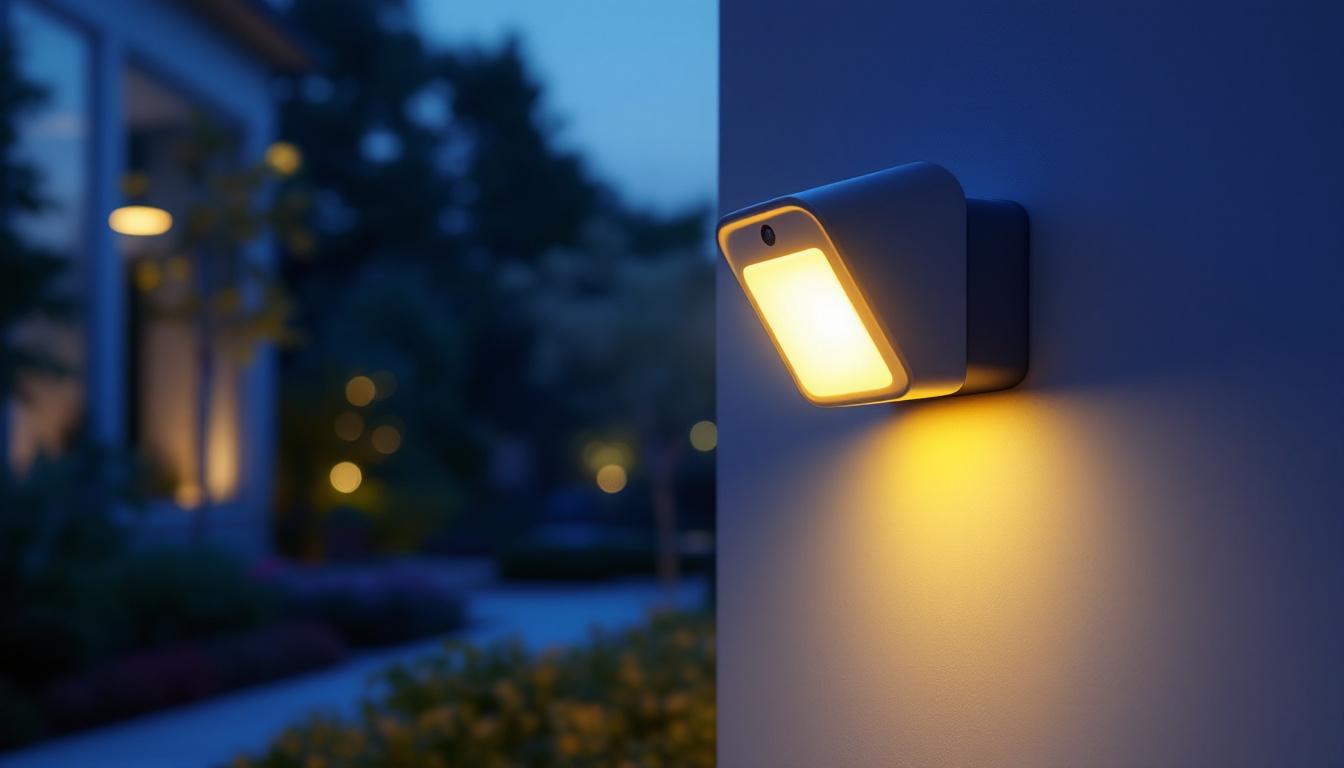
Outdoor sensor lighting has become an essential component in modern lighting design, particularly for security, energy efficiency, and convenience. For lighting contractors, understanding the nuances of sensor lights is critical to delivering solutions that meet client expectations while adhering to industry standards.
Sensor lights automatically activate when motion or presence is detected, offering a hands-free lighting experience. These systems not only enhance safety by illuminating pathways and deterring intruders but also contribute significantly to reducing energy consumption. According to industry reports, sensor-activated lighting can reduce outdoor lighting energy use by up to 70%, making them a sustainable choice for residential, commercial, and public spaces.
Why Sensor Lights Are a Game-Changer for Contractors
For contractors, sensor lights represent an opportunity to add value to projects by integrating smart technology that appeals to environmentally conscious clients. Furthermore, these lights simplify maintenance schedules and reduce operational costs over time. Proper installation and configuration ensure optimal performance, which can distinguish a contractor’s work in a competitive marketplace.
In addition to their energy-saving capabilities, sensor lights can also be equipped with advanced features such as adjustable sensitivity settings and timers, allowing homeowners to customize their lighting experience. This adaptability not only enhances user satisfaction but also allows contractors to tailor solutions to specific client needs, whether it’s for a sprawling garden, a narrow driveway, or a commercial parking lot. Moreover, the integration of smart home technology with sensor lights can enable remote monitoring and control through mobile applications, providing users with the convenience of managing their outdoor lighting from anywhere.
Furthermore, the aesthetic appeal of sensor lights has evolved significantly, with a variety of designs and finishes available to complement any architectural style. From sleek, modern fixtures to more traditional lantern designs, contractors can offer a range of options that enhance the overall look of a property while still providing the functional benefits of motion-activated lighting. This versatility not only meets the practical needs of clients but also allows contractors to showcase their creativity and expertise in outdoor lighting design.
Types of Sensor Technologies and Their Applications
Choosing the right sensor technology is fundamental to the success of an outdoor lighting project. The main types of sensors used in outdoor lighting include Passive Infrared (PIR), microwave, ultrasonic, and dual-technology sensors. Each has unique characteristics suited to different environments and client needs.
Passive Infrared (PIR) Sensors
PIR sensors detect changes in infrared radiation, essentially sensing heat emitted by moving objects such as humans or animals. They are highly effective in outdoor settings where direct line-of-sight detection is possible. PIR sensors are popular due to their reliability, low cost, and energy efficiency.
However, PIR sensors can be limited by environmental factors such as extreme temperatures or obstructions like shrubs and walls. Lighting contractors should carefully evaluate site conditions to determine if PIR sensors are the best fit. Additionally, the placement of these sensors is crucial; positioning them at an optimal height and angle can significantly enhance their effectiveness. For instance, mounting them too low may lead to unnecessary activations from small animals, while too high may miss detecting human movement altogether.
Microwave Sensors
Microwave sensors emit microwave pulses and measure the reflection off moving objects. Unlike PIR sensors, they can detect motion through certain materials like glass or thin walls, making them versatile for complex installations. They are highly sensitive and cover a broader detection area.
One consideration for contractors is that microwave sensors can sometimes trigger false alarms due to their sensitivity to movement beyond the intended detection zone. Proper calibration and placement are essential to minimize these issues. Moreover, the ability of microwave sensors to penetrate obstacles allows for creative applications, such as in parking lots where vehicles may obstruct direct lines of sight. This feature can be particularly beneficial in urban environments where space is limited and traditional sensor placements may not be feasible.
Ultrasonic Sensors
Ultrasonic sensors use sound waves to detect motion, measuring the reflection of ultrasonic pulses off moving objects. They are effective in enclosed or semi-enclosed spaces but less commonly used in open outdoor environments due to interference from wind and ambient noise.
Despite their limitations in outdoor settings, ultrasonic sensors excel in specific applications, such as monitoring the movement of people in a courtyard or garden area. Their ability to detect subtle movements makes them ideal for scenarios where a high level of sensitivity is required, such as in security systems for residential properties. Furthermore, advancements in technology are leading to the development of ultrasonic sensors that can better filter out background noise, potentially expanding their usability in outdoor applications.
Dual-Technology Sensors
Dual-technology sensors combine two detection methods, typically PIR and microwave, to reduce false triggers and increase accuracy. They require both sensors to detect motion before activating the light, enhancing reliability in challenging environments.
For lighting contractors, recommending dual-technology sensors can be a selling point for clients seeking advanced security features and minimal nuisance activations. These sensors are particularly advantageous in high-traffic areas where both human and animal movement is frequent, as they can discern between the two, ensuring that lighting is activated only when necessary. Additionally, the integration of dual-technology sensors with smart home systems can provide users with remote monitoring capabilities, allowing for enhanced control and peace of mind regarding their outdoor lighting setups.
Key Factors to Consider When Installing Outdoor Sensor Lights
Successful installation of sensor lights requires more than just choosing the right sensor type. Contractors must consider placement, environmental conditions, power supply, and integration with existing systems.
Optimal Placement and Coverage
Positioning sensor lights correctly ensures maximum coverage and effectiveness. Sensors should be installed at a height that balances detection range and sensitivity—typically between 6 to 10 feet for most outdoor applications. Avoid pointing sensors toward heat sources, busy roads, or areas with frequent animal activity to reduce false activations.
Contractors should conduct a thorough site assessment to identify potential obstacles and design a sensor layout that provides comprehensive coverage without overlap or blind spots.
Adjusting Sensitivity and Time Settings
Most sensor lights allow customization of sensitivity and duration settings. Tailoring these parameters to the specific location and client preferences can enhance user experience. For example, high sensitivity may be suitable for low-traffic areas to ensure any movement triggers the light, while lower sensitivity is preferable in busy zones to prevent constant activation.
Time delay settings control how long the light remains on after activation. Contractors should advise clients on balancing security needs with energy conservation, often recommending shorter durations during daylight hours and longer ones at night.
Power Supply and Wiring Considerations
Outdoor sensor lights may be powered by hardwired connections, solar energy, or batteries. Each option has implications for installation complexity, maintenance, and reliability.
Hardwired sensor lights offer consistent power but require careful planning to meet electrical codes and ensure weatherproofing. Solar-powered options are increasingly popular for their sustainability and ease of installation but depend on adequate sunlight exposure. Battery-operated lights provide flexibility but may require frequent replacements in high-use areas.
Ensuring Compliance and Safety in Sensor Light Installations
Lighting contractors must adhere to local electrical codes, safety standards, and best practices when installing sensor lights. Compliance ensures not only legal operation but also the safety of both installers and end-users.
Understanding Relevant Codes and Standards
National and regional electrical codes often specify requirements for outdoor lighting installations, including grounding, waterproofing, and circuit protection. Contractors should stay current with these regulations and incorporate them into project planning and execution.
Additionally, standards such as those from the Illuminating Engineering Society (IES) provide guidelines on appropriate illumination levels and sensor performance, helping contractors design effective and compliant lighting systems.
Weatherproofing and Durability
Outdoor sensor lights must withstand exposure to rain, dust, temperature fluctuations, and physical impact. Selecting fixtures with appropriate Ingress Protection (IP) ratings is critical. For most outdoor applications, an IP rating of IP65 or higher is recommended to ensure resistance to water jets and dust ingress.
Contractors should also consider corrosion-resistant materials and robust mounting hardware to extend the lifespan of installations.
Innovations and Trends in Outdoor Sensor Lighting
The outdoor lighting industry continues to evolve with advancements in sensor technology, integration capabilities, and energy efficiency. Staying informed about these trends enables contractors to offer cutting-edge solutions that meet modern demands.
Integration with Smart Home and Building Automation Systems
Many sensor lights now feature compatibility with smart home platforms and building management systems. This integration allows for remote control, scheduling, and data analytics, enhancing convenience and operational insights for clients.
Contractors who can install and configure these smart systems add significant value, positioning themselves as experts in the growing field of connected lighting.
LED Technology and Energy Efficiency
The widespread adoption of LED technology has transformed outdoor lighting by offering high efficiency, long lifespan, and superior light quality. Combining LEDs with sensor activation maximizes energy savings and reduces maintenance costs.
Contractors should prioritize LED-compatible sensor fixtures to future-proof installations and meet client expectations for sustainability.
Adaptive and AI-Driven Sensors
Emerging sensor technologies incorporate adaptive algorithms and artificial intelligence to optimize detection accuracy and lighting performance. These systems can learn usage patterns, adjust sensitivity dynamically, and even differentiate between humans, animals, and vehicles.
While still gaining traction, such innovations represent the next frontier in outdoor sensor lighting, offering contractors new avenues for specialization and differentiation.
Practical Tips for Lighting Contractors: Maximizing Project Success
Beyond technical knowledge, successful sensor light installations depend on effective communication, thorough planning, and quality workmanship.
Consulting with Clients to Define Needs
Engaging clients early to understand their security concerns, aesthetic preferences, and budget constraints helps tailor sensor lighting solutions that align with their goals. Providing clear explanations about sensor types, capabilities, and maintenance requirements builds trust and sets realistic expectations.
Testing and Commissioning
After installation, contractors should conduct comprehensive testing to verify sensor coverage, sensitivity settings, and light operation under various conditions. Demonstrating proper function to clients and providing guidance on usage and troubleshooting enhances satisfaction and reduces service calls.
Ongoing Maintenance and Support
Offering maintenance services, including sensor cleaning, battery replacement, and firmware updates for smart systems, can establish long-term client relationships and generate recurring revenue. Educating clients about the importance of regular upkeep ensures sustained performance and safety.
Conclusion
For lighting contractors, expertise in outdoor sensor lighting is a valuable asset that can differentiate their services and expand their market reach. By understanding sensor technologies, installation best practices, compliance requirements, and emerging trends, contractors can deliver high-quality, energy-efficient, and reliable lighting solutions that meet the evolving needs of their clients.
Embracing innovation and maintaining a client-focused approach will position contractors for success in the dynamic field of outdoor lighting.
Illuminate Your Projects with LumenWholesale
Ready to elevate your outdoor sensor lighting installations with the finest products on the market? Look no further than LumenWholesale, where we specialize in providing contractors with spec-grade lighting solutions at unbeatable wholesale prices. Our commitment to quality and affordability ensures that you can deliver exceptional, energy-efficient lighting to your clients without breaking the bank. Take advantage of our hassle-free bulk buying and free shipping to get the best value for your business. Discover the perfect fusion of performance and cost-effectiveness at LumenWholesale – Wholesale Lighting at the Best Value.