Understanding the Importance of Pole Barn Exterior Lighting
Pole barns have become a popular choice for agricultural, commercial, and residential storage due to their cost-effectiveness and versatility. However, the exterior lighting of these structures often gets overlooked despite playing a critical role in safety, security, and operational efficiency. For lighting contractors, mastering the nuances of pole barn exterior lighting can significantly enhance project outcomes and client satisfaction.
Exterior lighting for pole barns is not just about illumination; it’s about creating a functional environment that supports the building’s purpose. Whether the barn is used for equipment storage, livestock housing, or as a workshop, lighting needs vary and require tailored solutions. Properly designed lighting systems improve visibility during nighttime operations, deter theft and vandalism, and reduce energy consumption—all factors that contribute to a building’s overall efficiency.
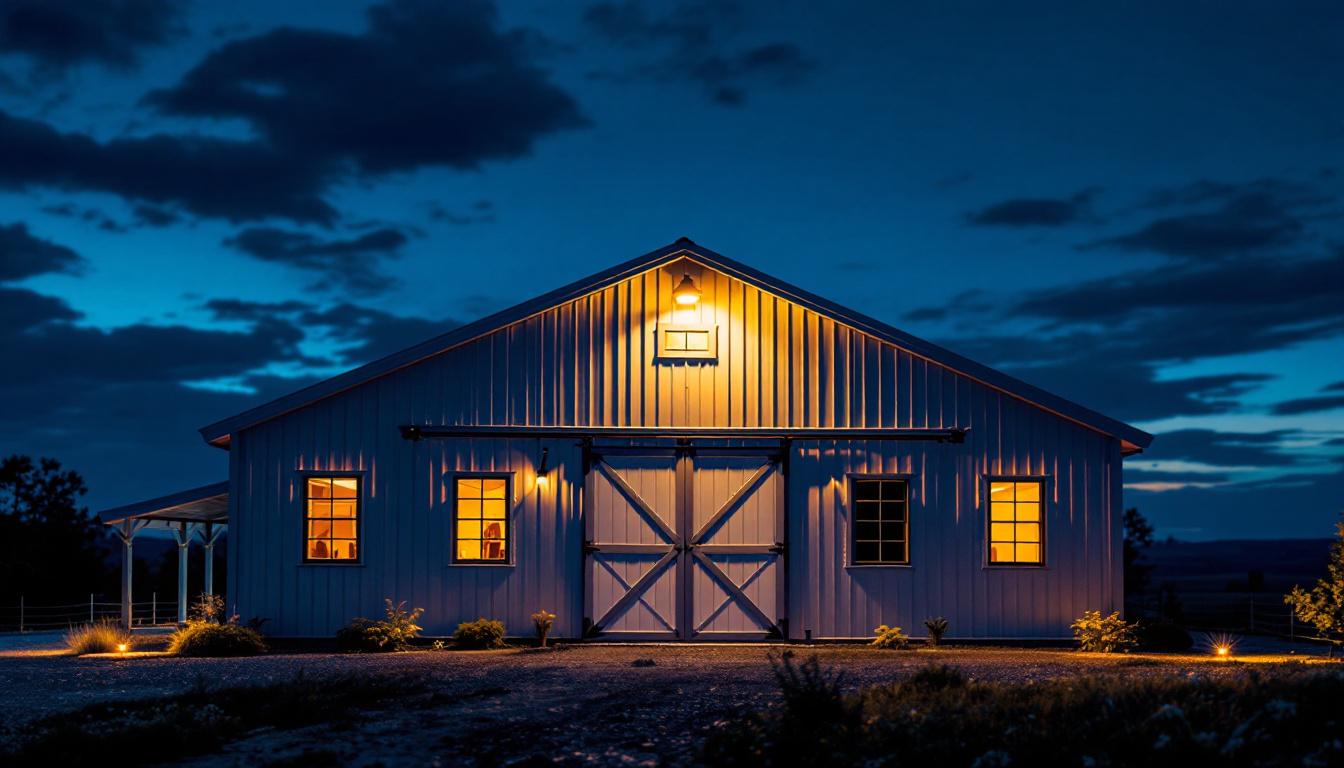
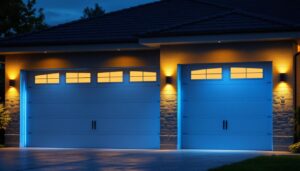
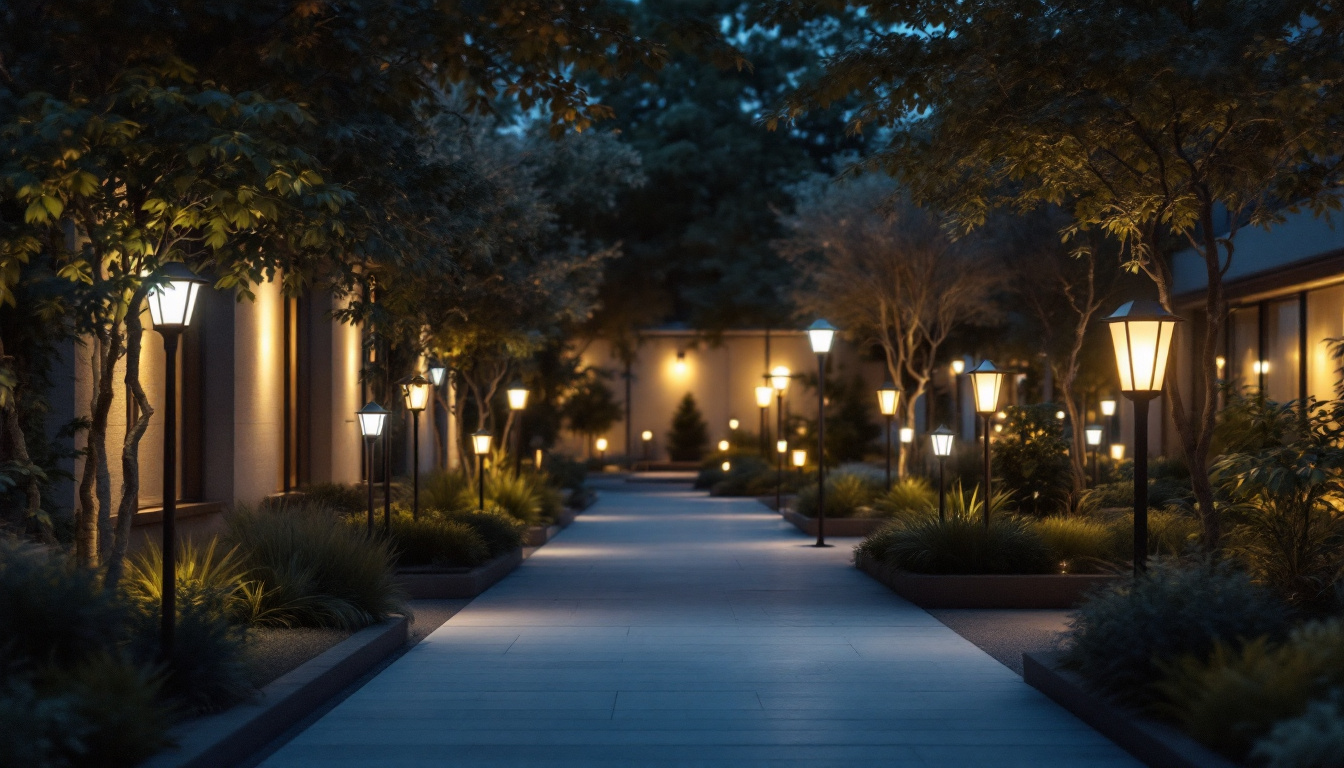
In addition to the practical benefits, well-planned exterior lighting can also enhance the aesthetic appeal of a pole barn. Thoughtfully placed fixtures can highlight architectural features, create inviting pathways, and even transform the barn into a charming focal point during evening hours. For instance, using warm LED lights can create a cozy atmosphere for gatherings or events held in or around the barn, making it a multifunctional space. Furthermore, incorporating motion-sensor lights can provide convenience and safety, automatically illuminating areas when someone approaches, which is particularly useful for late-night visits to the barn.
Moreover, considering the environmental impact of lighting choices is crucial in today’s eco-conscious world. Using energy-efficient LED fixtures not only lowers electricity bills but also minimizes the carbon footprint associated with outdoor lighting. Additionally, smart lighting systems that adjust based on natural light levels or occupancy can further optimize energy usage. This forward-thinking approach not only benefits the environment but also aligns with the growing trend of sustainable practices in agriculture and construction. As pole barns continue to serve diverse purposes, the integration of innovative lighting solutions will undoubtedly play a pivotal role in their functionality and appeal.
Key Considerations When Designing Pole Barn Exterior Lighting
Assessing the Functional Requirements
Before selecting fixtures or planning layouts, lighting contractors must understand the specific needs of the pole barn. For example, a barn used for storing heavy machinery might require bright, evenly distributed lighting to ensure safe navigation and maintenance. Conversely, a barn housing animals might prioritize softer lighting to avoid disturbing livestock while still providing adequate visibility.
Contractors should collaborate closely with clients to determine the primary activities around the barn and the hours of operation. This information guides decisions on light intensity, color temperature, and fixture placement, ensuring the lighting system aligns with practical use cases. Additionally, considering the layout of the barn is crucial; areas such as entryways, workstations, and storage zones may require different lighting intensities. For instance, workstations may benefit from task lighting that focuses on specific areas, while general ambient lighting can be used in storage zones to provide overall visibility without causing glare.
Choosing the Right Lighting Technology
LED technology has revolutionized exterior lighting, offering significant advantages over traditional incandescent or fluorescent bulbs. LEDs consume less energy, have longer lifespans, and provide superior light quality. For lighting contractors, specifying LED fixtures for pole barn exteriors is a strategic choice that enhances energy efficiency and reduces maintenance costs.
Moreover, modern LED fixtures come with advanced features such as dimming capabilities, motion sensors, and smart controls. These technologies allow for adaptive lighting solutions that respond to environmental conditions and occupancy, further optimizing energy use. For example, motion sensors can ensure that lights are only activated when someone is present, significantly cutting down on energy waste. Furthermore, integrating smart controls can enable users to adjust lighting remotely, providing convenience and flexibility in managing the barn’s lighting needs, especially during late-night operations or events.
Durability and Weather Resistance
Pole barns are often located in rural or exposed environments, where lighting fixtures must withstand harsh weather conditions. Lighting contractors should prioritize fixtures with high ingress protection (IP) ratings to ensure resistance to dust, moisture, and temperature extremes.
Materials such as die-cast aluminum housings and tempered glass lenses enhance fixture durability. Additionally, corrosion-resistant finishes help maintain aesthetic appeal and functionality over time, especially in areas prone to rain, snow, or salt exposure. It’s also worth considering the impact of UV exposure on lighting fixtures; selecting UV-resistant materials can prevent degradation and discoloration, ensuring that the fixtures remain visually appealing and effective for years to come. Furthermore, the installation of protective shields or covers can provide an extra layer of defense against falling debris or accidental impacts, which is particularly important in active agricultural settings where equipment is frequently in motion.
Strategies to Boost Efficiency for Lighting Contractors
Streamlining Installation Processes
Efficiency in installation translates directly into cost savings and improved project timelines. Lighting contractors can boost efficiency by selecting fixtures designed for easy mounting and wiring. Modular lighting systems with pre-wired components reduce labor time and minimize errors during installation.
Utilizing wireless controls and smart lighting systems can also simplify the installation process by reducing the need for extensive conduit runs and complex wiring. This approach not only accelerates deployment but also offers flexibility for future upgrades or modifications. Additionally, training staff on the latest installation techniques and technologies can further enhance productivity. Regular workshops and hands-on sessions can ensure that team members are well-versed in the latest tools and methods, leading to quicker and more efficient installations.
Leveraging Lighting Controls and Automation
Incorporating lighting controls such as motion sensors, photocells, and timers can significantly reduce energy consumption. For instance, motion-activated lights ensure illumination only when activity is detected, preventing unnecessary energy use during idle periods.
Photocells automatically adjust lighting based on ambient daylight, maintaining consistent illumination levels without manual intervention. Timers can be programmed to align lighting schedules with operational hours, further optimizing efficiency. Furthermore, integrating these controls with mobile applications allows users to monitor and adjust lighting remotely, providing an added layer of convenience. This capability not only enhances user experience but also empowers facility managers to make real-time adjustments based on occupancy patterns or changing environmental conditions, ultimately leading to greater energy savings.
Smart lighting systems that integrate with building management platforms provide real-time monitoring and remote control capabilities. This technology enables contractors and facility managers to track energy usage, detect faults, and adjust settings proactively, enhancing both performance and maintenance efficiency. The ability to generate detailed reports on energy consumption can also help in identifying trends and pinpointing areas for further improvement, making it easier to justify future investments in energy-efficient technologies.
Optimizing Light Placement and Distribution
Effective light placement is crucial for maximizing coverage while minimizing the number of fixtures required. Lighting contractors should employ photometric analysis tools to design layouts that deliver uniform illumination and reduce dark spots or glare.
Wall-mounted fixtures on the barn’s exterior, combined with pole-mounted floodlights, can create layered lighting that balances security and operational needs. Proper aiming and shielding of fixtures also help prevent light pollution and comply with local regulations, which is increasingly important in rural and suburban areas. Additionally, considering the specific activities that will take place in various areas can inform the placement strategy; for instance, brighter lighting may be necessary in work zones, while softer lighting can enhance aesthetics in gathering spaces.
Moreover, collaborating with architects and designers during the planning phase can lead to more effective integration of lighting solutions into the overall design of a space. This teamwork ensures that lighting not only serves its functional purpose but also complements the architectural elements, enhancing both the beauty and utility of the environment. By adopting a holistic approach to light placement, contractors can create spaces that are not only well-lit but also inviting and conducive to the activities they are meant to support.
Case Studies: Successful Pole Barn Exterior Lighting Projects
Enhancing Agricultural Operations with LED Floodlights
A large-scale farm upgraded its pole barn lighting system by replacing outdated metal halide floodlights with high-efficiency LED fixtures. The lighting contractor designed a layout that provided 40% more illumination while reducing energy consumption by nearly 60%. The new system included motion sensors and photocells, which further cut energy costs during non-operational hours.
The improved lighting enhanced worker safety during early morning and late evening tasks, while the reduced maintenance frequency saved the farm significant labor and replacement costs. This project exemplifies how modern lighting solutions can deliver tangible benefits in agricultural settings.
Smart Lighting Integration for a Commercial Storage Facility
A commercial storage facility with multiple pole barns sought to improve security and operational efficiency. The lighting contractor implemented a smart lighting system featuring wireless controls, motion detection, and remote monitoring. The system allowed facility managers to adjust lighting schedules and respond quickly to any lighting faults.
Energy consumption dropped by 45%, and security incidents decreased due to improved visibility and deterrence. The project demonstrated the value of integrating technology with traditional lighting to meet complex client needs.
Best Practices for Lighting Contractors Working with Pole Barns
Conduct Comprehensive Site Assessments
Before designing or upgrading lighting systems, contractors should perform thorough site evaluations. This includes assessing existing electrical infrastructure, environmental conditions, and client requirements. Understanding these factors helps avoid costly surprises and ensures the lighting solution is both practical and scalable.
Stay Updated on Industry Standards and Regulations
Compliance with local codes, safety standards, and energy efficiency guidelines is essential. Lighting contractors should remain informed about relevant regulations such as the International Dark-Sky Association recommendations and energy codes that impact exterior lighting design.
Adhering to these standards not only ensures legal compliance but also enhances the reputation of the contractor as a knowledgeable and responsible professional.
Educate Clients on Long-Term Benefits
Many clients may focus primarily on upfront costs when considering lighting options. Contractors have an opportunity to educate them about the long-term savings and operational advantages of energy-efficient, durable lighting systems. Providing clear data on return on investment, maintenance reduction, and improved safety can facilitate informed decision-making.
Conclusion: Elevating Pole Barn Lighting to New Heights
For lighting contractors, pole barn exterior lighting presents a unique set of challenges and opportunities. By understanding the specific functional requirements, leveraging advanced technologies, and implementing strategic design and installation practices, contractors can deliver lighting solutions that significantly boost efficiency and client satisfaction.
As the demand for sustainable and smart lighting solutions continues to grow, contractors who embrace innovation and prioritize quality will position themselves as leaders in this specialized market. Ultimately, effective pole barn exterior lighting enhances not only the safety and security of these versatile structures but also the operational success of the businesses and individuals who rely on them.
Illuminate Your Projects with LumenWholesale
Ready to take your pole barn exterior lighting projects to the next level? At LumenWholesale, we provide lighting contractors like you with the highest quality, spec-grade lighting products at prices that can’t be beaten. Say goodbye to middleman markups and hello to a vast selection of industry-standard lighting that promises reliability and high performance for every job. With the added convenience of free shipping on bulk orders, you can trust that you’re getting premium lighting solutions at the best value. Don’t compromise on quality or cost—choose LumenWholesale for efficiency, affordability, and convenience. Elevate your lighting game today by visiting Wholesale Lighting at the Best Value.