The Evolution of Wall Lighting: From Function to Aesthetic
Wall lighting has undergone a remarkable transformation over the decades. Initially designed purely for illumination, wall lights have evolved into integral components of interior design and architectural expression. For lighting contractors, understanding this evolution is crucial for meeting contemporary client demands that blend functionality with style.
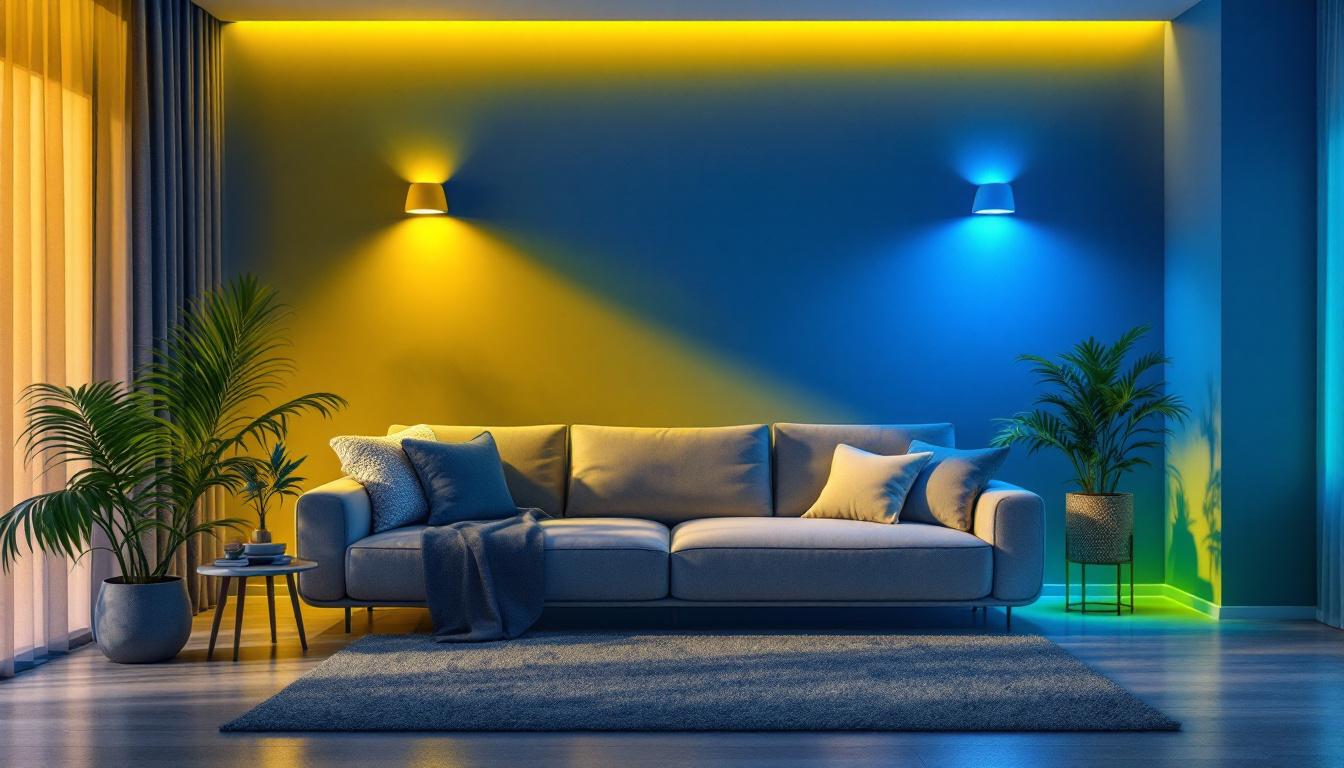
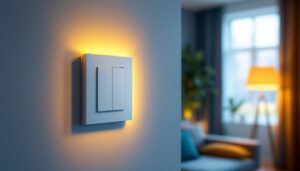
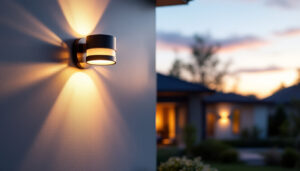
Colored wall lights, in particular, have emerged as a dynamic element in modern lighting solutions. They offer more than just light—they provide mood, ambiance, and a unique visual identity to spaces. This shift from traditional white or warm white lighting to colored options reflects broader trends in design and technology.
Historical Context and Technological Advancements
Historically, wall lighting was limited to incandescent or fluorescent bulbs, which offered little flexibility in color or intensity. The advent of LED technology revolutionized this landscape, enabling a spectrum of colors to be produced efficiently and with greater control. LEDs consume less energy, have longer lifespans, and are more versatile, making them ideal for colored lighting applications.
For contractors, this means the ability to offer clients solutions that are both sustainable and customizable. The integration of smart controls further enhances this capability, allowing for dynamic color changes and programmable lighting scenes that can adapt to different times of day or activities. This technological leap not only caters to aesthetic preferences but also encourages energy efficiency, aligning with the growing emphasis on sustainable living.
Moreover, the rise of smart home technology has created a new paradigm for wall lighting. Homeowners can now control their wall lights through voice commands or smartphone apps, integrating them seamlessly into their daily routines. This level of control allows for personalized lighting experiences that can enhance everything from movie nights to intimate dinners, showcasing the versatility of wall lighting in modern life. As designers continue to explore innovative materials and forms, wall lights are increasingly seen as artistic statements, blending function with a sculptural quality that adds depth to any room.
Benefits of Colored Wall Lights in Modern Spaces
Incorporating colored wall lights into residential, commercial, or hospitality projects offers a range of benefits that go beyond simple illumination. Understanding these advantages helps contractors advocate for their inclusion in design plans.
Enhancing Ambiance and Mood
Colored lighting profoundly influences the atmosphere of a space. Warm reds and oranges can create a cozy, intimate setting, while blues and greens promote calm and relaxation. For environments such as restaurants, lounges, or wellness centers, colored wall lights can be tailored to support the desired emotional response from occupants.
Moreover, dynamic color-changing wall lights enable spaces to transform throughout the day or for special events, providing versatility that static lighting cannot match. For instance, a café could use soft yellows in the morning to energize patrons, switch to deeper oranges during brunch for a warm, inviting feel, and then transition to cool blues in the evening to create a sophisticated nightlife atmosphere. This adaptability not only enhances the customer experience but also encourages longer stays and repeat visits.
Highlighting Architectural Features and Art
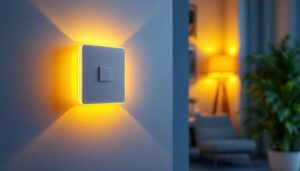
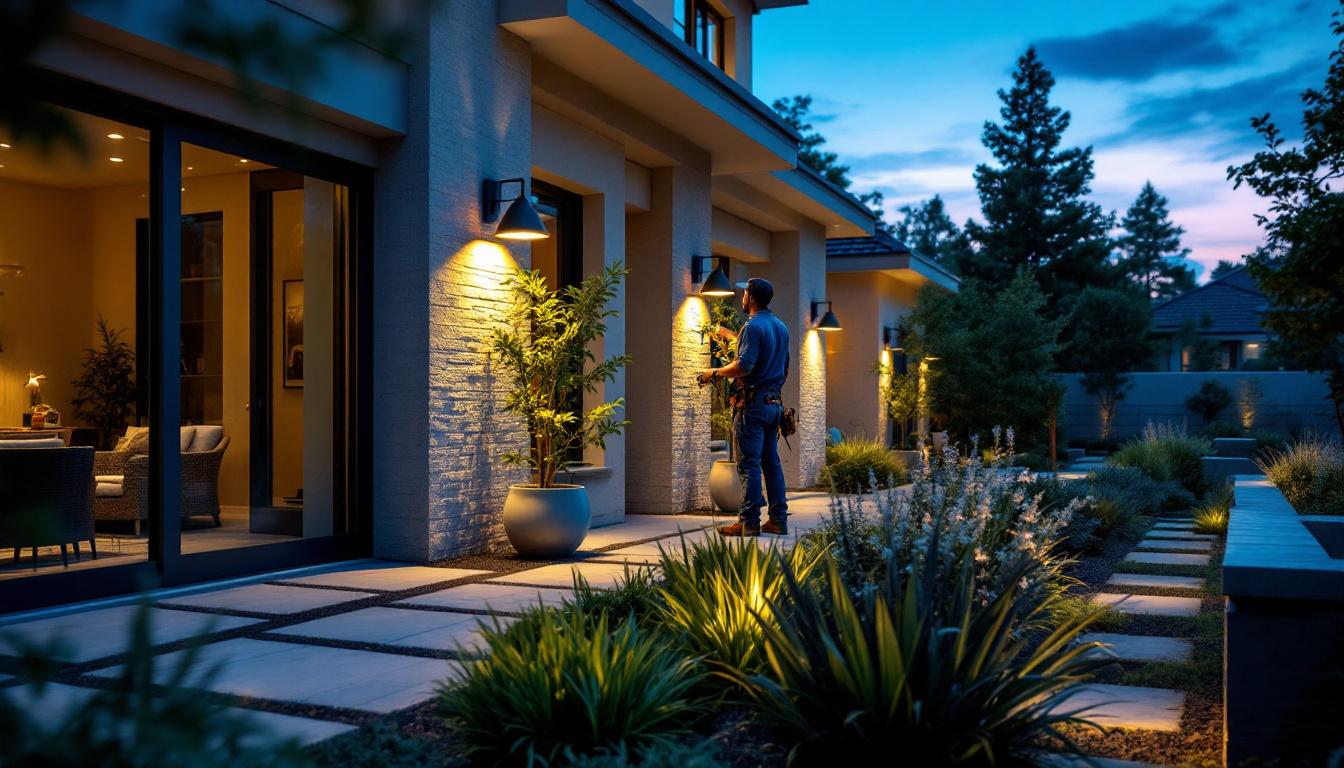
Colored wall lights serve as accent lighting that draws attention to architectural details, textured walls, or artwork. By selectively illuminating these elements with color, contractors can help designers create focal points that enhance the overall aesthetic of a room.
This technique is particularly effective in galleries, museums, or retail environments where visual impact is critical. The ability to adjust color temperature and hue allows for precise control over how objects and surfaces are perceived. For example, a gallery can use warm tones to highlight a collection of classic paintings, while cooler tones can be employed to showcase contemporary art, thus enhancing the viewer’s experience and engagement with the pieces on display. Additionally, colored wall lights can be strategically placed to create shadows and depth, adding a three-dimensional quality to flat surfaces, which can be particularly captivating in spaces with high ceilings or intricate architectural designs.
Energy Efficiency and Longevity
Modern colored wall lights, predominantly LED-based, offer significant energy savings compared to traditional lighting. This is an important consideration for clients focused on sustainability and operational costs. LEDs also generate less heat, reducing cooling loads in climate-controlled environments.
From a contractor’s perspective, recommending energy-efficient colored lighting solutions aligns with green building standards and can contribute to certifications such as LEED or WELL, adding value to projects. Furthermore, the longevity of LED lights means less frequent replacements, which not only saves money in the long run but also minimizes waste. This durability is particularly beneficial in high-traffic areas where lighting fixtures are subject to wear and tear. By choosing colored wall lights that are both stylish and sustainable, contractors can position themselves as leaders in eco-friendly design, appealing to a growing market of environmentally conscious clients who prioritize both aesthetics and sustainability in their projects.
Applications of Colored Wall Lights Across Different Sectors
The versatility of colored wall lighting makes it suitable for a wide array of applications. Each sector presents unique opportunities and challenges that contractors should be familiar with to provide optimal solutions.
Residential Spaces
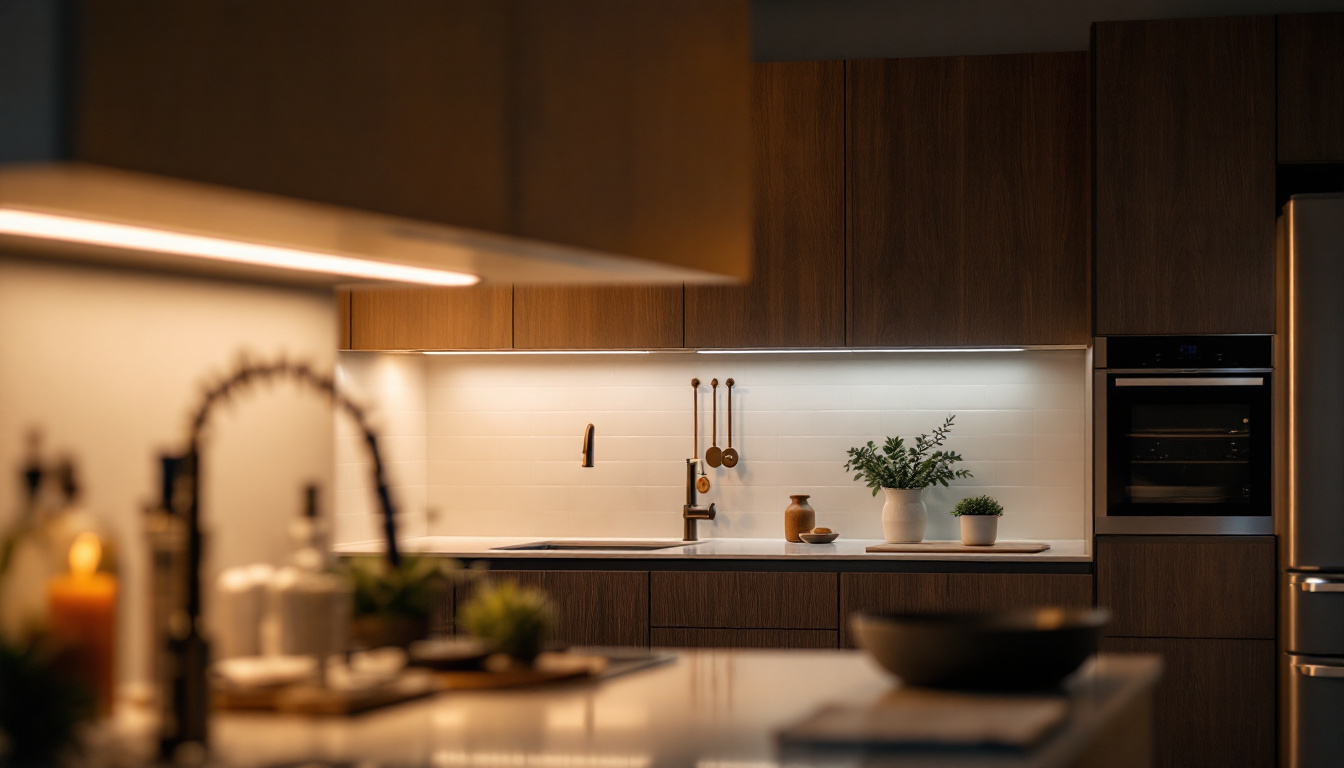
In homes, colored wall lights are often used to create personalized environments. From subtle accent lighting in living rooms to vibrant hues in entertainment areas, they allow homeowners to express individuality and enhance comfort.
Smart lighting systems that incorporate colored wall lights enable homeowners to control lighting remotely or automate scenes based on daily routines, adding convenience and sophistication.
Hospitality and Entertainment
Hotels, bars, and theaters benefit immensely from colored wall lighting. These venues rely on atmosphere to attract and retain guests, and lighting plays a pivotal role in shaping experiences.
Colored wall lights can delineate spaces, support branding through color schemes, and adapt to different events or moods. For example, a hotel lobby might use calming blues during the day and switch to warmer tones in the evening to encourage relaxation.
Commercial and Retail Environments
In commercial spaces, colored wall lights can influence customer behavior and employee productivity. Retailers use color strategically to highlight products and create inviting shopping experiences, while offices might employ colored lighting to boost focus or reduce stress.
Contractors should consider factors such as color rendering index (CRI) and light intensity to ensure that colored lighting enhances rather than detracts from functionality.
Installation Considerations and Best Practices for Contractors
Successful implementation of colored wall lighting requires careful planning and technical expertise. Contractors must navigate challenges related to wiring, control systems, and integration with existing infrastructure.
Choosing the Right Fixtures and Controls
Selecting fixtures that offer the desired color range, brightness, and compatibility with control systems is foundational. Fixtures with RGB or RGBW LEDs provide a broad palette, while tunable white options allow for nuanced adjustments between warm and cool tones.
Control systems—ranging from simple dimmers to sophisticated smart platforms—should be chosen based on project scale and client preferences. Integration with building automation systems can enhance functionality and ease of use.
Ensuring Uniformity and Avoiding Color Bleeding
Proper placement and spacing of colored wall lights help achieve uniform illumination and prevent unwanted color blending. Contractors should collaborate closely with designers to map out lighting layouts that complement architectural features and intended effects.
Testing color output on-site before final installation can identify potential issues early, allowing for adjustments that maintain design integrity.
Addressing Electrical and Safety Standards
Compliance with electrical codes and safety standards is non-negotiable. Colored wall lights, especially those with integrated electronics, must be installed according to manufacturer guidelines and local regulations.
Contractors should also consider heat dissipation, protection against moisture in certain environments, and accessibility for maintenance to ensure long-term performance and safety.
Future Trends in Colored Wall Lighting
The field of colored wall lighting continues to innovate, driven by advances in technology and evolving design philosophies. Staying abreast of these trends enables contractors to offer cutting-edge solutions that meet emerging market demands.
Integration with IoT and Smart Building Ecosystems
Internet of Things (IoT) connectivity is enabling colored wall lights to become part of holistic smart building systems. This integration allows for automated adjustments based on occupancy, natural light levels, or user preferences, enhancing energy efficiency and user comfort.
Contractors who are proficient in these technologies can provide added value through seamless system integration and future-proof installations.
Human-Centric and Circadian Lighting
Research into human-centric lighting highlights the importance of light color and intensity on health and wellbeing. Colored wall lights that mimic natural light patterns can support circadian rhythms, improving sleep quality and cognitive function.
This approach is gaining traction in workplaces, healthcare facilities, and residential settings, representing a significant opportunity for contractors to expand their expertise.
Advanced Materials and Design Innovations
Emerging materials and design techniques are enabling more creative and functional colored wall lighting solutions. Flexible LED strips, transparent OLED panels, and customizable fixtures allow for innovative installations that were previously impossible.
Contractors who embrace these innovations can collaborate with designers to push the boundaries of lighting design and deliver truly unique environments.
Conclusion: Embracing Colored Wall Lights as a Strategic Asset
Colored wall lights have firmly established themselves as a vital component of modern lighting solutions. For lighting contractors, mastering their application is essential to delivering projects that are visually striking, energy-efficient, and aligned with contemporary design trends.
By understanding the benefits, applications, installation nuances, and future directions of colored wall lighting, contractors can position themselves as trusted advisors and innovators in the lighting industry. This expertise not only enhances client satisfaction but also drives business growth in a competitive marketplace.
Illuminate Your Projects with LumenWholesale
Ready to elevate your lighting projects with the vibrant versatility of colored wall lights? At LumenWholesale, we provide lighting contractors with an exceptional range of high-quality, spec-grade lighting options at the most competitive wholesale prices. Our commitment to excellence ensures that you have access to the best products that meet and exceed industry standards. Plus, with the convenience of free shipping on bulk orders, you can enjoy the ultimate value without any hidden costs. Transform your lighting solutions today and discover wholesale lighting at the best value with LumenWholesale.