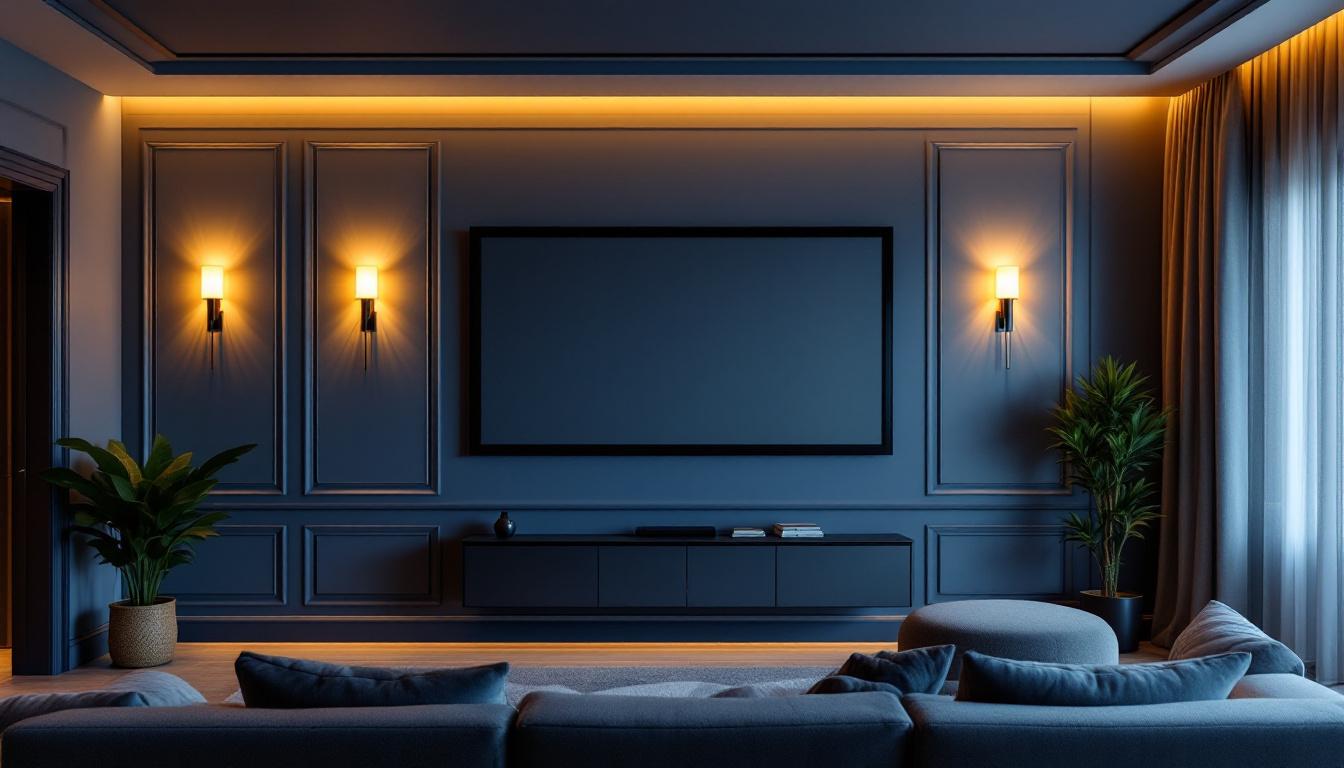
The Evolving Landscape of Bulb Lighting Technology
Lighting technology has undergone remarkable transformations over the past few decades, and the pace of innovation continues to accelerate. For lighting contractors, staying current with these developments is not just beneficial—it is essential. The shift from traditional incandescent bulbs to energy-efficient alternatives such as LEDs and smart lighting systems has redefined industry standards, client expectations, and regulatory requirements.
Modern lighting solutions now offer enhanced energy savings, longer lifespans, and greater design flexibility. These advancements have made lighting more than just a functional necessity; it is now a critical element in creating ambiance, improving safety, and contributing to sustainability goals. Contractors who remain informed about these trends can provide superior service, recommend the best products, and maintain a competitive edge in the marketplace.
From Incandescent to LED: A Paradigm Shift
The transition from incandescent bulbs to LED lighting represents one of the most significant shifts in the lighting industry. LEDs consume up to 85% less energy and last up to 25 times longer than traditional incandescent bulbs. This not only reduces operational costs for clients but also minimizes environmental impact by decreasing waste and energy consumption.
Lighting contractors who understand the nuances of LED technology—such as color temperature, lumen output, and dimming capabilities—can tailor solutions that meet specific client needs. For example, selecting the right LED bulb for a retail environment differs greatly from choosing lighting for a healthcare facility, where color rendering and brightness are critical. Furthermore, the introduction of smart lighting systems has added another layer of complexity and opportunity. These systems allow for remote control, automation, and integration with home or building management systems, enabling users to customize their lighting experience based on personal preferences or specific activities. As a result, contractors must familiarize themselves with the latest smart technologies, including app-controlled lighting and sensors that adjust based on occupancy or daylight availability.
Additionally, the aesthetic appeal of lighting has gained prominence in recent years. With the rise of architectural and decorative lighting, contractors are now tasked with not only providing functional lighting solutions but also creating visually striking environments. This includes understanding how different light fixtures can enhance architectural features, influence mood, and even affect productivity in workspaces. By leveraging design principles alongside technical knowledge, contractors can elevate their projects and offer clients a holistic approach to lighting that encompasses both form and function.
Why Staying Updated is Crucial for Lighting Contractors
In an industry driven by innovation and regulation, knowledge is power. Contractors who keep abreast of the latest lighting technologies and standards are better equipped to navigate challenges and seize opportunities.
Meeting Regulatory Compliance and Energy Codes
Energy codes and lighting regulations are continually evolving to promote sustainability and reduce carbon footprints. Many jurisdictions now mandate the use of energy-efficient lighting in new constructions and renovations. Failure to comply can lead to costly penalties and project delays.
Lighting contractors must stay informed about these changes to ensure that their installations meet or exceed local codes. This not only protects their business from legal risks but also enhances their reputation as reliable, knowledgeable professionals. Additionally, understanding the nuances of these regulations can enable contractors to advise clients on potential incentives or rebates available for energy-efficient upgrades, further solidifying their role as trusted advisors in the field.
Enhancing Client Satisfaction and Trust
Clients increasingly demand lighting solutions that offer energy savings, aesthetic appeal, and smart functionality. Contractors who understand the latest products and technologies can provide informed recommendations, helping clients achieve their goals efficiently.
For example, integrating smart lighting controls that adjust brightness based on occupancy or daylight availability can significantly reduce energy consumption. Demonstrating expertise in such innovations builds client trust and opens doors for repeat business and referrals. Furthermore, by offering personalized consultations and tailored solutions, contractors can foster deeper relationships with clients, ensuring that their specific needs and preferences are met. This level of engagement not only enhances satisfaction but also encourages clients to share their positive experiences with others, amplifying the contractor’s reputation in the community.
Staying Competitive in a Crowded Market
The lighting industry is highly competitive, with many contractors vying for the same projects. Staying updated on the latest trends and products allows contractors to differentiate themselves. Offering cutting-edge solutions and demonstrating technical proficiency can be decisive factors when clients select a contractor.
Moreover, manufacturers frequently introduce new products with improved features and performance. Contractors familiar with these advancements can source better materials and provide more value to their clients. Additionally, participating in industry trade shows, webinars, and workshops can further enhance a contractor’s knowledge base and network. These opportunities not only provide insights into emerging technologies but also allow contractors to connect with peers and industry leaders, fostering collaborations that can lead to innovative project solutions. By continuously investing in their professional development, contractors position themselves as leaders in the industry, ready to tackle the challenges of tomorrow.
Key Areas of Knowledge for Modern Lighting Contractors
To remain at the forefront of the industry, lighting contractors should focus on several critical areas of knowledge that influence project success and client satisfaction.
Energy Efficiency and Sustainability
Understanding the principles of energy-efficient lighting is fundamental. This includes knowledge of lumens per watt, color temperature, and the environmental impact of different bulb types. Contractors should be able to calculate potential energy savings and advise clients on the long-term benefits of upgrading to efficient lighting systems.
Additionally, familiarity with sustainability certifications such as ENERGY STAR and LEED can help contractors align projects with green building standards, appealing to environmentally conscious clients.
Smart Lighting and Automation
Smart lighting systems are rapidly gaining popularity due to their convenience and energy-saving potential. These systems allow for remote control, scheduling, and integration with other smart home or building management technologies.
Contractors should understand the various platforms and protocols used in smart lighting, such as Zigbee, Z-Wave, and Wi-Fi. This knowledge enables them to design and install systems that are compatible with clients’ existing infrastructure and future upgrades.
Lighting Design and Human-Centric Lighting
Lighting is not solely about illumination; it profoundly affects mood, productivity, and well-being. Human-centric lighting, which adjusts color temperature and intensity to mimic natural daylight cycles, is an emerging trend in commercial and residential spaces.
Contractors with expertise in lighting design principles can recommend solutions that enhance occupant comfort and health. This capability adds significant value to their services and positions them as trusted advisors rather than mere installers.
Maintenance and Troubleshooting
Even the best lighting systems require maintenance and occasional troubleshooting. Staying updated on common issues related to new lighting technologies, such as LED flickering or smart system connectivity problems, enables contractors to provide prompt and effective service.
Offering maintenance contracts or quick-response troubleshooting can create additional revenue streams and strengthen client relationships.
Practical Steps for Lighting Contractors to Stay Updated
Continuous learning is vital in the dynamic field of lighting. Contractors can adopt several strategies to ensure they remain knowledgeable and competitive.
Engage in Industry Training and Certification Programs
Many manufacturers and industry organizations offer training sessions, webinars, and certification programs focused on the latest lighting technologies and standards. Participating in these programs not only enhances technical skills but also provides opportunities to network with peers and suppliers.
Certifications such as the Certified Lighting Efficiency Professional (CLEP) or the Lighting Certified (LC) credential demonstrate a contractor’s commitment to excellence and professionalism.
Subscribe to Industry Publications and Resources
Staying informed about new products, case studies, and regulatory updates is easier when contractors regularly read industry magazines, newsletters, and websites. Publications like Lighting Design + Application and Electrical Contractor Magazine offer valuable insights and trends.
Online forums and social media groups dedicated to lighting professionals can also be excellent sources of real-world advice and emerging trends.
Collaborate with Manufacturers and Suppliers
Building strong relationships with manufacturers and suppliers can provide early access to new products and technical support. Many suppliers offer exclusive training and demonstration opportunities that help contractors understand product features and installation best practices.
These partnerships can also facilitate better pricing and availability, which benefits both contractors and their clients.
Attend Trade Shows and Conferences
Industry events provide immersive experiences where contractors can see the latest lighting innovations firsthand. Trade shows often feature product demonstrations, expert panels, and networking opportunities that are invaluable for professional growth.
Even virtual conferences have become effective platforms for learning and connecting with industry leaders.
The Business Benefits of Staying Ahead in Bulb Lighting
Beyond technical proficiency, staying updated with bulb lighting advancements delivers tangible business advantages for contractors.
Increased Project Efficiency and Reduced Costs
Knowledge of the latest lighting technologies and installation techniques can streamline project workflows. Efficient installations reduce labor time and minimize errors, leading to cost savings and higher profit margins.
Moreover, recommending energy-efficient solutions can reduce clients’ operational expenses, making contractors’ proposals more attractive and competitive.
Expanded Service Offerings
Contractors who embrace emerging technologies can diversify their service portfolio. For instance, offering smart lighting integration or lighting design consulting opens new revenue streams and attracts a broader client base.
This diversification also helps contractors weather market fluctuations by tapping into multiple segments of the lighting industry.
Enhanced Reputation and Client Loyalty
Clients value contractors who demonstrate expertise and provide innovative solutions. Staying updated enables contractors to exceed client expectations, fostering long-term relationships and positive word-of-mouth referrals.
A strong reputation can lead to premium pricing opportunities and a steady pipeline of projects.
Conclusion: Embracing Continuous Learning in Lighting
The lighting industry is in a state of rapid evolution, driven by technological innovation, regulatory changes, and shifting client demands. For lighting contractors, staying updated on bulb lighting advancements is not optional—it is a professional imperative.
By investing in ongoing education, engaging with industry resources, and embracing new technologies, contractors can enhance their technical expertise, improve client satisfaction, and grow their businesses. In a competitive marketplace, those who commit to continuous learning will illuminate the path to success.
Illuminate Your Projects with LumenWholesale
As you embrace the journey of continuous learning in the lighting industry, let LumenWholesale be your trusted partner in success. We provide lighting contractors with an exceptional range of top-quality, spec-grade lighting products at unbeatable wholesale prices. Say goodbye to middleman markups and hello to superior lighting solutions that meet the highest industry standards. With our hassle-free bulk buying and free shipping, you can equip your projects with premium lighting at the best value — all without hidden fees or compromises. Elevate your service offerings and client satisfaction today by visiting Wholesale Lighting at the Best Value and discover the LumenWholesale difference.