Understanding LED Corner Strips: A Foundation for Success
LED corner strips have become an essential component in modern lighting projects, offering flexibility, aesthetic appeal, and energy efficiency. For lighting contractors, mastering the use of these strips can significantly elevate the quality and functionality of installations. However, without a clear understanding of their characteristics and limitations, costly mistakes can occur that affect both project timelines and budgets.
At their core, LED corner strips are designed to fit seamlessly along edges and corners where traditional linear strips may not be practical. Their unique shape allows them to illuminate hard-to-reach areas, providing uniform light distribution and enhancing architectural features. Recognizing this fundamental advantage is the first step toward selecting the right product and planning an effective layout.
Moreover, LED corner strips vary widely in terms of brightness, color temperature, IP rating, and power consumption. Contractors must be well-versed in these specifications to ensure compatibility with the overall lighting design and environmental conditions. Failure to do so can lead to underperforming installations or premature equipment failure.
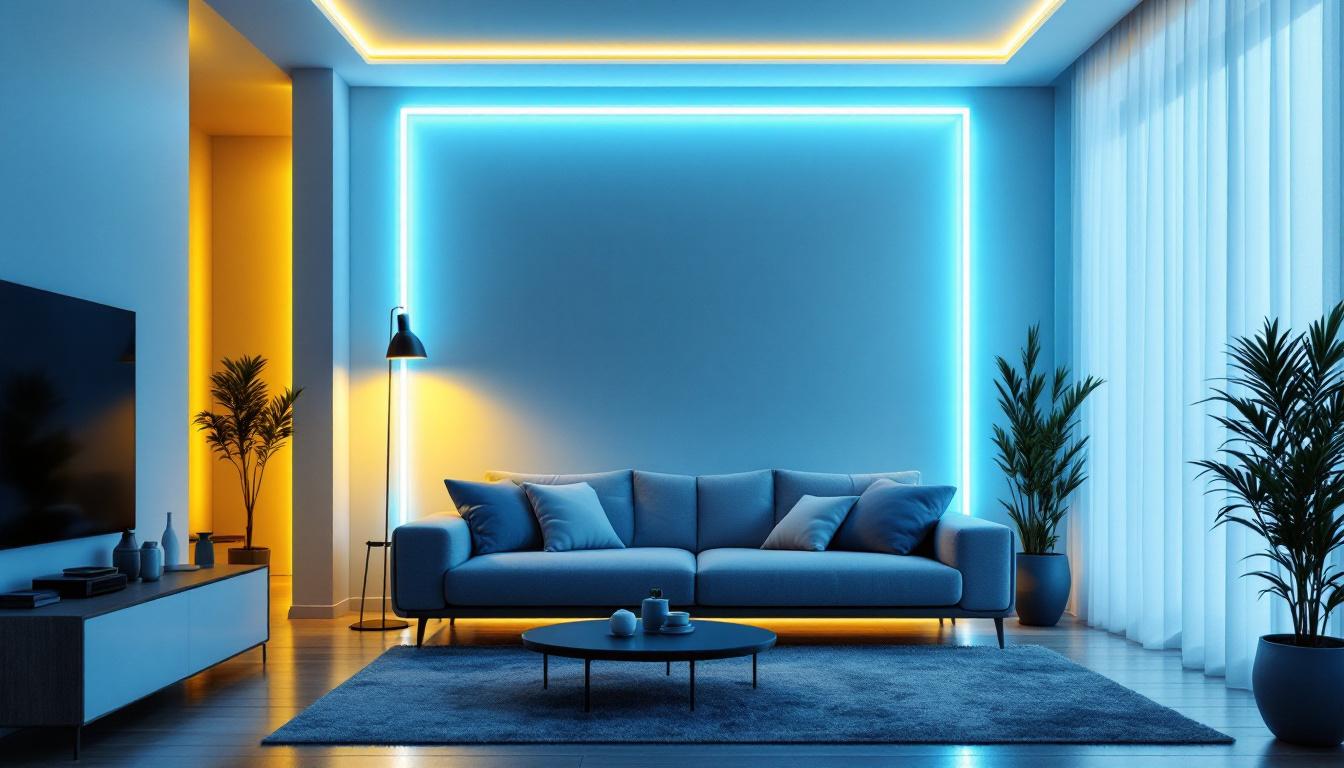
In addition to their functional benefits, LED corner strips can also serve as a creative tool in design. By utilizing different colors and brightness levels, contractors can create dynamic lighting effects that transform a space. For instance, a warm white light can create a cozy ambiance in residential settings, while cooler tones may be more suitable for commercial spaces that require a more vibrant atmosphere. This versatility allows for a tailored approach to lighting that can meet the specific needs of each project.
Furthermore, the installation process of LED corner strips can be simplified with the right techniques and tools. Many products come with adhesive backing, making them easy to apply without the need for complex mounting hardware. However, for more permanent installations, understanding the appropriate methods for securing these strips is crucial. This includes considerations for surface preparation and ensuring proper alignment to avoid unsightly gaps or misalignments that could detract from the overall aesthetic. By mastering these installation techniques, contractors can enhance the durability and longevity of their lighting solutions, ultimately leading to greater client satisfaction.
Common Pitfalls in LED Corner Strip Installations
Ignoring Electrical Load and Power Supply Requirements
One of the most frequent errors in LED corner strip projects is underestimating the electrical load. LED strips, though energy-efficient, still require a power supply that matches their voltage and wattage specifications precisely. Using an underpowered driver can cause flickering, dimming, or even damage to the LEDs.
Contractors should calculate the total wattage of the strips in use and select a power supply with a margin of at least 20% above this value to accommodate potential surges and ensure longevity. Additionally, understanding the difference between constant voltage and constant current power supplies is critical, as mismatches can lead to uneven illumination or hardware failure. Furthermore, it’s essential to consider the distance between the power supply and the LED strips; voltage drop can occur over long runs, necessitating thicker gauge wires or additional power supplies to maintain consistent brightness throughout the installation.
Improper Installation Techniques and Surface Preparation
LED corner strips often come with adhesive backing for easy installation, but this convenience can be deceptive. Surfaces must be clean, dry, and free from dust or grease to ensure proper adhesion. Skipping this step can result in strips peeling off prematurely, leading to costly rework.
Furthermore, bending LED strips beyond their recommended radius or cutting them incorrectly can cause damage to the circuitry. Contractors should familiarize themselves with manufacturer guidelines on cutting points and bending limits to avoid compromising the integrity of the strip. It’s also beneficial to test the strips before final installation; this allows for adjustments and ensures that all sections light up uniformly. Additionally, using mounting clips or channels can provide extra support and enhance the overall aesthetic, making the installation not only functional but visually appealing.
Neglecting Thermal Management
Heat dissipation is a critical factor often overlooked in LED corner strip installations. Excessive heat can degrade the LEDs and reduce their lifespan significantly. Installing strips on heat-conductive surfaces such as aluminum profiles or channels can help manage thermal buildup effectively.
Inadequate ventilation or placing strips in enclosed spaces without proper heat sinks can lead to overheating. Lighting contractors should plan for sufficient airflow and consider thermal management solutions as part of the installation process to maintain optimal performance. Additionally, incorporating temperature sensors or thermal cut-off switches can provide an added layer of protection, ensuring that the system shuts down before overheating occurs. Regular maintenance checks to clean dust and debris from the installation area can also help prolong the life of the LEDs by maintaining their ability to dissipate heat efficiently.
Choosing the Right LED Corner Strip for Your Project
Assessing Brightness and Color Temperature Needs
LED corner strips come in various brightness levels measured in lumens per meter. Selecting the appropriate brightness depends on the intended application—accent lighting, task lighting, or ambient illumination. Overly bright strips can cause glare, while insufficient brightness may fail to achieve the desired effect.
Color temperature, expressed in Kelvins, influences the mood and perception of a space. Warm white (2700K–3000K) creates a cozy atmosphere, while cool white (4000K–6500K) is suitable for workspaces requiring clarity and focus. Lighting contractors should consult with clients and designers to align the LED strip choice with the overall lighting scheme.
Evaluating IP Ratings for Environmental Suitability
Environmental conditions play a significant role in the longevity and safety of LED corner strips. IP (Ingress Protection) ratings indicate the level of resistance to dust and moisture. For indoor, dry locations, an IP20 rating might suffice, but for kitchens, bathrooms, or outdoor installations, higher ratings like IP65 or IP67 are necessary.
Failing to match the IP rating with the installation environment can lead to water damage, corrosion, and electrical hazards. Contractors should always verify the IP rating and consider protective housings or enclosures when necessary.
Considering Dimmability and Control Compatibility
Modern lighting projects increasingly incorporate dimming and smart controls to enhance energy efficiency and user experience. Not all LED corner strips are compatible with dimmers or control systems, so verifying this compatibility is essential before procurement.
Lighting contractors should choose LED strips that support the desired dimming methods—whether leading-edge, trailing-edge, or digital protocols like DMX or DALI—and ensure that power supplies and controllers are matched accordingly to avoid flickering or control failures.
Best Practices for Installation and Maintenance
Planning Layouts and Wiring Schemes
Effective planning is paramount to avoid costly mistakes during installation. Contractors should create detailed layouts that account for strip lengths, power supply locations, and wiring paths. This foresight minimizes the need for extensions or splices that can introduce points of failure.
Using connectors designed specifically for LED corner strips can simplify wiring and reduce installation time. Additionally, labeling wires and documenting the installation helps with future maintenance and troubleshooting.
Testing Before Finalizing Installation
Before securing strips permanently, it is advisable to conduct thorough testing. Powering up the LED corner strips and checking for uniform illumination, color consistency, and absence of flicker can identify issues early. This step prevents costly dismantling and reinstallation later on.
Contractors should also verify that all connections are secure and that power supplies operate within their specified parameters. Any anomalies should be addressed promptly to ensure a reliable lighting system.
Routine Maintenance and Troubleshooting
While LED corner strips generally require minimal maintenance, periodic inspections can extend their lifespan and performance. Cleaning strips gently to remove dust and checking for signs of wear or damage helps maintain optimal lighting quality.
In the event of failures, common troubleshooting steps include verifying power supply output, inspecting wiring connections, and replacing faulty sections. Keeping spare LED strips and connectors on hand can expedite repairs and reduce downtime.
Case Studies: Learning from Real-World Projects
Hospitality Lighting Enhancement
A boutique hotel recently upgraded its lobby lighting using LED corner strips to highlight architectural details and create a welcoming ambiance. Initial installation errors included insufficient power supply capacity and poor surface preparation, resulting in flickering and strips detaching from walls.
After reassessing the electrical load and thoroughly cleaning surfaces before reinstallation, the project achieved a seamless, vibrant lighting effect that enhanced guest experience and reduced energy consumption by over 40% compared to previous incandescent fixtures.
Retail Store Display Optimization
In a retail environment, LED corner strips were used to illuminate product shelves and create visual interest. The contractor selected strips with an inappropriate IP rating for the humid storage area, leading to premature corrosion and failure.
By switching to IP65-rated strips and incorporating aluminum channels for heat dissipation, the lighting system’s durability improved significantly. The retailer reported increased customer engagement and sales attributed to the enhanced product visibility.
Conclusion: Investing in Knowledge to Save Costs
LED corner strips offer tremendous potential for innovative and efficient lighting solutions, but their benefits can only be fully realized through informed selection, careful planning, and meticulous installation. Lighting contractors who invest time in understanding product specifications, environmental requirements, and best practices will avoid costly mistakes that compromise project success.
By adhering to guidelines on power supply sizing, surface preparation, thermal management, and compatibility with control systems, contractors can deliver reliable, high-quality lighting installations that satisfy clients and stand the test of time. Ultimately, the key to avoiding expensive errors lies in combining technical expertise with practical experience, ensuring every LED corner strip project is a bright success.
Illuminate Your Projects with LumenWholesale
Ready to enhance your lighting projects with the best LED corner strips on the market? Look no further than LumenWholesale. Our commitment to quality and affordability ensures you have access to the highest-grade lighting products without the premium price tag. Say goodbye to middleman markups and hello to a vast selection of spec-grade lighting that meets your project’s every need. With free shipping on bulk orders, LumenWholesale is your go-to source for lighting that combines quality, value, and convenience. Don’t let costly mistakes dim your project’s success. Wholesale Lighting at the Best Value is just a click away. Elevate your lighting installations today with LumenWholesale.