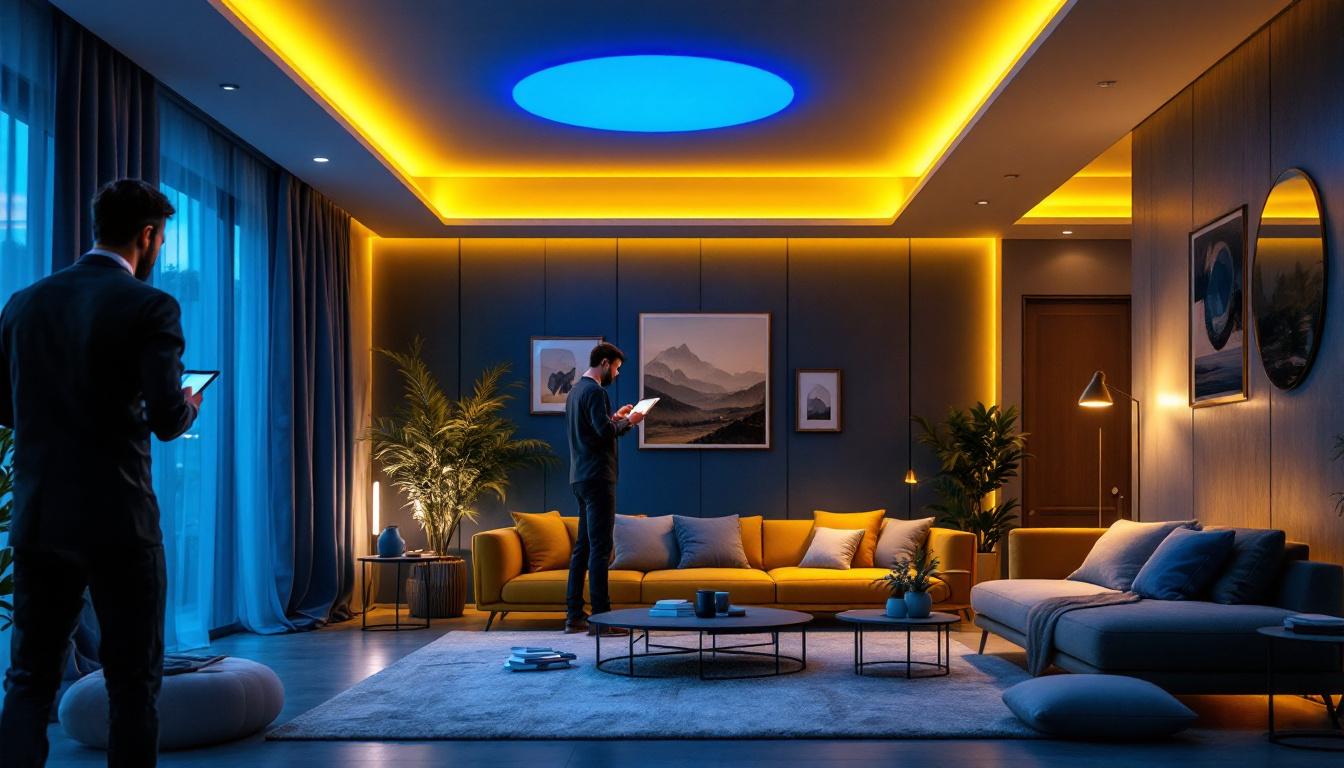
Understanding the Importance of LED Ceiling Lighting in Residential Projects
Lighting professionals play a crucial role in shaping the ambiance, functionality, and energy efficiency of residential spaces. Among various lighting solutions, LED home ceiling lights have emerged as a preferred choice due to their longevity, versatility, and eco-friendliness. For contractors and installers, mastering the nuances of LED ceiling lighting is essential to delivering optimal results that satisfy both aesthetic and practical demands.
LED technology offers significant advantages over traditional incandescent or fluorescent lighting, including reduced energy consumption, lower heat emission, and longer lifespan. These benefits not only translate into cost savings for homeowners but also contribute to sustainability goals increasingly prioritized in modern construction and renovation projects. Therefore, understanding the technical specifications, installation requirements, and design considerations of LED ceiling lights is indispensable for lighting professionals.
In addition to their energy efficiency, LED ceiling lights come in a variety of styles, colors, and brightness levels, allowing homeowners to customize their lighting to suit different moods and activities. For instance, dimmable LED options can create a cozy atmosphere for family gatherings or movie nights, while brighter settings are ideal for tasks like cooking or studying. Furthermore, smart LED ceiling lights can be integrated with home automation systems, enabling users to control their lighting remotely or set schedules that enhance convenience and security. This adaptability makes LED lighting not just a practical choice, but also a stylish one that can elevate the overall design of a space.
Moreover, the installation of LED ceiling lights can significantly impact the overall energy efficiency of a home. By strategically placing LED fixtures, lighting professionals can minimize shadows and enhance the natural light available, reducing the need for artificial lighting during the day. This thoughtful approach not only improves the aesthetic appeal of a room but also promotes a healthier living environment by utilizing daylight effectively. As homeowners become more aware of their carbon footprint, the demand for energy-efficient lighting solutions like LED ceiling lights is likely to increase, making it imperative for professionals in the field to stay updated on the latest technologies and trends in this rapidly evolving market.
Key Factors to Consider When Selecting LED Ceiling Lights
Light Quality and Color Temperature
One of the primary considerations when selecting LED ceiling lights is the quality of light they emit. Color temperature, measured in Kelvins (K), significantly affects the mood and functionality of a room. For residential settings, a range between 2700K to 3000K is typically preferred for living rooms and bedrooms, offering a warm, inviting glow. Kitchens and workspaces may benefit from slightly cooler temperatures around 3500K to 4100K, which provide brighter, more focused illumination.
Lighting professionals should also evaluate the Color Rendering Index (CRI) of LED fixtures. A CRI above 80 is generally recommended for home environments to ensure colors appear natural and vibrant. High CRI LEDs are especially important in areas like kitchens and bathrooms where accurate color perception is necessary. Furthermore, the choice of color temperature can also influence the perceived size and ambiance of a space; for instance, cooler tones can make a room feel more expansive, while warmer tones can create a cozy, intimate atmosphere. Understanding these nuances allows for a more tailored lighting design that enhances the overall aesthetic of a home.
Brightness and Lumens
Brightness in LED lighting is measured in lumens rather than watts, which is a common misconception among some consumers. Lighting contractors must educate clients about this distinction to ensure the selected fixtures provide adequate illumination. For general living spaces, ceiling lights emitting between 1000 to 3000 lumens per fixture are typical, depending on room size and ceiling height.
It is also important to consider dimmability features. Many modern LED ceiling lights come with compatible dimmer switches, allowing homeowners to adjust brightness levels according to different activities and times of day. Lighting professionals should verify compatibility with existing or planned dimmer systems to avoid flickering or reduced fixture lifespan. Additionally, the ability to control brightness can enhance energy savings, as homeowners can reduce light levels when full brightness is unnecessary, further extending the life of the LEDs while creating a more versatile lighting scheme.
Energy Efficiency and Compliance
Energy efficiency remains a top priority in residential lighting installations. LED ceiling lights consume significantly less power than traditional bulbs while providing equal or superior illumination. Lighting contractors should look for fixtures that meet or exceed ENERGY STAR® certification standards, ensuring optimal energy savings and reliability.
Additionally, compliance with local building codes and regulations is essential. Some jurisdictions have specific requirements for lighting efficiency, safety, and installation practices. Staying informed about these regulations helps professionals avoid costly rework and ensures client satisfaction. Beyond compliance, selecting energy-efficient lighting options can also contribute to a home’s overall sustainability goals. Many homeowners are increasingly interested in reducing their carbon footprint, and by choosing LED fixtures, they not only lower their energy bills but also support eco-friendly practices. This growing trend towards sustainability can be a significant selling point for lighting professionals, as clients appreciate the long-term benefits of investing in energy-efficient solutions.
Installation Best Practices for LED Home Ceiling Lights
Assessing the Existing Electrical Infrastructure
Before installation, a thorough assessment of the home’s electrical system is necessary. LED ceiling lights often require compatible wiring and voltage levels to function correctly. Lighting professionals should check for proper grounding, circuit capacity, and the condition of junction boxes to prevent electrical hazards.
In retrofit projects, it may be necessary to upgrade existing wiring or replace outdated fixtures to accommodate LED technology. This step ensures safety and maximizes fixture performance.
Choosing the Right Mounting Method
LED ceiling lights come in various styles and mounting options, including recessed, surface-mounted, and flush-mounted fixtures. The choice depends on architectural features, ceiling height, and homeowner preferences. Recessed LED lights offer a sleek, modern look and are ideal for low ceilings, while surface-mounted fixtures can serve as decorative elements in larger rooms.
Proper mounting also affects heat dissipation, which is critical for LED longevity. Lighting professionals should follow manufacturer guidelines for spacing and ventilation to prevent overheating and premature failure.
Wiring and Connection Considerations
Ensuring secure and code-compliant wiring connections is fundamental to a successful LED ceiling light installation. Using wire nuts or connectors rated for LED fixtures, verifying polarity, and testing circuits before finalizing installation reduces the risk of malfunction.
Additionally, if dimming capabilities are included, wiring must support compatible dimmer switches. Lighting contractors should test dimmer functionality with the specific LED fixtures to avoid flickering or buzzing noises.
Design and Aesthetic Considerations for Residential LED Ceiling Lighting
Balancing Functionality and Style
LED ceiling lights are not only functional but also serve as design elements that enhance interior aesthetics. Lighting professionals must collaborate with clients to select fixtures that complement the overall décor, whether it’s minimalist, traditional, or contemporary.
Fixtures with adjustable color temperature and brightness provide flexibility to adapt lighting to different moods and occasions. Incorporating layered lighting—combining ceiling lights with task and accent lighting—creates depth and visual interest in living spaces.
Fixture Size and Placement
Proper sizing and placement of LED ceiling lights are critical for uniform illumination and visual harmony. Oversized fixtures can overwhelm small rooms, while undersized lights may fail to provide adequate brightness. Lighting professionals should calculate the total lumens required based on room dimensions and ceiling height to determine the appropriate number and size of fixtures.
Spacing between fixtures should also be planned to avoid shadows and dark spots. For example, recessed LED downlights are often spaced 4 to 6 feet apart, depending on beam angle and ceiling height.
Smart Lighting Integration
The rise of smart home technology has influenced lighting design significantly. Many LED ceiling lights now come with smart features such as remote control, voice activation, and programmable scenes. Lighting professionals should be familiar with these technologies to offer clients modern, convenient solutions.
Integrating LED ceiling lights with home automation systems can enhance energy efficiency and user experience. For instance, motion sensors can automatically adjust lighting based on occupancy, while scheduled dimming can align with circadian rhythms for improved well-being.
Maintenance and Troubleshooting Tips for LED Ceiling Lights
Routine Inspection and Cleaning
Although LED lights require less maintenance than traditional bulbs, periodic inspection and cleaning help maintain performance and extend lifespan. Dust accumulation on fixtures can reduce light output and affect heat dissipation.
Lighting professionals should advise homeowners to clean LED ceiling lights gently with a soft, dry cloth and avoid harsh chemicals. Checking for loose connections or signs of wear during routine maintenance visits can prevent unexpected failures.
Common Issues and Solutions
Some common issues with LED ceiling lights include flickering, dimming problems, and color inconsistencies. Flickering often results from incompatible dimmer switches or unstable voltage supply. Ensuring that dimmers are LED-compatible and verifying electrical stability can resolve this problem.
Color shifts or uneven lighting may indicate poor-quality LEDs or thermal management issues. Recommending high-quality fixtures from reputable manufacturers and proper installation practices minimizes these risks.
When to Replace Fixtures
While LEDs have long lifespans, eventual replacement is inevitable. Lighting professionals should educate clients on signs indicating the need for replacement, such as significant brightness reduction, color changes, or physical damage to fixtures.
Upgrading to newer LED models with improved efficiency and smart features can also be a value-added service for contractors, enhancing client satisfaction and loyalty.
Conclusion: Delivering Excellence with LED Home Ceiling Lighting
For lighting professionals, expertise in LED home ceiling lights is a critical component of successful residential projects. By understanding the technical specifications, installation best practices, design principles, and maintenance requirements, contractors can provide solutions that meet client expectations for beauty, functionality, and sustainability.
Staying current with industry trends, technological advancements, and regulatory standards ensures that lighting professionals remain competitive and trusted partners in the home improvement sector. Ultimately, a well-executed LED ceiling lighting installation enhances the living experience for homeowners while supporting energy-efficient and environmentally responsible building practices.
Get Your Spec-Grade LED Ceiling Lights at LumenWholesale
Ready to elevate your lighting projects with the best in LED home ceiling lights? Look no further than LumenWholesale, where we provide lighting professionals like you with top-quality, spec-grade lighting products at unbeatable wholesale prices. Our extensive selection is designed to meet the highest industry standards, ensuring you deliver excellence in every residential project. Plus, with free shipping on bulk orders, you can enjoy premium lighting solutions at the best value — all without hidden fees or compromises. Enhance your professional offerings and delight your clients by choosing Wholesale Lighting at the Best Value with LumenWholesale today.