Understanding 12V Can Lights: A Foundation for Lighting Contractors
Low-voltage lighting systems, particularly 12V can lights, have become a staple in both residential and commercial lighting projects. Their versatility, energy efficiency, and sleek design make them a preferred choice among lighting contractors. Before diving into advanced strategies, it’s essential to grasp the fundamental characteristics that set 12V can lights apart.
Unlike standard line-voltage fixtures, 12V can lights operate on a transformer that steps down the voltage from the typical 120V or 240V supply to 12 volts. This lower voltage enhances safety, reduces heat output, and often extends the lifespan of the lighting components. Additionally, 12V systems allow for more flexible wiring configurations, making them ideal for complex lighting designs. The ability to run longer wire lengths without significant voltage drop is particularly advantageous in larger spaces, enabling contractors to create seamless lighting effects without the need for multiple power sources.
For contractors, understanding these basics is crucial. It not only aids in proper installation but also helps in advising clients on the benefits and limitations of low-voltage lighting. This foundational knowledge sets the stage for implementing the top strategies that optimize performance, efficiency, and client satisfaction. Furthermore, the aesthetic appeal of 12V can lights cannot be overlooked; they come in various styles and finishes, allowing for customization that meets the specific tastes and needs of clients. Whether it’s for accent lighting in a living room or task lighting in a kitchen, the ability to choose from a range of designs enhances the overall ambiance of a space.
Moreover, the energy efficiency of 12V can lights contributes significantly to sustainability efforts in modern construction. With rising energy costs and increasing environmental awareness, clients are more inclined to invest in lighting solutions that not only reduce their carbon footprint but also lower their utility bills. The longevity of LED options within the 12V category further supports this trend, as these lights consume less power and require less frequent replacement compared to traditional incandescent bulbs. As a result, lighting contractors who are well-versed in the benefits of 12V can lights can position themselves as knowledgeable advisors, helping clients make informed decisions that align with both their aesthetic desires and their budgetary constraints.
Strategic Planning for 12V Can Light Installations
Assessing Project Requirements and Load Calculations
One of the most critical steps in any lighting project is accurate load calculation. Since 12V can lights rely on transformers, contractors must ensure that the total wattage of all fixtures does not exceed the transformer’s capacity. Overloading can lead to transformer failure, flickering lights, or reduced lifespan of the lighting system.
Lighting contractors should begin by tallying the wattage of each can light planned for installation. For example, if a project includes 20 fixtures each rated at 10 watts, the total load will be 200 watts. It’s advisable to select a transformer with a capacity 20-25% higher than the calculated load to accommodate future additions or unexpected power surges. Furthermore, it’s essential to consider the type of environment where the lights will be installed. For instance, outdoor installations may require additional considerations for weatherproofing and durability, while indoor installations might focus more on aesthetic integration with existing decor.
Optimizing Transformer Placement and Wiring
Transformer placement significantly impacts system performance and maintenance accessibility. Contractors should position transformers in cool, dry, and ventilated areas to prevent overheating. Additionally, placing transformers close to the power source and centrally relative to the fixtures minimizes voltage drop and wiring complexity. The choice of mounting location can also influence the ease of future maintenance; ensuring that transformers are not obstructed by furniture or other installations can save time and effort down the line.
Using appropriately gauged wire is another essential consideration. Thicker wires reduce voltage drop, which is especially important for longer runs. For runs exceeding 50 feet, contractors should calculate voltage drop to ensure the fixtures receive consistent power. Employing voltage drop calculators or specialized software tools can streamline this process and enhance accuracy. Moreover, it’s beneficial to familiarize oneself with local electrical codes and regulations, as these may dictate specific requirements for wire types and installation practices. By adhering to these guidelines, contractors can ensure not only the safety and reliability of their installations but also their compliance with industry standards.
Advanced Installation Techniques for Enhanced Performance
Incorporating Dimming Controls and Smart Integration
Modern lighting systems increasingly demand flexibility and control. Integrating dimmers compatible with 12V can lights allows clients to adjust ambiance and reduce energy consumption. However, not all dimmers work seamlessly with low-voltage transformers, so selecting dimmers designed specifically for electronic or magnetic transformers is vital.
Moreover, smart home integration has become a significant trend. Lighting contractors can enhance the value of their installations by incorporating smart dimmers or controllers that operate via Wi-Fi, Bluetooth, or proprietary protocols. This integration enables remote control, scheduling, and scene setting, which clients highly appreciate for convenience and energy savings.
Ensuring Proper Heat Management and Ventilation
Although 12V can lights generate less heat than their line-voltage counterparts, heat buildup can still affect fixture longevity and safety. Contractors should ensure that fixtures are rated for the insulation environment they will be installed in, such as IC-rated fixtures for direct contact with insulation.
Proper spacing between fixtures and adequate ventilation within ceilings or walls can prevent heat accumulation. Additionally, using LED lamps instead of halogen or incandescent bulbs significantly reduces heat output, enhancing safety and energy efficiency.
Material Selection and Quality Assurance
Choosing High-Quality Fixtures and Components
The longevity and performance of 12V can light installations heavily depend on the quality of fixtures, transformers, and wiring. Lighting contractors should prioritize products from reputable manufacturers that comply with industry standards such as UL or ETL listings. High-quality transformers provide stable voltage output, reducing flicker and extending the life of lamps.
Additionally, selecting fixtures with durable housings and corrosion-resistant materials is essential, especially for installations in damp or outdoor environments. This consideration prevents premature failures and reduces maintenance costs over time.
Testing and Troubleshooting Best Practices
Before completing an installation, contractors should conduct thorough testing to verify voltage levels, dimmer compatibility, and fixture functionality. Using a multimeter to check voltage at fixture terminals ensures that voltage drop is within acceptable limits. Testing dimmer operation with the installed transformers and lamps prevents client dissatisfaction due to flickering or non-responsive controls.
In troubleshooting scenarios, common issues include transformer overload, wiring errors, or incompatible dimmers. Systematic diagnosis starting from the transformer, through wiring, to the fixtures helps isolate problems efficiently. Maintaining detailed documentation of wiring layouts and component specifications aids in future maintenance or upgrades.
Energy Efficiency and Sustainability Considerations
Leveraging LED Technology for 12V Can Lights
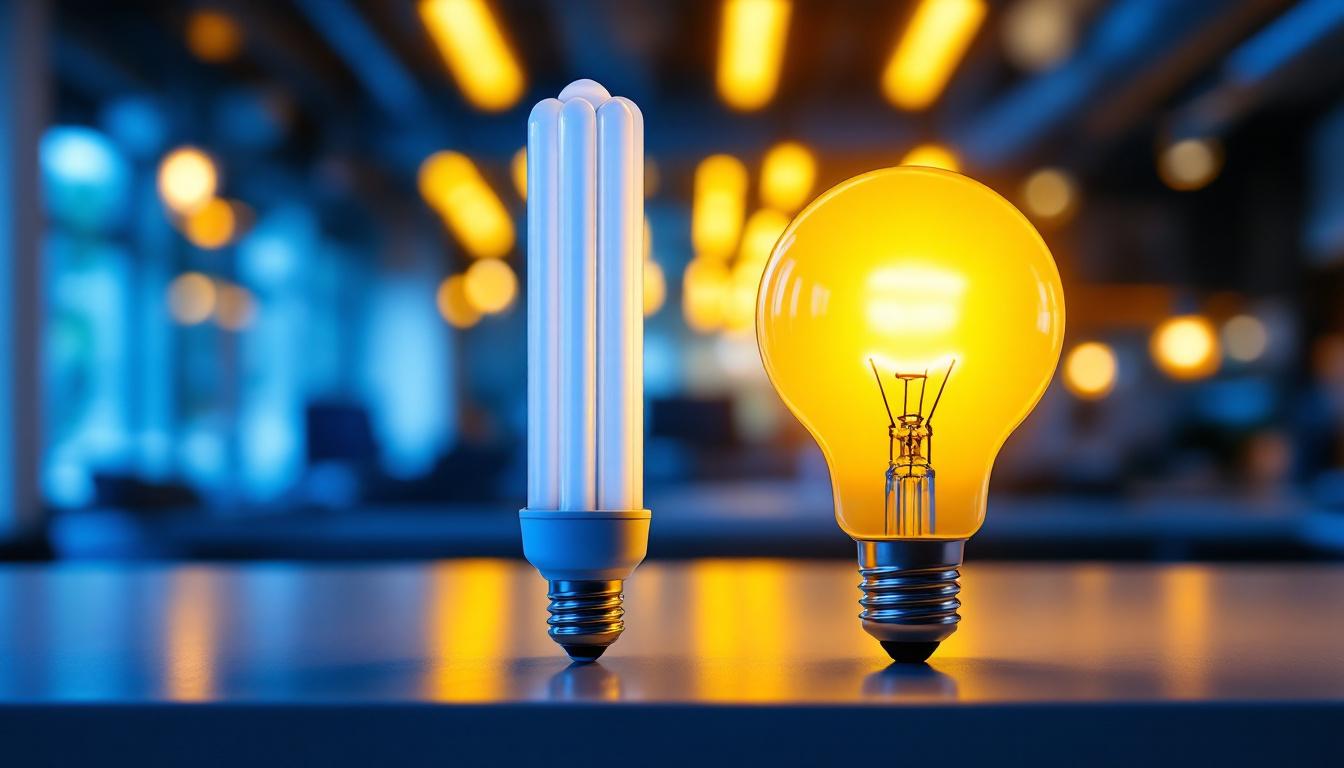
One of the most impactful strategies lighting contractors can adopt is transitioning to LED lamps for 12V can lights. LEDs consume significantly less power than halogen or incandescent bulbs, often reducing energy usage by up to 80%. This shift not only lowers operational costs for clients but also aligns with growing sustainability goals in building design.
LEDs also offer superior longevity, with lifespans reaching 25,000 to 50,000 hours compared to 2,000 to 4,000 hours for halogens. This durability minimizes maintenance frequency and reduces waste, making LED-equipped 12V can lights an environmentally responsible choice.
Incorporating Lighting Controls for Energy Savings
Beyond LED adoption, integrating advanced lighting controls such as occupancy sensors, daylight harvesting systems, and programmable timers can further optimize energy consumption. For example, occupancy sensors automatically turn off lights in unoccupied spaces, preventing unnecessary energy use.
Daylight harvesting systems adjust artificial lighting based on available natural light, maintaining consistent illumination levels while reducing power draw. These technologies, when combined with low-voltage 12V can lights, create highly efficient lighting environments that meet or exceed energy codes and client expectations.
Client Communication and Project Management
Educating Clients on Benefits and Limitations
Effective communication with clients is a cornerstone of successful lighting projects. Contractors should clearly explain the advantages of 12V can lights, such as enhanced safety, design flexibility, and energy efficiency. At the same time, it’s important to discuss potential limitations, including transformer capacity constraints and the need for compatible dimmers.
Providing clients with visual examples, product samples, or case studies can help set realistic expectations and facilitate informed decision-making. Transparent dialogue fosters trust and positions the contractor as a knowledgeable advisor rather than just a service provider.
Coordinating with Other Trades and Scheduling
Lighting installations often occur alongside other construction or renovation activities. Coordinating with electricians, HVAC technicians, and general contractors ensures that transformer placement, wiring routes, and fixture locations align with overall project plans.
Scheduling installations to avoid conflicts and allow for proper testing and adjustments is equally important. Proactive project management minimizes delays and rework, ultimately enhancing client satisfaction and project profitability.
Conclusion: Mastering 12V Can Light Installations
For lighting contractors, mastering the intricacies of 12V can light installations unlocks numerous opportunities to deliver high-quality, efficient, and aesthetically pleasing lighting solutions. By grounding their approach in thorough planning, quality material selection, advanced installation techniques, and clear client communication, contractors can elevate their service offerings and build lasting client relationships.
Embracing innovations such as LED technology and smart controls further positions contractors at the forefront of industry trends, meeting the evolving demands of modern lighting projects. Ultimately, a strategic, informed approach to 12V can lights not only enhances project outcomes but also contributes to sustainable, energy-conscious building practices.
Get Your Premium 12V Can Lights at LumenWholesale
Ready to elevate your lighting projects with the efficiency and sophistication of 12V can lights? Look no further than LumenWholesale for all your lighting needs. Our commitment to quality and affordability ensures you have access to the best spec-grade lighting products at wholesale prices. Say goodbye to inflated markups and hello to a vast selection of reliable lighting solutions that meet the highest industry standards. Plus, with free shipping on bulk orders, you can stock up on premium lighting without any hidden fees. Make your next project shine and take advantage of unbeatable value by visiting Wholesale Lighting at the Best Value today!