Introduction to Outdoor Lighting for Contractors
Outdoor lighting is an essential element in both residential and commercial landscapes, offering safety, security, and aesthetic appeal. For lighting contractors, understanding the diverse range of outdoor lighting options is crucial to delivering tailored solutions that meet client needs and comply with industry standards. This guide explores the latest trends, technologies, and practical considerations in outdoor lighting, equipping contractors with the knowledge to design and install effective lighting systems.
As urban and suburban developments continue to evolve, the demand for sophisticated outdoor lighting solutions grows. Contractors must stay informed about energy-efficient technologies, durable materials, and innovative designs to remain competitive and ensure client satisfaction. This article provides a comprehensive overview of outdoor lighting categories, product types, installation best practices, and maintenance tips.
One of the most significant advancements in outdoor lighting is the integration of smart technology. Smart outdoor lighting systems allow homeowners and businesses to control their lighting remotely through smartphones or voice-activated devices, enhancing convenience and energy savings. These systems can be programmed to adjust brightness based on the time of day or occupancy, ensuring that lights are only on when needed. Contractors should familiarize themselves with the various smart lighting options available, including motion sensors, timers, and smart bulbs, to offer clients cutting-edge solutions that enhance security while reducing energy costs.
Moreover, the aesthetic aspect of outdoor lighting cannot be overlooked. Creative lighting design can transform outdoor spaces into inviting areas for relaxation and entertainment. Techniques such as uplighting, downlighting, and path lighting can highlight architectural features, illuminate walkways, and create a warm ambiance for gatherings. Contractors should consider the unique characteristics of each landscape and the preferences of their clients when recommending lighting styles, ensuring that the final installation not only serves its functional purpose but also enhances the overall beauty of the environment.
Categories of Outdoor Lighting
Security Lighting
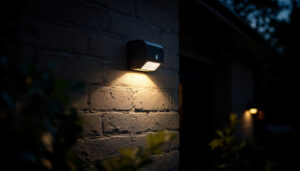
Security lighting is a fundamental component of outdoor illumination, designed to deter intruders and enhance visibility around properties. Effective security lighting typically involves bright, strategically placed fixtures such as floodlights and motion-activated lights. These systems should be installed to minimize shadows and blind spots, covering entry points, walkways, and parking areas.
LED technology has become the preferred choice for security lighting due to its high brightness, energy efficiency, and long lifespan. Additionally, integrating smart controls allows for automated scheduling and remote monitoring, increasing convenience and responsiveness. Lighting contractors should consider local regulations regarding brightness levels and light pollution when designing security lighting systems.
Landscape and Accent Lighting
Landscape lighting enhances the visual appeal of outdoor spaces by highlighting architectural features, trees, pathways, and garden elements. This category includes a variety of fixtures such as spotlights, well lights, path lights, and deck lights. The goal is to create depth, texture, and ambiance while ensuring safety for pedestrians.
Low-voltage lighting systems are commonly used in landscape applications because they are safer to install and operate, and they offer flexibility in fixture placement. Contractors should focus on color temperature and beam angle to achieve the desired effect, balancing illumination with subtlety. Utilizing adjustable fixtures allows for seasonal or design changes without extensive rewiring.
Decorative and Festive Lighting
Decorative lighting serves both functional and ornamental purposes, often used to create mood or celebrate events. String lights, lanterns, and LED strips are popular options for patios, pergolas, and outdoor dining areas. These fixtures contribute to an inviting atmosphere and can be customized in various colors and intensities.
For contractors, understanding client preferences and the context of use is vital when recommending decorative lighting. Weather resistance and ease of maintenance are key considerations, especially in regions with harsh climates. Incorporating dimming controls and timers enhances energy savings and user experience.
Technologies and Innovations in Outdoor Lighting
LED Lighting Advancements
Light Emitting Diode (LED) technology has revolutionized outdoor lighting by providing energy-efficient, durable, and versatile solutions. LEDs consume significantly less power than traditional incandescent or halogen bulbs, reducing operational costs and environmental impact. Their long lifespan, often exceeding 50,000 hours, minimizes maintenance frequency.
Recent advancements include tunable white LEDs, which allow adjustment of color temperature to suit different times of day or activities. Smart LEDs can be integrated with home automation systems, enabling remote control, scheduling, and adaptive lighting based on occupancy or ambient light levels. Contractors should stay updated on LED driver compatibility and heat dissipation techniques to ensure optimal performance.
Solar-Powered Lighting
Solar outdoor lighting offers a sustainable alternative by harnessing renewable energy. These systems typically include photovoltaic panels, rechargeable batteries, and LED fixtures. Solar lighting is particularly advantageous in remote or off-grid locations where wiring is impractical or costly.
While solar lighting has improved in efficiency and reliability, contractors must evaluate site-specific factors such as sunlight exposure, shading, and battery capacity before recommending this option. Proper installation and maintenance are essential to maximize system lifespan and illumination quality. Solar lighting is increasingly popular for pathway lights, garden accents, and security lights.
Smart and Connected Lighting Systems
The integration of Internet of Things (IoT) technology into outdoor lighting enables unprecedented control and customization. Smart lighting systems can be programmed to adjust brightness, color, and timing based on user preferences or environmental conditions. Features such as motion detection, daylight harvesting, and remote diagnostics improve energy management and security.
Lighting contractors should be familiar with various communication protocols like Zigbee, Z-Wave, and Wi-Fi to design interoperable systems. Additionally, cybersecurity considerations are paramount to protect connected devices from unauthorized access. Offering smart lighting solutions can differentiate contractors in a competitive market and provide clients with modern, efficient lighting experiences.
Material and Fixture Selection
Durability and Weather Resistance
Outdoor lighting fixtures must withstand exposure to moisture, temperature fluctuations, UV radiation, and physical impacts. Materials such as die-cast aluminum, stainless steel, and polycarbonate plastics are commonly used for their corrosion resistance and robustness. Proper sealing and gasket design prevent water ingress, which is critical for electrical safety and fixture longevity.
Contractors should select fixtures with appropriate Ingress Protection (IP) ratings based on the installation environment. For example, an IP65 rating indicates protection against dust and water jets, suitable for most outdoor applications. Understanding these specifications helps ensure compliance with safety standards and reduces warranty claims.
Fixture Styles and Mounting Options
Outdoor lighting fixtures come in various styles, including wall-mounted sconces, post lights, recessed ground lights, and hanging lanterns. Each style serves different functional and aesthetic purposes. For instance, bollard lights are ideal for pathway illumination, while floodlights provide broad area coverage.
Mounting options affect installation complexity and maintenance access. Surface-mounted fixtures are easier to install but may be more exposed to damage, whereas recessed fixtures offer a cleaner look but require precise placement. Lighting contractors should assess site conditions and client preferences to recommend the most suitable fixtures and mounting methods.
Installation Best Practices
Site Assessment and Planning
Thorough site assessment is the foundation of a successful outdoor lighting project. Contractors should evaluate the terrain, existing electrical infrastructure, vegetation, and potential obstructions. Understanding the client’s goals—whether enhancing security, creating ambiance, or highlighting features—is essential to develop an effective lighting plan.
Utilizing lighting design software can aid in visualizing fixture placement, beam angles, and illumination levels. This approach helps avoid over-illumination and light pollution, ensuring compliance with local ordinances. Detailed planning also facilitates efficient wiring layouts and reduces installation time.
Electrical Considerations and Safety
Outdoor lighting installations must adhere to the National Electrical Code (NEC) and local regulations to ensure safety and reliability. Proper grounding, use of weatherproof junction boxes, and installation of ground-fault circuit interrupters (GFCIs) are mandatory practices. Contractors should verify voltage requirements and circuit capacities to prevent overloads.
Low-voltage systems (typically 12V) are popular for landscape lighting due to enhanced safety and flexibility. However, high-voltage systems may be necessary for certain applications. In all cases, careful cable management and protection against physical damage are critical to maintaining system integrity.
Energy Efficiency and Sustainability
Energy efficiency is a growing priority for clients and regulatory bodies. Lighting contractors can contribute by selecting LED fixtures, incorporating timers and dimmers, and recommending solar or hybrid systems. Energy-efficient designs not only reduce operational costs but also support environmental stewardship.
Additionally, minimizing light pollution through proper fixture shielding and aiming enhances community relations and complies with dark-sky initiatives. Educating clients about the benefits of sustainable lighting solutions can foster long-term partnerships and positive reputations.
Maintenance and Troubleshooting
Routine Inspection and Cleaning
Regular maintenance is vital to preserve the performance and appearance of outdoor lighting systems. Contractors should advise clients on periodic inspection schedules to check for fixture damage, corrosion, and electrical faults. Cleaning lenses and removing debris ensures optimal light output and prevents overheating.
Documenting maintenance activities helps track system health and anticipate component replacements. Offering maintenance contracts can provide steady revenue streams and reinforce customer trust.
Common Issues and Solutions
Outdoor lighting systems may encounter issues such as flickering, dimming, or complete outages. These problems often stem from loose connections, water ingress, or degraded components. Troubleshooting involves systematic testing of wiring, fixtures, and power supplies.
Replacing faulty LED drivers, upgrading to higher IP-rated fixtures, or improving drainage around installations can resolve many common problems. Contractors should maintain a stock of essential spare parts and stay informed about manufacturer warranties and support services.
Conclusion
For lighting contractors, mastering the diverse outdoor lighting options and associated technologies is key to delivering high-quality, customized solutions. By understanding the functional categories, embracing innovations like LED and smart lighting, selecting durable materials, and following best installation and maintenance practices, contractors can enhance their service offerings and client satisfaction.
Staying current with industry trends and regulatory requirements ensures that outdoor lighting projects are safe, efficient, and aesthetically pleasing. Ultimately, well-designed outdoor lighting not only illuminates spaces but also elevates the overall environment, contributing to security, comfort, and beauty.
Illuminate Your Projects with LumenWholesale
Ready to elevate your outdoor lighting projects with the highest quality solutions? Look no further than LumenWholesale, where we provide contractors with spec-grade lighting products at unbeatable wholesale prices. Our extensive selection is designed to meet the highest industry standards, ensuring you get reliable, high-performance lighting for every project. Plus, with free shipping on bulk orders, you can enjoy premium lighting at the best value — without hidden fees or compromises. Don’t settle for less; choose LumenWholesale for quality, affordability, and convenience. Wholesale Lighting at the Best Value is just a click away.