Understanding the Importance of Under Cabinet LED Lighting
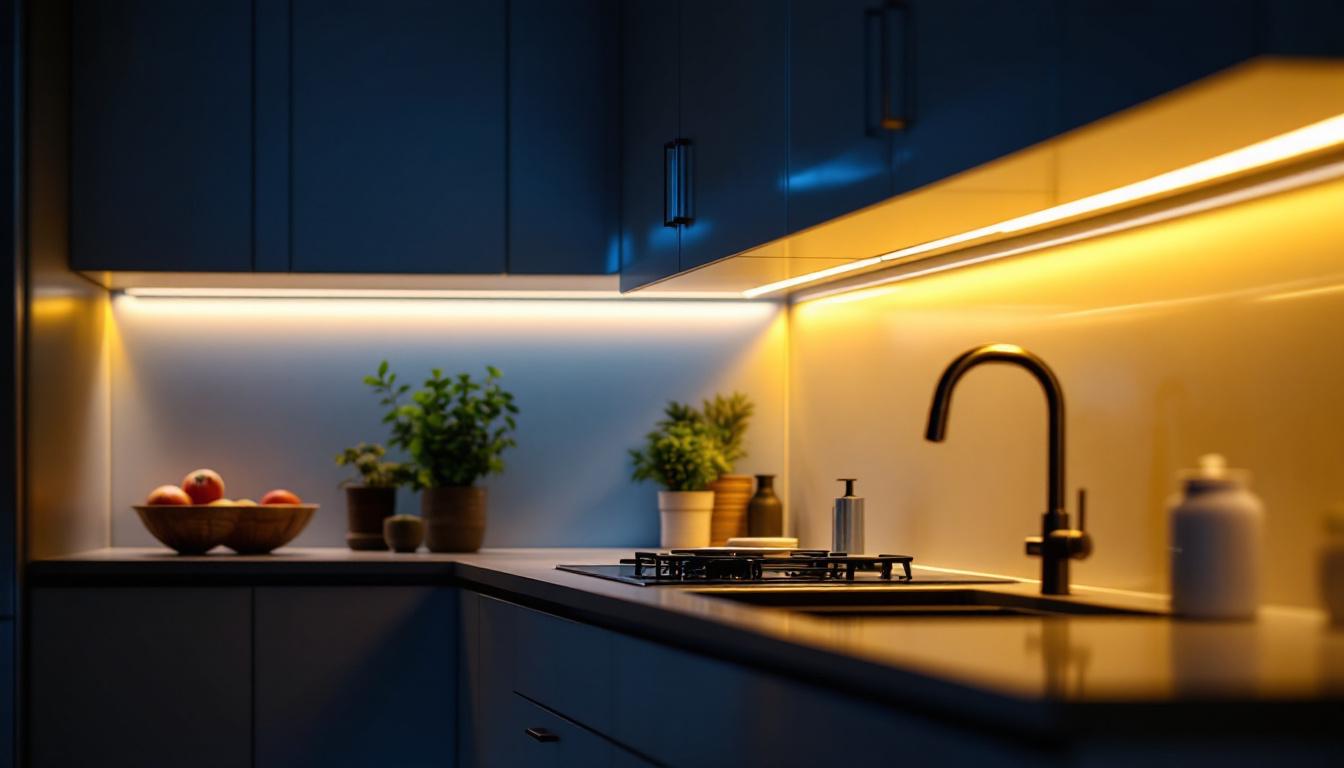
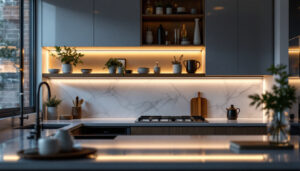
Under cabinet LED lighting has become an essential component in modern interior design, particularly in kitchens, offices, and retail spaces. For lighting contractors, mastering the installation and selection of these fixtures is crucial to delivering both aesthetic appeal and functional illumination. Unlike traditional lighting, under cabinet LEDs provide targeted lighting that enhances visibility on countertops without overwhelming the room’s overall ambiance.
Lighting contractors must appreciate that under cabinet LED systems are not just about brightness; they are about creating layers of light that complement ambient and task lighting. This nuanced approach helps clients achieve a balance between form and function, which is often a key selling point in residential and commercial projects.
Moreover, the versatility of under cabinet LED lighting allows for a variety of styles and designs to fit different tastes and needs. From sleek, minimalist designs that blend seamlessly with contemporary decor to more ornate fixtures that can serve as a statement piece, the options are virtually limitless. Additionally, many under cabinet LEDs come with adjustable color temperatures, enabling users to switch between warm and cool light depending on the time of day or the mood they wish to create. This adaptability not only enhances the functionality of the space but also contributes to the overall aesthetic by allowing for personalized lighting solutions.
Furthermore, energy efficiency is another significant advantage of under cabinet LED lighting. These fixtures consume considerably less power than traditional incandescent bulbs, translating into lower energy bills and a reduced carbon footprint. For environmentally conscious clients, this aspect can be particularly appealing. Many modern LEDs also boast longer lifespans, which means less frequent replacements and reduced waste. As sustainability becomes an increasingly important factor in design choices, lighting contractors who can effectively communicate the benefits of energy-efficient solutions will find themselves in high demand.
Key Factors to Consider When Choosing Under Cabinet LEDs
Color Temperature and CRI
One of the most critical decisions in selecting under cabinet LEDs is determining the appropriate color temperature. LEDs are available in a range from warm white (2700K-3000K) to cool white (4000K-5000K). For kitchen and workspace environments, a neutral white around 3500K to 4000K is often preferred because it provides clear, natural illumination without distorting colors.
Equally important is the Color Rendering Index (CRI), which measures how accurately a light source reveals colors compared to natural light. A CRI of 80 or above is generally recommended for under cabinet lighting to ensure that surfaces and objects appear vibrant and true to life. This is particularly significant in kitchens, where food preparation requires accurate color perception to avoid misjudging the ripeness of fruits or the doneness of meats. Higher CRI values can also enhance the overall ambiance of a space, making it feel more inviting and well-lit.
Lumen Output and Efficiency
Understanding lumen output is essential for contractors to ensure adequate brightness. Under cabinet LEDs typically range from 300 to 800 lumens per fixture, depending on the length and intended use. Efficiency is also a factor; high-quality LEDs provide more lumens per watt, reducing energy consumption and heat generation. This efficiency not only contributes to lower electricity bills but also extends the lifespan of the fixtures, making them a wise investment for both residential and commercial applications.
Contractors should advise clients on the balance between brightness and energy savings, especially in commercial settings where lighting may be used extensively throughout the day. For instance, in a bustling café or restaurant, optimal lighting not only enhances the dining experience but also plays a crucial role in employee productivity and safety. By choosing the right lumen output, businesses can create a welcoming atmosphere while keeping operational costs in check.
Fixture Design and Installation Flexibility
The physical design of LED fixtures impacts both aesthetics and installation ease. Slim, low-profile fixtures are ideal for tight spaces and maintain a clean look. Flexible strip lights offer versatility in length and placement, while puck lights provide focused illumination in specific areas. These design options allow for creative lighting solutions that can highlight architectural features or create mood lighting, enhancing the overall decor of the space.
Lighting contractors must assess the cabinetry material, available mounting space, and wiring accessibility to select fixtures that simplify installation and maintenance. Wireless and plug-in options can also be advantageous in retrofit projects where hardwiring is challenging. Additionally, considering the potential for future upgrades or changes in design can influence fixture selection; modular systems that allow for easy reconfiguration can adapt to evolving needs without requiring extensive renovations. This foresight can save time and costs in the long run, ensuring that the lighting remains functional and stylish for years to come.
Advanced Installation Techniques for Optimal Performance
Planning and Layout Strategies
Successful under cabinet lighting installations begin with meticulous planning. Contractors should map out the cabinetry layout, considering corners, cabinet depth, and the presence of appliances or sinks that may affect light distribution. Using a combination of linear and accent lighting can help eliminate shadows and create uniform illumination. Additionally, it’s beneficial to consider the color temperature of the lights, as warmer tones can create a cozy atmosphere, while cooler tones are ideal for task-oriented spaces. By strategically placing lights near work areas, such as countertops or cooking surfaces, the overall functionality and aesthetic appeal of the kitchen can be significantly enhanced.
Spacing between fixtures is another critical consideration. Overlapping light beams can cause hotspots, while excessive gaps result in dark areas. A common practice is to space fixtures every 12 to 18 inches, but this varies depending on the fixture’s beam angle and lumen output. When planning the layout, contractors should also take into account the reflective surfaces in the kitchen, such as backsplashes and countertops, which can amplify light and help create a more vibrant environment. Using a combination of direct and indirect lighting can further enhance the visual interest of the space, making it both practical and inviting.
Wiring and Power Supply Best Practices
Proper wiring ensures safety and longevity of the lighting system. Contractors should use low-voltage wiring for LED strips to minimize heat and energy loss. It’s important to select power supplies that match the total wattage of all connected fixtures, allowing for a margin to prevent overload. Additionally, using wire connectors and junction boxes that meet local electrical codes can enhance safety and reliability. For larger installations, a dedicated circuit may be advisable to ensure that the lighting system operates efficiently without straining the home’s electrical system.
Incorporating dimmers and smart controls during installation can significantly enhance the user experience. Dimming capabilities allow users to adjust brightness according to tasks or mood, while smart controls enable integration with home automation systems for convenience and energy efficiency. This integration can include features such as scheduling, remote access, and voice control, which not only add a layer of sophistication but also contribute to energy savings. By utilizing energy-efficient LEDs in conjunction with smart technology, homeowners can enjoy a beautifully lit space while reducing their carbon footprint.
Heat Management and Fixture Longevity
Although LEDs generate less heat than traditional bulbs, heat buildup can still impact performance and lifespan. Contractors should ensure fixtures have adequate ventilation and are mounted on materials that dissipate heat effectively, such as aluminum channels or heat sinks. Furthermore, selecting fixtures designed with thermal management features can help maintain optimal operating temperatures, thereby extending the life of the LED components. Regular maintenance checks can also be beneficial, as they allow for the early detection of any issues related to heat accumulation.
Proper heat management reduces the risk of premature failure and maintains consistent light output over time, which is a hallmark of professional-grade installations. It’s also worth considering the placement of fixtures in relation to heat-producing appliances, such as ovens or stovetops, to prevent any adverse effects on the lighting system. By taking a comprehensive approach to heat management, contractors can ensure that their installations not only perform well but also stand the test of time, providing reliable service for years to come.
Common Challenges and How Lighting Contractors Overcome Them
Dealing with Cabinet Material Variability
Different cabinet materials—wood, metal, laminate—pose unique challenges for mounting and wiring. For example, drilling into solid wood requires careful measurement to avoid splitting, while metal cabinets may necessitate specialized fasteners or adhesive mounts.
Experienced contractors often carry a variety of mounting hardware and adhesives to adapt to onsite conditions, ensuring a secure and aesthetically pleasing installation regardless of cabinet type.
Minimizing Visible Wiring and Hardware
Clients often desire a clean, seamless look with no visible wires or bulky fixtures. Achieving this requires strategic routing of cables through cabinet interiors, backsplashes, or walls. Using low-profile connectors and concealing power supplies in adjacent cabinets or drawers helps maintain a tidy appearance.
Lighting contractors sometimes employ cable management systems designed specifically for under cabinet lighting to keep wiring organized and hidden from view.
Ensuring Consistent Light Quality Across Fixtures
When multiple fixtures are used, inconsistencies in color temperature or brightness can detract from the overall effect. Contractors mitigate this by sourcing LEDs from the same manufacturer and batch, verifying specifications before installation.
Additionally, testing the lighting system prior to final mounting allows for adjustments and ensures uniformity, which is critical for client satisfaction.
Emerging Trends and Technologies in Under Cabinet LED Lighting
Integration with Smart Home Systems
Smart lighting technologies are revolutionizing how under cabinet LEDs are controlled and customized. Voice-activated assistants, smartphone apps, and automated schedules allow users to tailor lighting scenes effortlessly. This integration also supports energy-saving modes and remote monitoring, which are increasingly valued by clients.
Lighting contractors who stay abreast of these advancements can offer enhanced solutions that differentiate their services in a competitive market.
Advances in LED Chip Technology
Newer LED chips offer higher efficiency, better color rendering, and longer lifespans. Innovations such as tunable white LEDs enable dynamic adjustment of color temperature throughout the day, mimicking natural light patterns to improve comfort and productivity.
Contractors should evaluate these technologies for projects where superior light quality or wellness benefits are priorities.
Eco-Friendly and Sustainable Options
Environmental considerations are increasingly influencing lighting choices. LEDs inherently consume less energy, but additional features like recyclable materials, low-impact manufacturing processes, and compliance with green building standards add value.
Contractors can appeal to eco-conscious clients by recommending products with certifications such as ENERGY STAR or those that contribute to LEED points in commercial projects.
Conclusion: Mastering Under Cabinet LED Lighting for Professional Success
For lighting contractors, mastering under cabinet LED lighting involves a blend of technical knowledge, design sensibility, and practical installation skills. Understanding the nuances of color temperature, lumen output, fixture types, and wiring ensures that installations meet client expectations for both functionality and style.
Addressing common challenges with adaptable solutions and staying informed about emerging technologies positions contractors as trusted experts in the field. Ultimately, delivering high-quality under cabinet LED lighting enhances client satisfaction, drives repeat business, and elevates a contractor’s reputation in an increasingly sophisticated market.
Illuminate Your Projects with LumenWholesale
Ready to elevate your lighting installations to the next level? At LumenWholesale, we provide lighting contractors with the superior, spec-grade under cabinet LED lighting solutions needed to impress your clients and illuminate any space with confidence. Our commitment to quality and affordability means you can access the best products at wholesale prices, ensuring your projects shine without straining your budget. Say goodbye to middlemen and inflated costs, and hello to a vast selection of industry-standard lighting with the convenience of free shipping. Take the first step towards a brighter future and explore our wholesale lighting options at the best value today.