Understanding LED Technology: The Foundation of Energy-Efficient Lighting
Light Emitting Diodes (LEDs) have revolutionized the lighting industry by offering a highly efficient, durable, and versatile alternative to traditional incandescent and fluorescent bulbs. For lighting contractors, understanding the core technology behind LEDs is essential to advising clients and implementing effective lighting solutions.
LEDs function by passing an electrical current through a semiconductor, which emits light through electroluminescence. Unlike incandescent bulbs that generate light by heating a filament, LEDs produce minimal heat, resulting in significantly higher energy efficiency. This fundamental difference means LEDs convert a larger portion of electricity into visible light rather than wasted heat.
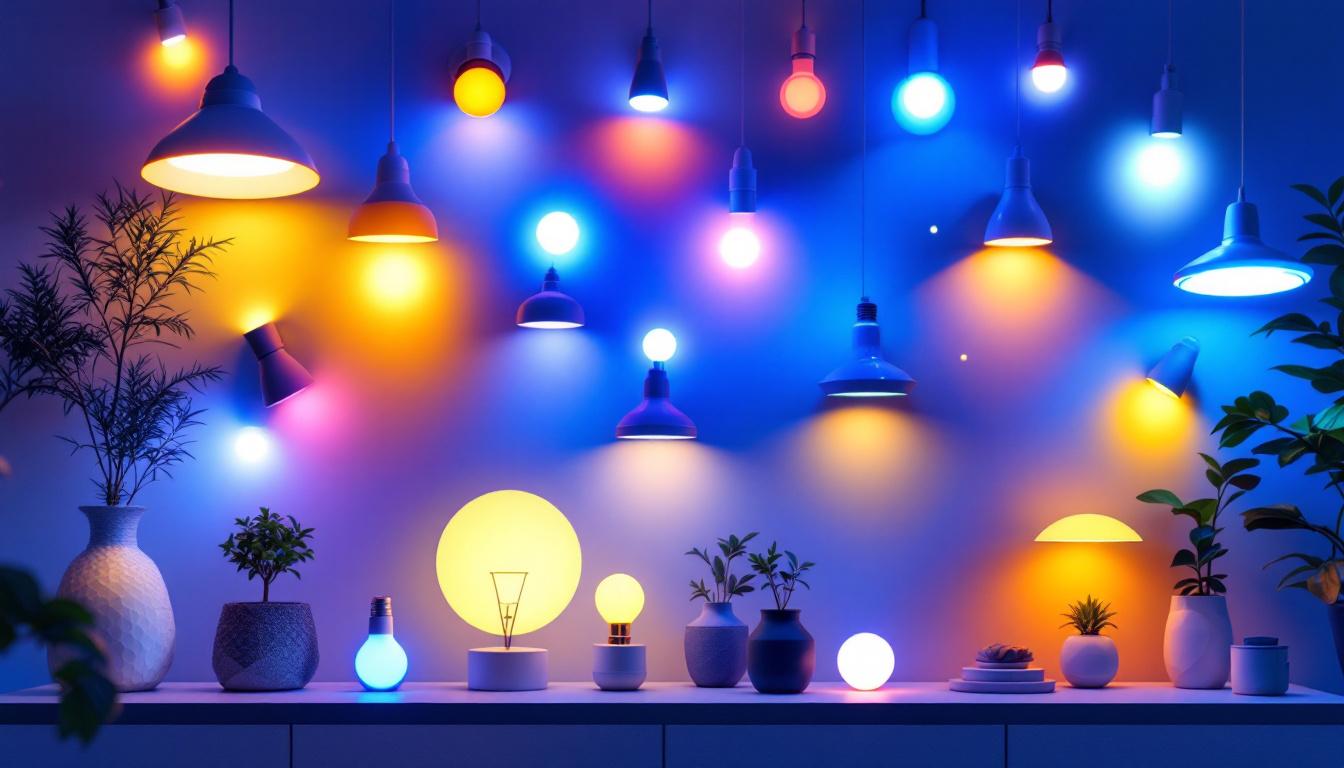
Moreover, LEDs come in a variety of shapes, sizes, and color temperatures, making them adaptable to diverse applications—from residential lighting to large-scale commercial projects. Their long lifespan, often exceeding 25,000 hours, reduces maintenance costs and replacement frequency, a critical consideration for contractors managing large lighting installations.
In addition to their energy efficiency, LEDs also offer enhanced control over lighting design. Dimming capabilities and smart technology integration allow for tailored lighting solutions that can adjust to the needs of different environments. For instance, in a retail setting, adjustable LED lighting can highlight products while creating an inviting atmosphere, ultimately enhancing the shopping experience. Furthermore, the ability to control color temperature can influence mood and productivity, making LEDs an ideal choice for office spaces where optimal lighting is crucial for employee performance.
Another significant advantage of LED technology is its environmental impact. With a lower carbon footprint compared to traditional lighting options, LEDs contribute to sustainability efforts by reducing energy consumption and minimizing waste. Many LEDs are also free from hazardous materials such as mercury, which is commonly found in fluorescent bulbs. As energy efficiency becomes a priority for both consumers and businesses, the adoption of LED technology aligns with global efforts to combat climate change and promote greener practices in the construction and renovation sectors.
The Energy Efficiency Advantage: Why LEDs Outperform Traditional Lighting
Comparative Energy Consumption
One of the most compelling reasons to recommend LED lighting is its superior energy efficiency. LEDs consume up to 80% less energy than incandescent bulbs and approximately 50% less than compact fluorescent lamps (CFLs). This reduction translates directly into lower electricity bills and a reduced carbon footprint for end-users.
For example, a typical 60-watt incandescent bulb can be replaced by an LED bulb that consumes only about 10 watts while delivering the same luminous output. This efficiency gain is particularly impactful in commercial environments where dozens or hundreds of fixtures operate continuously. In fact, businesses that switch to LED lighting can often see a return on investment in just a few years, thanks to the cumulative savings on energy costs. Moreover, with advancements in LED technology, the luminous efficacy continues to improve, meaning that even brighter and more efficient options are becoming available to consumers.
Impact on Operational Costs
Energy savings are just one part of the economic equation. LEDs also contribute to lower operational costs due to their extended lifespan and reduced heat output. Less heat generation means decreased cooling loads in buildings, further cutting energy usage associated with air conditioning systems. The average lifespan of an LED bulb can reach up to 25,000 hours or more, compared to just 1,000 hours for incandescent bulbs. This longevity means that businesses not only save on energy but also on the costs associated with frequent replacements and maintenance.
Lighting contractors can leverage these benefits when designing systems for clients aiming to optimize total cost of ownership. By presenting clear data on energy savings and maintenance reduction, contractors can justify the initial investment in LED technology. Furthermore, the versatility of LEDs allows for innovative lighting designs that can enhance the aesthetic appeal of spaces while maintaining efficiency. From retail environments that benefit from color rendering to office spaces that require adjustable lighting levels, the adaptability of LED solutions can cater to a wide range of applications, making them an ideal choice for modern lighting needs. Additionally, as more consumers become environmentally conscious, the shift towards LED lighting aligns with sustainability goals, enhancing a company’s reputation and appeal in the marketplace.
Key Features and Specifications Lighting Contractors Should Know
Luminous Efficacy and Color Rendering
Luminous efficacy, measured in lumens per watt (lm/W), indicates how efficiently a light source converts electricity into visible light. LEDs typically offer luminous efficacy values ranging from 80 to over 150 lm/W, far surpassing incandescent bulbs, which average around 15 lm/W. This efficiency not only reduces energy consumption but also lowers operational costs, making LEDs an attractive choice for both residential and commercial applications. Furthermore, the longevity of LEDs, often exceeding 25,000 hours, means that replacements are infrequent, contributing to lower maintenance costs over time.
Another critical factor is the Color Rendering Index (CRI), which measures a light source’s ability to reveal the true colors of objects compared to natural light. LEDs with a CRI above 80 are generally suitable for most applications, while specialty lighting may require CRIs of 90 or higher. Lighting contractors must consider CRI when selecting LEDs for retail, hospitality, or healthcare environments where color accuracy is paramount. In art galleries, for instance, a high CRI is essential to ensure that the colors of paintings and sculptures are represented accurately, enhancing the viewer’s experience and appreciation of the artwork.
Color Temperature and Its Applications
Color temperature, expressed in Kelvin (K), defines the visual warmth or coolness of the light. Warm white light (2700K–3000K) creates a cozy atmosphere ideal for residential and hospitality settings. Neutral white (3500K–4100K) suits office and retail environments, while cool white (5000K–6500K) is often used in industrial and outdoor applications. The choice of color temperature can significantly influence mood and productivity; for example, cooler temperatures in the morning can help stimulate alertness, while warmer tones in the evening can promote relaxation.
Understanding these nuances allows contractors to tailor lighting solutions that enhance aesthetics and functionality, improving client satisfaction and project outcomes. Additionally, the integration of smart lighting systems can further enhance the versatility of color temperature, allowing users to adjust the ambiance according to time of day or specific activities. This adaptability not only meets the immediate needs of clients but also positions contractors as forward-thinking professionals who embrace innovative technologies in their designs.
Installation Considerations and Best Practices for LED Lighting
Compatibility and Retrofit Challenges
While LEDs are versatile, contractors must evaluate fixture compatibility, especially when retrofitting existing lighting systems. Some older fixtures may not support LED drivers or may require rewiring. Additionally, dimming capabilities vary among LED products, so selecting compatible dimmers is vital to avoid flickering or reduced lifespan. It’s important to conduct a thorough assessment of the existing electrical infrastructure before proceeding with the installation. This may involve checking the wattage and voltage of current fixtures, as well as understanding the layout of the wiring to ensure that the new LED systems can be integrated seamlessly.
Proper installation techniques, including ensuring adequate heat dissipation through appropriate heat sinks and ventilation, are essential to maximize LED performance and longevity. Furthermore, attention should be paid to the orientation of the fixtures, as improper positioning can lead to uneven lighting and hotspots. Contractors should also consider the color temperature of the LEDs, as this can significantly affect the ambiance of the space. Warmer tones are often preferred in residential settings, while cooler tones may be more suitable for commercial environments. By taking these factors into account, contractors can enhance both the aesthetic and functional aspects of the lighting design.
Regulatory Compliance and Standards
Lighting contractors should stay informed about regional energy codes and standards, such as ENERGY STAR or DesignLights Consortium (DLC) certifications. These certifications guarantee that LED products meet stringent efficiency and quality criteria, providing assurance to clients and facilitating compliance with building regulations. Moreover, understanding the impact of local regulations can help contractors avoid potential fines or rework, ensuring that projects are completed on time and within budget. It is also beneficial to engage with local building departments early in the design process to clarify any specific requirements that may apply to the project.
Incorporating certified LED products into projects can also unlock incentives or rebates offered by utility companies, adding financial value to the installation. Many utility providers have programs designed to encourage energy-efficient upgrades, which can significantly offset initial costs. Additionally, contractors should consider the long-term savings associated with LED installations, such as reduced energy consumption and lower maintenance costs due to the extended lifespan of LED bulbs. By presenting these benefits to clients, contractors can not only enhance their service offerings but also foster a more sustainable approach to lighting design that aligns with modern energy efficiency goals.
Emerging Trends and Innovations in LED Lighting
Smart Lighting and IoT Integration
The integration of LED lighting with smart controls and Internet of Things (IoT) technology is reshaping the lighting landscape. Smart LEDs enable features such as remote dimming, color tuning, occupancy sensing, and daylight harvesting, allowing for dynamic lighting environments that enhance energy savings and user comfort.
Contractors equipped with knowledge of these systems can offer clients advanced solutions that optimize lighting performance while reducing operational costs.
Human-Centric Lighting
Human-centric lighting focuses on adjusting light intensity and color temperature to support human circadian rhythms, improving well-being and productivity. LEDs are uniquely suited to this approach due to their controllability and color tunability.
Incorporating human-centric lighting in workplaces, healthcare facilities, and educational institutions is gaining traction, presenting new opportunities for contractors to differentiate their services.
Conclusion: Why Lighting Contractors Should Prioritize LED Expertise
For lighting contractors, mastering LED technology is no longer optional but essential. The benefits of LEDs—in energy efficiency, longevity, versatility, and integration with modern control systems—translate into tangible advantages for clients and competitive differentiation for contractors.
By understanding the technical specifications, installation requirements, and emerging trends, contractors can deliver lighting solutions that meet evolving market demands, regulatory standards, and sustainability goals. Embracing LED lighting expertise empowers contractors to lead in the transition toward smarter, greener, and more cost-effective illumination.
Illuminate Your Projects with LumenWholesale
Ready to elevate your lighting game with the most efficient LED solutions on the market? Look no further than LumenWholesale for all your lighting needs. Our extensive selection of top-quality, spec-grade lighting products is available at unbeatable wholesale prices, ensuring you get the best value for your investment. Say goodbye to middleman markups and hello to superior lighting products that meet the highest industry standards. Plus, with free shipping on bulk orders, you can stock up on premium lighting without any hidden fees. Don’t compromise on quality, affordability, or convenience. Make the smart choice for your next project and experience Wholesale Lighting at the Best Value with LumenWholesale today.