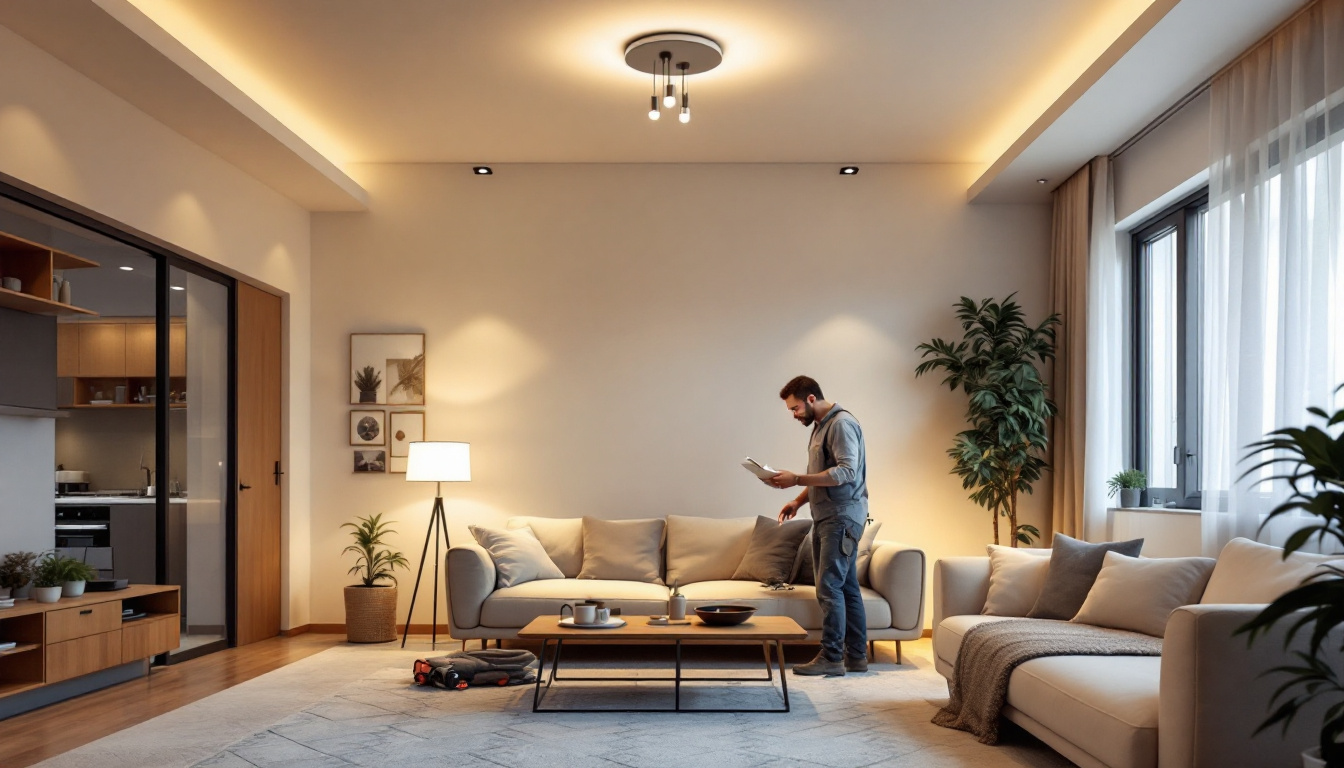
Understanding the Basics of Hanging Bulbs
Hanging bulbs have become a popular lighting choice in both residential and commercial spaces due to their minimalist aesthetic and versatility. For lighting contractors, comprehending the fundamentals of these fixtures is essential for successful installation and client satisfaction.
At its core, a hanging bulb setup involves suspending a light bulb from the ceiling using a cord, chain, or rod. This simplicity allows for a wide range of customization in terms of bulb type, length, and fixture style. However, the straightforward appearance can sometimes mask complexities related to electrical safety, bulb compatibility, and design considerations.
Contractors must be adept at selecting the appropriate components and understanding the technical requirements to ensure that hanging bulbs not only illuminate effectively but also comply with electrical codes and client expectations.
Types of Bulbs Commonly Used
Lighting contractors often encounter various bulb types suitable for hanging fixtures, including incandescent, LED, halogen, and vintage Edison-style bulbs. Each type has unique characteristics:
- Incandescent bulbs offer warm light but are less energy-efficient and have shorter lifespans.
- LED bulbs are highly energy-efficient, long-lasting, and available in a range of color temperatures.
- Halogen bulbs provide bright, crisp light but generate more heat.
- Vintage Edison bulbs are popular for their aesthetic appeal, featuring visible filaments that create a nostalgic ambiance.
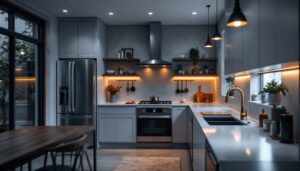
Choosing the right bulb depends on the desired ambiance, energy considerations, and the fixture’s compatibility. For instance, an LED bulb may be ideal for a modern kitchen where energy efficiency is paramount, while vintage Edison bulbs could be more suitable for a cozy café setting where atmosphere is key.
Fixture Components and Materials
Hanging bulb fixtures consist of several components: the bulb socket, cord or chain, canopy, and sometimes a shade or diffuser. Materials range from metals like brass and steel to plastics and glass. Contractors should evaluate the durability, weight, and finish of these materials to ensure they align with the installation environment and design goals.
For example, in humid environments such as kitchens or bathrooms, corrosion-resistant materials are preferable. Additionally, the weight of the fixture and bulb must be supported adequately by the mounting hardware and ceiling structure. It’s also important to consider the aesthetic harmony of the materials used; a sleek metal finish might be perfect for a contemporary space, while a rustic wood accent could enhance a more traditional or farmhouse-style interior.
Moreover, the choice of cord or chain can significantly influence the overall look of the fixture. A braided fabric cord may add a touch of warmth and texture, while a sleek metal chain can contribute to a more industrial feel. Contractors should also be mindful of the length of the suspension; the height at which the bulbs hang can affect both the functionality and the visual impact of the lighting design, making it essential to measure carefully and consider the room’s proportions.
Installation Considerations and Best Practices
Proper installation of hanging bulbs is critical for safety, functionality, and aesthetics. Lighting contractors frequently ask about wiring methods, mounting techniques, and compliance with electrical codes.
Electrical Wiring and Safety
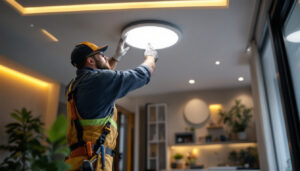
When installing hanging bulbs, contractors must ensure that wiring is done according to the National Electrical Code (NEC) or relevant local standards. This includes using the correct gauge wire, secure connections, and proper grounding. Junction boxes must be rated to support the fixture’s weight, and all connections should be enclosed to prevent exposure.
Additionally, contractors should verify the voltage compatibility of the bulbs and fixtures. Many modern LED bulbs operate efficiently at lower voltages, but the wiring must match the power supply to avoid damage or safety hazards. It is also advisable to conduct a thorough inspection of the existing wiring before installation, as older homes may have outdated systems that do not meet current safety standards. Upgrading these systems not only enhances safety but can also improve energy efficiency.
Mounting Techniques and Height Considerations
The height at which hanging bulbs are installed significantly impacts both function and appearance. In residential settings, bulbs over dining tables or kitchen islands are typically hung 28 to 34 inches above the surface to provide adequate illumination without glare.
In commercial or open spaces, the height may vary more widely depending on ceiling height and room usage. Contractors should also consider the bulb’s brightness and beam angle to avoid dark spots or overly bright areas. For instance, in a retail environment, strategically placed hanging bulbs can create an inviting atmosphere while highlighting merchandise effectively. Additionally, using dimmable fixtures can offer versatility, allowing for adjustments based on the time of day or specific events.
Secure mounting is essential, especially for heavier fixtures or in areas with vibration or movement. Using appropriate anchors and ceiling supports ensures longevity and safety. Furthermore, it is wise to check the manufacturer’s recommendations for mounting hardware and installation guidelines, as these can vary significantly between different types of fixtures.
Addressing Heat and Ventilation
Heat dissipation is a common concern, particularly with incandescent and halogen bulbs that generate significant warmth. Contractors should ensure that hanging bulbs have sufficient clearance from combustible materials and that fixtures allow for adequate airflow.
LED bulbs, due to their lower heat output, provide more flexibility in tight or enclosed spaces. However, even LEDs require some ventilation to maintain optimal operating temperatures and prolong lifespan. It’s also beneficial to consider the use of heat-resistant materials in the fixture design, especially in areas where bulbs are exposed to higher ambient temperatures. Incorporating features such as heat sinks or reflective surfaces can further enhance performance and efficiency, ensuring that the lighting remains both functional and safe over time.
Design Trends and Client Preferences
Lighting contractors often field questions about current design trends and how to balance client preferences with practical installation considerations.
Popular Styles and Aesthetic Choices
Minimalist and industrial styles dominate the hanging bulb market. Exposed bulbs with simple cords or metal fixtures create a raw, modern look that appeals to many clients. Conversely, some clients prefer more ornate fixtures with glass shades or decorative elements that soften the bulb’s appearance.
Contractors should be prepared to advise clients on how different styles affect light distribution and maintenance. For instance, glass shades may diffuse light but require regular cleaning, while exposed bulbs offer maximum brightness but can cause glare.
Energy Efficiency and Smart Lighting Integration
With increasing emphasis on sustainability, many clients request energy-efficient solutions. LEDs are the preferred choice due to their low power consumption and long life. Additionally, smart bulbs and fixtures that integrate with home automation systems are gaining popularity.
Lighting contractors should stay informed about compatible smart lighting products and installation requirements, including wiring for dimmers and wireless controls. This knowledge allows contractors to offer comprehensive solutions that meet modern client demands.
Customization and Flexibility
Adjustable hanging lengths and modular fixture designs provide clients with flexibility to adapt lighting as their needs change. Contractors can recommend systems that allow easy bulb replacement, length adjustment, or fixture repositioning.
Such adaptability is particularly valuable in commercial spaces where lighting needs may evolve due to layout changes or new functional requirements.
Common Challenges and Troubleshooting
Lighting contractors frequently encounter challenges during hanging bulb installations. Understanding these issues and their solutions helps ensure smooth project completion and client satisfaction.
Flickering and Dimming Issues
Flickering bulbs or inconsistent dimming are common complaints. Causes include incompatible dimmer switches, loose wiring, or low-quality bulbs. Contractors should verify that dimmers are rated for the bulb type, especially with LEDs, which require specific dimming technology.
Ensuring secure wiring connections and using bulbs from reputable manufacturers can mitigate these problems. Testing the system before finalizing installation is a best practice.
Uneven Lighting and Shadows
Improper placement or insufficient number of hanging bulbs can result in uneven illumination or unwanted shadows. Contractors should perform a lighting layout analysis to determine optimal bulb quantity and placement.
Using bulbs with appropriate beam angles and considering fixture spacing helps create balanced lighting. In some cases, combining hanging bulbs with other light sources such as recessed or wall-mounted fixtures enhances overall lighting quality.
Fixture Stability and Safety Concerns
Loose or unstable fixtures pose safety risks and can damage bulbs or wiring. Contractors must ensure that mounting hardware is securely anchored and that the fixture’s weight is supported by the ceiling structure.
Periodic inspection and maintenance recommendations should be communicated to clients to prevent long-term issues.
Regulatory Compliance and Industry Standards
Adhering to electrical codes and industry standards is non-negotiable for lighting contractors. Hanging bulb installations must comply with regulations to ensure safety and avoid liability.
Understanding Local and National Codes
While the National Electrical Code provides a baseline, local jurisdictions may impose additional requirements. Contractors should familiarize themselves with both to ensure full compliance.
Key considerations include proper grounding, use of certified components, and adherence to maximum fixture weight limits. Documentation and permits may also be necessary depending on the project scope.
Energy Efficiency Regulations
Many regions enforce energy efficiency standards that affect bulb and fixture choices. Lighting contractors should stay updated on these regulations to recommend compliant products and avoid costly retrofits.
Energy Star ratings and other certifications serve as useful guides for selecting efficient lighting options.
Safety Certifications and Product Quality
Using fixtures and bulbs with recognized safety certifications such as UL or ETL is essential. These certifications indicate that products have undergone rigorous testing and meet safety benchmarks.
Contractors should verify product authenticity and avoid substandard components that could compromise safety or performance.
Conclusion
Hanging bulbs offer a versatile and stylish lighting solution, but their successful implementation requires careful attention to technical, aesthetic, and regulatory factors. Lighting contractors must be well-versed in bulb types, installation best practices, design trends, troubleshooting, and compliance to deliver optimal outcomes.
By addressing common questions and challenges proactively, contractors can enhance client satisfaction, ensure safety, and contribute to the growing demand for innovative lighting solutions.
Get Your Premium Lighting Supplies at LumenWholesale
Ready to elevate your lighting installations with the finest selection of hanging bulbs and accessories? Look no further than LumenWholesale, where we specialize in providing contractors with high-quality, specification-grade lighting products at the best wholesale prices. Our commitment to excellence ensures that every product in our extensive catalog meets rigorous industry standards, so you can trust the performance and reliability of your lighting solutions. Plus, with the convenience of free shipping on bulk orders, you can stock up on superior lighting without the worry of hidden fees. Make your next project shine and enjoy the benefits of quality, affordability, and convenience all in one place. Visit LumenWholesale today for Wholesale Lighting at the Best Value.