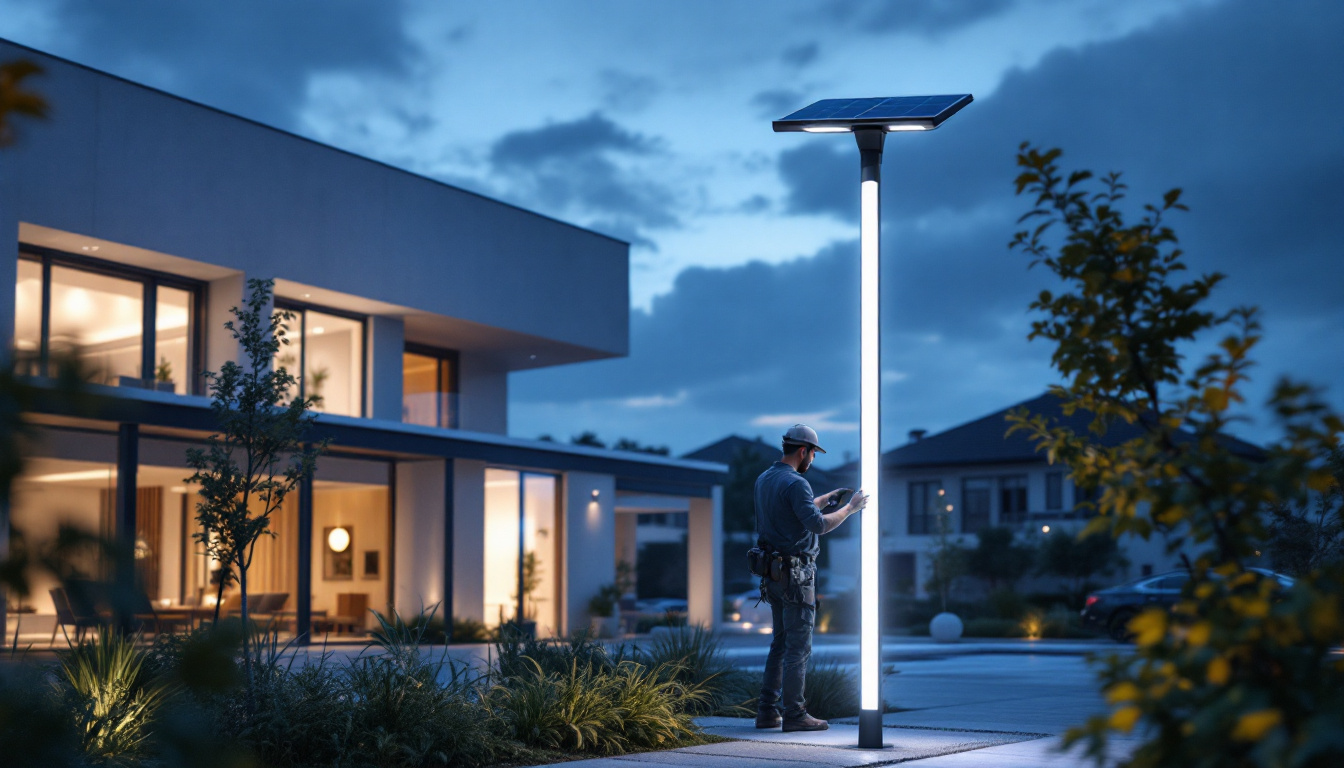
Introduction to Floor Solar Lamps in Modern Lighting Projects
As the lighting industry continues to evolve, floor solar lamps have emerged as a versatile and energy-efficient solution for both residential and commercial applications. For lighting contractors, integrating these innovative fixtures into projects offers an opportunity to meet growing demands for sustainable lighting while enhancing design flexibility. Understanding the nuances of floor solar lamps—from technology to installation—can significantly elevate a contractor’s service offerings.
Floor solar lamps combine the convenience of portable lighting with the benefits of renewable energy, making them ideal for outdoor spaces, temporary setups, and areas where traditional wiring is impractical. Their growing popularity is fueled by advancements in solar panel efficiency, battery storage, and smart control systems, which together enable longer illumination times and adaptive lighting experiences.
In addition to their practical applications, floor solar lamps also contribute to the aesthetic appeal of outdoor environments. With a variety of designs ranging from sleek and modern to rustic and traditional, these lamps can complement any landscape or architectural style. Many models feature adjustable brightness settings and color temperature options, allowing users to customize the ambiance of their space, whether it’s for a cozy evening gathering or a vibrant outdoor event. Furthermore, the integration of motion sensors in some solar lamps enhances security by providing illumination when movement is detected, making them an excellent choice for pathways and entryways.
Moreover, the environmental benefits of floor solar lamps cannot be overstated. By harnessing solar energy, these fixtures reduce reliance on fossil fuels and lower carbon footprints, aligning with global sustainability goals. Many manufacturers are also focusing on eco-friendly materials and production processes, ensuring that the entire lifecycle of the product—from creation to disposal—is as green as possible. This commitment to sustainability not only appeals to environmentally conscious consumers but also positions contractors as leaders in the green building movement, opening doors to new markets and client bases that prioritize eco-friendly solutions.
Technological Foundations of Floor Solar Lamps
Solar Panel Efficiency and Placement
At the heart of every floor solar lamp lies the solar panel, which captures sunlight and converts it into electrical energy. For lighting contractors, selecting lamps with high-efficiency photovoltaic cells is crucial. Modern monocrystalline panels, for example, offer superior energy conversion rates compared to older polycrystalline models, ensuring optimal charging even under diffuse light conditions.
Placement of the solar panel plays a critical role in performance. Many floor solar lamps feature adjustable panels that can be angled to maximize sun exposure throughout the day. Contractors must assess site-specific factors such as shading from trees or buildings and seasonal sun paths to recommend the best positioning for these fixtures. Additionally, the orientation of the solar panel can significantly impact its efficiency; for instance, panels facing south in the Northern Hemisphere typically receive the most sunlight. Understanding local climate conditions, such as average sunlight hours and seasonal variations, can further enhance the effectiveness of solar lamps in different environments.
Battery Technology and Energy Storage
Energy storage is another vital component. Lithium-ion batteries have become the industry standard due to their high energy density, long cycle life, and lightweight design. These batteries enable floor solar lamps to provide consistent illumination well into the night.
Lighting contractors should be aware of battery capacity ratings and expected lifespan when specifying products. A higher milliampere-hour (mAh) rating translates to longer operating times, which is especially important for applications requiring overnight lighting or extended use during cloudy periods. Furthermore, advancements in battery technology, such as the development of lithium iron phosphate (LiFePO4) batteries, offer enhanced safety and thermal stability, making them an attractive option for outdoor lighting solutions. Understanding the trade-offs between different battery types can help contractors make informed decisions that align with their clients’ specific needs and environmental considerations.
Smart Controls and Connectivity
Smart lighting features are increasingly integrated into floor solar lamps, offering enhanced user control and energy management. Motion sensors, ambient light detectors, and programmable timers allow lamps to adjust brightness or switch on/off automatically, conserving energy and extending battery life.
Some models also support wireless connectivity via Bluetooth or Wi-Fi, enabling remote control through mobile apps. For contractors, understanding these smart capabilities can help tailor solutions to client needs, such as security lighting or mood-setting environments in hospitality settings. Moreover, the integration of smart technology can facilitate data collection on usage patterns, allowing users to optimize their energy consumption further. As the Internet of Things (IoT) continues to evolve, the potential for interconnected solar lighting systems that communicate with other smart devices in a home or commercial setting is becoming increasingly viable, paving the way for more sophisticated and energy-efficient lighting solutions.
Design Considerations for Lighting Contractors
Aesthetic Versatility and Material Choices
Floor solar lamps come in a range of styles, from minimalist modern designs to rustic or industrial looks. Lighting contractors must consider the architectural context and client preferences when selecting fixtures. Materials such as aluminum, stainless steel, and weather-resistant plastics not only affect appearance but also durability in outdoor environments. The choice of materials can also influence the lamp’s energy efficiency, as certain materials can enhance solar absorption and prolong battery life.
Additionally, the size and weight of the lamp influence portability and ease of installation. Lightweight models are favored for temporary setups or rental properties, while sturdier designs suit permanent installations in public spaces or commercial landscapes. Furthermore, the design should consider the lamp’s footprint; compact models may be ideal for smaller gardens or patios, while larger fixtures can serve as focal points in expansive outdoor areas. The interplay of form and function is crucial, as the right lamp can enhance the overall aesthetic while providing effective illumination.
Light Quality and Color Temperature
Light quality is a key factor in creating the desired ambiance. Contractors should evaluate lumen output and color temperature options offered by floor solar lamps. Warm white light (2700K–3000K) is often preferred for residential and hospitality settings due to its cozy, inviting feel, whereas cooler white light (4000K–5000K) may be better suited for task-oriented or security lighting. The ability to create different lighting zones can also enhance the functionality of outdoor spaces, allowing for a blend of relaxation and activity areas.
Some advanced models allow adjustable color temperatures and brightness levels, providing flexibility to adapt lighting scenes throughout the day or for special events. This adaptability is particularly beneficial for venues that host outdoor gatherings, as it allows for a seamless transition from day to night lighting. Additionally, integrating smart technology can enable remote control and automation, giving clients the ability to customize their lighting experience with ease.
Compliance and Safety Standards
Ensuring that floor solar lamps meet relevant safety and quality standards is essential. Lighting contractors must verify certifications such as IP ratings for water and dust resistance, UL or CE marks for electrical safety, and compliance with local building codes. These factors not only guarantee product reliability but also protect contractors from liability issues. Furthermore, understanding the environmental impact of the materials used and the energy consumption of the lamps can enhance the contractor’s reputation as a responsible and informed professional.
Moreover, staying updated on the latest regulations and industry standards is crucial for contractors. As sustainability becomes a priority in construction and design, using eco-friendly materials and energy-efficient technologies can not only meet compliance requirements but also appeal to environmentally conscious clients. This proactive approach can lead to long-term benefits, including reduced operational costs and increased customer satisfaction, as clients appreciate the commitment to safety and sustainability in their lighting solutions.
Installation Best Practices and Challenges
Site Assessment and Preparation
Before installation, a thorough site assessment is critical. Contractors should analyze sun exposure patterns, potential obstructions, and the intended use of the space. This information guides decisions about lamp placement, quantity, and configuration to achieve optimal lighting coverage and energy efficiency.
Ground conditions also influence installation methods. For example, soft soil may require stakes or anchors for stability, while hard surfaces might necessitate weighted bases or mounting brackets.
Wiring and Integration with Existing Systems
One of the advantages of floor solar lamps is their minimal wiring requirements. However, in some cases, integrating these lamps with existing lighting control systems or backup power sources can enhance functionality. Contractors should be prepared to coordinate with electrical professionals and understand compatibility issues.
For projects involving mixed lighting technologies, such as combining solar lamps with mains-powered fixtures, careful planning ensures seamless operation and consistent aesthetic outcomes.
Maintenance and Longevity Considerations
While floor solar lamps generally require less maintenance than wired fixtures, regular upkeep is necessary to maintain performance. Contractors should advise clients on cleaning solar panels to prevent dust buildup, checking battery health, and inspecting for physical damage.
Designing installations with easy access to components simplifies maintenance tasks and extends the lifespan of the lamps. Additionally, selecting products with replaceable batteries and modular parts can reduce long-term costs.
Market Trends and Client Expectations
Growing Demand for Sustainable Lighting Solutions
Environmental concerns and rising energy costs are driving increased demand for solar-powered lighting. Contractors who can demonstrate expertise in floor solar lamps position themselves as leaders in sustainable design and energy efficiency. This advantage is particularly relevant in commercial developments, public spaces, and eco-conscious residential projects.
Moreover, many municipalities and organizations offer incentives or rebates for renewable energy installations, which contractors can leverage to add value for clients.
Customization and Smart Integration
Clients increasingly expect personalized lighting solutions that integrate with smart home or building management systems. Floor solar lamps with customizable features, such as adjustable brightness, color tuning, and app-based controls, meet these expectations and enhance user experience.
Contractors should stay informed about emerging technologies and software platforms to offer cutting-edge solutions that align with client lifestyles and operational needs.
Competitive Differentiation Through Expertise
As the market for solar lighting grows, competition among contractors intensifies. Developing specialized knowledge in floor solar lamp technologies and installation techniques can differentiate a contractor’s services. Providing comprehensive consultations, demonstrating product benefits, and offering post-installation support foster client trust and repeat business.
Conclusion: Strategic Approaches for Lighting Contractors
Floor solar lamps represent a dynamic intersection of design innovation, sustainability, and smart technology. For lighting contractors, mastering the technical, aesthetic, and practical aspects of these fixtures unlocks new opportunities in a rapidly evolving market.
By prioritizing high-efficiency components, understanding client needs, adhering to best installation practices, and embracing smart features, contractors can deliver lighting solutions that are not only visually appealing but also environmentally responsible and cost-effective. Staying ahead in this space requires continuous learning and adaptation, but the rewards include enhanced reputation, expanded service offerings, and alignment with the future of lighting.
Illuminate Your Projects with LumenWholesale
Ready to take your lighting projects to the next level with floor solar lamps that blend design, sustainability, and smart technology? Look no further than LumenWholesale for a selection of spec-grade lighting products that will set your services apart. Our commitment to quality and affordability ensures that you can offer your clients the best value in solar lighting solutions. With free shipping on bulk orders, you can trust LumenWholesale to provide premium lighting without hidden fees or compromises. Elevate your lighting game today by visiting Wholesale Lighting at the Best Value and discover how we can enhance your lighting contractor business.