Understanding the Critical Role of Outdoor Entrance Lighting
Outdoor entrance lighting is more than just an aesthetic addition to a building’s façade; it serves pivotal functions that impact safety, security, and the overall user experience. For lighting contractors, focusing on entrance lighting is not merely a task but a responsibility that requires precision, knowledge, and strategic planning.
Entrances are the first point of contact for visitors, employees, and residents. Proper illumination ensures that these transitional spaces are welcoming and safe. According to industry research, well-lit entrances can reduce accidents by up to 50%, highlighting the importance of effective lighting design.
Enhancing Safety and Preventing Accidents
One of the primary reasons outdoor entrance lighting demands attention is safety. Poorly lit entrances can lead to trips, falls, and other accidents, especially during nighttime or adverse weather conditions. Lighting contractors must understand the nuances of light placement, intensity, and color temperature to create environments that minimize hazards.
For example, using LED fixtures with appropriate lumen output and uniform distribution can illuminate steps, ramps, and thresholds effectively. Additionally, incorporating motion sensors or dusk-to-dawn controls ensures that entrances remain well-lit when needed without wasting energy. The strategic use of lighting can also guide individuals through the space, with pathways illuminated to direct foot traffic safely and intuitively.
Moreover, the psychological impact of lighting cannot be overlooked. A well-lit entrance can instill a sense of confidence and comfort in users, encouraging them to engage with the space rather than feel hesitant or anxious. This is particularly important in commercial settings where customer experience is paramount; a welcoming atmosphere can significantly enhance foot traffic and overall satisfaction.
Deterring Crime and Enhancing Security
Security is a paramount concern for property owners and occupants. Outdoor entrance lighting acts as a deterrent against criminal activities by eliminating dark spots where intruders might hide. Studies show that well-lit entrances reduce the likelihood of vandalism and burglary significantly.
Lighting contractors should prioritize fixtures that provide broad coverage and minimize shadows. Integrating lighting with security systems such as cameras and alarms can further enhance protection. Choosing vandal-resistant and weatherproof fixtures also ensures longevity and consistent performance. Furthermore, the strategic placement of lights can create a sense of surveillance, as potential wrongdoers are less likely to approach areas that are brightly lit and monitored.
In addition to traditional lighting solutions, incorporating smart technology can elevate security measures even further. Smart lighting systems can be programmed to adjust brightness based on time of day or occupancy, ensuring that entrances are always adequately illuminated. These systems can also be linked to mobile apps, allowing property owners to monitor and control their lighting remotely, providing peace of mind whether they are on-site or away. This level of control not only enhances security but also promotes energy efficiency, aligning with modern sustainability goals.
Design Considerations for Effective Outdoor Entrance Lighting
Lighting contractors must balance functionality, aesthetics, and energy efficiency when designing outdoor entrance lighting systems. Thoughtful design not only improves visibility but also complements architectural features, creating a cohesive and inviting appearance. The entrance serves as the first impression of a property, making it essential to create an atmosphere that reflects the character and purpose of the space. A well-lit entrance can enhance security, deter potential intruders, and guide visitors safely to their destination.
Choosing the Right Fixtures and Placement
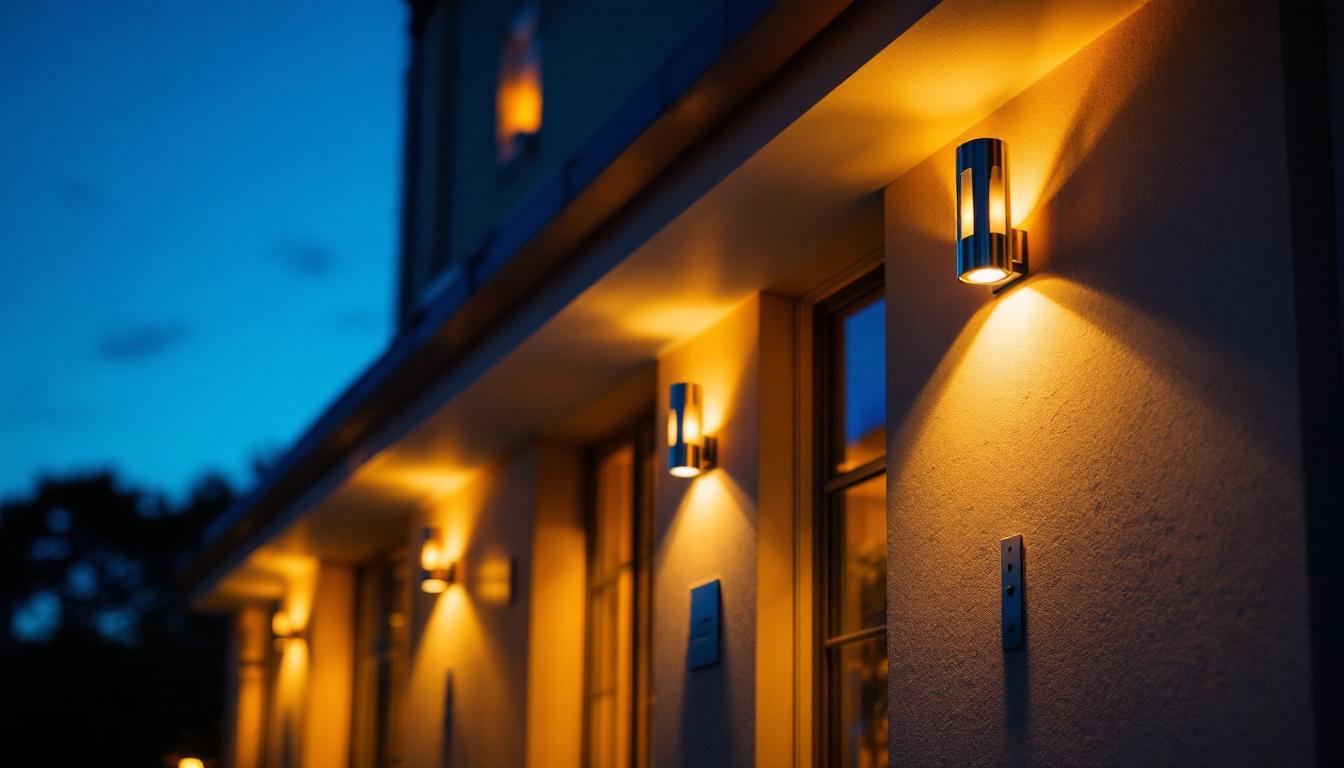
The selection of fixtures plays a crucial role in the success of an entrance lighting project. Wall-mounted sconces, overhead canopy lights, bollard lights, and recessed step lights each serve different purposes and can be combined for layered illumination. For instance, wall-mounted sconces not only provide functional lighting but can also be decorative, adding a touch of elegance or modernity depending on the design. Meanwhile, bollard lights can effectively delineate pathways, ensuring that guests can navigate the entrance safely and comfortably.
Placement is equally important. Fixtures should be positioned to avoid glare while maximizing coverage. For instance, wall sconces placed at eye level can provide ambient light without causing discomfort, while step lights enhance safety by highlighting changes in elevation. Additionally, strategic placement of lights can create visual interest; for example, uplighting trees or architectural features can add depth and drama to the entrance, making it more inviting after dark.
Color Temperature and Light Quality
Color temperature affects both the mood and visibility of an entrance area. Warmer tones (2700K–3000K) create a welcoming and comfortable atmosphere, ideal for residential and hospitality settings. Cooler temperatures (4000K–5000K) offer crisp, clear illumination better suited for commercial or industrial entrances. The choice of color temperature can also influence how people perceive safety and comfort in a space, with warmer lights often associated with relaxation and cooler lights promoting alertness.
Lighting contractors should also consider color rendering index (CRI), which measures how accurately light reveals colors. A higher CRI (above 80) ensures that colors appear natural and vibrant, which can be important for branding or aesthetic purposes. For instance, in retail environments, accurate color rendering can enhance product displays, making merchandise more appealing to customers. Furthermore, the interplay of light and shadow created by various fixtures can highlight textures and materials, enriching the overall visual experience of the entrance.
Energy Efficiency and Sustainability
With growing emphasis on sustainable building practices, energy-efficient lighting solutions are essential. LED technology has revolutionized outdoor lighting by providing high-quality illumination with significantly lower energy consumption and longer lifespan compared to traditional bulbs. This not only reduces operational costs but also minimizes the environmental impact, aligning with the increasing demand for eco-friendly solutions in construction and design.
Incorporating controls such as timers, dimmers, and occupancy sensors can further reduce energy use. Lighting contractors should also be familiar with local regulations and incentives related to energy-efficient installations to maximize benefits for clients. Additionally, integrating smart lighting systems that can be controlled via mobile apps or home automation systems allows for greater flexibility and customization, enabling property owners to adjust lighting based on specific needs or preferences. This adaptability not only enhances user experience but also contributes to long-term energy savings, making it a win-win for both clients and the environment.
Technical Challenges and Solutions in Outdoor Entrance Lighting
Lighting contractors often face technical challenges when installing or upgrading outdoor entrance lighting. Understanding these challenges and knowing how to address them is critical for delivering reliable and effective solutions.
Weather Resistance and Durability
Outdoor fixtures must withstand exposure to rain, snow, wind, and temperature fluctuations. Selecting fixtures with appropriate IP (Ingress Protection) ratings ensures resistance to dust and moisture. For example, an IP65 rating indicates complete protection against dust and low-pressure water jets, making it suitable for most outdoor environments.
Materials such as die-cast aluminum, stainless steel, and polycarbonate lenses offer durability and corrosion resistance. Proper sealing and installation techniques also prevent water ingress and electrical hazards.
Electrical Safety and Compliance
Compliance with electrical codes and standards is non-negotiable. Lighting contractors must ensure proper grounding, circuit protection, and wiring methods to prevent electrical faults and hazards. Using weatherproof junction boxes and conduit protects wiring from environmental damage.
Regular testing and maintenance protocols should be established to verify the integrity of the lighting system over time. This proactive approach minimizes downtime and extends the lifespan of the installation.
Addressing Light Pollution and Glare
Excessive or poorly directed lighting can contribute to light pollution, negatively impacting neighboring properties and the environment. Glare can also cause discomfort or impair vision for pedestrians and drivers.
Contractors should employ shielded fixtures and precise aiming techniques to control light distribution. Utilizing lighting design software can aid in modeling and optimizing illumination patterns to minimize unwanted spill light.
Emerging Trends and Innovations in Outdoor Entrance Lighting
Staying abreast of technological advancements and industry trends enables lighting contractors to offer cutting-edge solutions that meet evolving client expectations and regulatory requirements.
Smart Lighting and IoT Integration
Smart lighting systems equipped with sensors, wireless controls, and connectivity features allow dynamic adjustment of lighting based on occupancy, ambient light, or time schedules. These systems enhance energy efficiency and user convenience.
For outdoor entrances, IoT-enabled lighting can integrate with security systems, providing real-time monitoring and remote management. Lighting contractors who master these technologies can differentiate their services and add value for clients.
Human-Centric Lighting
Human-centric lighting focuses on aligning artificial light with natural circadian rhythms to promote well-being and comfort. This approach involves adjusting color temperature and intensity throughout the day.
Implementing human-centric principles at entrances can improve mood and alertness for occupants entering or leaving a building. Lighting contractors should consider this trend when designing systems for healthcare, educational, or workplace environments.
Solar-Powered and Off-Grid Solutions
Solar-powered lighting offers a sustainable option for outdoor entrances, especially in remote or off-grid locations. Advances in solar panel efficiency and battery storage have made these systems more reliable and cost-effective.
Lighting contractors can expand their service offerings by incorporating solar solutions, addressing client needs for green energy and reducing dependence on grid infrastructure.
Best Practices for Lighting Contractors to Excel in Outdoor Entrance Lighting
To deliver outstanding results in outdoor entrance lighting projects, contractors should adopt best practices that encompass planning, execution, and post-installation support.
Comprehensive Site Assessment and Client Consultation
Understanding the unique characteristics of each site is essential. Contractors should conduct thorough assessments of architectural features, traffic patterns, existing lighting, and client objectives.
Engaging clients in the design process ensures that solutions align with their priorities, whether they emphasize aesthetics, security, or sustainability. Clear communication also helps manage expectations and fosters long-term relationships.
Quality Installation and Rigorous Testing
Precision in installation minimizes future issues. Contractors should follow manufacturer guidelines and industry standards meticulously. Testing all components under various conditions verifies functionality and performance.
Documenting installation details and test results provides valuable records for maintenance and troubleshooting.
Maintenance Planning and Support
Outdoor entrance lighting systems require periodic maintenance to sustain optimal performance. Contractors should offer maintenance plans that include cleaning, lamp replacement, and system inspections.
Providing clients with guidance on routine care and prompt response to issues enhances satisfaction and protects the contractor’s reputation.
Conclusion: Why Lighting Contractors Must Prioritize Outdoor Entrance Lighting
Outdoor entrance lighting is a critical element that influences safety, security, aesthetics, and energy efficiency. For lighting contractors, dedicating attention and expertise to this area not only fulfills client needs but also elevates professional standards.
By embracing best practices, leveraging emerging technologies, and addressing technical challenges proactively, contractors can deliver lighting solutions that stand the test of time and contribute positively to the built environment.
Ultimately, focusing on outdoor entrance lighting is an investment in safety, functionality, and client satisfaction—an investment that lighting contractors cannot afford to overlook.
Illuminate Your Projects with LumenWholesale
Ready to elevate your outdoor entrance lighting projects? Look no further than LumenWholesale for the highest quality, spec-grade lighting products at unbeatable wholesale prices. Say goodbye to middleman markups and hello to superior lighting solutions that meet the most rigorous industry standards. With our hassle-free bulk buying and free shipping, you can ensure every project shines with reliability and high performance. Don’t compromise on quality or value—choose LumenWholesale for the perfect blend of affordability and convenience. Wholesale Lighting at the Best Value is just a click away.