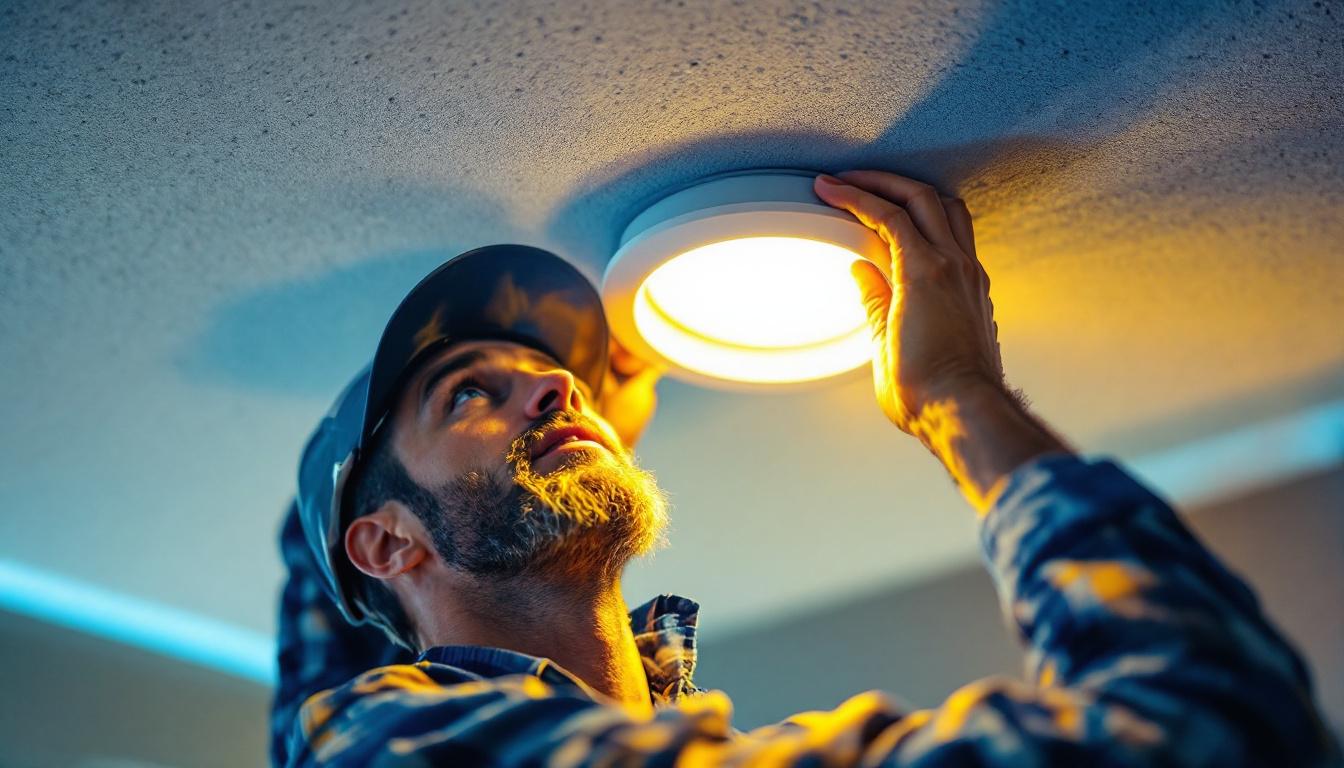
Understanding the Importance of Proper Installation
10 inch recessed lights are a popular choice for both residential and commercial lighting projects due to their ability to provide broad, even illumination. However, the size and design of these fixtures demand careful attention during installation. Lighting contractors often encounter challenges unique to this size, and mistakes can lead to inefficiencies, safety hazards, or client dissatisfaction.
Proper installation not only ensures optimal light distribution but also maintains the integrity of the ceiling structure and complies with electrical codes. Recognizing common pitfalls can help contractors avoid costly callbacks and enhance their professional reputation.
One of the key aspects of installing 10 inch recessed lights is ensuring that the fixtures are appropriately spaced to achieve the desired lighting effect. A common guideline is to place the lights approximately 4 to 6 feet apart, but this can vary based on the height of the ceiling and the specific lighting needs of the space. For instance, in areas with higher ceilings, a wider spacing may be necessary to prevent dark spots. Additionally, the type of bulb used can influence the spacing; LED bulbs, for example, may require different distances compared to traditional incandescent bulbs due to their directional light output.
Another critical factor during installation is the consideration of insulation and airflow. Many recessed lights are rated for contact with insulation, but it’s essential to check the specifications to prevent overheating and potential fire hazards. Additionally, proper airflow must be maintained to avoid creating hot spots in the ceiling, which can lead to premature fixture failure. Contractors should also be mindful of the ceiling material, as drywall, plaster, and other materials may require different cutting techniques and support structures to ensure a secure and aesthetically pleasing installation.
Common Mistakes in Selecting the Right Fixture and Housing
Overlooking Compatibility Between Fixture and Housing
One frequent error is mismatching the 10 inch recessed light fixture with its housing. Not all housings are created equal; some are designed for new construction, while others are retrofit models. Using an incompatible housing can cause improper fit, leading to gaps, light leakage, or difficulty securing the fixture.
Contractors should always verify the manufacturer’s specifications to ensure the fixture and housing are intended to be paired. This prevents installation issues and ensures the fixture performs as designed. Additionally, understanding the specific requirements for the ceiling type—whether it be drywall, plaster, or a drop ceiling—can further influence the choice of housing. Each ceiling type may require different mounting techniques or housings that accommodate varying thicknesses, which can significantly impact the overall aesthetic and functionality of the lighting system.
Ignoring Air-Tight and Insulation Contact Ratings
Another critical mistake is neglecting the air-tight (AT) and insulation contact (IC) ratings of housings. In many jurisdictions, energy codes require recessed lights to be air-tight to prevent conditioned air from escaping into unconditioned spaces, which impacts heating and cooling efficiency.
Similarly, IC-rated housings are designed to be safely installed in direct contact with insulation, reducing fire risk. Installing a non-IC rated housing where insulation contacts the fixture can create a serious fire hazard. Contractors must assess the installation environment and select housings accordingly to comply with safety standards and energy codes. Furthermore, the choice of housing can also influence the longevity and performance of the fixture. For instance, air-tight housings not only enhance energy efficiency but also help in reducing moisture buildup, which can lead to mold growth and damage over time. By prioritizing these ratings, contractors can ensure that the lighting installation is not only safe but also sustainable and efficient in the long run.
Installation Errors That Affect Performance and Safety
Improper Ceiling Cutouts and Support
Cutting the ceiling hole for a 10 inch recessed light requires precision. A hole that is too large can cause the fixture to sit loosely, while a hole that is too small may damage the fixture or ceiling material during installation. This mistake often results in an uneven appearance and may compromise fixture stability.
Additionally, failing to provide adequate support for the housing can lead to sagging or detachment over time. Contractors should use manufacturer-recommended templates and support brackets to ensure a secure and professional installation. It’s also important to consider the weight of the fixture and any additional components, such as dimmers or smart controls, that may add to the overall load. Properly securing the housing not only enhances aesthetics but also prevents potential hazards that could arise from a loose or falling fixture.
Moreover, when planning the installation, contractors should take into account the type of ceiling material being worked with. For instance, drywall ceilings may require different cutting techniques compared to plaster or drop ceilings. Understanding the nuances of each material can help in achieving a flawless installation and maintaining the integrity of the ceiling structure.
Incorrect Wiring Practices
Electrical wiring is a critical component of recessed light installation. Common wiring mistakes include using improper wire gauges, failing to secure connections with wire nuts, or neglecting to follow local electrical codes. Such errors can cause flickering, short circuits, or even electrical fires.
Contractors must always adhere to the National Electrical Code (NEC) and local regulations, use appropriate wire types, and double-check all connections. Employing junction boxes and ensuring proper grounding are also essential for safety and fixture longevity. It’s advisable to use wires that are rated for the specific application, especially in areas where insulation may be present, to prevent overheating and potential fire hazards.
Furthermore, attention should be paid to the layout of the wiring. A well-planned wiring scheme not only improves the efficiency of the lighting system but also simplifies future maintenance or upgrades. By keeping wire runs as short as possible and avoiding sharp bends, contractors can minimize resistance and ensure a reliable power supply to each fixture. Regular inspections of the wiring after installation can also help catch any issues early, ensuring both safety and performance are maintained over time.
Lighting Design Oversights
Ignoring Room Function and Layout
Lighting contractors sometimes focus solely on fixture installation without considering the room’s function and layout. A 10 inch recessed light provides broad illumination, but overusing or misplacing these fixtures can create glare, shadows, or uneven lighting.
For example, in kitchens or workspaces, uniform lighting is crucial, whereas in living rooms, a combination of recessed lights and accent lighting may be more appropriate. Contractors should collaborate with designers or clients to develop a lighting plan that complements the space’s purpose and aesthetics. Additionally, the placement of furniture and architectural features should be taken into account; for instance, a well-placed pendant light can become a stunning focal point above a dining table, while strategically positioned wall sconces can enhance the ambiance without overwhelming the space. Understanding how natural light interacts with artificial sources throughout the day can also inform decisions, ensuring that the lighting adapts to various activities and moods as the sun moves across the sky.
Neglecting Beam Angle and Color Temperature Selection
The beam angle and color temperature of recessed lights significantly influence the ambiance and functionality of a space. Using fixtures with too narrow a beam angle can create harsh spots, while overly wide beams may reduce contrast and depth.
Similarly, selecting an inappropriate color temperature—such as overly cool light in a cozy living area—can detract from the desired atmosphere. Lighting contractors should educate clients on these factors and choose fixtures that align with the intended mood and use of the space. For instance, warmer color temperatures (around 2700K to 3000K) are ideal for creating a welcoming environment in bedrooms and living rooms, while cooler temperatures (4000K and above) are often better suited for task-oriented areas like offices or kitchens. Moreover, the ability to adjust color temperature with tunable white LEDs can offer flexibility, allowing homeowners to transition from bright, energizing light during the day to softer, more relaxing tones in the evening. This adaptability not only enhances comfort but also promotes well-being, making it essential for contractors to stay informed about the latest advancements in lighting technology.
Maintenance and Accessibility Mistakes
Failing to Plan for Easy Bulb Replacement
One often-overlooked aspect is ensuring that recessed lights are accessible for maintenance. Some contractors install fixtures in hard-to-reach locations or use housings that complicate bulb replacement. This oversight can frustrate clients and increase long-term maintenance costs.
Designing installations with accessibility in mind—such as positioning fixtures away from obstructions and selecting models with easy-to-remove trims—can enhance client satisfaction and reduce service calls.
Overlooking Heat Management
Heat buildup is a significant concern with recessed lighting, especially with larger 10 inch fixtures. Improper heat dissipation can shorten bulb life and increase fire risk. Contractors sometimes neglect to verify that housings have adequate ventilation or use bulbs that generate excessive heat.
Using LED bulbs, which produce less heat, and ensuring housings meet ventilation requirements can mitigate these risks. Proper heat management is essential for safety and fixture durability.
Conclusion: Best Practices for Lighting Contractors
10 inch recessed lights are versatile and effective when installed correctly. Avoiding common mistakes—from fixture selection and wiring to lighting design and maintenance planning—ensures high-quality results and client satisfaction.
Lighting contractors should stay informed about evolving codes and technologies, communicate clearly with clients, and follow manufacturer guidelines meticulously. By doing so, they not only enhance their craftsmanship but also contribute to safer, more efficient, and aesthetically pleasing lighting solutions.
Get Your High-Quality Recessed Lighting at LumenWholesale
Ready to avoid the pitfalls and perfect your recessed lighting installations? Choose LumenWholesale for your lighting needs and benefit from our spec-grade, high-quality 10 inch recessed lights at unbeatable wholesale prices. We provide the value and convenience you deserve, with free shipping on bulk orders to ensure you get the best deal without any hidden costs. Elevate your lighting projects with confidence by visiting Wholesale Lighting at the Best Value and discover the difference quality lighting can make.