Understanding Lumens and Their Role in Lighting Projects
When it comes to lighting design and installation, lumens are the fundamental measure of light output. Unlike watts, which indicate energy consumption, lumens quantify the actual brightness emitted by a light source. For lighting contractors, grasping the significance of lumens is essential to delivering projects that meet client expectations for both functionality and ambiance.
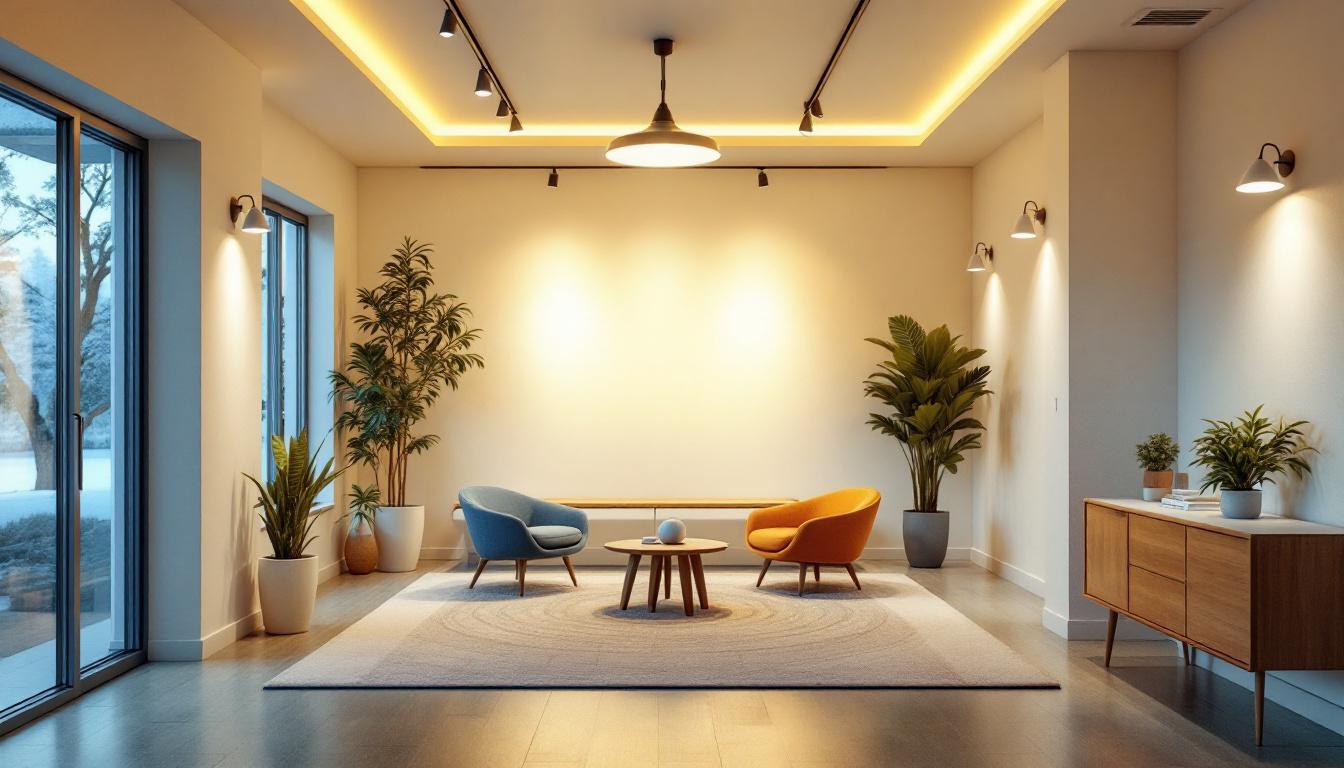
2200 lumens is a benchmark often cited in lighting specifications, representing a versatile brightness level suitable for a wide range of applications. Whether illuminating residential spaces, commercial offices, or hospitality venues, 2200 lumens strikes a balance between sufficient illumination and energy efficiency. This level of brightness can create inviting atmospheres in dining areas or provide adequate task lighting in workspaces, making it a popular choice among designers and contractors alike.
In addition to its versatility, 2200 lumens can also enhance the aesthetic appeal of a space. When used strategically, this level of brightness can highlight architectural features, artwork, or decorative elements, adding depth and character to interiors. The right lighting can transform a mundane environment into a vibrant setting, showcasing the design intent while ensuring that the space remains functional and welcoming.
Why Lumens Matter More Than Watts
Historically, watts were used as a proxy for brightness, but with the advent of energy-efficient lighting technologies like LEDs, wattage no longer reliably indicates how bright a bulb will be. For example, a traditional incandescent bulb consuming 100 watts produces roughly 1600 lumens, whereas an LED bulb producing 2200 lumens may consume only 20 to 25 watts. This shift makes lumens the true measure of light output and a critical specification for contractors aiming to optimize lighting designs. Understanding this distinction allows contractors to recommend lighting solutions that not only save energy but also meet the specific needs of their clients.
Moreover, the transition from watts to lumens has significant implications for sustainability in lighting design. As energy efficiency becomes increasingly important, selecting lighting fixtures based on lumens can lead to reduced energy consumption and lower utility bills. This shift not only benefits the environment but also aligns with the growing demand for eco-friendly solutions in both residential and commercial projects. By prioritizing lumens over watts, contractors can contribute to a more sustainable future while enhancing the quality of light in the spaces they design.
How 2200 Lumens Fits Into Lighting Standards
Lighting standards and guidelines, such as those from the Illuminating Engineering Society (IES), often recommend specific lumen levels for different environments. For instance, general ambient lighting in living rooms or office spaces typically requires between 1500 and 3000 lumens per fixture, depending on room size and purpose. A 2200-lumen fixture comfortably fits within this range, providing ample light without overwhelming the space. This adaptability makes it an ideal choice for various lighting applications, from cozy home environments to bustling commercial settings.
Furthermore, the use of 2200 lumens aligns with modern design principles that emphasize the importance of layered lighting. By combining ambient, task, and accent lighting, designers can create a dynamic lighting scheme that enhances both functionality and mood. For example, a 2200-lumen fixture can serve as the primary source of light in a room while complementary fixtures provide additional illumination for specific tasks or highlight focal points. This approach not only improves the overall aesthetic but also ensures that spaces are well-lit and conducive to their intended use.
Applications of 2200 Lumens in Diverse Lighting Projects
Understanding where 2200 lumens excels can help contractors select the right fixtures and bulbs for their projects. This lumen output is particularly effective in medium-sized rooms and areas requiring bright yet comfortable illumination.
Residential Lighting
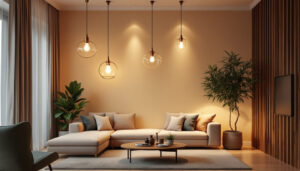
In residential settings, 2200 lumens is ideal for living rooms, kitchens, and bedrooms where balanced lighting enhances both aesthetics and functionality. For example, a kitchen island illuminated by a pendant light emitting 2200 lumens provides sufficient brightness for meal preparation without creating harsh shadows or glare.
Moreover, using 2200-lumen bulbs in dimmable fixtures allows homeowners to adjust lighting levels according to mood or time of day, enhancing comfort and energy savings. This flexibility is particularly beneficial in spaces like home theaters or reading nooks, where softer lighting can create a cozy atmosphere. Additionally, strategically placed 2200-lumen fixtures can accentuate architectural features, artwork, or decorative elements, adding depth and character to the overall design.
Commercial and Office Spaces
For commercial environments, adequate lighting is crucial for productivity and safety. A 2200-lumen fixture is well-suited for individual workstations, conference rooms, and reception areas. It provides enough light to reduce eye strain and maintain alertness without causing discomfort.
Additionally, lighting contractors can leverage 2200-lumen fixtures to meet workplace lighting standards, which often require a minimum of 300 to 500 lux (lumens per square meter) depending on the task. By calculating room dimensions and fixture placement, contractors can ensure compliance and client satisfaction. In open office layouts, using a combination of 2200-lumen overhead lighting and task-specific lamps can create a well-lit environment that promotes collaboration while allowing for individual focus. Furthermore, the use of energy-efficient LED options at this lumen level can significantly reduce operational costs, aligning with sustainability goals that many businesses are now prioritizing.
Hospitality and Retail
In hospitality venues such as hotels and restaurants, lighting sets the tone for guest experiences. Fixtures producing around 2200 lumens can illuminate dining areas and lounges with a warm, inviting glow. Retail environments benefit from this lumen level by highlighting merchandise effectively while maintaining a pleasant shopping atmosphere.
In restaurants, the strategic use of 2200-lumen lighting can enhance the dining experience by creating an ambiance that encourages guests to linger longer, potentially increasing overall sales. For instance, adjustable lighting in lounge areas can shift from bright and energetic during peak hours to softer, more intimate settings as the evening progresses. In retail spaces, 2200 lumens can be utilized in display cases and feature walls to draw attention to key products, while also ensuring that the overall lighting remains inviting and comfortable, thereby encouraging customers to explore the store. This balance of functionality and aesthetics is essential in creating a memorable environment that fosters customer loyalty and satisfaction.
Choosing the Right Fixtures and Bulbs for 2200 Lumens
Achieving 2200 lumens in a lighting project involves selecting appropriate fixtures and bulbs that deliver consistent, quality light. This section explores key considerations lighting contractors must keep in mind.
LED vs. Traditional Bulbs
LED technology has revolutionized lighting by offering high lumen output with low energy consumption and long lifespan. For 2200 lumens, LEDs are typically the preferred choice due to their efficiency and versatility in color temperature and beam angle options.
While traditional incandescent or halogen bulbs can produce 2200 lumens, they do so at significantly higher wattages and generate more heat, making them less practical for modern projects focused on sustainability and cost-effectiveness.
Color Temperature and CRI
Beyond brightness, color temperature and Color Rendering Index (CRI) influence the quality of light. For example, a 2200-lumen LED bulb with a color temperature of 2700K to 3000K emits a warm, cozy light suitable for residential and hospitality settings. In contrast, cooler temperatures around 4000K to 5000K are better for commercial and task lighting.
High CRI values (above 80) ensure colors appear natural and vibrant under the light, which is particularly important in retail and design-focused environments.
Fixture Design and Placement
The fixture itself affects how 2200 lumens are distributed within a space. Downlights, pendants, and sconces all have different beam angles and diffusion characteristics. Lighting contractors must consider ceiling height, room layout, and surface reflectance to optimize fixture placement and avoid uneven lighting or glare.
Energy Efficiency and Cost Considerations
Incorporating 2200-lumen fixtures into lighting projects also involves balancing performance with energy consumption and budget constraints.
Energy Savings with LED Fixtures
LED fixtures producing 2200 lumens typically consume between 20 and 30 watts, compared to 100 watts or more for incandescent bulbs with similar brightness. This dramatic reduction translates into lower electricity bills and reduced environmental impact over the lifespan of the lighting system.
Lighting contractors can advise clients on potential energy savings and payback periods, strengthening the case for investing in high-quality LED solutions.
Initial Investment vs. Long-Term Value
While LED fixtures with 2200-lumen output may have a higher upfront cost than traditional bulbs, their longevity and efficiency yield significant long-term savings. Additionally, fewer replacements mean reduced maintenance costs and less disruption in commercial or industrial settings.
Ensuring Compliance and Client Satisfaction
Successful lighting projects hinge on meeting regulatory standards and client expectations. Using 2200 lumens as a target lumen output can help contractors achieve these goals.
Adhering to Lighting Codes and Standards
Many jurisdictions enforce lighting codes that specify minimum lumen levels for safety and accessibility. By selecting fixtures that produce around 2200 lumens, contractors can confidently comply with these requirements for a variety of spaces.
Customizing Solutions for Client Needs
Every project is unique, and lighting contractors must tailor solutions to client preferences and functional requirements. Offering options that deliver 2200 lumens with adjustable color temperatures, dimming capabilities, and smart controls enhances the overall value proposition.
Effective communication about lumen levels and lighting effects ensures clients understand the benefits and can make informed decisions.
Conclusion: The Strategic Advantage of 2200 Lumens
For lighting contractors, 2200 lumens represents a sweet spot in brightness that supports diverse applications, energy efficiency, and compliance with industry standards. Mastery of lumen specifications empowers contractors to design and implement lighting solutions that satisfy both practical needs and aesthetic desires.
By integrating 2200-lumen fixtures thoughtfully into projects, contractors can enhance visual comfort, reduce operational costs, and elevate client satisfaction—key ingredients for success in the competitive lighting industry.
Illuminate Your Projects with LumenWholesale
Ready to harness the strategic advantage of 2200 lumens for your next lighting project? At LumenWholesale, we provide you with the best in spec-grade lighting solutions at prices that shine as brightly as our bulbs. Say goodbye to unnecessary markups and hello to a vast array of high-quality, energy-efficient lighting options that meet your project’s every need. With our commitment to affordability and hassle-free bulk buying, you’ll enjoy free shipping and the peace of mind that comes with purchasing premium lighting without hidden fees. Elevate your lighting projects with the perfect blend of quality, value, and convenience at LumenWholesale – Wholesale Lighting at the Best Value.