Understanding the Role of Wall Light Switches in Lighting Installations
Wall light switches are often perceived as simple components in lighting systems, yet their importance cannot be overstated. For lighting contractors, the choice and installation of wall switches directly impact not only the functionality of the lighting system but also the overall user experience, energy efficiency, and safety of the space.
At its core, a wall light switch serves as the primary interface between the user and the lighting fixtures. It controls the flow of electricity to the lights, enabling users to turn them on or off or adjust brightness levels. However, beyond this basic function, modern wall switches offer advanced features such as dimming capabilities, programmable settings, and integration with smart home systems, which are increasingly in demand.
Why Wall Switches Matter More Than You Think
While the lighting fixture itself often gets the spotlight, the wall switch plays a critical role in how effectively that fixture performs. A poorly chosen or improperly installed switch can lead to flickering lights, reduced fixture lifespan, or even electrical hazards. For contractors, understanding the nuances of switch types and their compatibility with various lighting technologies is essential to delivering quality installations.
Moreover, wall switches contribute significantly to energy management. According to industry data, lighting accounts for approximately 15-20% of total electricity consumption in commercial buildings. Efficient switch solutions, such as occupancy sensors and dimmers, can reduce unnecessary energy use, translating to cost savings and environmental benefits.
In addition to energy efficiency, the aesthetic appeal of wall switches should not be overlooked. With a variety of designs, finishes, and styles available, wall switches can complement the overall decor of a room. From sleek, minimalist designs that blend seamlessly into modern interiors to more ornate styles that enhance traditional settings, the right switch can enhance the visual harmony of a space. Furthermore, the placement of switches is crucial; strategically positioning them for accessibility can improve the functionality of the lighting system, making it user-friendly for everyone, including children and individuals with mobility challenges.
Another important aspect is the growing trend of smart technology integration. As homes and commercial spaces become increasingly automated, wall switches are evolving to accommodate these advancements. Smart switches can be controlled remotely via smartphones or voice-activated assistants, allowing users to manage their lighting from anywhere. This not only adds convenience but also enhances security by enabling users to simulate occupancy when they are away. The ability to customize lighting schedules and settings based on personal preferences or specific activities further underscores the pivotal role that wall switches play in modern lighting design.
Types of Wall Light Switches and Their Applications
Lighting contractors must be well-versed in the variety of wall switch types available to tailor installations to client needs and project specifications. Each type offers distinct advantages and is suited to particular applications.
Standard Toggle and Rocker Switches
These are the most common types of light switches, characterized by their simple on/off functionality. Toggle switches feature a lever that moves up or down, while rocker switches have a flat panel that rocks back and forth. Both are reliable and cost-effective options for basic lighting control in residential and commercial settings.
However, these switches lack advanced features and are not ideal for installations requiring dimming or automation. Despite their simplicity, toggle and rocker switches can come in a variety of styles and finishes, allowing homeowners and designers to choose options that complement their interior decor. For instance, decorative toggle switches can add a vintage charm to a home, while sleek, modern rocker switches can enhance a contemporary aesthetic. Their ease of installation also makes them a popular choice for DIY enthusiasts looking to upgrade their home lighting without extensive electrical work.
Dimmer Switches
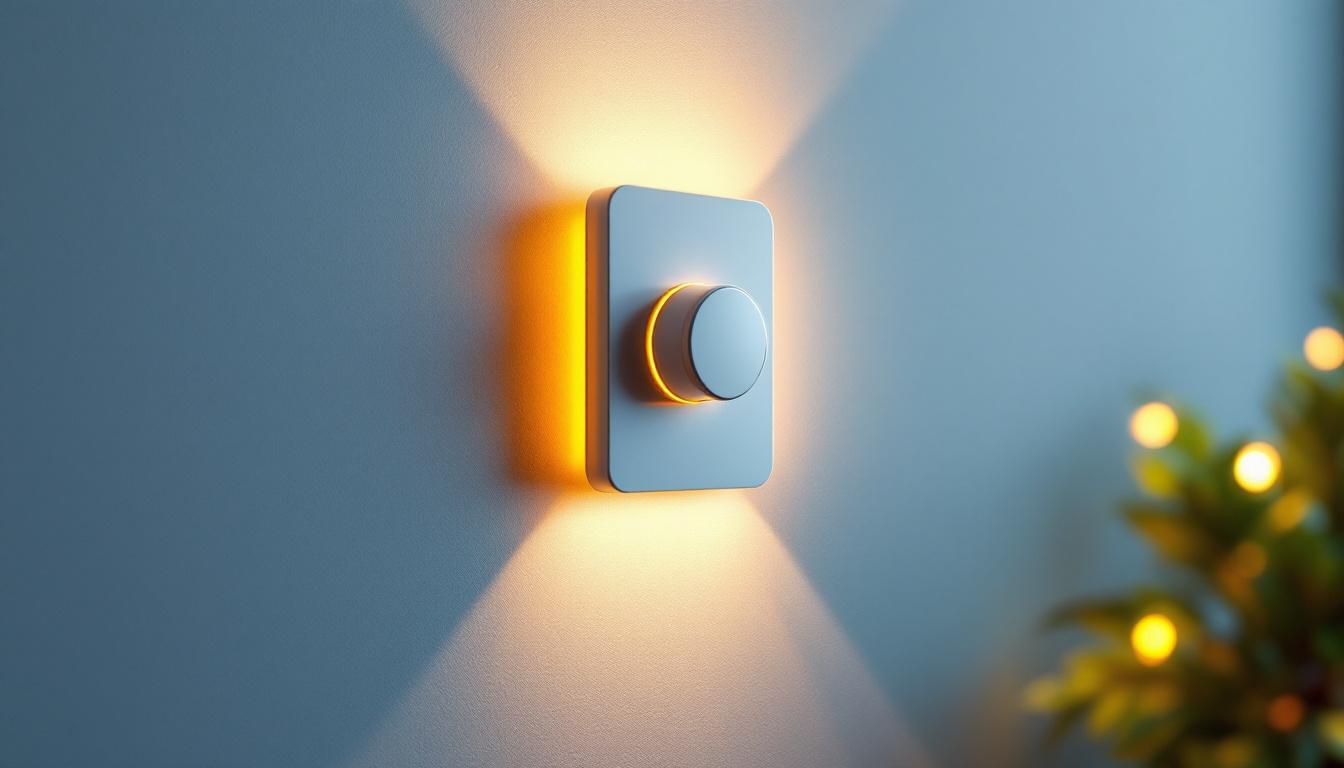
Dimmer switches allow users to adjust light intensity, enhancing ambiance and reducing energy consumption. They are particularly valuable in hospitality, retail, and residential environments where mood lighting is essential. Modern dimmers are compatible with LED, incandescent, and halogen bulbs, but contractors must verify compatibility to avoid flickering or damage.
Installing dimmers requires careful consideration of wiring and load capacity, making professional expertise crucial. Additionally, dimmers can be integrated into multi-way switch configurations, allowing for control from multiple locations, which is especially useful in larger rooms or hallways. The ability to create different lighting scenes with dimmers can also enhance the functionality of spaces, making them more adaptable for various activities, from intimate dinners to vibrant gatherings. As energy efficiency becomes increasingly important, the use of dimmers is a simple yet effective way to reduce electricity consumption while still providing the desired lighting experience.
Smart Switches and Automation Controls
Smart switches represent the forefront of lighting control technology. They enable remote operation via smartphones, voice commands, or automated schedules. Integration with building management systems allows for sophisticated energy-saving strategies, such as adjusting lighting based on occupancy or daylight availability.
For contractors, installing smart switches involves understanding network protocols, ensuring secure connections, and educating clients on system operation. Furthermore, smart switches often come with additional features such as energy monitoring, which provides users with insights into their energy usage patterns and helps them make informed decisions about their lighting habits. The growing trend of home automation means that smart switches can be part of a larger ecosystem, working in tandem with smart thermostats, security systems, and even smart appliances to create a cohesive and efficient living environment. As technology advances, the potential for integration and customization continues to expand, making smart switches an exciting option for both contractors and homeowners alike.
Specialized Switches: Occupancy and Vacancy Sensors
Occupancy sensors automatically turn lights on when motion is detected and off after a period of inactivity, making them ideal for restrooms, corridors, and offices. Vacancy sensors require manual activation but turn off automatically, offering a balance between user control and energy savings.
These switches help comply with energy codes and standards, which increasingly mandate automatic lighting controls in commercial buildings. Moreover, the implementation of occupancy and vacancy sensors can significantly reduce energy costs, as they ensure that lights are only used when necessary. In addition to their energy-saving benefits, these sensors can enhance safety in public spaces by ensuring that areas are well-lit when occupied, thus reducing the risk of accidents. With advancements in technology, some sensors now feature advanced capabilities such as adjustable sensitivity and time delay settings, allowing for greater customization based on specific environmental needs. This adaptability makes them an excellent choice for a variety of applications, from residential homes to large-scale commercial facilities, where efficient lighting management is essential for both operational effectiveness and sustainability.
Critical Considerations for Lighting Contractors When Selecting Wall Switches
Choosing the right wall switch goes beyond aesthetics and basic functionality. Several critical factors influence the success of lighting installations.
Compatibility with Lighting Fixtures and Electrical Systems
Not all switches are compatible with every type of lighting fixture. For instance, LED lights require switches designed to handle low wattage loads to prevent flickering or premature failure. Similarly, dimmers must match the bulb technology and total wattage load to function correctly.
Contractors should consult manufacturer specifications and use testing equipment to verify compatibility before installation.
Compliance with Electrical Codes and Safety Standards
Adhering to local and national electrical codes is non-negotiable. Proper switch installation ensures safe operation, reduces fire risks, and avoids costly code violations. For example, switches installed in damp or wet locations must have appropriate ratings, and grounding must be correctly implemented.
Regular training and staying updated with code changes are vital for contractors to maintain compliance.
User Accessibility and Ergonomics
Switch placement and design affect user convenience and accessibility. For commercial installations, switches should be positioned according to ADA (Americans with Disabilities Act) guidelines or equivalent standards to accommodate all users.
Ergonomic considerations include switch size, tactile feedback, and illumination for visibility in low-light conditions.
Durability and Maintenance
Wall switches in high-traffic areas must withstand frequent use without degradation. Selecting switches with robust construction and easy maintenance features reduces long-term service calls and enhances client satisfaction.
Contractors should also consider the availability of replacement parts and the ease of upgrading to newer technologies.
Installation Best Practices for Wall Light Switches
Proper installation is as critical as selecting the right switch. Mistakes during wiring or mounting can lead to operational issues and safety hazards.
Pre-Installation Planning
Before installation, contractors should conduct a thorough site assessment, including reviewing electrical schematics and identifying existing wiring conditions. Planning for future upgrades, such as smart home integration, can save time and costs later.
Labeling circuits and documenting switch locations enhances maintenance and troubleshooting efficiency.
Wiring and Mounting Techniques
Following manufacturer instructions and electrical codes during wiring is essential. Using appropriate wire gauges, secure connections, and proper grounding ensures reliable operation. Mounting switches at the correct height and securely fixing them prevents mechanical damage.
Testing each switch post-installation confirms functionality and safety before project handover.
Client Education and Documentation
Educating clients on switch operation, especially for advanced or smart switches, improves user experience and reduces support calls. Providing clear documentation, including manuals and warranty information, adds professional value to the installation service.
The Future of Wall Light Switches in Lighting Installations
As technology advances, wall light switches continue to evolve, offering greater control, efficiency, and integration capabilities. Lighting contractors who stay abreast of these trends position themselves as leaders in the industry.
Integration with Smart Building Technologies
Wall switches are increasingly becoming nodes in interconnected building systems. Integration with HVAC, security, and energy management systems enables holistic control and optimization.
Contractors skilled in these integrations can deliver comprehensive solutions that meet the growing demand for intelligent buildings.
Energy Efficiency and Sustainability
With increasing emphasis on sustainability, switches that contribute to energy conservation are gaining prominence. Features like daylight harvesting, adaptive lighting, and user behavior analytics help reduce energy consumption and carbon footprints.
Adopting these technologies aligns contractors with global environmental goals and client expectations.
Customization and User Experience
Future wall switches will likely offer enhanced customization, allowing users to tailor lighting scenes and controls to their preferences easily. Tactile, visual, and auditory feedback improvements will make switches more intuitive and accessible.
Contractors who understand these trends can advise clients effectively and implement solutions that enhance occupant satisfaction.
Conclusion
Wall light switches are far more than simple on/off devices; they are critical components that influence the performance, safety, energy efficiency, and user experience of lighting installations. For lighting contractors, a deep understanding of switch types, compatibility, installation best practices, and emerging technologies is essential to delivering high-quality, future-proof lighting solutions.
By prioritizing the selection and installation of appropriate wall switches, contractors not only meet regulatory requirements but also contribute to sustainable building practices and client satisfaction. As the lighting industry continues to innovate, staying informed and adaptable will ensure contractors remain at the forefront of their profession.
Illuminate Your Projects with LumenWholesale
Ready to elevate your lighting installations with switches that blend performance, safety, and energy efficiency? Look no further than LumenWholesale for a comprehensive range of spec-grade lighting products. We provide contractors with exceptional value, cutting out the middleman to offer premium lighting solutions at wholesale prices. With our commitment to quality, affordability, and convenience, you’ll find the perfect switches for any project, backed by the ease of bulk buying and free shipping. Discover how LumenWholesale can light up your work by visiting our selection of Wholesale Lighting at the Best Value.