Introduction: Understanding the Importance of Ceiling Can Lights
In the ever-evolving world of lighting design and installation, ceiling can lights have emerged as a staple for both residential and commercial projects. For lighting contractors, mastering the installation and specification of ceiling can lights offers a significant competitive advantage. These fixtures, often referred to as recessed lights, combine functionality with aesthetic appeal, providing versatile lighting solutions that meet modern demands.
Ceiling can lights are not just about illumination; they represent an opportunity for contractors to showcase technical expertise, efficiency, and design sensibility. As energy efficiency standards tighten and consumer preferences shift toward sleek, unobtrusive lighting, understanding the nuances of ceiling can lights becomes essential for contractors aiming to stay ahead in a competitive market.
Moreover, the adaptability of ceiling can lights allows them to be used in a variety of settings, from cozy living rooms to expansive commercial spaces. They can be installed in different configurations to create layered lighting effects, enhancing the ambiance of any room. For instance, strategically placed can lights can highlight architectural features, artwork, or even create a warm, inviting atmosphere in dining areas. This versatility not only meets the functional needs of the space but also elevates the overall design aesthetic, making it crucial for contractors to understand the best practices for placement and installation.
Additionally, advancements in LED technology have revolutionized the ceiling can light market, offering energy-efficient options that significantly reduce electricity costs while providing high-quality illumination. These modern fixtures come with a range of color temperatures and dimming capabilities, allowing for customization to suit various moods and activities. As a result, contractors who stay informed about the latest trends and technologies in ceiling can lights can better advise their clients, ensuring that they choose the right products that align with both their functional needs and design preferences.
The Technical Advantages of Ceiling Can Lights
Energy Efficiency and Sustainability
One of the primary benefits of ceiling can lights is their compatibility with energy-efficient lighting technologies, particularly LED bulbs. LEDs consume significantly less power compared to traditional incandescent or halogen bulbs, often reducing energy consumption by up to 75%. For lighting contractors, promoting ceiling can lights as an energy-saving solution aligns with growing environmental concerns and regulatory requirements.
Moreover, many ceiling can light fixtures are designed to accommodate ENERGY STAR-rated bulbs, which meet strict energy efficiency guidelines set by regulatory bodies. This not only helps clients reduce their carbon footprint but also lowers their utility bills, making ceiling can lights an attractive option for cost-conscious consumers. In addition to the immediate financial benefits, the long lifespan of LED bulbs—often exceeding 25,000 hours—means fewer replacements and less waste, further contributing to sustainability efforts. This longevity also means that homeowners can enjoy consistent lighting quality without the frequent hassle of changing bulbs, which can be particularly advantageous in hard-to-reach areas.
Versatility in Design and Application
Ceiling can lights are prized for their versatility. They can be installed in various ceiling types, including drywall, drop ceilings, and even concrete slabs with appropriate housing. This adaptability allows contractors to cater to diverse client needs, from ambient lighting in living rooms to task lighting in kitchens and accent lighting in retail spaces.
Additionally, ceiling can lights come in multiple sizes and trims, enabling customization to suit different architectural styles and lighting requirements. Adjustable or gimbal trims allow directional lighting, which is ideal for highlighting artwork or architectural features, while baffle trims reduce glare, enhancing visual comfort. The ability to dim these lights also adds another layer of versatility, allowing users to create the perfect atmosphere for any occasion, whether it’s a cozy family dinner or a vibrant social gathering. Furthermore, the sleek and unobtrusive design of ceiling can lights means they can seamlessly integrate into any decor, making them a favored choice among interior designers and homeowners alike.
Ease of Installation and Maintenance
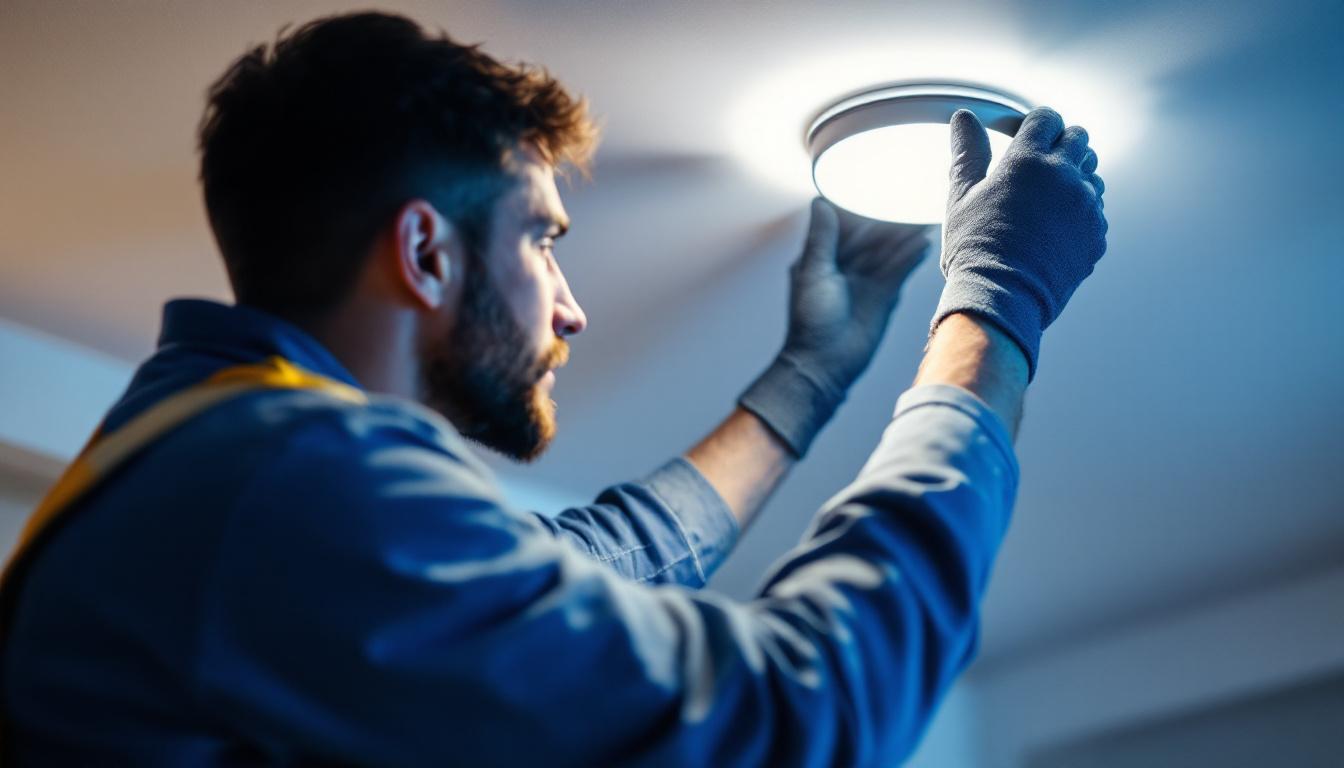
From a contractor’s perspective, ceiling can lights offer streamlined installation processes, especially with the availability of remodel and new construction housings. Remodel housings are designed for retrofit projects where the ceiling is already finished, simplifying upgrades without major demolition. New construction housings, on the other hand, are installed before ceiling materials, allowing for precise placement and wiring.
Maintenance is also relatively straightforward, as many fixtures provide easy access to bulbs and components. This reduces long-term service calls and enhances client satisfaction, reinforcing the contractor’s reputation for quality work. Additionally, many modern ceiling can lights feature integrated LED technology, which not only eliminates the need for bulb replacements but also often includes smart technology options. This means that homeowners can control their lighting remotely, set schedules, and even adjust brightness and color temperatures to suit their mood or activity, further enhancing the appeal of ceiling can lights in contemporary homes.
Market Trends and Client Expectations
Growing Demand for Smart Lighting Integration
Smart home technology is transforming lighting preferences, and ceiling can lights are no exception. Clients increasingly expect lighting solutions that integrate with smart home systems, offering features such as dimming, color temperature adjustment, and remote control via mobile devices or voice assistants.
For contractors, offering ceiling can lights compatible with smart controls can differentiate their services. These advanced fixtures not only enhance user convenience but also contribute to energy savings through programmable settings, appealing to tech-savvy and eco-conscious clients alike. Furthermore, the integration of smart lighting systems can facilitate automation, allowing users to create personalized lighting scenes that adapt to their daily routines. For instance, homeowners can set their lights to gradually brighten in the morning to simulate a natural sunrise, or dim in the evening to create a relaxing ambiance, enhancing their overall living experience.
Focus on Aesthetic Minimalism
Modern interior design trends favor clean lines and minimal visual clutter, making ceiling can lights an ideal choice. Their recessed nature means they do not protrude from the ceiling, maintaining a sleek and unobtrusive look. This aesthetic appeal is particularly important in high-end residential and commercial projects where lighting must complement rather than dominate the space.
Contractors who understand and can advise on the subtle impact of ceiling can lights in design will be better positioned to meet client expectations and collaborate effectively with architects and interior designers. Additionally, the versatility of ceiling can lights allows for various configurations and placements, enabling designers to highlight architectural features or artwork without overwhelming the overall design. As clients increasingly seek personalized spaces that reflect their individual style, the ability to customize lighting solutions becomes a valuable asset for contractors.
Compliance with Safety and Building Codes
Lighting contractors must navigate a complex landscape of safety standards and building codes. Ceiling can lights, especially those installed in insulated ceilings, must meet specific requirements to prevent fire hazards. IC-rated (Insulation Contact) housings are essential in such cases, allowing safe contact with insulation materials without risk of overheating.
Staying current with these regulations not only ensures safety but also protects contractors from liability issues. Demonstrating expertise in code-compliant ceiling can light installations builds trust with clients and inspectors alike. Moreover, as energy efficiency becomes a priority in building codes, contractors must also consider the use of LED technology in ceiling can lights, which not only meets energy standards but also offers longer lifespans and reduced maintenance costs. By prioritizing compliance and energy efficiency, contractors can position themselves as responsible professionals committed to sustainable practices in the lighting industry.
Enhancing Contractor Competitiveness Through Ceiling Can Lights
Offering Comprehensive Lighting Solutions
Lighting contractors who specialize in ceiling can lights can position themselves as full-service providers. By offering consultation, design, installation, and maintenance, contractors can create a seamless client experience. This holistic approach often leads to repeat business and referrals, which are vital for sustained growth.
Furthermore, contractors who stay informed about the latest products and technologies can recommend tailored solutions, enhancing client satisfaction and project outcomes.
Cost-Effectiveness and Project Efficiency
Ceiling can lights can contribute to project cost savings through their long lifespan and low energy consumption. For contractors, efficient installation methods reduce labor costs and project timelines. Utilizing pre-wired housings and modular components can streamline the process, allowing contractors to take on more projects without compromising quality.
Additionally, the ability to retrofit ceiling can lights in existing structures opens opportunities for renovation projects, expanding the contractor’s market reach.
Building a Reputation for Quality and Innovation
In a competitive industry, reputation is a contractor’s most valuable asset. Mastery of ceiling can light installations, combined with knowledge of emerging trends such as smart lighting and sustainable solutions, positions contractors as industry leaders.
Showcasing successful projects through portfolios and client testimonials that highlight the benefits of ceiling can lights can attract discerning clients and establish long-term partnerships with designers and builders.
Conclusion: Ceiling Can Lights as a Strategic Asset
Ceiling can lights represent more than just a lighting option; they are a strategic asset for lighting contractors seeking to enhance their competitive edge. Their energy efficiency, design versatility, ease of installation, and alignment with current market trends make them indispensable in modern lighting projects.
By deepening expertise in ceiling can lights, staying abreast of technological advancements, and adhering to safety standards, contractors can deliver superior value to clients while differentiating themselves in a crowded marketplace. Embracing ceiling can lights is not just about illumination—it’s about illuminating the path to business success.
Illuminate Your Projects with LumenWholesale
Ready to give your clients the cutting-edge advantage of ceiling can lights? At LumenWholesale, we provide lighting contractors with the highest quality, spec-grade lighting products at prices that can’t be beaten. Say goodbye to local distributor markups and hello to our extensive selection that meets rigorous industry standards. With free shipping on bulk orders, you can stock up on reliable, high-performance lighting solutions that will set your projects apart. Elevate your lighting game with the perfect combination of quality, affordability, and convenience at LumenWholesale – Wholesale Lighting at the Best Value.