The Importance of Gallery Lighting in Professional Installations
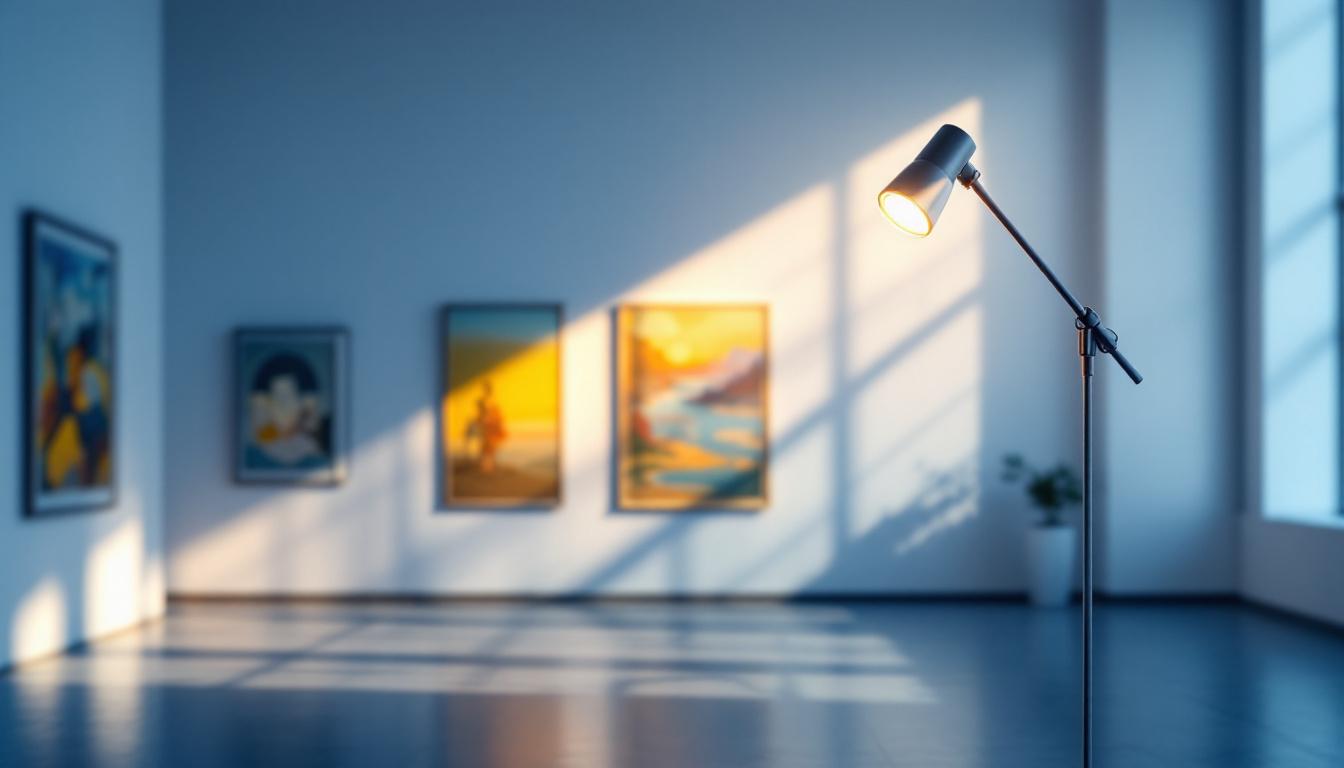
Gallery light fixtures play a pivotal role in showcasing art, artifacts, and exhibits in museums, galleries, and high-end retail spaces. For lighting contractors, understanding the science behind these fixtures is essential to deliver installations that not only illuminate but also enhance the visual experience.
Unlike standard lighting applications, gallery lighting demands precision, color accuracy, and control over light intensity and direction. The goal is to highlight the texture, color, and detail of artworks without causing damage or creating unwanted glare. This requires a deep understanding of light behavior, fixture design, and the interaction between light and materials.
Why Lighting Contractors Must Master Gallery Lighting
Lighting contractors are often tasked with balancing aesthetic appeal, energy efficiency, and preservation concerns. Poorly designed gallery lighting can lead to faded colors, heat damage, or visitor discomfort. On the other hand, expertly executed lighting elevates the visitor experience and protects valuable assets.
Moreover, gallery lighting projects often involve collaboration with curators, architects, and designers, making technical knowledge indispensable. Contractors who understand the science behind these fixtures can provide informed recommendations, troubleshoot effectively, and ensure compliance with industry standards.
In addition to technical skills, lighting contractors must also be adept at understanding the emotional impact of lighting on viewers. The right lighting can evoke feelings of tranquility, excitement, or contemplation, influencing how visitors engage with the artwork. For instance, soft, diffused lighting can create an intimate atmosphere, encouraging viewers to linger and appreciate the subtle details of a piece, while dramatic spotlighting can draw attention to a particular sculpture or installation, creating a focal point that captivates the audience’s attention.
Furthermore, the integration of smart lighting technology is becoming increasingly relevant in gallery settings. With advancements in LED technology and control systems, contractors can design dynamic lighting solutions that adapt to different exhibitions or even change throughout the day. This flexibility not only enhances the visual experience but also allows galleries to experiment with different moods and themes, keeping the visitor experience fresh and engaging. As such, staying updated with the latest trends and technologies in gallery lighting is crucial for contractors aiming to provide cutting-edge installations that meet the evolving needs of the art world.
Fundamental Science of Light Relevant to Gallery Fixtures
Color Temperature and Rendering
Color temperature, measured in Kelvin (K), defines the warmth or coolness of light. In gallery settings, the choice of color temperature significantly affects how artwork colors are perceived. Typically, a neutral to slightly warm color temperature (around 3000K to 3500K) is preferred to render colors naturally without distortion. This specific range not only enhances the vibrancy of colors but also creates an inviting atmosphere that encourages viewers to linger and appreciate the art. For instance, cooler temperatures (above 4000K) can create a stark, clinical feel that may detract from the emotional impact of a piece, while overly warm lighting can wash out colors and obscure details.
Equally important is the Color Rendering Index (CRI), which measures a light source’s ability to reveal colors faithfully compared to natural light. A CRI of 90 or above is generally recommended for gallery lighting to ensure that the subtle hues and tones in artworks are accurately represented. This high CRI rating is especially crucial for galleries showcasing a diverse range of mediums, from oil paintings to textiles, as it allows each piece to be viewed in its true form. Additionally, understanding the interplay between color temperature and CRI can help curators create a cohesive visual narrative throughout the exhibition space, enhancing the overall experience for visitors.
Light Intensity and Distribution
Light intensity, measured in lux, must be carefully controlled in galleries to prevent damage and ensure optimal viewing. Different materials and artworks have varying sensitivity to light; for example, watercolors and textiles require lower lux levels than oil paintings or sculptures. This sensitivity necessitates a tailored approach to lighting design, where certain areas may be illuminated more softly to protect fragile pieces while allowing others to shine brightly. Furthermore, the use of dimmers can provide flexibility, enabling curators to adjust lighting levels based on the time of day or specific events, ensuring that the art is always presented in the best possible light.
Uniform distribution of light minimizes shadows and hotspots, which can distract from the artwork. Directional fixtures with adjustable beams allow contractors to tailor the light spread precisely, highlighting the piece’s features while maintaining ambient balance. The strategic placement of fixtures not only enhances visibility but also contributes to the spatial dynamics of the gallery. By using a combination of spotlights and wash lights, designers can create layers of illumination that guide the viewer’s eye through the space, encouraging a deeper engagement with the art on display. This thoughtful approach to light distribution can transform a gallery into an immersive experience, where each artwork is showcased to its fullest potential.
UV and IR Radiation Considerations
Ultraviolet (UV) and infrared (IR) radiation can cause significant deterioration in sensitive materials over time. Gallery light fixtures must minimize UV and IR emissions to protect artworks. Modern LED technology excels in this regard, offering low UV and IR output compared to traditional halogen or incandescent lamps. This advancement not only safeguards the integrity of the artworks but also aligns with the growing trend towards sustainable practices in gallery management. By reducing harmful emissions, galleries can ensure the longevity of their collections while also appealing to environmentally conscious audiences.
In addition to choosing the right lighting technology, galleries can implement additional protective measures, such as UV-filtering glass in display cases and windows. These measures work in tandem with advanced lighting solutions to create a multi-layered defense against light damage. Furthermore, regular monitoring of light exposure levels can help curators assess the impact of their lighting choices over time, allowing for adjustments that prioritize the preservation of their collections. This proactive approach not only protects the artworks but also enhances the gallery’s reputation as a steward of cultural heritage, fostering trust and engagement with the community.
Types of Gallery Light Fixtures and Their Scientific Advantages
Track Lighting Systems
Track lighting is a versatile and popular choice for galleries due to its flexibility and precision. Fixtures can be repositioned along the track, allowing contractors to adapt lighting layouts as exhibits change. Scientifically, track lighting supports directional control and beam shaping, which are critical for focused illumination.
LED track heads with adjustable beam angles enable contractors to manage light spill and intensity, optimizing the visual impact while conserving energy. Additionally, track systems often incorporate dimming controls, facilitating dynamic lighting scenarios that respond to ambient conditions or exhibit requirements.
Recessed and Surface-Mounted Spotlights
Recessed and surface-mounted spotlights provide clean, unobtrusive lighting solutions that blend seamlessly with gallery architecture. These fixtures are designed to deliver concentrated light with minimal glare, essential for detailed viewing.
The science behind these spotlights involves optics that focus light beams precisely, often using lenses or reflectors engineered to produce specific beam spreads. This precision allows contractors to highlight individual pieces or areas without overwhelming the space.
Wall Washers and Ambient Lighting
Wall washers are specialized fixtures that create even illumination across vertical surfaces, reducing shadows and enhancing the perception of space. They are particularly effective for large paintings or installations that benefit from uniform light.
From a scientific standpoint, wall washers use diffusers and reflector designs to distribute light evenly over a wide area. Integrating wall washers with ambient lighting systems helps maintain balanced light levels, preventing harsh contrasts that can strain viewers’ eyes.
Advanced Technologies Influencing Gallery Lighting
LED Innovations and Benefits
LED technology has revolutionized gallery lighting by offering superior energy efficiency, longevity, and light quality. LEDs produce minimal heat, reducing the risk of thermal damage to artworks. Their spectral output can be finely tuned to enhance color rendering and minimize harmful wavelengths.
Furthermore, LEDs support smart controls, enabling contractors to program lighting scenes, adjust intensity remotely, and integrate sensors that respond to occupancy or daylight. These features contribute to sustainable, user-friendly gallery environments.
Smart Lighting Controls and Sensors
Incorporating smart controls allows for dynamic lighting management, optimizing both energy use and visitor experience. Motion sensors can dim or switch off lights in unoccupied areas, while daylight sensors adjust artificial lighting based on natural light availability.
For lighting contractors, understanding the integration of these systems is crucial. Proper installation and calibration ensure that lighting responds accurately and reliably, preserving artwork while enhancing accessibility.
Optical Engineering and Beam Shaping
Advances in optical engineering have led to the development of lenses and reflectors that precisely shape light beams. This capability is vital in galleries where controlling light direction and spread affects how artworks are perceived.
Contractors need to be familiar with beam angles, cutoff angles, and glare control techniques to select and position fixtures appropriately. Effective beam shaping reduces light pollution and enhances the visual focus on exhibits.
Environmental and Preservation Considerations
Minimizing Light-Induced Damage
Light exposure is one of the primary factors contributing to the degradation of artworks. UV radiation, excessive brightness, and heat can cause fading, discoloration, and material breakdown. Lighting contractors must implement strategies to mitigate these risks.
Using UV-filtering lenses, selecting low-UV light sources, and controlling exposure duration are essential practices. Additionally, maintaining recommended lux levels tailored to specific materials helps preserve the integrity of collections.
Energy Efficiency and Sustainability
Energy-efficient gallery lighting not only reduces operational costs but also aligns with growing sustainability goals in the construction and design industries. LEDs, smart controls, and efficient fixture designs contribute to lower energy consumption without compromising light quality.
Lighting contractors should advocate for sustainable solutions that meet client expectations for environmental responsibility while delivering superior lighting performance.
Compliance with Standards and Guidelines
Various organizations provide guidelines for museum and gallery lighting, including recommendations on lux levels, UV exposure limits, and color rendering. Familiarity with these standards is essential for contractors to ensure installations meet professional and legal requirements.
Adhering to standards also enhances client trust and reduces liability by demonstrating commitment to best practices in artwork preservation and visitor safety.
Best Practices for Lighting Contractors in Gallery Installations
Comprehensive Site Assessment
Before installation, conducting a thorough site assessment is critical. This includes evaluating natural light sources, wall colors, ceiling heights, and the types of artworks to be displayed. Understanding these factors allows contractors to design lighting schemes that complement the environment and meet preservation needs.
Collaboration with Stakeholders
Effective communication with curators, designers, and facility managers ensures that lighting solutions align with artistic vision and operational requirements. Contractors should provide technical insights and be open to iterative adjustments based on feedback.
Precision Installation and Calibration
Accurate positioning and aiming of fixtures are essential to achieve desired lighting effects. Contractors should use specialized tools such as lux meters and color analyzers to verify light levels and color accuracy during and after installation.
Regular maintenance and recalibration schedules should also be established to sustain lighting quality over time.
Conclusion: Elevating Gallery Lighting through Scientific Expertise
For lighting contractors, mastering the science behind gallery light fixtures is more than a technical requirement—it is a pathway to delivering exceptional, preservation-conscious lighting solutions. Understanding color temperature, light intensity, fixture types, and advanced technologies empowers contractors to create environments where art can be appreciated in its fullest form.
By integrating scientific principles with practical skills and collaborative approaches, lighting contractors can elevate their role from installers to trusted partners in the cultural and commercial sectors. The result is lighting that not only illuminates but also inspires.
Illuminate Art with LumenWholesale
Ready to transform your gallery installations with the science of lighting? At LumenWholesale, we provide lighting contractors with the finest spec-grade gallery light fixtures at unparalleled wholesale prices. Our commitment to quality and affordability ensures that you can bring art to life without compromising on performance or cost. With free shipping on bulk orders, LumenWholesale is your go-to source for premium lighting solutions that meet the highest industry standards. Elevate your gallery lighting projects today and experience Wholesale Lighting at the Best Value with LumenWholesale.