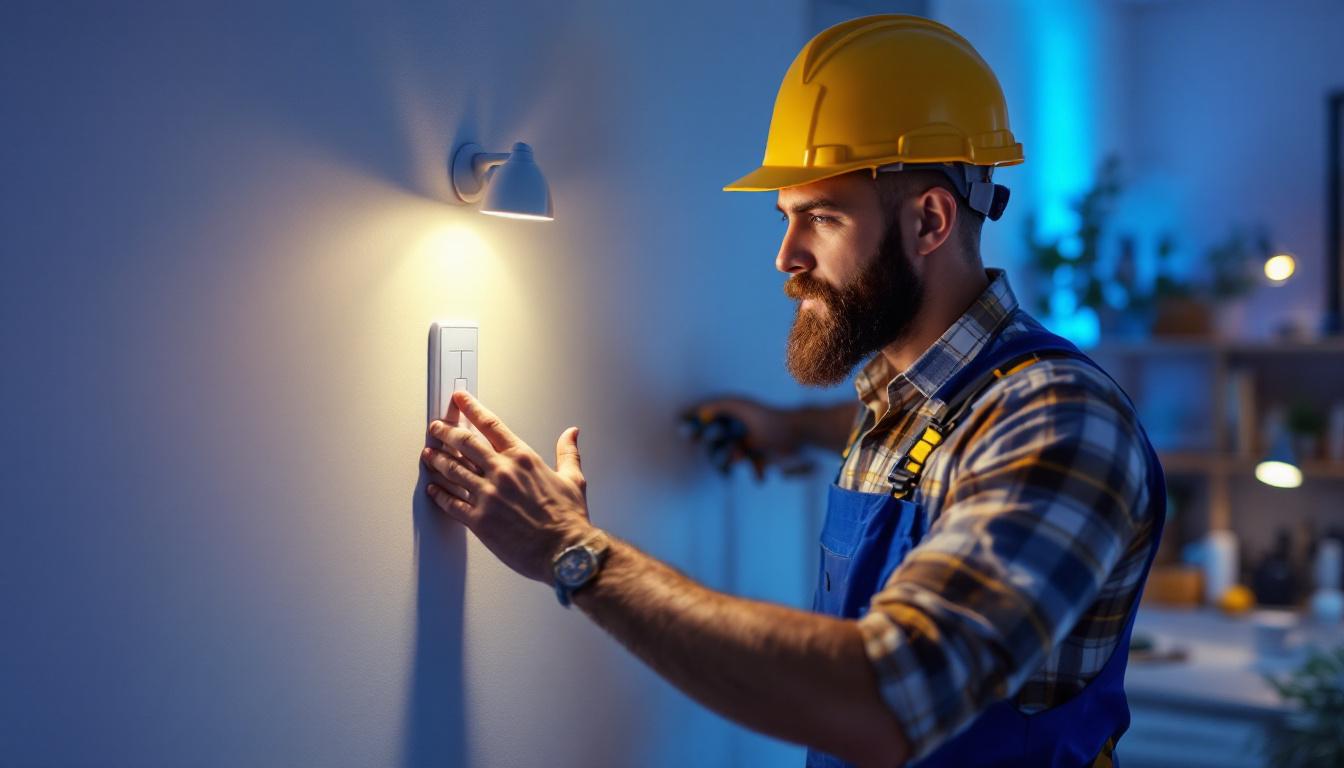
Understanding the Importance of Proper Outdoor Motion Sensor Lighting
Outdoor motion sensor lights have become an essential component in modern lighting design, combining security, energy efficiency, and convenience. For lighting contractors, installing these systems correctly is crucial not only to meet client expectations but also to ensure safety and functionality. However, despite their popularity, many contractors fall into common pitfalls that compromise the effectiveness of motion sensor lighting installations.
Properly designed and installed motion sensor lights can deter intruders, reduce energy consumption by activating only when needed, and enhance the aesthetic appeal of a property. Conversely, poor installation or design choices can lead to false triggers, blind spots, or inadequate coverage, ultimately frustrating both the contractor and the client.
To maximize the benefits of outdoor motion sensor lighting, it is essential to consider the specific needs of the property and its surroundings. Factors such as the layout of the landscape, the typical movement patterns of residents and visitors, and the potential for environmental interference—like trees swaying in the wind—should all be taken into account. For instance, placing sensors too close to pathways or driveways can result in unnecessary activations, while positioning them too far away may leave critical areas unmonitored. A thoughtful approach to placement can significantly enhance both the functionality and reliability of the system.
Moreover, the technology behind motion sensors has evolved, offering various options such as passive infrared (PIR) sensors, ultrasonic sensors, and dual technology sensors that combine both methods for increased accuracy. Understanding the differences between these technologies allows contractors to select the most suitable option for each specific installation. For example, PIR sensors are excellent for detecting heat emitted by moving objects, making them ideal for outdoor applications, while ultrasonic sensors can cover larger areas but may be more susceptible to interference from pets or foliage. By leveraging the right technology, contractors can ensure that their installations not only meet the security needs of the property but also enhance the overall user experience.
Common Mistakes Lighting Contractors Make with Outdoor Motion Sensor Lights
1. Incorrect Sensor Placement
One of the most frequent errors is placing motion sensors in locations that limit their detection capabilities. Sensors mounted too high or too low, or aimed incorrectly, can result in missed detections or constant false alarms triggered by irrelevant movements such as passing cars, animals, or swaying trees.
For example, positioning a sensor to face a busy street rather than the intended walkway can cause the light to activate unnecessarily, wasting energy and reducing the system’s reliability. Contractors must carefully analyze the environment, considering factors like traffic patterns, landscaping, and the typical paths of people and vehicles. Furthermore, it’s essential to account for seasonal changes, as foliage may obstruct sensors during certain times of the year, leading to inconsistent performance. A thorough site evaluation can help ensure that the sensors are placed in optimal positions to maximize their effectiveness.
2. Overlooking Sensor Range and Angle Specifications
Each motion sensor has a specified detection range and angle, often detailed in the product’s technical specifications. Ignoring these parameters can lead to inadequate coverage or excessive overlap, both of which are problematic.
For instance, using a sensor with a narrow detection angle in a wide-open area will leave blind spots, while a sensor with an excessively broad angle might pick up irrelevant movements outside the intended zone. Lighting contractors should select sensors that match the spatial requirements of the installation site and configure them accordingly. Additionally, understanding the layout of the area, including any potential obstructions like fences or garden structures, can help in choosing the right sensor. Some advanced models even allow for adjustable detection angles, providing flexibility to adapt to changing environments.
3. Neglecting Environmental Factors
Environmental conditions such as temperature fluctuations, weather, and ambient light levels significantly impact motion sensor performance. Infrared sensors, commonly used in outdoor lighting, can be sensitive to heat sources like air conditioners or exhaust vents, causing false triggers.
Additionally, bright sunlight or reflective surfaces can interfere with sensor accuracy. Contractors must assess the site for potential environmental interferences and choose sensor types and placements that mitigate these issues. Weatherproofing and durable materials are also essential for long-term reliability. It’s also worth considering the local wildlife; for example, areas with frequent animal activity may require sensors with adjustable sensitivity to avoid unnecessary activations. By taking these factors into account, contractors can ensure that the motion sensors function optimally in various weather conditions and environments.
4. Failing to Integrate with Existing Lighting Systems
Outdoor motion sensor lights often need to work in conjunction with existing lighting infrastructure. A common mistake is installing new sensors without considering how they interact with other lights, timers, or smart home systems.
Improper integration can cause conflicts, such as lights turning off prematurely or not activating as intended. Contractors should ensure compatibility and synchronization between devices, possibly employing centralized control systems or smart hubs to streamline operation. Additionally, understanding the existing electrical load and circuit capacity is crucial to avoid overloading the system, which can lead to failures or safety hazards. By conducting a comprehensive assessment of the current setup, contractors can create a seamless integration that enhances the overall efficiency and functionality of the lighting system.
5. Ignoring User Experience and Client Needs
Contractors sometimes focus solely on technical specifications, overlooking how the end user will interact with the lighting system. For example, a motion sensor light that turns off too quickly can leave a pathway dark before someone finishes walking through it, creating safety risks.
Conversely, lights that remain on for too long may annoy neighbors or waste energy. Understanding client routines, preferences, and concerns is vital to tailor the system’s settings, such as sensitivity, duration, and brightness levels, to meet real-world needs. Engaging in open communication with clients about their expectations can lead to a more satisfactory installation. Additionally, providing clients with user-friendly controls or mobile app integration can enhance their experience, allowing them to adjust settings easily and ensuring that the lighting system meets their lifestyle demands effectively.
Strategies for Avoiding Common Pitfalls in Motion Sensor Lighting Installation
Conduct a Thorough Site Assessment
Before installation, lighting contractors should perform a comprehensive site survey. This includes mapping out key areas requiring illumination, identifying potential sources of interference, and noting environmental conditions. Using tools like laser distance meters and digital cameras can aid in precise planning.
Engaging with clients during this phase helps clarify expectations and uncover any specific security or aesthetic requirements. This collaborative approach reduces the likelihood of costly adjustments after installation.
Select the Right Sensor Technology
Different sensor technologies suit different applications. Passive infrared (PIR) sensors are common for detecting body heat but may struggle in extreme temperatures. Microwave sensors detect motion through radio waves and can cover larger areas but may be prone to false triggers from moving objects beyond the intended zone.
Dual-technology sensors combine PIR and microwave detection to reduce false alarms. Contractors should evaluate the pros and cons of each technology in the context of the installation environment to select the optimal solution.
Optimize Sensor Placement and Configuration
Proper mounting height and angle are critical. Typically, sensors should be positioned between 6 to 10 feet above the ground, angled to cover the desired detection zone without capturing irrelevant movement. Adjusting sensitivity settings can further refine performance, preventing nuisance activations.
Using adjustable brackets and testing sensor coverage during installation allows contractors to fine-tune the system. It’s also advisable to conduct nighttime tests to ensure adequate illumination and sensor responsiveness under real conditions.
Incorporate Smart Controls and Automation
Modern motion sensor lights can be integrated with smart home systems, enabling remote control, scheduling, and adaptive lighting based on occupancy patterns. Incorporating these features enhances user convenience and energy efficiency.
Lighting contractors should stay informed about emerging technologies and protocols such as Zigbee, Z-Wave, and Wi-Fi-enabled devices. Providing clients with options for app control or voice activation can differentiate services and add value.
Case Studies: Lessons Learned from Real-World Installations
Case Study 1: Residential Security Lighting Gone Wrong
A lighting contractor installed motion sensor lights around a suburban home but failed to account for a nearby busy road. The sensors were triggered multiple times nightly by passing vehicles, causing the lights to flash unnecessarily and disturbing the homeowners.
After revisiting the site, the contractor repositioned the sensors away from the street and adjusted sensitivity settings. The client reported improved satisfaction and a noticeable reduction in false activations, highlighting the importance of environmental awareness.
Case Study 2: Commercial Property with Inadequate Coverage
In a commercial parking lot, motion sensor lights were installed with sensors having narrow detection angles. Several blind spots remained unlit, leading to security vulnerabilities and customer complaints.
The contractor replaced the sensors with dual-technology units featuring wider coverage and reconfigured the mounting angles. Subsequent audits confirmed comprehensive illumination and enhanced safety, demonstrating the value of matching sensor specifications to site requirements.
Best Practices for Lighting Contractors to Deliver Optimal Outdoor Motion Sensor Lighting
Stay Updated with Industry Standards and Innovations
The lighting industry evolves rapidly, with continuous advancements in sensor technology, energy-efficient LEDs, and smart integration. Contractors should engage in ongoing education through trade publications, workshops, and manufacturer training to maintain expertise.
Adhering to standards such as those from the Illuminating Engineering Society (IES) and local electrical codes ensures compliance and quality assurance.
Communicate Clearly with Clients
Effective communication is key to successful installations. Contractors should explain the capabilities and limitations of motion sensor lighting, set realistic expectations, and provide guidance on maintenance.
Offering demonstrations and documentation helps clients understand system operation and encourages proper use, reducing service calls and enhancing satisfaction.
Implement Quality Control and Follow-Up
Post-installation inspections and testing verify that the system performs as intended. Contractors should schedule follow-up visits to address any issues and make adjustments based on client feedback.
Documenting these steps builds trust and supports a reputation for professionalism and reliability.
Conclusion
Outdoor motion sensor lighting is a powerful tool for enhancing security and energy efficiency, but its success hinges on thoughtful design and meticulous installation. Lighting contractors who avoid common mistakes—such as improper sensor placement, neglecting environmental factors, and poor integration—can deliver superior results that satisfy clients and stand the test of time.
By conducting thorough site assessments, selecting appropriate sensor technologies, optimizing configurations, and embracing smart controls, contractors can elevate their services and differentiate themselves in a competitive market. Ultimately, attention to detail and client-centric approaches are the cornerstones of effective outdoor motion sensor lighting installations.
Illuminate Your Projects with LumenWholesale
Ready to avoid the common pitfalls of outdoor motion sensor lighting and exceed your clients’ expectations? Choose LumenWholesale for your lighting needs and gain access to a vast array of top-quality, spec-grade lighting products at unbeatable wholesale prices. With our commitment to quality, affordability, and convenience, you can trust that you’re getting the best value for your investment. Say goodbye to inflated markups and hidden fees with our hassle-free bulk buying and free shipping. Elevate your lighting installations today by visiting Wholesale Lighting at the Best Value and discover the LumenWholesale difference.