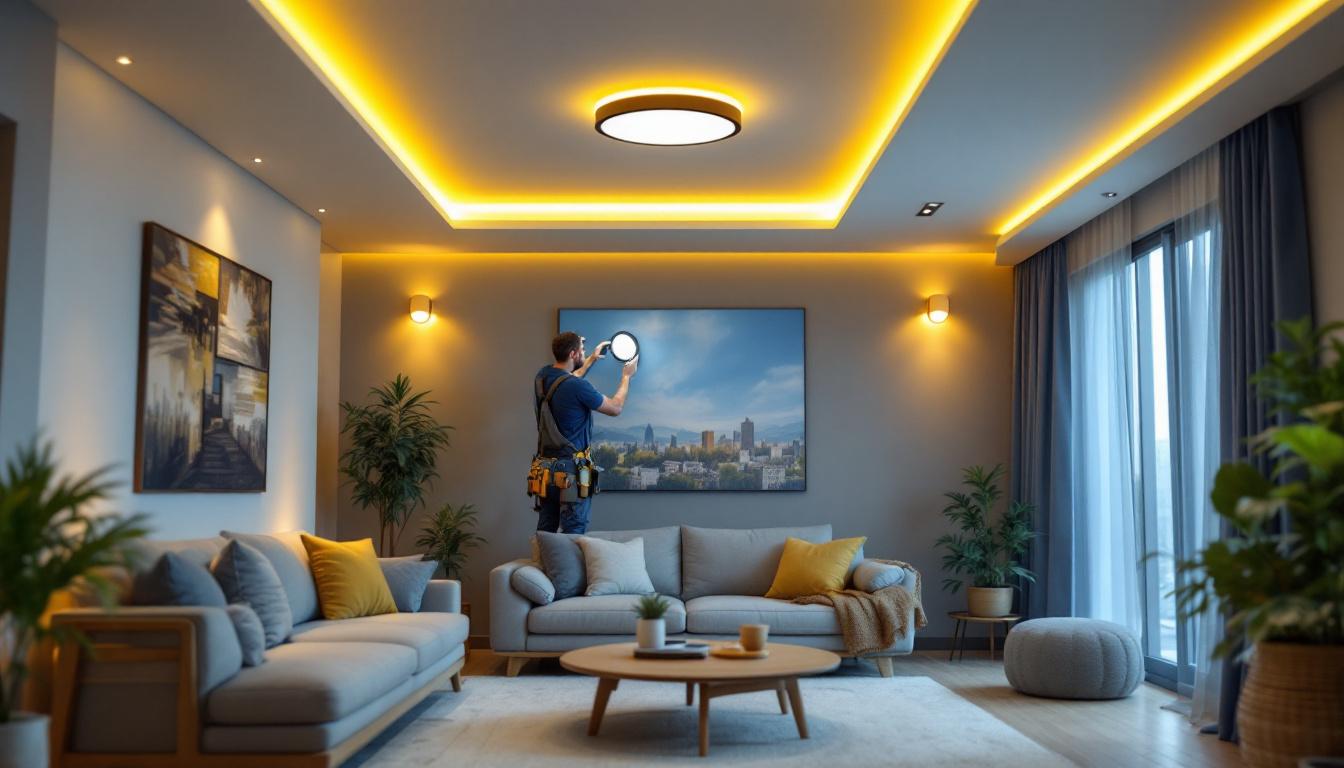
Understanding the Relationship Between Light and Heat
For lighting contractors, grasping the fundamental science behind light and heat is essential. While light and heat are often linked in everyday experience—such as feeling warmth from sunlight—their relationship is more nuanced. Light itself is electromagnetic radiation visible to the human eye, whereas heat is a form of energy transferred between objects due to temperature differences, often experienced as infrared radiation.
When light interacts with materials, it can be absorbed, reflected, or transmitted. The absorbed light energy can convert into heat, raising the temperature of the material. This conversion is particularly relevant in lighting installations, where the type of light source and fixture design can influence heat generation and dissipation. For instance, the color and texture of surfaces in a room can also affect how light and heat are perceived, as darker colors tend to absorb more light and, consequently, more heat, while lighter colors reflect it, keeping spaces cooler.
How Different Light Sources Produce Heat
Traditional incandescent bulbs are well-known for producing significant heat. They generate light by heating a filament until it glows, meaning a large portion of the energy consumed is emitted as heat rather than visible light. This inefficiency not only increases energy costs but also creates challenges in managing heat buildup in enclosed fixtures or tight spaces. In fact, the high temperatures generated by incandescent bulbs can lead to risks such as burns or even fires if fixtures are not designed to handle the heat output.
In contrast, modern lighting technologies such as LEDs (Light Emitting Diodes) produce light through electroluminescence, a process that generates much less heat. LEDs convert a higher percentage of electrical energy into visible light, making them more energy-efficient and cooler to the touch. However, even LEDs produce some heat, which must be managed effectively to maintain performance and longevity. The design of LED fixtures often includes heat sinks or fans to dissipate this heat, ensuring that the diodes operate within their optimal temperature range and prolonging their lifespan significantly compared to traditional bulbs.
Why Heat Management Matters in Lighting Installations
Excess heat in lighting systems can degrade components, reduce lifespan, and pose safety risks. For lighting contractors, understanding how different fixtures and light sources generate and dissipate heat is critical to designing reliable installations. Proper heat management ensures optimal performance, reduces maintenance costs, and enhances occupant comfort. Additionally, the integration of smart lighting systems can further improve heat management by allowing for dimming and scheduling, which can reduce energy consumption and heat output during off-peak hours.
Moreover, heat buildup can affect the surrounding environment, especially in commercial or residential settings where HVAC systems may need to compensate for additional heat loads. Selecting lighting solutions that minimize heat output can contribute to overall energy savings and sustainability goals. Furthermore, the implementation of energy-efficient lighting not only reduces operational costs but also aligns with green building certifications, making it a vital consideration for contractors aiming to meet modern environmental standards. As the industry evolves, staying informed about advancements in lighting technology and heat management strategies will be crucial for success in creating effective and sustainable lighting solutions.
Key Factors That Distinguish Top Lighting Contractors
Beyond technical knowledge, the best lighting contractors differentiate themselves through a combination of expertise, innovation, and customer-focused practices. Their approach to managing the interplay between light and heat exemplifies their commitment to quality and efficiency.
Comprehensive Understanding of Lighting Technologies
Top contractors stay current with emerging lighting technologies and standards. They understand the thermal characteristics of various light sources—from halogen and fluorescent to the latest LED and OLED options—and how these affect installation choices. This expertise allows them to recommend solutions tailored to specific project requirements, balancing illumination quality, energy efficiency, and heat output.
For example, in environments sensitive to heat, such as museums or healthcare facilities, selecting low-heat-emitting fixtures is crucial to protect artifacts or maintain sterile conditions. Skilled contractors can navigate these complexities to deliver optimal outcomes. Moreover, they often conduct thorough assessments of the existing lighting infrastructure, identifying areas where upgrades can enhance both performance and sustainability. This proactive approach ensures that clients receive not just a service, but a comprehensive strategy that enhances the overall functionality of their spaces.
Customized Heat Management Solutions
Leading contractors don’t rely on one-size-fits-all approaches. Instead, they assess each project’s unique conditions—including fixture placement, enclosure types, ambient temperatures, and ventilation—and design heat management strategies accordingly. This might involve specifying fixtures with integrated heat sinks, recommending spacing to promote airflow, or incorporating thermal sensors to monitor temperature in real time.
These tailored solutions prevent premature fixture failure and ensure compliance with safety codes, which is particularly important in large-scale commercial or industrial installations. Furthermore, top contractors often collaborate with architects and engineers during the design phase to ensure that lighting and heat management are seamlessly integrated into the overall building design. This collaboration not only enhances aesthetic appeal but also maximizes operational efficiency, creating spaces that are both visually stunning and functionally sound.
Integration of Energy Efficiency and Sustainability
Energy efficiency is a top priority for many clients, and top lighting contractors incorporate this into their heat management strategies. By selecting lighting products that minimize heat generation, they reduce the burden on cooling systems and lower overall energy consumption. This holistic approach aligns with green building certifications and sustainability initiatives.
Additionally, contractors often provide guidance on lighting controls such as dimmers, occupancy sensors, and daylight harvesting systems. These controls not only optimize light levels but also reduce unnecessary heat production, contributing to a more comfortable and energy-efficient environment. Beyond just installation, many leading contractors offer ongoing maintenance and support services, ensuring that the systems remain efficient and effective over time. This commitment to long-term performance not only enhances client satisfaction but also fosters a culture of sustainability, encouraging clients to take an active role in energy conservation and environmental stewardship.
Practical Tips for Lighting Contractors to Manage Heat Effectively
Managing heat in lighting installations requires both technical know-how and practical strategies. Here are several best practices that top contractors employ to ensure successful outcomes:
1. Select the Right Fixtures and Bulbs
Choosing fixtures designed for efficient heat dissipation is fundamental. For instance, LED fixtures with aluminum heat sinks or those designed for open-air installations help disperse heat effectively. Avoiding enclosed fixtures for high-heat sources reduces the risk of overheating.
Additionally, selecting bulbs with appropriate wattage and color temperature can influence heat output and lighting quality. Lower wattage LEDs with high lumen efficacy provide bright illumination with minimal heat. It’s also worth considering the color rendering index (CRI) of the bulbs; higher CRI values not only improve the quality of light but can also lead to better energy efficiency, further reducing heat generation during operation.
2. Optimize Fixture Placement and Spacing
Proper spacing between fixtures ensures adequate airflow, preventing heat accumulation. In recessed or ceiling-mounted installations, allowing clearance behind fixtures facilitates heat dissipation. Contractors should also consider the proximity of fixtures to heat-sensitive materials or equipment. For example, in art galleries or museums, it’s crucial to position lights away from valuable artifacts to prevent damage from excess heat.
Moreover, understanding the layout of the space can help in planning the placement of fixtures to maximize both aesthetic appeal and functional lighting. Utilizing software tools for lighting design can assist contractors in visualizing how light interacts with the space, ensuring optimal placement that minimizes heat issues.
3. Incorporate Ventilation and Cooling Solutions
In some cases, integrating ventilation systems or fans can enhance heat removal from lighting zones. This is particularly relevant in commercial kitchens, industrial plants, or enclosed architectural spaces where multiple high-output fixtures are used. The strategic placement of exhaust fans can help draw hot air away from light sources, maintaining a cooler environment.
Additionally, considering the use of thermal insulation materials in the construction of ceilings or walls can further aid in managing heat. These materials can reflect heat away from the fixtures, thereby enhancing the overall thermal management of the installation and prolonging the life of the lighting systems.
4. Use Lighting Controls Strategically
Implementing lighting controls such as timers, dimmers, and occupancy sensors reduces unnecessary light—and thus heat—generation. Smart lighting systems can adjust illumination based on occupancy or ambient light, contributing to both energy savings and thermal management. For instance, in spaces that are not frequently used, such as conference rooms or storage areas, occupancy sensors can ensure that lights are only activated when needed, significantly reducing heat output during idle times.
Moreover, integrating these controls with building management systems can provide real-time data analytics on energy consumption and heat generation, allowing contractors to make informed decisions about adjustments and upgrades in the future.
5. Regular Maintenance and Monitoring
Routine inspection and cleaning of fixtures prevent dust buildup, which can insulate heat and impair heat dissipation. Monitoring fixture temperatures and performance helps identify potential overheating issues before they cause failures. Establishing a regular maintenance schedule not only ensures optimal performance but also extends the lifespan of the lighting systems.
Furthermore, utilizing thermal imaging technology during inspections can provide contractors with a non-invasive method to detect hotspots and areas of concern. This proactive approach allows for timely interventions, ensuring that the lighting systems operate efficiently while minimizing heat-related risks.
The Business Impact of Mastering Light and Heat Dynamics
For lighting contractors, mastering the science and art of managing light and heat is not just a technical advantage—it’s a competitive differentiator that drives business success.
Enhancing Client Satisfaction and Trust
Clients expect lighting solutions that are safe, efficient, and durable. Contractors who can demonstrate expertise in minimizing heat-related issues build trust and foster long-term relationships. This reputation often leads to repeat business and referrals.
Reducing Liability and Compliance Risks
Improper heat management can result in fixture failures, fire hazards, or violations of electrical and building codes. Top contractors mitigate these risks by adhering to best practices and industry standards, protecting themselves and their clients from costly liabilities.
Driving Innovation and Differentiation
By embracing cutting-edge lighting technologies and heat management techniques, contractors position themselves as industry leaders. This innovation attracts clients seeking modern, sustainable solutions and opens opportunities in specialized markets such as smart buildings and green construction.
Conclusion
Light does create heat, but the extent and impact depend on the type of light source, fixture design, and installation environment. For lighting contractors, understanding and managing this relationship is crucial to delivering safe, efficient, and high-quality lighting solutions.
Top lighting contractors distinguish themselves through deep technical knowledge, customized heat management strategies, and a commitment to energy efficiency and sustainability. By applying best practices in fixture selection, placement, ventilation, and controls, they optimize both lighting performance and thermal comfort.
Ultimately, mastering the dynamics of light and heat not only enhances project outcomes but also strengthens client trust, reduces risks, and drives business growth in a competitive industry.
Illuminate Your Projects with LumenWholesale
Ready to elevate your lighting installations with the expertise and products that set you apart? Look no further than LumenWholesale for all your lighting needs. Our spec-grade lighting products not only meet the highest industry standards for reliability and performance but also come at unbeatable wholesale prices. Say goodbye to middleman markups and hello to hassle-free bulk buying with free shipping. Don’t compromise on quality or value—choose LumenWholesale for the perfect blend of affordability and convenience. Visit us now at Wholesale Lighting at the Best Value and light up your next project with confidence.