Understanding the Importance of Future-Proofing in Lighting Projects
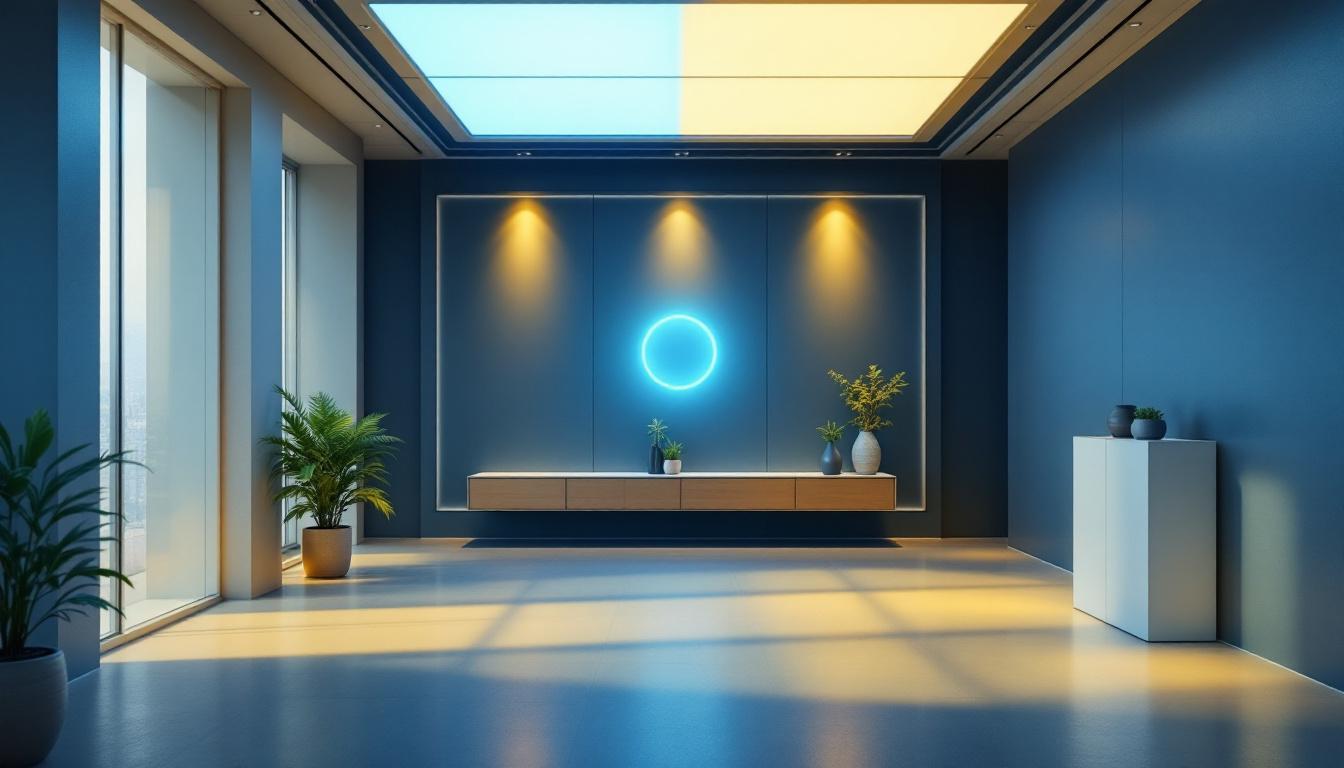
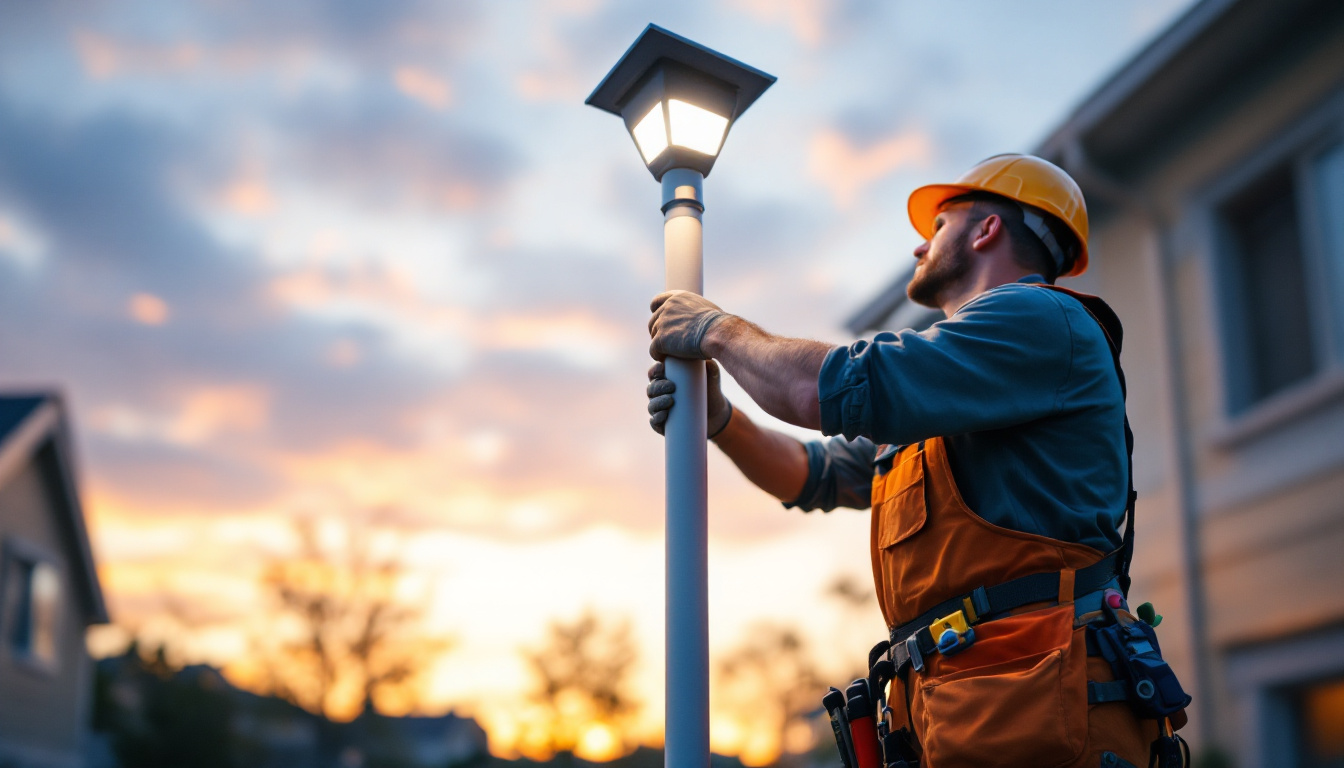
In the rapidly evolving world of lighting technology, contractors face the challenge of designing and installing systems that not only meet current needs but remain adaptable to future advancements. Future-proofing lighting projects is no longer a luxury—it’s a necessity. With innovations in energy efficiency, smart controls, and sustainability standards continuously emerging, lighting contractors must anticipate these changes to deliver lasting value to clients.
Future-proofing involves selecting components, systems, and designs that can accommodate upgrades, expansions, and shifts in technology without requiring costly overhauls. For lighting contractors, this means balancing initial costs with long-term benefits, ensuring client satisfaction, and maintaining a competitive edge in the market.
Moreover, the integration of smart technology into lighting systems has transformed the landscape of design and installation. Smart lighting solutions, which can be controlled remotely and programmed for various settings, not only enhance user experience but also contribute to energy savings. By incorporating IoT (Internet of Things) capabilities, contractors can ensure that their lighting systems are compatible with future smart home technologies, allowing clients to seamlessly integrate their lighting with other automated systems in their spaces. This adaptability is crucial as more consumers seek out intelligent solutions that offer convenience and efficiency.
Additionally, sustainability has become a driving force in the lighting industry, with an increasing emphasis on environmentally friendly practices. Future-proofing lighting projects means considering the lifecycle of materials, energy consumption, and the potential for recycling or repurposing components. By selecting LED fixtures and energy-efficient technologies, contractors not only comply with current regulations but also position themselves as leaders in the push toward greener building practices. This foresight not only benefits the environment but also appeals to a growing demographic of eco-conscious clients who prioritize sustainability in their purchasing decisions.
Key Strategies for Future-Proofing Lighting Installations
1. Embrace Modular and Scalable Systems
One of the most effective ways to future-proof lighting projects is by choosing modular and scalable systems. Modular lighting allows for individual components or sections to be upgraded or replaced without dismantling the entire installation. This flexibility is crucial as LED technology, control protocols, and lighting designs evolve.
Scalability ensures that lighting systems can grow alongside the needs of the space. For example, a commercial office may start with basic lighting controls but later require integration with building automation systems or advanced occupancy sensors. Designing with scalability in mind reduces downtime and installation costs when upgrades are necessary. Additionally, modular systems can adapt to changing design aesthetics or functional requirements, allowing for easy reconfiguration of spaces without the need for extensive renovations. This adaptability is particularly beneficial in environments such as educational institutions or healthcare facilities, where the needs of the occupants may change frequently.
2. Prioritize Open Protocols and Interoperability
Incorporating open communication protocols such as DALI (Digital Addressable Lighting Interface), Zigbee, or Bluetooth Mesh into lighting projects enhances interoperability between devices from different manufacturers. This approach prevents vendor lock-in and makes it easier to integrate new technologies as they become available.
Open protocols also facilitate integration with other building systems like HVAC, security, and energy management, enabling holistic building automation. Lighting contractors who specify systems supporting open standards provide clients with more flexible and future-ready solutions. Furthermore, the adoption of open protocols can lead to cost savings in the long run, as building owners can select the best products from various manufacturers without being restricted to a single vendor’s ecosystem. This flexibility not only fosters innovation but also encourages competition, ultimately driving down costs and improving overall system performance.
3. Invest in Smart Lighting Controls
Smart lighting controls are transforming how spaces are illuminated and managed. Features like occupancy sensing, daylight harvesting, and programmable scenes not only improve energy efficiency but also enhance user experience. Integrating these controls from the outset sets the foundation for future upgrades such as AI-driven lighting adjustments or remote monitoring.
Moreover, cloud-based control platforms enable remote access and data analytics, giving building managers insights into energy consumption patterns and maintenance needs. Lighting contractors should recommend control systems that support firmware updates and expansion modules to keep pace with technological progress. As the Internet of Things (IoT) continues to expand, the potential for smart lighting systems to communicate with other smart devices will create even more opportunities for energy savings and enhanced functionality. For instance, integrating smart lighting with employee scheduling software can optimize lighting levels based on occupancy forecasts, further reducing energy waste while improving comfort and productivity in workspaces.
Material and Design Considerations to Enhance Longevity
Durability and Quality of Components
High-quality materials and components extend the lifespan of lighting installations, reducing the frequency of replacements and maintenance. Contractors should select LED fixtures with robust heat dissipation designs, corrosion-resistant housings, and high-quality drivers to ensure consistent performance over time.
Additionally, opting for fixtures with replaceable parts, such as lenses or drivers, allows for partial upgrades without full fixture replacement. This approach aligns with sustainability goals by minimizing waste and lowering lifecycle costs. Furthermore, using materials that are not only durable but also environmentally friendly can enhance the overall appeal of a project. For instance, fixtures made from recycled metals or sustainably sourced plastics can contribute to a project’s green credentials, attracting environmentally conscious clients and stakeholders.
Moreover, the aesthetic design of these components should not be overlooked. Fixtures that combine functionality with visually appealing designs can enhance the overall ambiance of a space. By selecting components that are both durable and stylish, contractors can create installations that are not only long-lasting but also contribute positively to the architectural integrity of the environment.
Energy Efficiency and Compliance with Evolving Standards
Energy codes and standards are continually updated to promote sustainability. Lighting contractors must stay informed about current and anticipated regulations, such as minimum efficacy requirements and mandatory controls. Designing projects that exceed current standards can safeguard against obsolescence and potential retrofitting costs.
For example, specifying LED fixtures with higher lumens per watt and integrating automatic dimming controls can ensure compliance with future energy mandates. This proactive approach benefits clients by reducing operational costs and enhancing building certifications like LEED or WELL. Additionally, incorporating smart lighting technologies, such as occupancy sensors and daylight harvesting systems, can further optimize energy use. These systems not only contribute to energy savings but also improve user experience by adjusting lighting levels based on occupancy and natural light availability.
As the demand for energy-efficient solutions grows, staying ahead of the curve can position contractors as leaders in the industry. By investing in training and resources to understand the latest energy-saving technologies and compliance measures, contractors can offer innovative solutions that meet both current and future client needs, ultimately leading to more sustainable and cost-effective lighting designs.
Leveraging Data and Analytics for Continuous Improvement
Data-driven lighting management is a cornerstone of future-proofing. Modern lighting systems equipped with sensors and network connectivity generate valuable data on usage patterns, energy consumption, and maintenance needs. Contractors can guide clients in utilizing these insights to optimize lighting performance and plan upgrades. By analyzing this data, clients can identify trends, such as peak usage times and areas that may require additional illumination, ensuring that lighting is not only efficient but also tailored to the specific needs of the space.
Predictive maintenance, enabled by analytics, helps prevent unexpected failures and extends the life of lighting assets. By leveraging machine learning algorithms, systems can predict when a bulb is likely to fail or when a fixture may require servicing, allowing for timely interventions that minimize downtime. Additionally, data can inform decisions about space utilization and occupant comfort, reinforcing the value of smart lighting investments. For instance, integrating occupancy sensors with lighting controls can lead to significant energy savings while enhancing user experience, as lights adjust automatically based on real-time occupancy data.
Furthermore, the integration of data analytics into lighting management systems opens up opportunities for enhanced sustainability practices. By monitoring energy consumption closely, organizations can identify areas where they can reduce their carbon footprint, aligning with broader environmental goals. This data can also support reporting requirements for sustainability certifications, showcasing a commitment to responsible energy use. As businesses increasingly prioritize sustainability, the ability to demonstrate effective energy management through data becomes a competitive advantage.
Moreover, the insights gained from data analytics can foster innovation in lighting design and technology. As trends and preferences evolve, manufacturers can utilize feedback from data to develop new products that meet the changing demands of consumers and businesses alike. This continuous feedback loop not only drives product improvement but also encourages the adoption of cutting-edge technologies, such as tunable white lighting and human-centric designs, which can significantly enhance the overall ambiance and functionality of spaces.
Case Studies: Successful Future-Proofed Lighting Projects
Commercial Office Building with Modular LED Systems
A recent project involved retrofitting a multi-tenant office building with modular LED fixtures and DALI-based controls. The design allowed tenants to customize lighting scenes independently while maintaining centralized energy management. When the building owner decided to integrate advanced occupancy analytics, the existing system accommodated the upgrade seamlessly, avoiding costly rewiring.
Educational Facility Incorporating Scalable Smart Controls
An educational institution installed a scalable lighting control system supporting wireless sensors and cloud-based management. As the campus expanded, additional zones were integrated without disruption. The system’s open protocol compatibility enabled future integration with security and HVAC systems, demonstrating the value of forward-thinking design.
Best Practices for Lighting Contractors to Stay Ahead
Continuous Education and Industry Engagement
Lighting technology is a dynamic field. Contractors committed to future-proofing must prioritize ongoing education through certifications, manufacturer training, and participation in industry forums. Staying current with emerging trends and standards ensures informed recommendations and competitive advantage.
Collaborative Design and Client Communication
Engaging clients in discussions about future needs and potential upgrades fosters transparency and trust. Collaborative design processes that consider client growth plans, technological preferences, and sustainability goals lead to tailored solutions that stand the test of time.
Documentation and Maintenance Planning
Comprehensive documentation of lighting systems, including wiring diagrams, control configurations, and component specifications, is essential for future upgrades and troubleshooting. Contractors should also provide maintenance plans that outline routine inspections and firmware updates to maximize system longevity.
Conclusion
Future-proofing lighting projects with the Lps 750 approach requires a strategic blend of technology selection, design foresight, and client collaboration. By embracing modularity, open protocols, smart controls, and high-quality materials, lighting contractors can deliver installations that adapt gracefully to technological advances and evolving client needs.
Investing in future-proof lighting not only enhances sustainability and energy efficiency but also strengthens client relationships and positions contractors as trusted advisors in a competitive industry. As lighting continues to evolve, those who anticipate change and design with flexibility will illuminate the path forward.
Illuminate Your Projects with LumenWholesale
Ready to take your lighting projects to the next level? At LumenWholesale, we provide you with the cutting-edge, spec-grade lighting products you need to create future-proof installations that stand the test of time. Benefit from our unbeatable wholesale prices and extensive selection that meets the highest industry standards. Say goodbye to middleman markups and hello to reliable, high-performance lighting that elevates every project. With free shipping on bulk orders, you can ensure premium lighting at the best value — all without hidden fees or compromises. Make the smart choice for sustainability, efficiency, and client satisfaction. Wholesale Lighting at the Best Value is just a click away. Experience the LumenWholesale difference today!