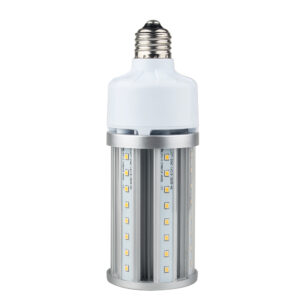
Understanding Vapor Light Fixtures: Fundamentals for Lighting Contractors
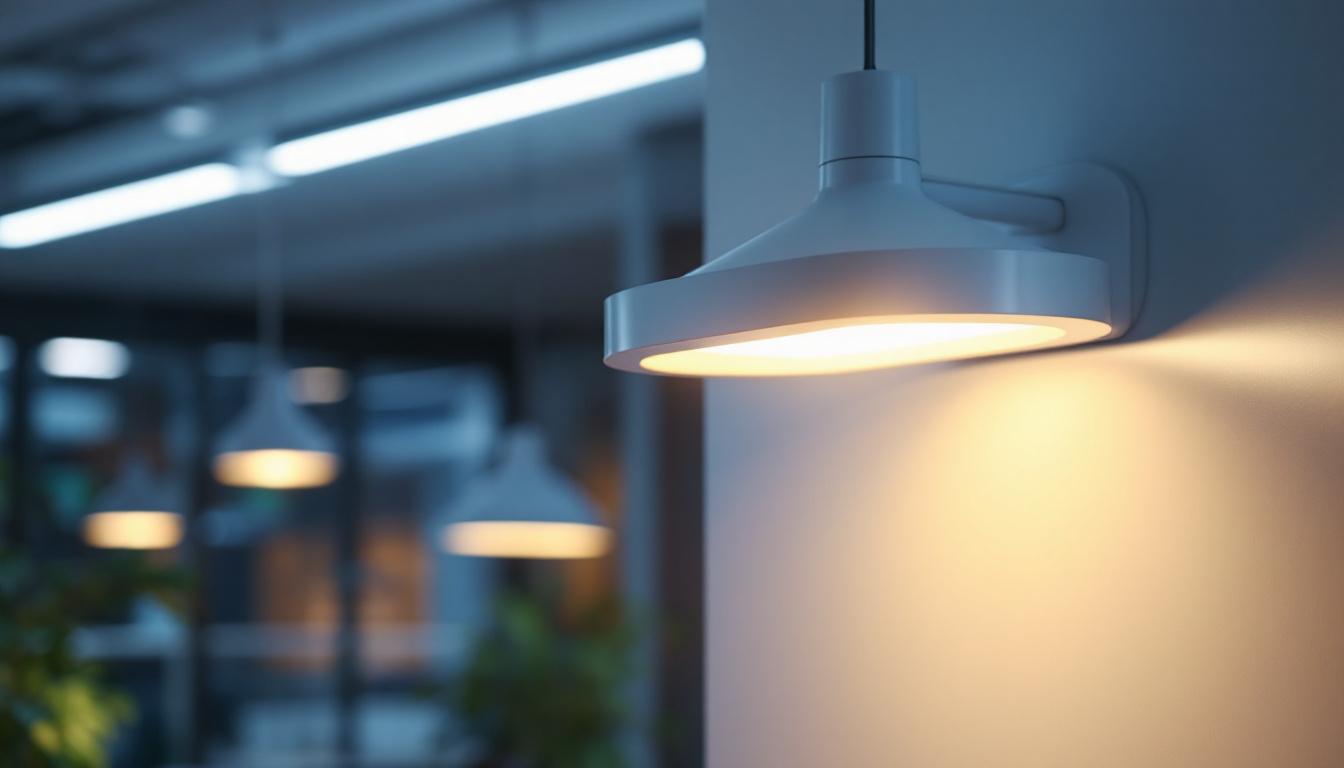
Vapor light fixtures are a cornerstone in commercial, industrial, and outdoor lighting applications. For lighting contractors, a deep understanding of these fixtures is essential to ensure optimal installation, maintenance, and client satisfaction. Vapor light fixtures are designed to withstand harsh environments, including moisture, dust, and temperature fluctuations, making them ideal for warehouses, parking garages, factories, and outdoor spaces.
At their core, vapor light fixtures are sealed units that protect the light source from environmental elements. This protection is typically achieved through gasketed lenses and robust housings, which prevent ingress of water, dust, and other contaminants. The National Electrical Manufacturers Association (NEMA) often classifies these fixtures based on their resistance to environmental factors, which can guide contractors in selecting the right fixture for specific applications.
For contractors, it’s crucial to recognize the difference between vapor-tight fixtures and other sealed lighting options. Vapor-tight fixtures are specifically rated to resist moisture and dust but may not be suitable for explosive or highly corrosive environments, which require specialized fixtures. Understanding these distinctions helps avoid costly mistakes and ensures compliance with safety standards.
In addition to their protective features, vapor light fixtures also offer various energy-efficient options, including LED technology. LED vapor lights not only provide longer lifespans compared to traditional lighting but also consume significantly less energy, resulting in reduced operational costs for clients. This shift towards energy-efficient lighting solutions is not just beneficial for the environment but can also enhance the overall appeal of a contractor’s service offerings. By staying informed about the latest advancements in LED technology and energy regulations, contractors can better serve their clients and contribute to sustainability goals.
Moreover, the versatility of vapor light fixtures extends beyond their application in industrial settings. They can also be effectively utilized in residential areas, particularly in outdoor spaces such as patios and gardens, where durability and weather resistance are paramount. This adaptability opens up new opportunities for contractors to expand their project portfolios. By understanding the various designs and lumen outputs available in vapor light fixtures, contractors can recommend tailored solutions that meet the specific lighting needs of different environments, ensuring that every project is both functional and aesthetically pleasing.
Key Features and Types of Vapor Light Fixtures
Construction and Materials
Vapor light fixtures are typically constructed from durable materials such as polycarbonate, glass, or acrylic for lenses, combined with aluminum or steel housings. These materials are selected for their impact resistance, longevity, and ability to withstand environmental stressors. For example, polycarbonate lenses are favored for their shatter resistance, which is critical in industrial settings where accidental impacts are common.
The gasket system is another vital component. High-quality gaskets made from silicone or neoprene ensure a tight seal, preventing moisture and dust from entering the fixture. Lighting contractors should inspect gasket integrity during installation and maintenance to avoid premature fixture failure.
Lighting Technologies Used
Historically, vapor light fixtures housed fluorescent or high-intensity discharge (HID) lamps. However, the industry has seen a significant shift toward LED technology due to its energy efficiency, longer lifespan, and improved light quality. LEDs also generate less heat, reducing the risk of fixture damage and lowering cooling costs in enclosed spaces.
When retrofitting older vapor light fixtures, contractors should consider LED conversion kits or full fixture replacements to maximize energy savings and reduce maintenance frequency. Additionally, LEDs offer better control over light distribution and color temperature, enhancing the overall lighting design.
Common Types of Vapor Light Fixtures
Vapor light fixtures come in various configurations, including linear wraparound, round or oval ceiling mounts, and high bay fixtures. Linear wraparound fixtures are popular in corridors, stairwells, and utility rooms due to their uniform light distribution. Round or oval fixtures are often used in restrooms and smaller spaces, while high bay vapor-tight fixtures are designed for large, open areas with high ceilings.
Installation Best Practices for Vapor Light Fixtures
Site Assessment and Fixture Selection
Before installation, a thorough site assessment is paramount. Contractors should evaluate environmental conditions such as humidity levels, exposure to chemicals, temperature ranges, and potential physical impacts. This assessment guides the selection of fixtures with appropriate NEMA ratings and materials.
For example, a parking garage exposed to vehicle exhaust and moisture will require fixtures with higher ingress protection (IP) ratings and corrosion-resistant materials. Conversely, indoor warehouses with minimal moisture exposure may allow for less stringent specifications.
Mounting and Wiring Considerations
Proper mounting ensures fixture longevity and safety. Vapor light fixtures should be securely fastened to surfaces that can support their weight and withstand environmental forces such as wind or vibration. Contractors must follow manufacturer guidelines for mounting hardware and spacing to avoid stress on fixture components.
Wiring must comply with local electrical codes and standards. Using weatherproof connectors and conduit is essential when fixtures are installed in damp or outdoor locations. Additionally, contractors should verify that the power supply matches the fixture’s voltage and wattage requirements to prevent electrical hazards.
Sealing and Testing
One of the most critical steps in installation is ensuring the fixture is properly sealed. After mounting and wiring, contractors should inspect the gasket and lens assembly for any gaps or misalignments. Applying silicone sealant around fixture edges can provide an extra layer of protection in particularly harsh environments.
Once installed, testing the fixture for proper operation and verifying the absence of moisture ingress is recommended. This may involve visual inspections and operational tests during and after installation to confirm that the fixture performs as expected.
Maintenance and Troubleshooting of Vapor Light Fixtures
Routine Maintenance Procedures
Regular maintenance extends the life of vapor light fixtures and ensures consistent lighting performance. Contractors should establish maintenance schedules that include cleaning lenses, inspecting gaskets, and checking electrical connections. Accumulated dirt and grime can reduce light output and compromise the fixture’s seal.
Cleaning should be performed with non-abrasive materials and mild detergents to avoid damaging the lens or gasket. Additionally, replacing worn or damaged gaskets promptly prevents moisture ingress and fixture failure.
Common Issues and Solutions
Lighting contractors frequently encounter issues such as flickering lights, reduced brightness, or fixture corrosion. Flickering often results from loose wiring or ballast failure in older fluorescent fixtures. Upgrading to LED technology can eliminate many of these problems due to the solid-state nature of LEDs.
Reduced brightness may indicate lens clouding or lamp degradation. Cleaning or replacing the lens and lamps can restore light output. Corrosion on metal parts requires immediate attention; affected components should be cleaned, treated with rust inhibitors, or replaced to maintain fixture integrity.
Emergency Repairs and Replacements
In critical applications such as emergency exits or security lighting, rapid response to fixture failure is essential. Contractors should keep common replacement parts on hand, including gaskets, lenses, and LED modules. Having a well-organized inventory minimizes downtime and ensures client satisfaction.
When fixtures are beyond repair, recommending full replacements with modern, energy-efficient models can provide long-term benefits. Educating clients on the advantages of newer technologies helps justify investment in upgrades.
Energy Efficiency and Regulatory Compliance
Energy Savings with LED Vapor Light Fixtures
Energy efficiency is a top priority for clients aiming to reduce operational costs and environmental impact. LED vapor light fixtures can offer energy savings of up to 50-70% compared to traditional HID or fluorescent fixtures. These savings translate into lower utility bills and reduced carbon footprints.
Lighting contractors should emphasize the benefits of LEDs during client consultations, highlighting features such as dimmability, instant-on capabilities, and longer service life. These attributes not only improve energy efficiency but also enhance user experience and reduce maintenance demands.
Compliance with Lighting Standards and Codes
Compliance with local and national electrical codes, such as the National Electrical Code (NEC) and relevant building codes, is mandatory. Vapor light fixtures must meet specific safety and performance standards, including UL or ETL listing for wet or damp locations.
Lighting contractors should stay informed about evolving regulations, including energy codes like ASHRAE 90.1 or Title 24, which may mandate the use of energy-efficient lighting in commercial buildings. Proper documentation and certification during installation help ensure inspections pass smoothly and avoid costly rework.
Trends and Innovations in Vapor Light Fixtures
Smart Lighting Integration
Advancements in smart lighting technology are transforming vapor light fixtures. Integration with building management systems (BMS) and Internet of Things (IoT) devices allows for remote monitoring, adaptive lighting controls, and predictive maintenance. These features enable clients to optimize energy use and extend fixture lifespan.
Lighting contractors can differentiate their services by offering smart vapor light solutions that include occupancy sensors, daylight harvesting, and wireless control systems. Such innovations align with the growing demand for sustainable and intelligent building infrastructure.
Improved Materials and Designs
Manufacturers continue to enhance vapor light fixtures through improved materials and design innovations. New gasket compounds offer better durability and resistance to chemicals, while advanced lens coatings reduce glare and improve light diffusion. Modular designs facilitate easier installation and maintenance, reducing labor costs.
Contractors should stay updated on these developments to recommend the most effective products to their clients. Partnering with reputable manufacturers ensures access to cutting-edge fixtures that meet evolving industry needs.
Conclusion: Maximizing Success with Vapor Light Fixtures
For lighting contractors, expertise in vapor light fixtures is a valuable asset that drives project success and client satisfaction. From understanding fundamental construction and selecting the right fixture to mastering installation best practices and maintenance, each step impacts performance and longevity.
Embracing energy-efficient technologies, adhering to regulatory standards, and staying abreast of industry innovations empower contractors to deliver superior lighting solutions. By combining technical knowledge with practical experience, lighting contractors can confidently navigate the complexities of vapor light fixtures and contribute to safer, more efficient, and sustainable lighting environments.
Get Your Vapor Light Fixtures from LumenWholesale
Ready to elevate your lighting projects with the best vapor light fixtures on the market? Look no further than LumenWholesale. Our commitment to quality and affordability ensures you have access to spec-grade lighting products that meet your clients’ needs while keeping your costs down. Say goodbye to local distributor markups and enjoy the convenience of free shipping on bulk orders. Make the smart choice for your business and explore our wholesale lighting options at the best value today.