Introduction to House Wiring Connectors
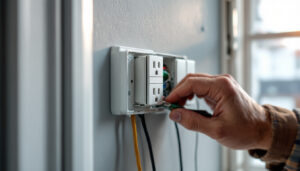
For lighting contractors, the reliability and safety of electrical connections are paramount. House wiring connectors, often overlooked in the hustle of installation and project deadlines, play a critical role in ensuring that lighting systems function flawlessly and safely over time. These small components are the unsung heroes of residential electrical work, providing secure connections between wires and preventing hazards such as short circuits, electrical fires, and system failures. Properly selected and installed connectors not only enhance the longevity of the electrical system but also contribute to the overall efficiency of energy consumption in a home.
Understanding the common pitfalls associated with house wiring connectors can save contractors from costly callbacks, safety violations, and damage to their professional reputation. This guide dives deep into the most frequent mistakes made during the selection, installation, and maintenance of wiring connectors, offering practical advice tailored specifically for lighting contractors. For instance, using connectors that are not rated for the specific wire gauge can lead to overheating and eventual failure, while improper crimping techniques can result in loose connections that compromise safety. Additionally, the choice between soldered connections and mechanical connectors can significantly impact the integrity of the wiring system, with each method offering distinct advantages and potential drawbacks depending on the application.
Moreover, the variety of materials used in wiring connectors, such as copper, aluminum, and various alloys, can influence both performance and compatibility with different types of wiring. It’s essential for contractors to be well-versed in these materials to ensure they select connectors that not only meet the electrical requirements but also withstand environmental factors such as moisture and temperature fluctuations. Furthermore, regular inspection and maintenance of connectors can prevent deterioration over time, ensuring that the lighting systems remain safe and efficient. By prioritizing these aspects, lighting contractors can elevate their work quality and ensure that their installations stand the test of time, ultimately leading to greater client satisfaction and trust.
Choosing the Right Connectors for Lighting Installations
Understanding Connector Types and Their Applications
Lighting contractors encounter various types of wiring connectors, including twist-on wire nuts, push-in connectors, lever nuts, and crimp connectors. Each type has unique characteristics suited to different wiring scenarios. For example, twist-on wire nuts are popular for their simplicity and reliability in connecting solid or stranded copper wires. Lever nuts offer ease of use and reusability, making them ideal for complex or temporary setups. Push-in connectors, on the other hand, provide a quick and efficient solution for connecting wires without the need for tools, making them a favorite for DIY enthusiasts and professionals alike.
Choosing the wrong connector type can lead to poor connections, increased resistance, and potential overheating. It is essential to match the connector to the wire gauge, number of conductors, and environmental conditions. For instance, connectors designed for indoor use may not perform well in damp or outdoor locations, where corrosion and moisture ingress can compromise safety. Moreover, understanding the specific lighting application can also guide the choice of connectors; for example, connectors used in recessed lighting installations may need to accommodate tighter spaces and specific heat dissipation requirements, while those used in outdoor fixtures must be robust against weather elements.
Material Compatibility and Connector Ratings
One critical mistake lighting contractors often make is neglecting the compatibility between the connector material and the wire type. Copper and aluminum wires require different connectors or those specifically rated for both metals. Using a connector not rated for aluminum wiring can lead to oxidation and increased resistance, posing a serious fire hazard. Additionally, the choice of materials in connectors can affect their longevity; connectors made from high-quality thermoplastics or metals can withstand higher temperatures and environmental stress, ensuring a safer and more durable installation.
Additionally, connectors come with specific voltage and current ratings. Ensuring that the connector’s rating meets or exceeds the circuit requirements is vital. Overlooking this can result in connector failure under load, especially in circuits powering multiple or high-wattage lighting fixtures. Furthermore, contractors should consider the installation environment—certain connectors are designed to withstand extreme temperatures or exposure to chemicals, making them better suited for industrial or commercial settings. Understanding these nuances not only enhances safety but also contributes to the overall efficiency and reliability of the lighting system being installed.
Common Installation Mistakes and How to Avoid Them
Improper Wire Stripping and Preparation
One of the most frequent errors in wiring connector installation is improper wire preparation. Stripping too much insulation exposes excessive bare wire, increasing the risk of accidental shorts. Conversely, insufficient stripping can prevent the wire from fully entering the connector, leading to loose connections.
Lighting contractors should use precise wire strippers calibrated for the wire gauge in use. The stripped length should match the connector manufacturer’s recommendations, ensuring a secure and reliable connection. Additionally, wires should be clean and free of oxidation or damage before insertion.
Over-Tightening or Under-Tightening Connectors
When using twist-on wire nuts or similar connectors, the torque applied during installation is critical. Over-tightening can damage the wire strands, reducing conductivity and mechanical strength. Under-tightening, on the other hand, can cause loose connections that generate heat and increase the risk of arcing.
Contractors should follow manufacturer guidelines for torque and installation technique. Using tools designed to measure torque or relying on tactile feedback from experience helps achieve the ideal tightness. Lever nuts and push-in connectors reduce this risk by providing consistent clamping force without manual twisting.
Failing to Secure Connectors Within Junction Boxes
Another common oversight is neglecting to properly secure wiring connectors inside junction boxes. Connectors that move or shift can loosen over time, especially in areas subject to vibration or thermal expansion. This can compromise the integrity of the connection and lead to intermittent lighting failures or safety hazards.
Ensuring that connectors are firmly seated and that wires are neatly arranged within the box helps maintain connection stability. Using cable clamps and organizing wires to prevent strain on connectors is a best practice that enhances long-term reliability.
Safety Considerations for Lighting Contractors
Adhering to Electrical Codes and Standards
Compliance with local electrical codes and standards is non-negotiable for lighting contractors. These codes specify acceptable connector types, installation methods, and safety requirements designed to protect property and lives. Ignoring these regulations can result in failed inspections, liability issues, and increased risk of accidents.
Contractors should stay updated on the National Electrical Code (NEC) or equivalent standards relevant to their region. Regular training and certification renewals help ensure that installation practices meet current safety benchmarks.
Using Connectors Rated for Environmental Conditions
Lighting installations often extend beyond dry indoor environments. Outdoor lighting, basement fixtures, and garage installations expose connectors to moisture, temperature fluctuations, and dust. Using connectors without appropriate environmental ratings can lead to corrosion, insulation breakdown, and electrical faults.
For damp or wet locations, contractors should select connectors with moisture-resistant or waterproof ratings. Sealed connectors or those with integrated gaskets provide additional protection. This attention to environmental suitability enhances system durability and safety.
Regular Inspection and Maintenance
Even the best-installed connectors can degrade over time due to thermal cycling, mechanical stress, or environmental exposure. Lighting contractors should advise clients on the importance of periodic inspection and maintenance of electrical connections. Early detection of loose or corroded connectors can prevent failures and costly repairs.
In commercial or large residential projects, implementing a maintenance schedule that includes checking connector integrity can extend the life of lighting systems and ensure ongoing safety.
Advanced Tips for Professional Lighting Contractors
Implementing Quality Control Measures
To minimize mistakes, lighting contractors can adopt quality control protocols during installation. This includes double-checking wire stripping lengths, verifying connector compatibility, and performing pull tests to confirm secure connections. Using standardized checklists ensures consistency across projects and reduces human error.
Additionally, documenting installation details such as connector types used and torque applied can be valuable for future troubleshooting and client records.
Training and Staying Updated on Innovations
The field of electrical connectors is continuously evolving, with manufacturers developing new products that improve safety, ease of installation, and performance. Lighting contractors who invest in ongoing training and stay informed about the latest connector technologies can offer superior service and reduce installation errors.
Workshops, webinars, and manufacturer demonstrations provide opportunities to learn about innovations such as push-in connectors with enhanced contact mechanisms or connectors designed for faster installation without compromising safety.
Using the Right Tools for Connector Installation
Proper tools are essential for achieving reliable connections. Wire strippers, torque screwdrivers, and crimping tools designed for specific connector types improve installation accuracy and efficiency. Using makeshift or inappropriate tools increases the risk of damaging wires or connectors, leading to premature failures.
Investing in high-quality tools and maintaining them in good condition reflects professionalism and commitment to quality workmanship.
Conclusion: Prioritizing Connector Excellence in Lighting Projects
House wiring connectors might seem like minor components in the grand scheme of lighting installations, but their impact on safety, reliability, and client satisfaction is substantial. Avoiding common mistakes related to connector selection, installation, and maintenance is essential for lighting contractors aiming to deliver high-quality, code-compliant work.
By understanding the nuances of connector types, adhering to safety standards, and employing best practices during installation, contractors can minimize risks and enhance the longevity of lighting systems. Continuous education, proper tool use, and quality control further elevate professional standards, ensuring that every lighting project shines brightly and safely for years to come.
Get Your Premium Wiring Connectors at LumenWholesale
Ready to enhance your lighting installations with connectors that guarantee safety and reliability? Look no further than LumenWholesale for your electrical essentials. Our extensive selection of top-quality, spec-grade lighting products ensures that you have access to the best connectors on the market, all at unbeatable wholesale prices. Say goodbye to local distributor markups and hello to superior products that meet the highest industry standards. Plus, with free shipping on bulk orders, you can stock up on all the connectors you need without worrying about hidden fees. Elevate your lighting projects today and experience the perfect blend of quality, affordability, and convenience. Visit LumenWholesale now for Wholesale Lighting at the Best Value.