The Fundamentals of Outdoor Wall Lighting: A Technical Overview
For lighting contractors, mastering the science behind outdoor wall lamps and sconces is essential to delivering both functional and aesthetically pleasing installations. Unlike indoor lighting, outdoor fixtures must withstand environmental challenges while providing adequate illumination for safety and ambiance. Understanding the interplay of electrical, optical, and material science principles can dramatically improve project outcomes.
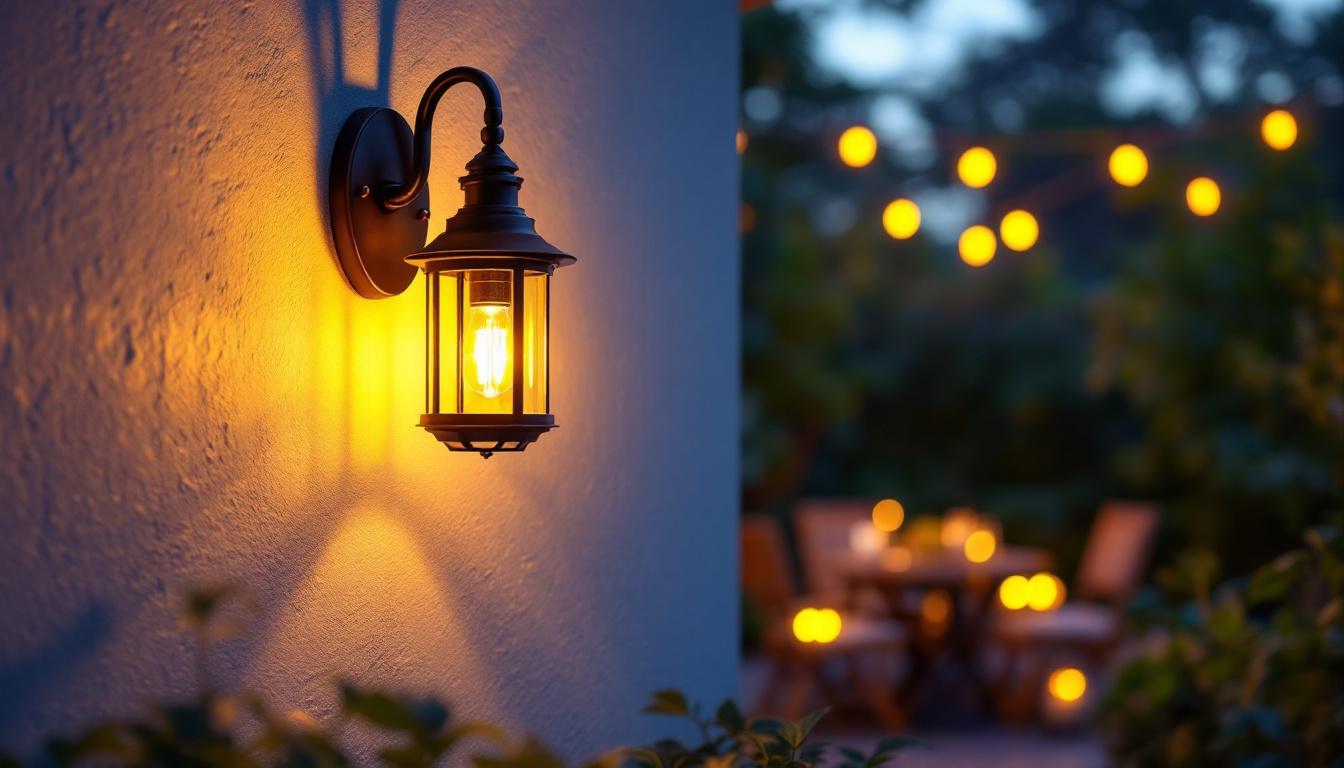
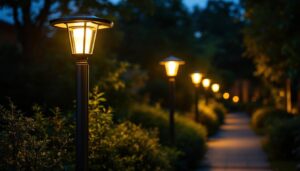
Outdoor wall lamps and sconces are designed to mount on vertical surfaces, such as exterior walls, fences, or pillars. Their primary functions include illuminating pathways, enhancing architectural features, and increasing security. From a technical perspective, the selection and installation of these fixtures require careful consideration of lumen output, beam angle, color temperature, and durability standards. Furthermore, the choice of design can significantly impact the overall aesthetic of a property, making it imperative for contractors to stay updated on the latest trends and technologies in outdoor lighting.
Electrical Considerations: Voltage, Wiring, and Safety
One of the first aspects lighting contractors must evaluate is the electrical requirements of outdoor wall lamps. Most outdoor fixtures operate on standard line voltage (120V in North America), but low-voltage (12V) options are increasingly popular due to enhanced safety and energy efficiency. Low-voltage systems reduce the risk of electrical shock and often simplify installation, especially in retrofit scenarios. Additionally, these systems can be more adaptable, allowing for easy integration with smart home technologies that enable remote control and automation of lighting schedules.
Proper wiring is critical to ensure safety and compliance with local electrical codes. Outdoor lighting circuits should be protected by ground-fault circuit interrupters (GFCIs) to prevent electrical hazards caused by moisture or damaged wiring. Additionally, contractors must use weather-resistant conduit and connectors to protect electrical components from corrosion and physical damage. It’s also advisable to consider the placement of the fixtures in relation to potential water sources, such as sprinklers or rain runoff, to further mitigate risks associated with moisture exposure.
Optical Science: Light Distribution and Glare Control
The optical design of wall lamps and sconces plays a pivotal role in how light is distributed across outdoor spaces. Fixtures can be engineered to provide focused task lighting, broad ambient illumination, or decorative accent lighting. Understanding beam angles and lens types helps contractors specify the right fixture for the intended application. For instance, narrow beam angles are ideal for highlighting specific architectural features or landscaping elements, while wider angles are better suited for general area lighting that enhances safety and visibility.
Glare control is another critical factor. Excessive glare can cause discomfort and reduce visibility, defeating the purpose of outdoor lighting. Many modern sconces incorporate diffusers, louvers, or shields to manage glare effectively. Lighting contractors should be familiar with these design elements to optimize visual comfort while maintaining adequate light levels. Furthermore, the use of color temperature can influence the perception of brightness and warmth in outdoor settings. Warmer color temperatures often create a welcoming atmosphere, while cooler temperatures can enhance security by providing a more clinical and alert environment. Understanding these nuances allows contractors to tailor their lighting designs to meet both functional and aesthetic needs.
Material Science and Environmental Durability
Outdoor lighting fixtures are exposed to a variety of environmental stressors including moisture, temperature fluctuations, UV radiation, and physical impacts. Selecting materials that can withstand these conditions is fundamental to ensuring long-term performance and client satisfaction.
Corrosion Resistance and Weatherproofing
Common materials for outdoor wall lamps include aluminum, stainless steel, brass, and high-grade plastics. Aluminum is lightweight and corrosion-resistant when properly coated, making it a popular choice. Stainless steel offers superior durability but at a higher cost. Brass provides an attractive finish and excellent corrosion resistance but requires maintenance to prevent tarnishing.
Weatherproofing is typically achieved through the use of gaskets, seals, and protective coatings. Lighting contractors should verify that fixtures meet at least an IP44 rating, which ensures protection against splashing water and solid objects larger than 1mm. For more exposed locations, IP65 or higher ratings are advisable to guarantee resistance against jets of water and dust ingress.
Thermal Management
Heat dissipation is a critical, yet often overlooked, aspect of outdoor lighting design. LED technology, which dominates modern outdoor fixtures, produces heat that must be effectively managed to maintain performance and longevity. Fixtures with integrated heat sinks or thermally conductive materials help prevent overheating, which can degrade LEDs and electronic components.
Lighting contractors should assess the thermal design of fixtures, especially when installing multiple units in confined spaces or areas with limited airflow. Proper spacing and orientation can also aid in thermal management, reducing the risk of premature fixture failure.
Photometric Performance and Energy Efficiency
Understanding photometric data is indispensable for lighting contractors aiming to optimize outdoor lighting installations. Photometric reports provide detailed information on light intensity, distribution patterns, and color characteristics, enabling precise fixture placement and selection.
Luminous Flux and Illuminance Levels
Luminous flux, measured in lumens, indicates the total amount of visible light emitted by a fixture. Illuminance, measured in lux or foot-candles, describes the amount of light falling on a surface. For outdoor wall lighting, contractors must balance these metrics to achieve sufficient brightness without causing light pollution or excessive energy consumption.
For example, pathway lighting typically requires illuminance levels between 10 and 20 lux, while security lighting may demand up to 100 lux. Over-illumination not only wastes energy but can also create harsh shadows and glare, negatively impacting safety and aesthetics.
Color Temperature and Color Rendering Index (CRI)
Color temperature, expressed in Kelvin (K), influences the mood and functionality of outdoor lighting. Warm white light (2700K–3000K) is often preferred for residential settings due to its inviting ambiance, while cooler temperatures (4000K–5000K) are common in commercial or security applications for their crisp visibility.
The Color Rendering Index (CRI) measures how accurately a light source reveals the colors of objects compared to natural light. A CRI of 80 or higher is generally recommended for outdoor lighting to ensure colors appear natural and vibrant, which can be important for architectural highlighting and landscape features.
Energy Efficiency and Sustainability
Energy-efficient lighting solutions are increasingly demanded by clients and mandated by regulations. LED technology, with its high efficacy (lumens per watt) and long lifespan, has become the standard for outdoor wall lamps and sconces. Lighting contractors should prioritize fixtures with ENERGY STAR certification or equivalent to ensure optimal energy performance.
Incorporating controls such as motion sensors, photocells, and timers can further enhance energy savings by limiting operation to necessary periods. These controls also contribute to reducing light pollution and minimizing environmental impact.
Installation Best Practices and Compliance
Proper installation is the final, yet critical, step in ensuring that outdoor wall lamps and sconces perform as intended. Lighting contractors must adhere to industry standards and local codes to guarantee safety, durability, and client satisfaction.
Mounting Techniques and Structural Considerations
Secure mounting is essential to prevent fixture damage from wind, vibration, or accidental impact. Contractors should use appropriate anchors and fasteners based on wall material—masonry, wood, or metal. Additionally, ensuring that fixtures are level and oriented correctly affects both aesthetics and photometric performance.
When installing multiple fixtures, uniform spacing and alignment contribute to a cohesive lighting design. Contractors should consult photometric layouts and manufacturer guidelines to achieve consistent illumination and avoid dark spots or overlapping beams.
Code Compliance and Permitting
Compliance with the National Electrical Code (NEC) or equivalent local regulations is mandatory. This includes using weatherproof boxes, proper grounding, and GFCI protection for outdoor circuits. Lighting contractors should also be aware of any municipal ordinances regarding light trespass, fixture shielding, and energy efficiency standards.
Obtaining necessary permits and inspections ensures that installations meet safety requirements and reduces liability risks. Staying current with code updates and best practices is a professional responsibility that benefits both contractors and clients.
Emerging Trends and Technologies in Outdoor Wall Lighting
The field of outdoor wall lighting continues to evolve with advancements in technology and changing client expectations. Lighting contractors who stay informed about these trends can offer innovative solutions that enhance value and performance.
Smart Lighting and Connectivity
Integration of smart controls allows outdoor wall lamps and sconces to be managed remotely via smartphones or building automation systems. Features such as dimming, color tuning, and scheduling improve user convenience and energy management. Some systems also incorporate sensors that adjust lighting based on occupancy or ambient light levels.
Contractors should familiarize themselves with communication protocols like Zigbee, Z-Wave, and Wi-Fi to support interoperability and future-proof installations.
Human-Centric and Wildlife-Friendly Lighting
There is growing awareness of the impact of artificial lighting on human health and ecosystems. Human-centric lighting aims to align outdoor illumination with natural circadian rhythms, using warmer color temperatures and reduced blue light emissions during evening hours.
Wildlife-friendly lighting minimizes disruption to nocturnal animals by controlling light intensity, direction, and spectrum. Lighting contractors can advise clients on selecting fixtures and configurations that balance safety and environmental stewardship.
Conclusion: Elevating Outdoor Lighting Expertise
For lighting contractors, a deep understanding of the science behind outdoor wall lamps and sconces is indispensable. Mastery of electrical principles, optical performance, material durability, and installation best practices enables the delivery of high-quality, compliant, and energy-efficient lighting solutions.
By staying abreast of emerging technologies and sustainability considerations, contractors can position themselves as trusted experts in the evolving landscape of outdoor lighting. This expertise not only enhances project success but also contributes to safer, more beautiful, and environmentally responsible outdoor environments.
Illuminate Your Projects with LumenWholesale
Ready to elevate your outdoor lighting projects with the best in the industry? Look no further than LumenWholesale for all your lighting needs. Our extensive selection of top-quality, spec-grade lighting products is available at unbeatable wholesale prices, ensuring you get the most reliable and high-performance lighting without the inflated markups. With free shipping on bulk orders, LumenWholesale is your go-to source for premium lighting solutions that blend quality, affordability, and convenience seamlessly. Don’t compromise on your lighting installations—choose LumenWholesale and experience the difference today. Wholesale Lighting at the Best Value.