Understanding the Evolution of Ceiling Lighting in Residential Spaces
Ceiling lighting has long been a fundamental element in residential design, serving both functional and aesthetic purposes. For lighting contractors, staying abreast of the latest trends and technologies in ceiling lighting is essential to meet the evolving demands of homeowners. The transition from traditional incandescent bulbs to energy-efficient LEDs and now to smart lighting systems has transformed how ceilings are illuminated, offering unprecedented control, customization, and integration.
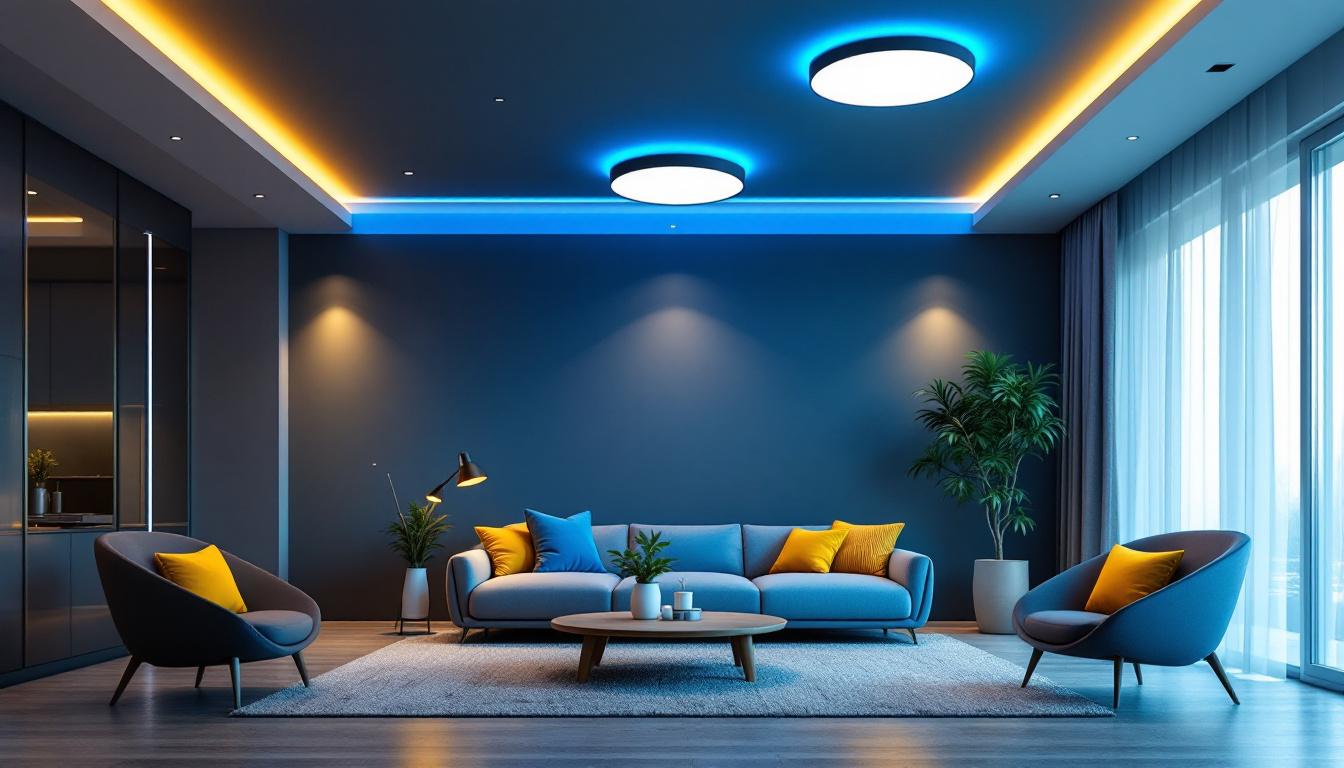
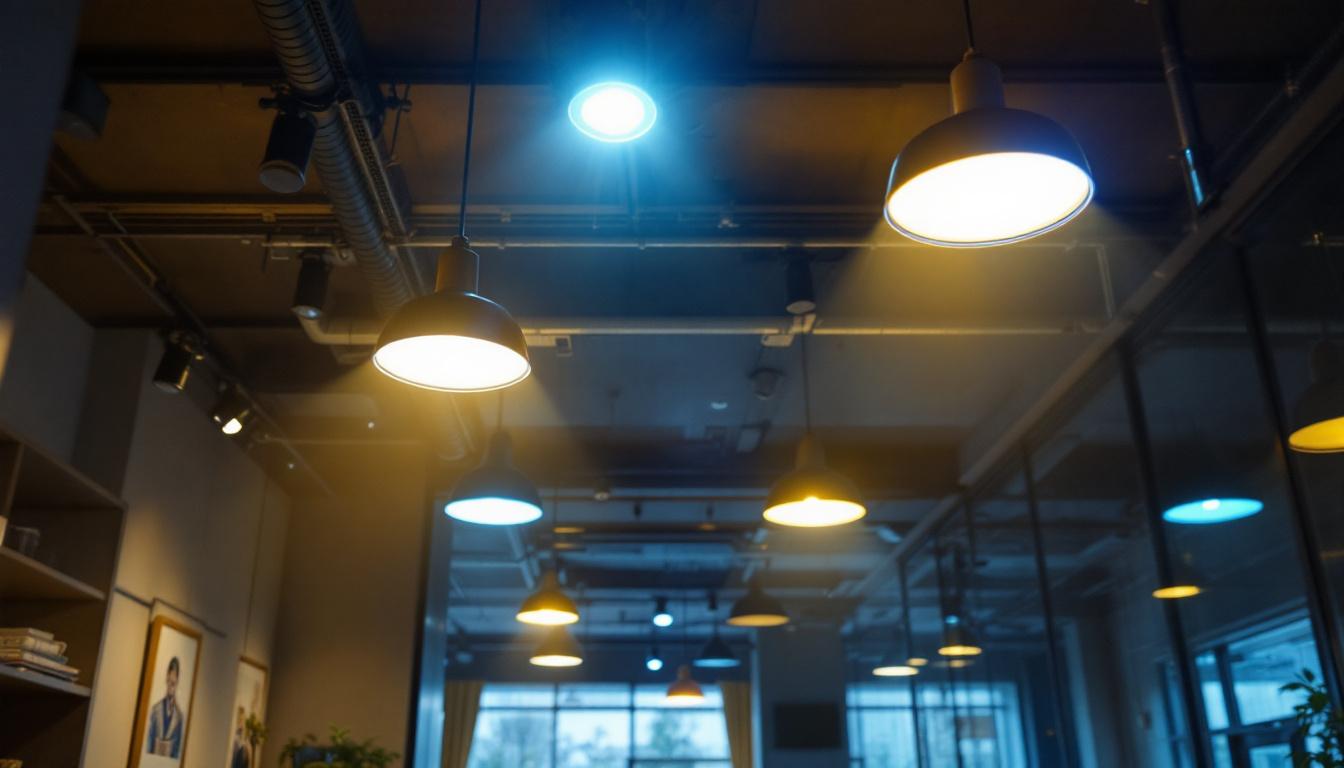
Modern ceiling lighting solutions are no longer just about brightness; they focus on ambiance, energy efficiency, and seamless integration with home automation systems. This evolution requires contractors to understand not only the technical specifications of lighting fixtures but also how these systems interact within a smart home ecosystem. The design of ceiling fixtures has also evolved, with an increasing emphasis on aesthetics. Homeowners are now looking for fixtures that not only illuminate but also serve as statement pieces that reflect their personal style. From sleek, minimalist designs to ornate chandeliers, the variety available allows for greater creativity in residential spaces.
The Shift Toward Smart Ceiling Lighting
Smart ceiling lighting incorporates advanced technologies such as wireless connectivity, voice control, and adaptive lighting features. These systems allow homeowners to adjust brightness, color temperature, and even color hues to suit different moods and activities. For contractors, this means mastering new installation techniques and becoming proficient with various smart platforms like Zigbee, Z-Wave, and Wi-Fi-based controls. Additionally, the rise of mobile applications for lighting control has empowered homeowners to manage their lighting from anywhere, creating a level of convenience that was previously unimaginable. This shift not only enhances user experience but also encourages energy-efficient practices, as homeowners can easily monitor and adjust their usage.
Moreover, smart ceiling lighting often integrates sensors that adjust lighting based on occupancy or natural light levels, enhancing energy savings and convenience. Understanding these technologies enables contractors to provide tailored solutions that enhance the homeowner’s lifestyle while optimizing energy consumption. Furthermore, the integration of smart lighting with other home automation systems—such as security and HVAC—creates a holistic approach to home management, where lighting can be programmed to respond to various scenarios. For instance, lights can automatically brighten upon entry or dim during movie nights, making the home not only more functional but also more enjoyable. As these technologies continue to advance, the role of contractors will evolve, requiring ongoing education and adaptability to ensure they can meet the diverse needs of modern homeowners.
Key Considerations for Lighting Contractors When Installing Smart Ceiling Lighting
Successful installation of smart ceiling lighting requires a comprehensive approach that balances technical expertise with design sensibility. Lighting contractors must consider several critical factors to ensure optimal performance and customer satisfaction.
Assessing the Home’s Electrical Infrastructure
Before installation, contractors should evaluate the existing electrical system to determine compatibility with smart lighting components. Many smart ceiling lights require neutral wires, which may be absent in older homes. Identifying such limitations early helps avoid costly modifications or the need for alternative solutions like battery-powered or wireless fixtures.
Additionally, contractors should assess the capacity of circuit breakers and wiring to handle the added load of smart devices, especially when integrating multiple fixtures or systems. Proper planning ensures safety and reliability throughout the installation. It’s also important to consider the potential for future upgrades; as smart home technology continues to evolve, ensuring that the electrical system can accommodate new devices will save homeowners from having to undergo extensive renovations later on.
Choosing the Right Smart Lighting Fixtures
With a vast array of smart ceiling lighting options available, selecting the right fixtures is crucial. Contractors should consider factors such as lumens output, color rendering index (CRI), compatibility with smart hubs, and aesthetic preferences. For example, fixtures with high CRI values provide more natural and vibrant lighting, which is particularly important in living spaces and kitchens.
Furthermore, understanding the homeowner’s lifestyle and preferences guides the selection of features like dimming capabilities, color-changing options, and integration with voice assistants or smartphone apps. Offering a range of choices tailored to specific needs enhances the contractor’s value proposition. It’s also beneficial to educate clients about the energy-saving potential of LED smart lights, which not only reduce electricity bills but also contribute to a more sustainable home environment.
Ensuring Seamless Integration with Home Automation Systems
Smart ceiling lighting often forms part of a broader home automation strategy. Contractors must be adept at integrating lighting controls with other smart devices such as thermostats, security systems, and entertainment centers. This integration allows for synchronized scenes and routines, improving convenience and energy efficiency.
Familiarity with popular platforms like Apple HomeKit, Google Home, and Amazon Alexa is essential. Contractors should also be prepared to troubleshoot connectivity issues and provide guidance on maintaining secure and stable networks to support smart lighting systems. Additionally, educating homeowners on the benefits of automation—such as setting schedules for lights to turn on and off automatically or adjusting brightness based on the time of day—can enhance user experience and satisfaction. As smart technology continues to advance, staying updated on new features and capabilities will further empower contractors to deliver exceptional service and innovative solutions to their clients.
Installation Best Practices for Smart Ceiling Lighting
Proper installation is vital to maximize the benefits of smart ceiling lighting. Contractors should follow industry best practices to ensure safety, functionality, and aesthetic appeal.
Pre-Installation Planning and Layout Design
Effective lighting begins with thoughtful planning. Contractors should collaborate with homeowners and designers to create a lighting layout that balances ambient, task, and accent lighting. Ceiling lighting placement impacts room functionality and mood, so strategic positioning is key.
Using lighting design software or 3D modeling tools can help visualize the final outcome, allowing for adjustments before installation. This proactive approach reduces rework and enhances client satisfaction. Moreover, considering the room’s purpose is crucial; for instance, in a home office, brighter task lighting may be necessary, while softer ambient lighting may be preferred in a bedroom to create a relaxing atmosphere. Engaging clients in this planning phase not only ensures their needs are met but also fosters a sense of ownership in the design process.
Adhering to Electrical and Safety Codes
Compliance with local electrical codes and safety standards is non-negotiable. Contractors must ensure that all wiring, fixtures, and smart devices meet regulatory requirements. Proper grounding, secure mounting, and the use of UL-listed components contribute to a safe installation.
Additionally, contractors should educate homeowners on the safe operation and maintenance of smart ceiling lighting systems, including firmware updates and troubleshooting common issues. It is also advisable to discuss the importance of surge protection for smart devices, as fluctuations in power can affect performance and longevity. By providing homeowners with a clear understanding of these safety measures, contractors can help mitigate risks and enhance the overall reliability of the smart lighting system.
Testing and Calibration Post-Installation
After installation, thorough testing is essential to verify that all smart lighting features function as intended. This includes checking connectivity, response times, dimming ranges, and scene configurations. Calibration may be necessary to fine-tune color temperatures and brightness levels to the homeowner’s preferences.
Providing a comprehensive demonstration and user training ensures that homeowners can fully leverage the capabilities of their new smart ceiling lighting system. In addition to basic functionality, contractors should introduce homeowners to advanced features such as scheduling, remote access via smartphone apps, and integration with other smart home devices. This not only enhances user experience but also encourages homeowners to explore creative lighting solutions that can transform their living spaces. Furthermore, establishing a follow-up schedule for periodic maintenance checks can help ensure the system continues to perform optimally over time, reinforcing the value of the initial investment.
Emerging Trends and Technologies in Smart Ceiling Lighting
The smart lighting industry continues to innovate, offering contractors new tools and opportunities to enhance residential lighting solutions.
Human-Centric Lighting (HCL)
Human-centric lighting adjusts color temperature and intensity throughout the day to support natural circadian rhythms. This approach promotes well-being, improves sleep quality, and enhances productivity. Contractors incorporating HCL into ceiling lighting designs provide homeowners with health-conscious lighting environments that adapt dynamically to daily routines.
Integration with Energy Management Systems
Smart ceiling lighting increasingly integrates with whole-home energy management systems, allowing for real-time monitoring and optimization of energy usage. Contractors can leverage these integrations to offer solutions that reduce utility costs and environmental impact, appealing to eco-conscious homeowners.
Advancements in Wireless Power and Installation Techniques
Emerging wireless power technologies and modular lighting systems simplify installation and expand design possibilities. Contractors adopting these innovations can offer less invasive installations, particularly beneficial in retrofit projects where rewiring is challenging.
Conclusion: The Contractor’s Role in Shaping Smart Ceiling Lighting Experiences
Lighting contractors play a pivotal role in the successful adoption of smart ceiling lighting in residential settings. By combining technical expertise with a deep understanding of design principles and homeowner needs, contractors can deliver lighting solutions that enhance comfort, convenience, and energy efficiency.
Staying informed about evolving technologies, adhering to best practices, and embracing emerging trends empower contractors to remain competitive and provide exceptional value in the dynamic smart lighting market. Ultimately, the contractor’s approach determines not only the functionality of the lighting system but also the overall satisfaction and lifestyle improvements experienced by homeowners.
Illuminate Your Projects with LumenWholesale
Ready to elevate your lighting installations with the latest smart ceiling solutions? At LumenWholesale, we provide lighting contractors like you with the highest quality, spec-grade lighting products at prices that simply can’t be beaten. Our commitment to cutting out the middleman means you enjoy superior products at wholesale rates, with the added benefit of free shipping on bulk orders. Don’t compromise on quality or cost—choose LumenWholesale for your next project and experience the ultimate in value and convenience. Discover our extensive selection and take the first step towards transforming residential spaces with confidence. Wholesale Lighting at the Best Value awaits you.