Understanding the Importance of Choosing the Right Lotus Light Fixture
Lighting contractors know that the choice of fixtures can make or break a project’s success. Among the many options available, the Lotus light fixture has gained popularity for its elegant design and versatile applications. However, selecting and installing a Lotus light fixture without thorough knowledge can lead to costly errors that affect both aesthetics and functionality.
The Lotus fixture is often chosen for its ability to enhance architectural features and create ambient lighting effects. Yet, improper specification or installation can result in uneven illumination, increased energy consumption, or premature fixture failure. Understanding the technical specifications, compatibility with existing electrical systems, and environmental factors is essential to avoid these pitfalls.
Why the Lotus Fixture Stands Out
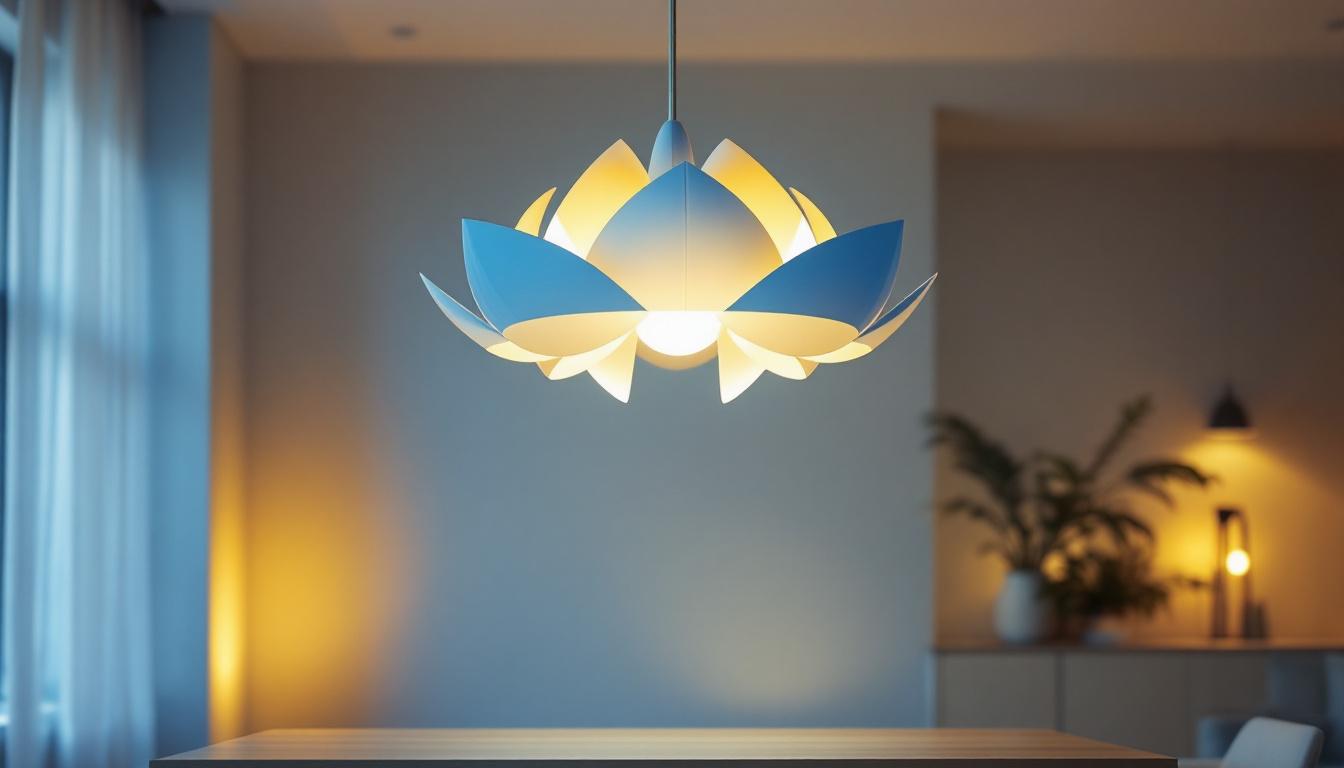
The Lotus light fixture is renowned for its unique design inspired by the lotus flower, offering a blend of modern appeal and timeless elegance. It is commonly used in commercial spaces, upscale residential projects, and hospitality environments where ambiance and design cohesion are paramount.
Its adaptability to various lighting technologies, including LED and halogen, allows contractors to tailor lighting solutions that meet client demands for energy efficiency and visual comfort. However, this flexibility also means that contractors must be diligent in selecting the right model and configuration to suit the project’s specific needs.
Moreover, the Lotus fixture’s design is not just about aesthetics; it also plays a crucial role in light distribution. The shape and material of the fixture can significantly influence how light is diffused throughout a space. For instance, fixtures with frosted glass or specialized lenses can soften harsh light, creating a more inviting atmosphere. This is particularly important in settings such as restaurants or lounges, where the right lighting can enhance the overall experience for patrons. Additionally, the fixture’s finish options, ranging from polished chrome to matte black, allow for seamless integration into diverse design schemes, making it a favorite among interior designers and architects alike.
Furthermore, the sustainability aspect of the Lotus light fixture cannot be overlooked. Many modern iterations are designed with energy-efficient technologies that not only reduce electricity costs but also contribute to a lower carbon footprint. This is increasingly important as more clients prioritize eco-friendly solutions in their projects. By opting for fixtures that utilize LED technology, contractors can offer clients long-lasting products that require less frequent replacement, ultimately leading to lower maintenance costs and a more sustainable approach to lighting design.
Common Costly Mistakes in Lotus Light Fixture Projects
Despite the advantages, many lighting projects involving Lotus fixtures encounter avoidable mistakes. These errors can escalate costs, delay project timelines, and compromise the final outcome.
1. Inadequate Planning and Specification
One of the most frequent mistakes is insufficient planning. Lighting contractors sometimes select fixtures based solely on aesthetics without considering lumen output, beam angle, or color temperature. For instance, choosing a Lotus fixture with a narrow beam angle for a large open area can create uneven lighting and shadows.
Moreover, failing to verify the fixture’s compatibility with dimming systems or control protocols can lead to functionality issues. Many Lotus fixtures support advanced control systems like DALI or 0-10V dimming, but not all models are compatible with every control platform. This oversight can result in a lighting system that does not perform as intended, leading to frustration for both contractors and end-users. Additionally, a comprehensive lighting design should include a photometric analysis to ensure that the selected fixtures will meet the specific needs of the space, taking into account factors such as furniture layout and wall colors that can affect light reflection.
2. Overlooking Electrical and Environmental Requirements
Electrical compatibility is crucial. Using a Lotus fixture designed for a different voltage or current rating than the site’s supply can cause fixture damage or safety hazards. Additionally, environmental factors such as moisture, temperature extremes, and dust exposure must be considered. Installing indoor-rated Lotus fixtures in damp or outdoor locations can result in premature failure.
Furthermore, it’s essential to assess the electrical load capacity of the circuit where the fixtures will be installed. Overloading a circuit can lead to tripped breakers or even electrical fires. Contractors should also consider the use of surge protectors to safeguard sensitive lighting systems from voltage spikes, which can be particularly damaging to advanced LED fixtures. By taking these precautions, the longevity and reliability of the lighting installation can be significantly enhanced, ensuring that the investment in Lotus fixtures pays off in the long run.
3. Poor Installation Practices
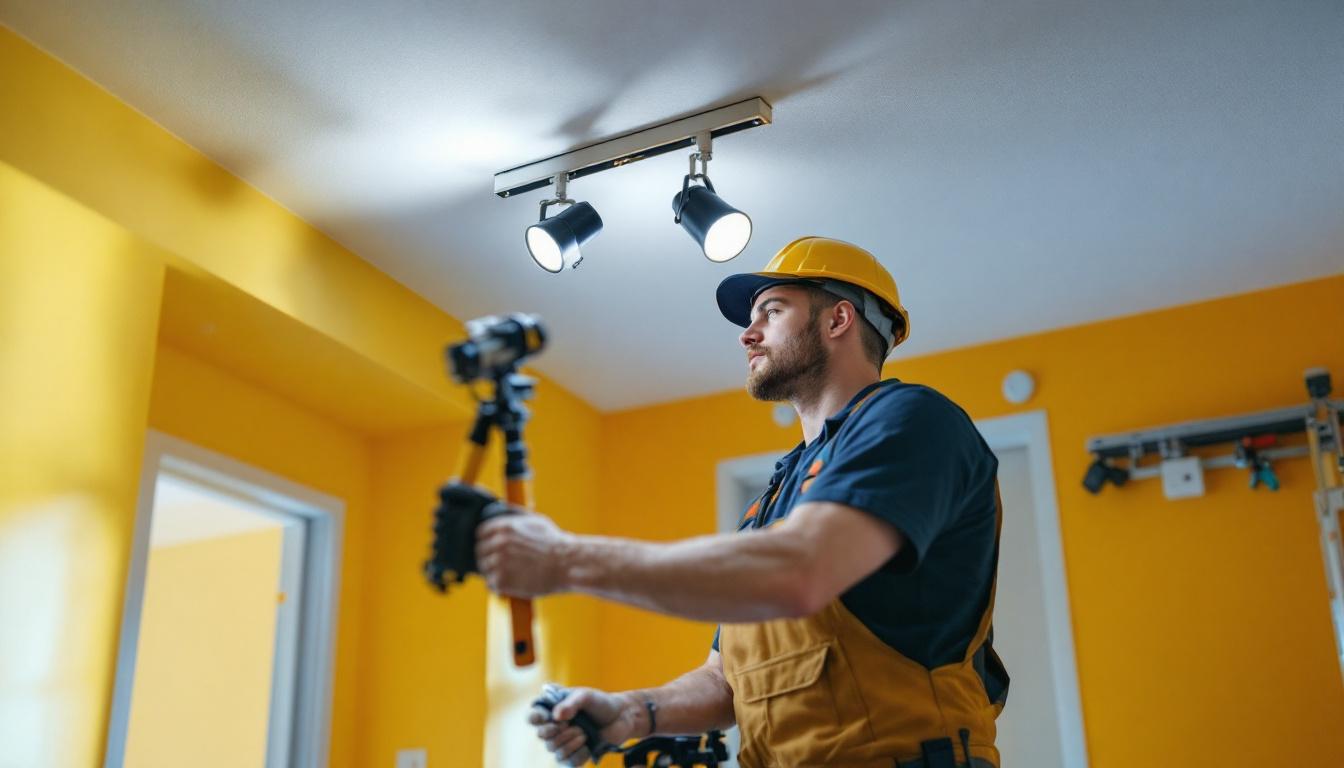
Improper installation is a significant source of costly rework. Common issues include incorrect mounting height, inadequate wiring connections, and failure to secure fixtures properly. These mistakes not only affect lighting performance but can also pose safety risks.
For example, mounting a Lotus fixture too low in a high-traffic area may lead to physical damage, while insufficient wiring insulation can cause electrical shorts. Additionally, neglecting to follow manufacturer guidelines during installation can void warranties and lead to costly repairs. It is advisable for contractors to conduct a thorough review of installation instructions and to ensure that all team members are trained in best practices. Regular site inspections during the installation phase can also help catch mistakes early, preventing them from escalating into larger issues that could derail project timelines and budgets.
Strategies to Avoid Costly Mistakes in Lotus Light Fixture Projects
Mitigating risks associated with Lotus light fixture installations requires a proactive approach encompassing thorough planning, adherence to best practices, and continuous communication among project stakeholders.
Conduct Comprehensive Site Assessments
Before specifying Lotus fixtures, contractors should perform detailed site assessments. This includes measuring room dimensions, ceiling heights, and surface reflectance. Understanding these parameters helps in selecting fixtures with appropriate lumen output and beam angles to achieve uniform illumination.
Additionally, assessing environmental conditions ensures the chosen fixtures have the necessary ingress protection (IP) ratings. For example, an IP65-rated Lotus fixture is suitable for outdoor or wet locations, whereas an IP20 fixture is limited to dry indoor environments.
Collaborate Closely with Designers and Electrical Engineers
Effective collaboration between lighting contractors, designers, and electrical engineers is essential. Designers provide insights into aesthetic goals, while engineers ensure electrical compatibility and code compliance. This multidisciplinary approach helps in selecting Lotus fixtures that meet both visual and technical requirements.
Regular coordination meetings and shared documentation reduce misunderstandings and enable timely adjustments to fixture specifications or installation plans.
Verify Fixture Specifications and Certifications
Contractors should scrutinize the technical datasheets of Lotus fixtures, paying attention to wattage, voltage, color rendering index (CRI), and dimming capabilities. Certifications such as UL, CE, or Energy Star indicate compliance with safety and efficiency standards, providing additional assurance.
Using fixtures with verified certifications minimizes the risk of performance issues and supports sustainable building practices.
Implement Rigorous Installation Protocols
Adhering to manufacturer installation guidelines is non-negotiable. Contractors should train installation teams on proper mounting techniques, wiring methods, and safety precautions specific to Lotus fixtures. Utilizing appropriate tools and testing equipment ensures secure connections and optimal fixture alignment.
Post-installation testing, including photometric measurements and electrical inspections, confirms that the lighting system functions as intended before project handover.
Case Studies: Lessons Learned from Lotus Light Fixture Installations
Real-world examples illustrate the impact of avoiding or succumbing to common mistakes in Lotus light fixture projects.
Case Study 1: Successful Integration in a Boutique Hotel Lobby
A lighting contractor was tasked with installing Lotus fixtures in a boutique hotel lobby. By conducting a thorough site analysis and collaborating with the interior designer, the contractor selected fixtures with warm color temperatures and adjustable beam angles. The fixtures were rated for damp locations, suitable for the lobby’s proximity to entrance doors.
Installation followed strict protocols, and the lighting system was integrated with a smart control platform, allowing for dynamic ambiance adjustments. The project was completed on schedule and within budget, receiving praise for its elegant and functional lighting design.
Case Study 2: Costly Rework Due to Specification Oversight
In contrast, another project involved installing Lotus fixtures in a commercial office space without verifying the fixtures’ dimming compatibility. The fixtures were incompatible with the building’s existing control system, leading to flickering and inconsistent lighting.
Rectifying the issue required removing and replacing the fixtures, resulting in increased labor costs and project delays. This example underscores the importance of verifying technical compatibility before procurement.
Emerging Trends and Innovations in Lotus Light Fixtures
Staying informed about advancements in Lotus light fixture technology can help contractors deliver cutting-edge solutions while avoiding outdated practices.
Integration with Smart Lighting Systems
Modern Lotus fixtures increasingly support integration with IoT-enabled lighting controls. Features such as occupancy sensing, daylight harvesting, and remote dimming enhance energy efficiency and user comfort. Contractors should familiarize themselves with these technologies to meet evolving client expectations.
Advancements in LED Technology
LEDs continue to dominate the lighting industry due to their longevity and energy savings. Lotus fixtures equipped with high-efficiency LEDs offer improved lumen output and color quality. Selecting fixtures with adjustable color temperatures allows for versatile lighting scenes adaptable to different times of day or activities.
Sustainable and Eco-Friendly Materials
There is a growing emphasis on sustainability in lighting design. Lotus fixtures manufactured with recyclable materials and low-impact production processes align with green building certifications such as LEED and WELL. Contractors can leverage these attributes to support clients’ sustainability goals.
Conclusion: Best Practices for Lighting Contractors Working with Lotus Fixtures
Successfully executing lighting projects involving Lotus light fixtures demands a blend of technical expertise, meticulous planning, and effective communication. Avoiding costly mistakes hinges on understanding the fixture’s specifications, environmental suitability, and installation requirements.
By conducting comprehensive site assessments, collaborating across disciplines, verifying specifications, and adhering to rigorous installation protocols, lighting contractors can ensure that Lotus fixtures not only enhance the visual appeal of spaces but also deliver reliable, efficient performance.
Embracing emerging technologies and sustainability trends further positions contractors as leaders in delivering innovative and responsible lighting solutions. Ultimately, attention to detail and proactive management throughout the project lifecycle safeguard investments and elevate client satisfaction.
Illuminate Your Projects with LumenWholesale
Ready to elevate your lighting projects with the elegance of Lotus light fixtures and avoid costly mistakes? Look no further than LumenWholesale for your lighting needs. We provide contractors with high-quality, specification-grade lighting products at unbeatable wholesale prices. With our expansive selection that meets rigorous industry standards, you can trust that you’re getting reliable and high-performance lighting every time. Plus, with free shipping on bulk orders, you can enjoy premium lighting solutions at the best value — all without hidden fees or compromises. Don’t miss out on the perfect combination of quality, affordability, and convenience. Visit LumenWholesale now for Wholesale Lighting at the Best Value and make your next project shine!