Understanding Exterior Recessed Lighting: A Foundation for Contractors
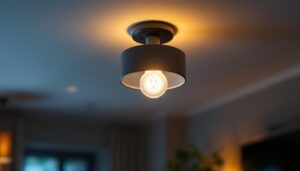
Exterior recessed lighting has become an essential component in modern architectural and landscape lighting designs. For lighting contractors, mastering the nuances of these fixtures is crucial to delivering both aesthetic appeal and functional performance. Unlike traditional surface-mounted lights, recessed lights are installed flush with the surface, providing a sleek, unobtrusive look that enhances the exterior environment without overwhelming it.
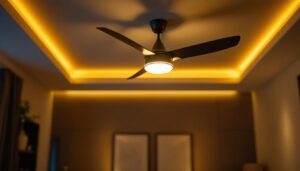
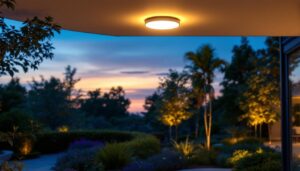
These fixtures are typically used in soffits, eaves, porches, and outdoor ceilings, offering focused illumination that improves safety, security, and curb appeal. The challenge for contractors lies in selecting the right products, ensuring proper installation, and understanding the environmental factors that influence performance and longevity.
Why Exterior Recessed Lighting Matters
Exterior recessed lights serve multiple purposes beyond mere illumination. They contribute to the architectural integrity of a building by highlighting textures, shapes, and landscaping features. Additionally, they play a vital role in safety by lighting walkways, steps, and entry points, reducing the risk of accidents. From a security standpoint, well-placed recessed lights can deter intruders by eliminating dark hiding spots around a property.
For contractors, these factors translate into a need for precision in design and execution. A poorly installed or inappropriately selected fixture can lead to water intrusion, premature failure, or inadequate lighting coverage, all of which can damage a contractor’s reputation and result in costly callbacks. Moreover, understanding the various types of recessed lighting—such as adjustable, fixed, or wall-wash fixtures—enables contractors to tailor their lighting solutions to the specific needs of each project. This adaptability is essential in creating dynamic outdoor spaces that can be enjoyed at night, transforming the ambiance and usability of patios, gardens, and entryways.
Furthermore, the integration of energy-efficient LED technology in exterior recessed lighting is revolutionizing the industry. Not only do these fixtures consume less power, but they also offer longer lifespans and reduced maintenance costs. Contractors must stay informed about the latest advancements in LED technology, including color temperature options and dimming capabilities, to provide clients with versatile lighting solutions that enhance both the aesthetic and functional aspects of their outdoor spaces. With the growing emphasis on sustainability, incorporating energy-efficient lighting options can also be a selling point, appealing to environmentally conscious homeowners looking to reduce their carbon footprint.
Key Considerations When Selecting Exterior Recessed Lights
Choosing the right exterior recessed lighting involves more than just picking a fixture that fits the budget. Contractors must consider several technical and environmental factors to ensure the installation meets client expectations and industry standards.
Material and Durability
Exterior fixtures face harsh conditions including moisture, temperature fluctuations, UV exposure, and physical impact. Therefore, selecting fixtures made from robust materials such as die-cast aluminum or stainless steel is essential. These materials resist corrosion and maintain structural integrity over time.
Moreover, the fixture’s finish should be weather-resistant to prevent fading or peeling. Powder-coated finishes are popular for their durability and aesthetic versatility. In addition to these considerations, it’s also wise to look for fixtures that have undergone rigorous testing for impact resistance, especially in areas prone to severe weather or vandalism. This added layer of protection can significantly extend the lifespan of the lighting installation and reduce the need for frequent replacements.
Ingress Protection (IP) Rating
The IP rating indicates how well a fixture is protected against dust and water. For exterior recessed lights, an IP rating of at least IP65 is recommended, ensuring protection against water jets and dust ingress. This is particularly important for fixtures installed in soffits or areas exposed to rain and wind-driven moisture.
Additionally, understanding the specific environmental conditions of the installation site can further inform the choice of IP rating. For instance, coastal areas may require fixtures with higher ratings due to saltwater exposure, which can accelerate corrosion. By taking these factors into account, contractors can ensure that the lighting not only functions effectively but also stands the test of time against the elements.
Light Source and Efficiency
LED technology dominates the exterior lighting market due to its energy efficiency, longevity, and low maintenance. Contractors should prioritize fixtures with high-quality LED modules that offer consistent color temperature and lumen output. Selecting fixtures with a Color Rendering Index (CRI) of 80 or higher ensures colors appear natural and vibrant under the light.
Energy efficiency not only benefits the environment but also reduces operational costs for clients, making LED recessed lights a compelling choice. Furthermore, many LED fixtures now come with smart technology options, allowing for features like dimming and color temperature adjustment. This adaptability not only enhances the ambiance of outdoor spaces but also provides clients with the flexibility to customize their lighting according to different occasions or preferences.
Beam Angle and Light Distribution
Understanding the beam angle is critical for achieving the desired lighting effect. Narrow beam angles (15°–30°) are ideal for accentuating architectural details or landscaping features, while wider beams (60°–120°) provide general illumination for larger areas.
Contractors must assess the site and client requirements to determine the appropriate beam spread, ensuring uniform lighting without unwanted glare or dark spots. Additionally, considering the height at which fixtures will be installed can influence the effectiveness of the beam angle. For example, recessed lights installed at greater heights may require a tighter beam angle to maintain adequate illumination on the ground below. This careful planning can significantly enhance the overall functionality and aesthetic appeal of the outdoor lighting design.
Installation Best Practices for Exterior Recessed Lighting
Proper installation is the cornerstone of a successful exterior recessed lighting project. Lighting contractors must follow best practices to guarantee safety, performance, and durability.
Planning and Layout
Before installation, a detailed lighting plan should be developed. This includes fixture placement, spacing, and wiring routes. Contractors should collaborate with architects or landscape designers to align lighting with the overall design intent.
Using lighting design software or photometric analysis tools can help visualize light distribution and optimize fixture placement, minimizing guesswork and ensuring client satisfaction.
Waterproofing and Sealing
One of the most common issues with exterior recessed lights is water infiltration. To prevent this, contractors must use fixtures with integrated gaskets and ensure all junction boxes and wiring connections are sealed with appropriate waterproof materials.
Additionally, installing fixtures with proper drainage and ventilation features helps avoid condensation buildup inside the housing, which can damage electrical components.
Electrical Considerations
Exterior lighting installations must comply with local electrical codes and standards. Contractors should use outdoor-rated cables and connectors, and ensure all wiring is protected from physical damage and moisture.
Ground fault circuit interrupters (GFCIs) are often required for exterior circuits to enhance safety. Proper grounding and bonding practices should also be observed to prevent electrical hazards.
Mounting and Alignment
Recessed fixtures must be securely mounted to prevent movement or sagging over time. Using adjustable housings can facilitate precise alignment, allowing contractors to direct light exactly where it is needed.
Ensuring the fixture is flush with the mounting surface not only enhances aesthetics but also reduces the risk of debris accumulation and water pooling around the light.
Common Challenges and How to Overcome Them
Despite careful planning and execution, exterior recessed lighting projects can encounter challenges. Awareness of these issues and proactive solutions can save time and resources.
Condensation and Moisture Damage
Even with waterproof fixtures, condensation can form inside housings due to temperature changes. This moisture can corrode components and reduce fixture lifespan. To mitigate this, contractors should select fixtures with built-in ventilation or desiccant packs and ensure proper sealing during installation.
Glare and Light Pollution
Improperly aimed or excessively bright lights can cause glare, negatively impacting neighbors and detracting from the property’s appearance. Using shields, baffles, or selecting fixtures with appropriate beam angles helps control light spill and glare.
Additionally, adhering to local ordinances regarding light trespass and brightness levels is essential to avoid complaints and potential fines.
Compatibility with Smart Controls
As smart lighting systems become more prevalent, contractors must ensure exterior recessed lights are compatible with dimmers, motion sensors, and remote controls. Selecting fixtures with standardized control interfaces simplifies integration and future upgrades.
Enhancing Client Value Through Exterior Recessed Lighting
Beyond technical proficiency, lighting contractors can elevate their service by educating clients about the benefits and possibilities of exterior recessed lighting.
Demonstrating Energy Savings and Sustainability
Highlighting the energy efficiency of LED recessed lights and their contribution to reducing carbon footprints resonates with environmentally conscious clients. Providing estimates on energy savings and maintenance cost reductions can justify initial investments.
Showcasing Design Versatility
Exterior recessed lighting offers versatile design options—from subtle ambient lighting to dramatic architectural highlights. Contractors can present portfolios or mockups to help clients visualize potential outcomes, fostering informed decision-making.
Offering Maintenance and Warranty Support
Providing clear information on fixture maintenance, expected lifespan, and warranty coverage builds trust and encourages long-term client relationships. Proactive maintenance services can also become an additional revenue stream for contractors.
Conclusion: Mastering Exterior Recessed Lighting for Success
For lighting contractors, exterior recessed lighting represents both an opportunity and a responsibility. By understanding the technical specifications, environmental demands, and aesthetic considerations, contractors can deliver installations that are durable, efficient, and visually appealing.
Adhering to best practices in selection, installation, and client communication not only enhances project outcomes but also strengthens professional reputation. As exterior lighting continues to evolve with advances in technology and design, staying informed and adaptable will ensure contractors remain at the forefront of the industry.
Get Your Premium Exterior Recessed Lighting at LumenWholesale
Ready to elevate your lighting projects with the best exterior recessed lighting solutions? At LumenWholesale, we provide lighting contractors with the highest quality, spec-grade lighting products at exceptional wholesale prices. Say goodbye to local distributor markups and hello to our extensive selection that meets rigorous industry standards. Plus, with free shipping on bulk orders, you can stock up on reliable, high-performance lighting without any hidden fees. Enhance your professional reputation with the perfect blend of quality, affordability, and convenience. Wholesale Lighting at the Best Value is just a click away. Choose LumenWholesale for your next project and experience the difference.